Finding an English-Speaking Midwife in Neuchâtel
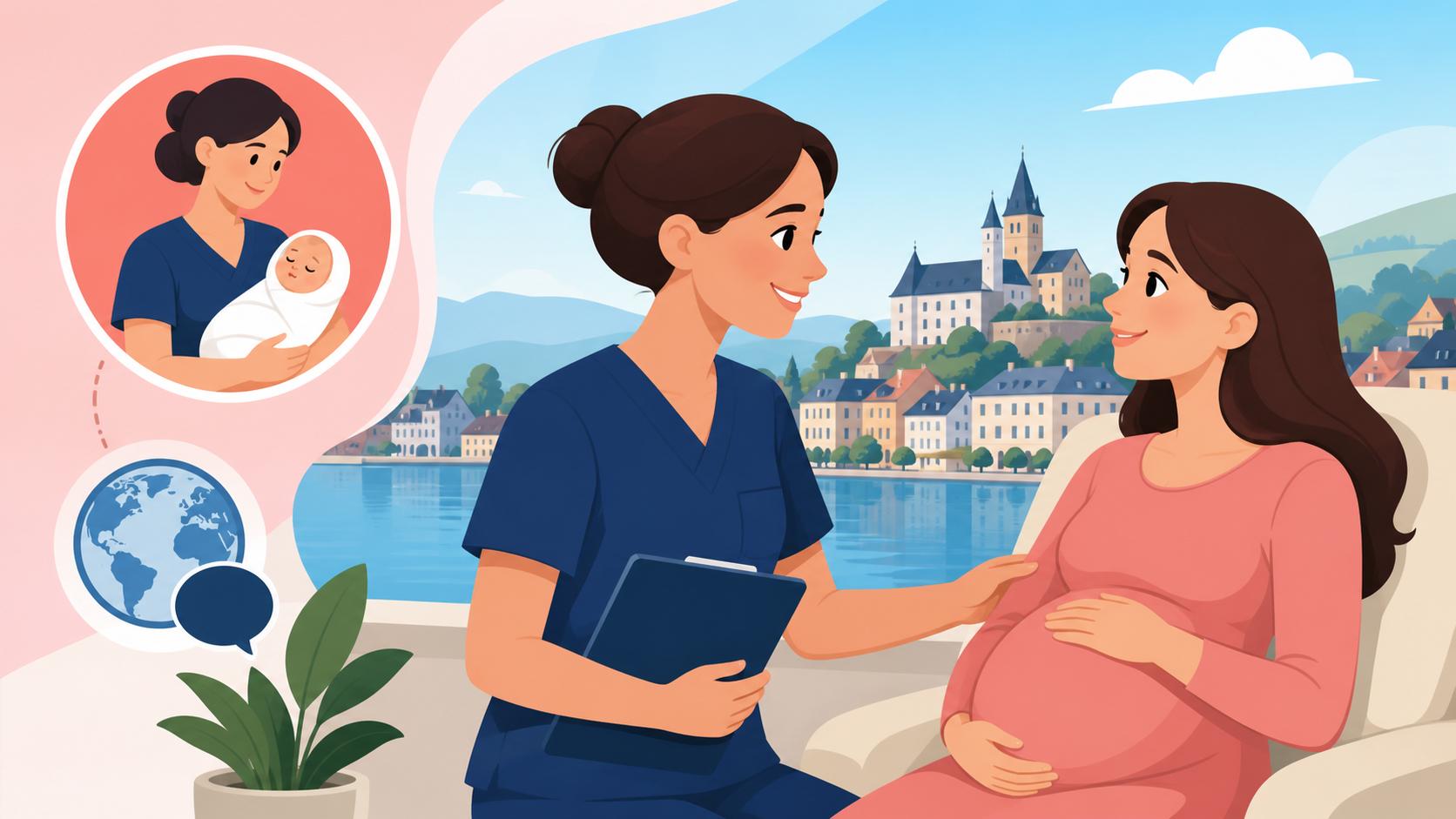
Finding out you are pregnant while living in a foreign country brings a specific kind of panic that Google Translate simply cannot fix. I remember sitting in my apartment overlooking Lake Neuchâtel, clutching a positive test and realizing that while I could order a coffee in French, I had no idea how to explain a birth plan or a medical emergency in the local dialect. This guide is designed to strip away that anxiety by showing you exactly how to find an English-speaking midwife in Neuchâtel, ensuring your journey into parenthood is supported by someone who speaks your language—literally and figuratively.
The Essential Role of the Midwife in the Swiss System
In Switzerland, a midwife (known as a sage-femme in Neuchâtel or a Hebamme in German-speaking cantons) is not just an optional luxury; they are the backbone of the maternity system. Many expats assume that their gynecologist will handle everything, but the reality is quite different. While your doctor manages the clinical scans and check-ups, your midwife is the one who provides the holistic, day-to-day support that keeps you sane. In Maternity and Child Healthcare in Switzerland: From Pregnancy to Pediatrics, you will see how the system divides care between these two professionals.
A midwife in Neuchâtel typically offers two types of care: prenatal support and postpartum home visits. If you are planning a hospital birth at the Hôpital de Neuchâtel (Pourtalès), the midwives there will handle the delivery, but they are often rotating staff. This is why finding an independent English-speaking midwife is crucial. They are the ones who will visit your home in the days following your discharge from the hospital to check on your recovery and the baby’s health. This "Wochenbett" or postpartum period is intense, and having someone who can explain why your newborn isn't latching without you needing to reach for a dictionary is a lifesaver.
Furthermore, midwives in the Neuchâtel region are often very well-connected. They can refer you to local breastfeeding groups or specialized physiotherapists. If you are navigating Women’s Health: Gynecologists, Screenings, and Contraception Access, your midwife can often provide a bridge between those routine services and your current pregnancy needs. They act as your advocate within the broader Swiss medical machine, which, while efficient, can feel cold and bureaucratic to the uninitiated.
How to Locate an English-Speaking Midwife in Neuchâtel
Neuchâtel is a smaller canton, which means the pool of English-speaking professionals is tighter than in Zurich or Geneva. However, the international community here—largely thanks to the watch industry and the university—means there is a steady demand for English services. Your first port of call should be the official website of the Swiss Federation of Midwives (Fédération suisse des sages-femmes). Their search tool allows you to filter by "Langues" (languages). Selecting "Anglais" will give you a list of independent midwives in the 2000-2009 zip code range.
I personally found that the best way to vet a midwife is to reach out early—ideally by your 12th week of pregnancy. English speakers get booked up months in advance. When you contact them, don't just ask if they speak English; ask if they are comfortable discussing complex medical terms in English. Some locals might have "school-level" English but may struggle with the nuances of birth trauma or postpartum depression. If you find the local options limited, some expats look toward the border of Vaud, and referencing a Vaud Expat Healthcare Guide: CHUV and Riviera Medical Centers can help you see if a professional from that region is willing to travel to Neuchâtel for home visits.
Another realistic tip: check the bulletin boards at the Hôpital Pourtalès or the Clinique de La Providence. Often, midwives who work shifts at the hospital also have private practices. If you meet a midwife during a routine check-up who speaks great English, ask her if she takes private clients for postpartum care. It is a very common arrangement in Switzerland. You can also look for "English-Speaking Parents in Neuchâtel" groups on social media. Word-of-mouth is the gold standard here because a midwife's "bedside manner" is just as important as her language skills. You want someone who understands the cultural context of being an expat, not just someone who can translate "contraction."
Insurance Coverage and Financial Considerations
One of the most pleasant surprises about the Swiss healthcare system is how maternity care is treated under the law. Once you reach the 13th week of pregnancy, you are exempt from the standard deductible (Franchise) and the 10% co-payment for all maternity-related costs. This is explained deeply in Understanding KVG/LAMal: Mandatory Basic Health Insurance Explained. Your basic insurance (KVG) covers seven routine check-ups, two ultrasounds, and a significant amount of postpartum care at home.
However, there are nuances to what is "medically necessary." For example, if you want extra sessions with your midwife for birth preparation or breastfeeding counseling beyond the legal minimum, you might find yourself dipping into your own pocket. This is where supplementary insurance like Cigna Global becomes incredibly valuable for expats. While the basic Swiss plan is excellent, Cigna Global can offer broader coverage for private hospital rooms or alternative therapies that your local Neuchâtel insurance might not fully embrace. I’ve seen many expat families rely on Cigna Global to bridge the gap between "standard" care and the "premium" experience they might be used to in their home countries.
Below is a breakdown of what you can expect the basic KVG insurance to cover regarding your midwife’s services in Neuchâtel:
| Service Type | Coverage Level (KVG) | Notes |
|---|---|---|
| Prenatal Check-ups | 100% (7 visits) | Only if performed by a midwife or doctor |
| Birth Preparation | CHF 150 lump sum | Usually covers about 1-2 hours of a class |
| Postpartum Home Visits | 100% (Up to 16 visits) | Covered for the first 56 days after birth |
| Breastfeeding Support | 100% (3 sessions) | Can be done by a midwife or specialist |
| Hospital Delivery | 100% | In the general ward of a public hospital |
Understanding The Swiss Franchise System: How Deductibles and Copays Work is vital because even though maternity is "free," any illness unrelated to the pregnancy (like a broken arm or a common cold) is still subject to your usual deductible. It’s a confusing distinction that catches many newcomers off guard during their first pregnancy in the Jura mountains.
Preparing for Postpartum: The Logistics of Care
Once you find your midwife and confirm your insurance, the focus shifts to the "Wochenbett" (the first few weeks at home). In Neuchâtel, the expectation is that you will leave the hospital relatively quickly—often within 3 to 4 days for a natural birth. Your midwife will then become your primary medical contact. She will visit your apartment to weigh the baby, check your healing, and—most importantly—help with the emotional transition.
During this time, I found that maintaining my own health was just as important as the baby's. Many of the specific vitamins and supplements recommended by midwives in Switzerland can be quite expensive at local pharmacies like Amavita or Sun Store. I often turned to iHerb to stock up on high-quality postnatal vitamins, magnesium, and organic nursing teas that were harder to find or twice the price locally. iHerb is a staple for many expats in Neuchâtel because it offers brands we recognize from the US or UK, which provides a small but significant sense of comfort during a time of massive change. Using iHerb for things like lanolin cream or postpartum recovery supplements saved me a fortune compared to the boutique prices in the city center.
You should also coordinate with your midwife about the administrative side of things. Switzerland loves paperwork. You will need to register the birth at the Office de l'état civil in Neuchâtel within three days. While your midwife doesn't do this for you, she can help you understand the forms. If you are still figuring out your residency status, reading Is Basic Health Insurance (KVG) Mandatory for Expats? A Plain-English Guide can ensure your baby is properly added to your policy within the 90-day window.
Questions to Ask Your Prospective Midwife
When you finally sit down for an interview with a potential midwife (and yes, you should interview them!), you need to be specific. Language is just the starting point. You need to know their philosophy on birth and their availability. Neuchâtel can get very snowy in the winter; if you live up in Val-de-Ruz and your midwife is based in the city, does she have a 4×4 to reach you for home visits in January?
Consider asking the following:
- "How many years have you been practicing in the Neuchâtel region?"
- "If I have an emergency at 2:00 AM, can I call you, or should I go straight to Pourtalès?"
- "Are you comfortable working with the birth plan I’ve developed?"
- "Do you have experience with expat families who might not have a local support network (parents, siblings) nearby?"
- "Can you recommend an English-speaking pediatrician in the area?"
Finding a pediatrician is the next logical step, and your midwife will likely have a list of favorites. If you are also looking for general care, you might want to check Finding an English-Speaking Family Doctor (Hausarzt) in Major Cantons to see if there are practitioners who work closely with maternity specialists.
Don't forget the importance of self-care products during this phase. I found that having a stash of familiar items from iHerb, like organic cotton pads or specific electrolyte drinks, made the "stay-at-home" weeks much more bearable. Your midwife might suggest local herbal remedies, but having your trusted brands from iHerb as a backup ensures you aren't experimenting with new products while your hormones are already in flux.
Finally, remember that the relationship with your midwife is intimate. You are inviting this person into your home during your most vulnerable moments. If you don't "click" with the first English-speaking midwife you meet, don't feel obligated to hire her just because of the language. Keep looking. The peace of mind that comes from having a supportive, English-speaking professional by your side as you bring a new life into the world in this beautiful corner of Switzerland is worth every bit of the effort it takes to find them.
For more information on navigating the early stages, you can refer to Pregnancy in Switzerland: Prenatal Care, Scans, and Midwife Support and Postpartum Care: Mütter- und Väterberatung and At-Home Midwife Visits. These resources, combined with a solid insurance plan like Cigna Global, will provide the safety net you need to enjoy this special time.
Disclaimer
The information provided in this guide is for educational and informational purposes only and does not constitute medical or legal advice. Healthcare regulations and insurance policies in Switzerland are subject to change. Always consult with a qualified medical professional or your insurance provider regarding your specific situation and coverage. Similarly, while we mention Selecting a Hebamme (Midwife) for Postpartum Care in Zurich or other regions for context, ensure you verify the specific local laws of Canton Neuchâtel. The author is an expat sharing personal experiences and research, not a licensed healthcare practitioner or insurance agent.