Cholesterol Management in Switzerland: Statins and Routine Testing
Navigating the intricacies of healthcare in a new country can feel like trying to solve a Rubik's Cube blindfolded, especially when you're dealing with a common but critical health concern like cholesterol. Many of us arrive in Switzerland with a lifetime of habits and perhaps a regular check-up routine, only to find the system works a little differently here. This guide will help you understand cholesterol management in Switzerland, from routine testing to statin prescriptions, so you can confidently take charge of your health.
Understanding Cholesterol: The Basics for Expats in Switzerland
When you hear the word "cholesterol," it often comes with a negative connotation, but it's not all bad news. Cholesterol is actually a vital substance, a fatty compound found in most body tissues, essential for building healthy cells. The key is understanding the different types and how they're viewed within the Swiss medical framework.
What is Cholesterol and Why Does it Matter?
Think of cholesterol as two main players in your body:
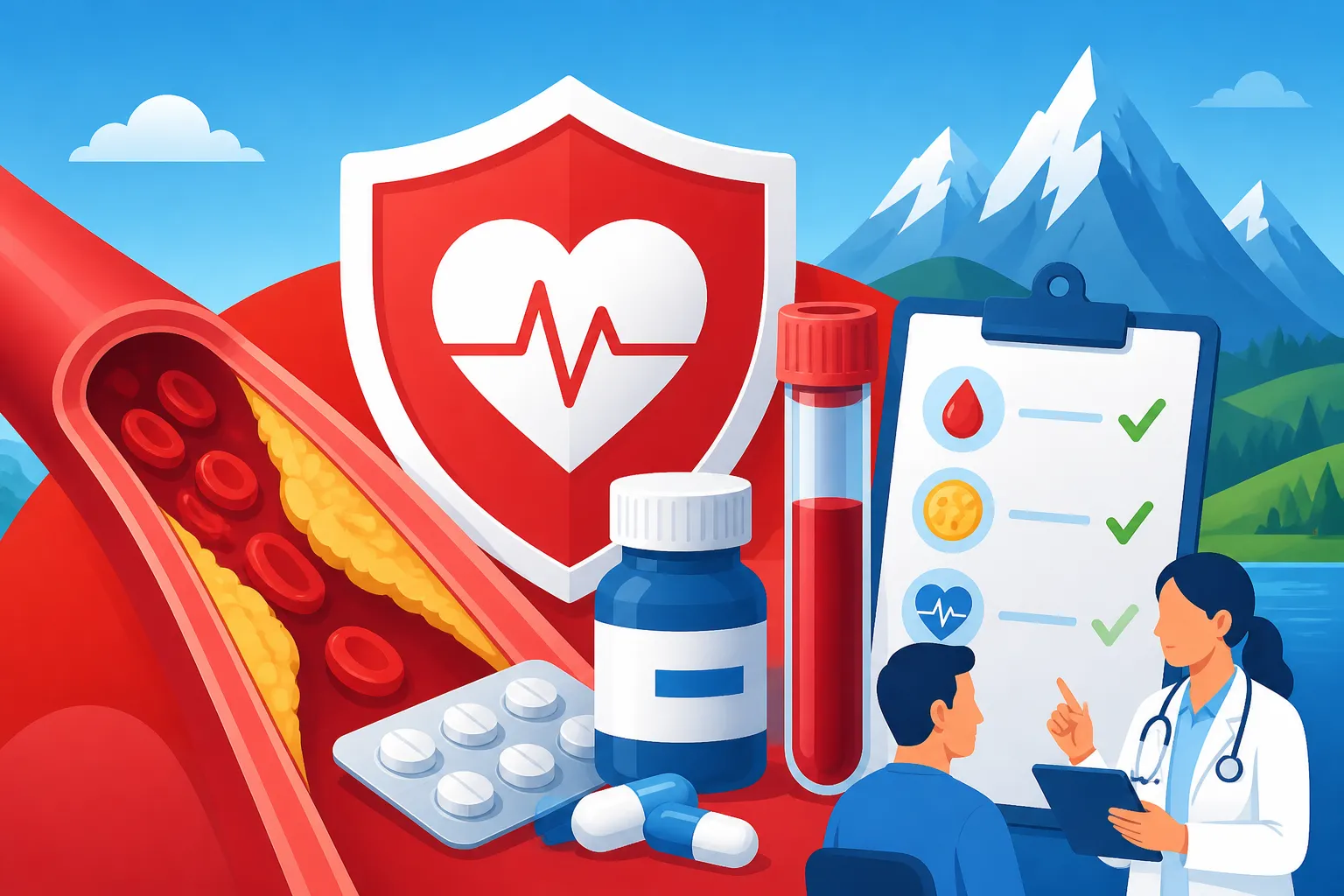
- Low-Density Lipoprotein (LDL) Cholesterol: This is often dubbed "bad" cholesterol. High levels of LDL can lead to a buildup of plaque in your arteries, a process called atherosclerosis. This narrows your arteries, restricting blood flow and significantly increasing your risk of heart attacks and strokes. It's the one doctors worry about most.
- High-Density Lipoprotein (HDL) Cholesterol: This is the "good" cholesterol. HDL helps remove excess cholesterol from your arteries and transport it back to the liver for excretion. Higher levels of HDL are generally protective against heart disease.
- Triglycerides: These are another type of fat in your blood. While not cholesterol, high triglyceride levels often go hand-in-hand with high LDL cholesterol and low HDL cholesterol, further raising your risk of cardiovascular disease.
- Total Cholesterol: This is simply the sum of all cholesterol in your blood. It gives a general overview, but doctors usually look at the individual components (LDL, HDL, triglycerides) for a more accurate risk assessment.
Why does it matter, especially as an expat? Because heart disease is a leading cause of death worldwide, and managing your cholesterol is a cornerstone of prevention. Ignoring it could have serious long-term consequences, impacting your health and your life here in Switzerland.
Swiss Medical Perspective on Cholesterol
The Swiss healthcare system, while excellent, often emphasizes a proactive and evidence-based approach. Your family doctor, known as your Hausarzt in the German-speaking regions or médecin de famille in the French-speaking parts, will typically be your first point of contact for routine check-ups and cholesterol screening. They tend to focus on a holistic view of your risk factors, not just isolated numbers.
Swiss doctors will consider not only your cholesterol levels but also your age, family history of heart disease, blood pressure, smoking status, and whether you have conditions like diabetes. This comprehensive risk assessment helps them determine the most appropriate course of action, which might range from lifestyle advice to medication. They are generally not quick to prescribe medication unless other avenues have been explored or your risk profile is significantly elevated.
Routine Cholesterol Testing in Switzerland: What to Expect
Getting your cholesterol checked in Switzerland is a straightforward process, but understanding the recommendations and how it fits into the broader healthcare system will save you a lot of hassle and potential costs.
When and How Often are Tests Recommended?
Unlike some countries where routine, annual blood panels are standard for everyone, in Switzerland, the frequency of cholesterol testing is more often tailored to your individual risk factors.
- General Screening: For adults with no known risk factors or family history of early heart disease, your doctor might recommend a baseline cholesterol check every 5 years or so after the age of 40. However, this is quite flexible and often initiated based on other findings during a general check-up.
- Increased Risk Factors: If you have risk factors such as high blood pressure, diabetes, a family history of heart attacks or strokes, are overweight, or smoke, your doctor will likely recommend more frequent testing. This could be annually or every 2-3 years, depending on your specific profile.
- Existing Conditions/Medication: If you've already been diagnosed with high cholesterol, are on statins, or have had a cardiovascular event, expect regular monitoring. This is crucial to track the effectiveness of treatment and adjust dosages as needed.
It's important to remember that Swiss doctors generally operate with a "less is more" philosophy when it comes to routine blood tests, often preferring to focus on specific indicators rather than a broad, exhaustive panel unless medically justified. If you're concerned and haven't had a test in a while, simply discuss it with your Finding an English-Speaking Family Doctor (Hausarzt) in Major Cantons.
The Testing Process and What Your Results Mean
The process itself is very similar to what you might be used to. You'll typically have blood drawn from your arm, usually after an overnight fast (your doctor will confirm if fasting is required, which is standard for a full lipid panel). The sample is then sent to a laboratory for analysis.
Once your results are back, your Hausarzt will review them with you. Don't be shy about asking questions! They should explain what your numbers mean in the context of your overall health. Here’s a general idea of what healthy target levels look like, though individual goals may vary based on your risk profile:
| Parameter | Optimal Level (mg/dL) | Optimal Level (mmol/L) |
|---|---|---|
| Total Cholesterol | Less than 200 | Less than 5.2 |
| LDL (Bad) Cholesterol | Less than 100 | Less than 2.6 |
| HDL (Good) Cholesterol | 60 or higher | 1.55 or higher |
| Triglycerides | Less than 150 | Less than 1.7 |
Note: These are general guidelines. Your doctor will provide specific targets based on your personal risk factors and medical history.
If your numbers are outside the optimal range, especially your LDL, your doctor will discuss next steps. This is where the Swiss approach to integrated care shines; they'll often guide you through a combination of lifestyle changes and, if necessary, medication.
Costs and Insurance Coverage for Cholesterol Tests
This is where understanding the Swiss health insurance system, specifically Understanding KVG/LAMal: Mandatory Basic Health Insurance Explained, becomes crucial. Basic health insurance (KVG/LAMal) does cover medically necessary cholesterol tests. However, you will always be subject to your chosen The Swiss Franchise System: How Deductibles and Copays Work and the 10% Selbstbehalt (co-pay) up to CHF 700 per year.
For example, if you have a CHF 2,500 annual franchise and the cholesterol test costs CHF 80, you will pay the full CHF 80 until you've met your CHF 2,500 franchise. After that, you'd pay 10% of the cost. The key phrase here is "medically necessary." If your doctor recommends the test as part of a risk assessment or to monitor an existing condition, it's covered. If you simply request it out of curiosity without any medical indication, your insurer might push back. Always consult your Hausarzt first.
When you receive a bill, you'll generally find that the Swiss system operates on a "Tiers Garant" basis, meaning you pay the provider directly, then claim reimbursement from your insurance. For a full breakdown, check out our guide on How to Pay Medical Bills: Tiers Garant vs. Tiers Payant Billing Systems.
Managing High Cholesterol: Lifestyle, Medication, and Support
Once high cholesterol is identified, the focus shifts to management. This is often a multi-pronged approach, combining changes you make yourself with professional medical intervention.
Lifestyle Modifications: Diet, Exercise, Stress Management
Before jumping to medication, your Swiss doctor will almost certainly emphasize lifestyle changes. This is standard practice and often the first line of defense:
- Dietary Adjustments: This is huge. Focus on a diet rich in fruits, vegetables, whole grains, and lean proteins. Reduce saturated and trans fats found in many processed foods, red meats, and full-fat dairy. Increase soluble fiber (oats, beans, apples) and omega-3 fatty acids (fatty fish, flaxseed). Swiss supermarkets like Migros and Coop offer a fantastic array of fresh produce and healthy options, making this easier than you might think.
- Regular Physical Activity: Aim for at least 150 minutes of moderate-intensity aerobic exercise or 75 minutes of vigorous-intensity exercise per week. This could be brisk walking around Lake Zurich, cycling through the Lavaux vineyards, or hiking in the Alps. Regular activity helps raise your HDL cholesterol and lower LDL and triglycerides.
- Weight Management: Losing even a small amount of weight can have a significant positive impact on your cholesterol levels.
- Quit Smoking: If you smoke, stopping is one of the most effective things you can do for your heart health. Your doctor can offer resources and support to help you quit.
- Stress Management: While less directly linked than diet and exercise, chronic stress can contribute to unhealthy habits and indirectly impact heart health. Explore activities like yoga, meditation, or simply enjoying Switzerland's beautiful nature to manage stress.
These changes aren't always easy, especially when adapting to a new country and its food culture, but they are incredibly powerful.
Statins and Other Medications: How They Work, Swiss Prescription Process, Potential Side Effects, Costs
If lifestyle changes aren't enough to bring your cholesterol to healthy levels, or if your initial risk assessment is very high, your doctor may prescribe medication. Statins are the most common and effective class of drugs for lowering LDL cholesterol.
- How Statins Work: Statins work by blocking a substance your body needs to make cholesterol, thereby reducing the amount of cholesterol your liver produces. This helps to lower your LDL cholesterol and triglycerides while sometimes increasing HDL cholesterol.
- Swiss Prescription Process: In Switzerland, statins, like most prescription medications, must be prescribed by a licensed doctor. Your Hausarzt will evaluate your needs, discuss the benefits and risks, and provide a prescription. You can then take this prescription to any pharmacy (Apotheke) to fill it. Pharmacies are well-regulated, and pharmacists are highly knowledgeable, often providing advice on medication usage and potential interactions. For more on this, see our guide on Pharmacies and Medication: Prescriptions, Costs, and OTC Regulations.
- Other Medications: Besides statins, other classes of drugs like cholesterol absorption inhibitors (e.g., ezetimibe), PCSK9 inhibitors, or fibrates might be used, often in combination with statins or for specific cases. Your doctor will determine the best treatment plan for you.
- Potential Side Effects: While generally well-tolerated, statins can have side effects, including muscle pain, digestive issues, and in rare cases, liver problems. It's crucial to discuss any concerns or side effects with your doctor immediately. Never stop taking your medication without professional medical advice.
- Costs and Insurance Coverage: Statins and other cholesterol-lowering medications prescribed by a doctor are covered by your mandatory basic health insurance (KVG/LAMal). Again, your chosen annual franchise and the 10% Selbstbehalt (co-pay) will apply. The cost of the medication itself varies depending on the specific drug and whether a generic version is available. Generally, generic drugs are preferred and significantly cheaper.
For expats, especially those in the early stages of their move, navigating healthcare can be daunting. While your KVG will cover these costs once established, for periods before full local insurance coverage, or if you travel frequently for work or leisure outside Switzerland, considering additional travel medical insurance like SafetyWing can be a smart move. It provides a safety net for unexpected medical emergencies that might arise, including those related to pre-existing conditions if handled correctly, during transitions or while abroad.
Specialist Referrals and Follow-up Care
In some cases, especially if your cholesterol levels are extremely high, you have other complex cardiovascular risk factors, or if you're not responding well to initial treatment, your Hausarzt may refer you to a specialist.
- Cardiologist: A heart specialist who can provide more in-depth evaluation and management of cardiovascular conditions.
- Endocrinologist: A specialist in hormone-related conditions, who might be consulted if your cholesterol issues are linked to metabolic disorders or diabetes.
Your Hausarzt acts as the gatekeeper in most Swiss insurance models (e.g., family doctor model, HMO model). They will provide the referral, ensuring continuity of care and proper coordination between specialists. Remember, clear communication with your Hausarzt about your health history and any concerns is paramount to getting the right care.
Navigating the Swiss Healthcare System for Chronic Conditions
Managing a chronic condition like high cholesterol in Switzerland is entirely manageable, but it requires understanding the system's structure.
The Role of Your Family Doctor (Hausarzt)
Your Hausarzt is truly the cornerstone of the Swiss healthcare system, particularly when it comes to long-term health management. They are your primary point of contact for:
- Initial Diagnosis and Screening: They will conduct routine checks, order tests, and interpret results.
- Treatment Planning: They guide you through lifestyle changes and prescribe initial medications.
- Referrals: If specialist care is needed, they will provide the necessary referral, ensuring that your care is coordinated and appropriate.
- Ongoing Monitoring: They manage your long-term care, adjusting medication and monitoring your progress over time.
- Medical Records: They maintain your central medical file, which helps ensure all your doctors have a complete picture of your health.
Building a good relationship with an English-speaking Hausarzt is incredibly valuable for expats. They can help bridge cultural and linguistic gaps in healthcare.
Insurance Considerations for Long-Term Management
The costs associated with managing a chronic condition can add up, even with basic insurance. Here's what to keep in mind:
- Basic Insurance (KVG/LAMal): As discussed, this mandatory insurance covers medically necessary tests, doctor visits (including specialists with a referral), and prescription medications for cholesterol management.
- Franchise and Co-pay: Remember your annual franchise (deductible) and the 10% Selbstbehalt (co-pay up to CHF 700 per year). If you have a chronic condition, it's wise to choose a lower franchise if you anticipate regular medical expenses, though this will mean higher monthly premiums. For a deep dive into this, consult our guide on How to Choose the Right Deductible (Franchise) for Your First Year.
- Supplementary Health Insurance (VVG): While not typically necessary for the core treatment of high cholesterol, some supplementary insurances might offer benefits like covering complementary therapies (if prescribed and recognized), or provide access to semi-private or private hospital rooms should you ever need hospitalization for a cardiovascular event. It's usually not a primary consideration for managing cholesterol, but it's good to be aware of what Supplementary Health Insurance (VVG): What It Covers and When to Buy It entails.
- Travel Insurance: If you're a globetrotting expat, it's worth noting that your Swiss KVG basic insurance offers limited coverage outside of Switzerland. For emergency medical treatment abroad, especially if you have a pre-existing condition like high cholesterol, dedicated travel insurance is crucial. Companies like SafetyWing offer flexible plans designed for digital nomads and expats, which can be essential for covering unforeseen medical emergencies, including those linked to stable pre-existing conditions, while you are traveling outside Switzerland. This can be particularly useful if you frequently visit family in your home country or travel for work and need to ensure continuous protection.
Managing cholesterol in Switzerland, like many aspects of expat life, requires a bit of understanding and proactivity. With the right approach to lifestyle, regular check-ups with your trusted Hausarzt, and a clear grasp of your insurance coverage, you can ensure your heart health is in good hands.
Disclaimer
The information provided in this guide is for general informational purposes only and does not constitute medical or legal advice. Always consult with a qualified healthcare professional for any health concerns or before making any decisions related to your medical care or insurance. The Swiss healthcare system and regulations are subject to change.