Newborn Screening Tests in Switzerland: What Hospitals Check After Birth
Bringing a new life into the world is an incredible, albeit often overwhelming, experience, especially when you're an expat navigating a new country's healthcare system. One of the first things you'll encounter after your baby arrives in Switzerland is a series of crucial newborn screening tests. This guide aims to demystify these checks, explaining what hospitals look for and why they’re so important, so you can feel more prepared and less anxious during those precious first days.
Understanding Newborn Screening in Switzerland
When you welcome your little one in Switzerland, whether it's in a bustling city like Zurich or a quiet Alpine village, a set of standard screening tests will be performed shortly after birth. These tests aren't about diagnosing your healthy baby with an illness, but rather about proactively identifying rare but serious congenital conditions that might not be visible at birth. The idea is simple: catch these conditions early, before symptoms even appear, to allow for prompt treatment and vastly improve your child's long-term health and development. It’s a testament to the country's commitment to preventative care and a safety net that many expat parents, myself included, truly appreciate.
Think of it as the Swiss approach to child health – thorough, precise, and focused on giving every child the best possible start. It often feels like a flurry of appointments and information in those first few weeks, but each step is carefully designed. From the moment your baby arrives, the hospital staff, from midwives to pediatricians, are coordinating these essential screenings. This early detection system is a cornerstone of pediatric care here, seamlessly integrated into the initial days of your newborn's life.
The Philosophy Behind Early Detection
Switzerland, like many developed nations, places a strong emphasis on preventative medicine. For newborns, this means casting a wide net to detect conditions that, if left untreated, could lead to severe developmental delays, intellectual disabilities, or even life-threatening complications. Many of these conditions are genetic or metabolic, meaning the body can't process certain substances correctly. With early intervention, often through diet modifications, medication, or specific therapies, the impact of these conditions can be significantly minimized or even entirely prevented.
For expat parents, this can be particularly reassuring. You might be far from your home country's healthcare norms, but knowing that your child is being thoroughly checked for a comprehensive range of conditions offers a great deal of peace of mind. It’s not just about the child, but also about supporting the new parents who are already dealing with so much in those first few weeks. The medical teams are usually very good at explaining these procedures, even if you need to ask for an English-speaking doctor. Don't hesitate to ask; it's your right to understand what's happening to your baby.
Standard Protocol for Newborn Health
The newborn screening program in Switzerland is largely standardized across all cantons, overseen by federal guidelines. This means that regardless of whether you give birth in Geneva, Basel, or a smaller cantonal hospital, your baby will undergo essentially the same battery of initial tests. This consistency is a real strength, ensuring that every child receives the same high level of early preventative care. These tests are usually carried out by trained nurses or pediatricians directly in the hospital before discharge, or sometimes by your chosen pediatrician during the first follow-up visit if you leave the hospital very quickly.
This holistic approach extends beyond just these initial tests. It's part of a broader framework for Maternity and Child Healthcare in Switzerland: From Pregnancy to Pediatrics. You’ll find that pediatric check-ups in Switzerland are routine and comprehensive, following a clear schedule designed to monitor development and catch any emerging issues. Don't be surprised by the meticulous record-keeping and the detailed "Mutter-Kind-Pass" or similar document you'll receive, which tracks all these milestones.
The "Guthrie Test" or Heel Prick: The Main Event
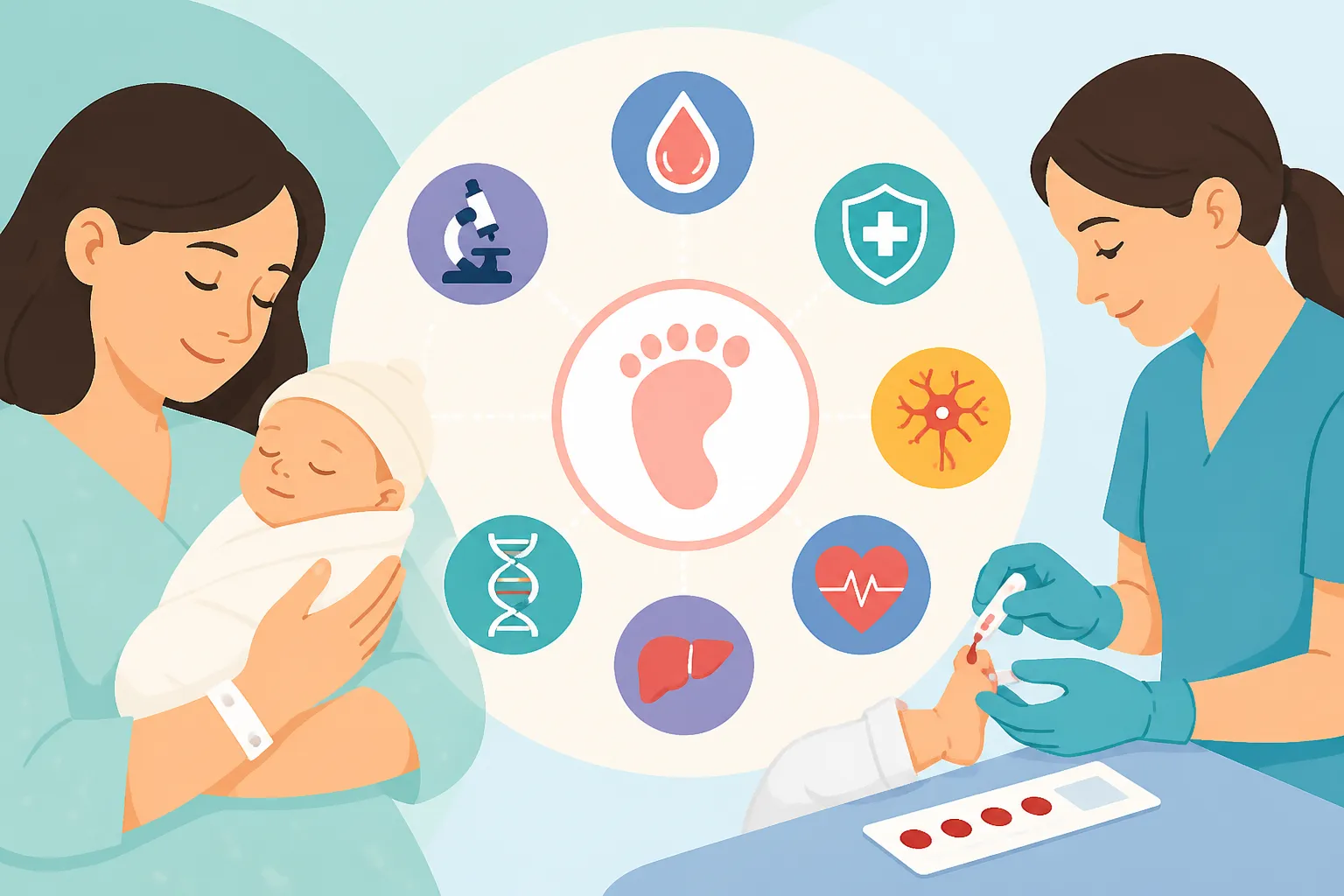
One of the most important and well-known newborn screenings in Switzerland is the "Guthrie Test," often simply referred to as the heel prick test. This small, seemingly innocuous procedure is a true marvel of modern medicine, capable of screening for a surprising number of conditions from just a few drops of blood. It’s a moment that all new parents anticipate, sometimes with a little anxiety, but always with the hope of a clear bill of health for their precious little one.
The test is usually performed between 48 and 72 hours after birth, which gives the baby’s metabolism a chance to kick in. This timing is crucial because some metabolic conditions only become detectable after the baby has started feeding. The nurse will gently prick your baby’s heel, collect a few drops of blood onto a special filter paper, and then send it off to a specialized laboratory for analysis. It's quick, a little unsettling for a moment, but generally well-tolerated by newborns, often soothed by skin-to-skin contact or a feed immediately afterward.
What the Heel Prick Screens For
The heel prick test in Switzerland screens for a range of approximately 11 to 15 rare but treatable conditions, which are periodically reviewed and updated based on medical advancements and public health considerations. The exact number can vary slightly by canton or year, but generally includes:
- Phenylketonuria (PKU): A metabolic disorder that prevents the body from breaking down phenylalanine, an amino acid found in proteins. Without treatment, it can lead to intellectual disability.
- Congenital Hypothyroidism: A condition where the thyroid gland doesn't produce enough thyroid hormone, essential for normal growth and brain development. Early treatment with hormone replacement is highly effective.
- Cystic Fibrosis (CF): A genetic disorder affecting the lungs and digestive system. Early diagnosis allows for interventions that can improve quality of life and longevity.
- Adrenogenital Syndrome (AGS): A group of genetic disorders that affect the adrenal glands. Early detection prevents life-threatening adrenal crises and allows for appropriate hormone management.
- Biotinidase Deficiency: A metabolic disorder where the body cannot recycle biotin, a B vitamin. Untreated, it can lead to neurological problems and skin issues.
- Galactosemia: A disorder that prevents the body from processing galactose, a sugar in milk. Untreated, it can cause liver damage, brain damage, and cataracts.
- Severe Combined Immunodeficiency (SCID): A group of rare disorders caused by defects in the immune system. Early diagnosis is critical to protect infants from severe infections.
- Spinal Muscular Atrophy (SMA): A genetic disease that affects motor neurons, leading to muscle weakness. Newborn screening allows for early treatment with new therapies that can significantly improve outcomes.
This list isn't exhaustive, but it gives you a good idea of the critical conditions being looked for. The exhaustive nature of these screenings often alleviates a common expat worry about potential health issues being missed due to language barriers or unfamiliar systems. It's a universal standard applied to every newborn.
The Process and Parental Experience
The moment of the heel prick can be a little tough for parents to watch. Your tiny newborn, barely a few days old, is getting a little poke. It's natural to feel a pang of protectiveness. Many nurses are incredibly skilled at making it as quick and gentle as possible, often encouraging parents to comfort their baby immediately afterward. You might be encouraged to provide skin-to-skin contact, which is known to reduce pain perception in newborns, or offer a breastfeed to soothe them.
Once the blood is collected, the filter paper is carefully dried and sent to a central laboratory. You won't get immediate results, as the analysis takes a few days to a week. The general rule is that if you don't hear anything, the results are normal. If a screening test indicates a potential issue, the hospital or your pediatrician will contact you promptly for follow-up testing. This is typically a second, more specific test to confirm or rule out the condition. It’s important to remember that a "positive" screening result doesn't automatically mean your baby has the condition; it just means further investigation is needed. This period can be incredibly stressful, but the Swiss medical system is equipped to guide you through it.
Other Essential Newborn Screenings
Beyond the heel prick, your baby will undergo several other vital screenings designed to catch common conditions that might affect their development or well-being. These checks are just as crucial and are typically done during your hospital stay or at your first few pediatrician appointments.
Hearing Screening (Otoacoustic Emissions – OAE / Automated Auditory Brainstem Response – AABR)
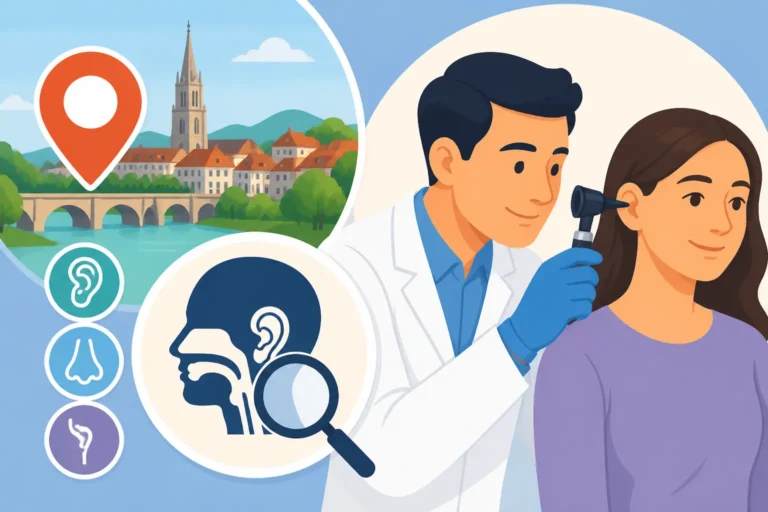
Hearing is fundamental for language development, and early detection of hearing loss is paramount. In Switzerland, all newborns receive a hearing screening, usually before they leave the hospital. This non-invasive test often involves placing a tiny earphone into the baby's ear canal, which emits soft sounds. A machine then measures the echo (OAE) or brain activity (AABR) in response to these sounds. It's quick, painless, and can even be done while the baby is asleep.
A failed hearing screening doesn't necessarily mean your baby has hearing loss. It could be due to vernix or fluid in the ear canal, or simply the baby being too restless during the test. If the initial screening suggests a potential issue, a repeat test will be scheduled, often followed by a more comprehensive audiology assessment if needed. Early diagnosis of hearing loss allows for timely intervention, such as hearing aids or cochlear implants, and crucial support services that can dramatically improve a child's speech and language development.
Hip Ultrasound (Hüftultraschall)
Another standard screening performed in Switzerland is the hip ultrasound, usually carried out by a pediatrician or radiologist. This screening is crucial for detecting developmental dysplasia of the hip (DDH), a condition where the hip joint is unstable or improperly formed. If left untreated, DDH can lead to mobility issues and early onset arthritis.
The hip ultrasound is typically performed around 4 to 6 weeks of age, often during one of your baby's first well-child check-ups. It's a painless procedure where a probe is gently moved over the baby's hip area to visualize the joint. This allows the doctor to assess the stability and development of the hip. If DDH is detected, early intervention—often just a special harness (like a Pavlik harness) that keeps the hips in the correct position for a few weeks—can correct the issue without the need for surgery. This non-invasive, proactive approach saves many children from long-term problems. This is part of the comprehensive Pediatric Care: Checkups, Vaccination Schedules, and School Health that every child in Switzerland benefits from.
Eye Screening and Red Reflex Test
During the routine newborn examination, your pediatrician will also perform a basic eye screening, including checking for the "red reflex." This is a quick test where the doctor shines a light into each eye. A normal red reflex indicates that the clear structures of the eye (cornea, lens, vitreous) are free of obstructions and that the retina is healthy. An abnormal or absent red reflex can sometimes indicate serious conditions like cataracts, glaucoma, or even retinoblastoma (a rare eye cancer), all of which require immediate attention.
This simple, yet critical, test helps ensure that potential vision problems are caught early. While more detailed eye exams are reserved for specific concerns, this initial screening provides an important baseline for eye health.
Congenital Heart Defect Screening (Pulse Oximetry)
In some Swiss hospitals and cantons, a pulse oximetry screening for critical congenital heart defects (CCHD) might also be performed. This involves placing a small sensor on the baby’s hand and foot to measure oxygen levels in the blood. CCHD can sometimes be difficult to detect during a physical exam, but low oxygen levels can be a subtle indicator.
This test is painless and typically performed after 24 hours of life. It helps to identify babies who might have a serious heart condition that requires further evaluation and intervention. While not universally mandated like the heel prick, its use is becoming more widespread due to its effectiveness in catching potentially life-threatening conditions early.
Navigating Results and Follow-Up Care
Getting through the initial screenings is one thing, but dealing with the results, especially if they're not immediately clear, is another. The waiting period for test results can be a real emotional rollercoaster for new parents. It’s completely normal to feel a surge of anxiety during this time, wondering about the health of your newborn.
Most of the time, the results come back perfectly clear, and you can breathe a huge sigh of relief. This quiet affirmation of health is often taken for granted, but it’s the best possible outcome. However, sometimes a screening test will come back with an "abnormal" or "positive" result. It's crucial to understand that this does not mean your baby definitely has the condition. It simply means the screening test detected something that warrants further, more specific diagnostic testing.
What Happens After an "Abnormal" Screening?
If your baby's screening results indicate a potential issue, you will be contacted by the hospital or your pediatrician, usually within a few days to a week after the initial test. This call can be incredibly jarring, and it's okay to feel overwhelmed. They will explain which test was flagged and what the next steps are. Typically, this involves scheduling a confirmatory diagnostic test, which might be another blood test, a more detailed imaging scan, or a consultation with a specialist.
During this stressful period, don't hesitate to seek support. Many hospitals offer counseling or connect you with support groups. Remember, early detection is about enabling treatment, not about a bleak prognosis. The swift follow-up is a strength of the Swiss system, designed to minimize the time parents spend in anxious uncertainty and to initiate any necessary treatment as quickly as possible. It's also worth noting that in certain situations, if you plan to travel internationally with your newborn soon after birth, perhaps using a flexible travel insurance like SafetyWing for short-term trips, it's wise to ensure all primary screenings and any urgent follow-ups are completed before departure to avoid complications abroad.
The Role of Specialists and Early Intervention
Should a diagnostic test confirm a rare condition, you will be promptly referred to a specialist team. This might include metabolic specialists, endocrinologists, cardiologists, or audiologists, depending on the condition. Switzerland has an excellent network of specialized pediatric care, with leading experts in various fields. These specialists will work with you to develop an individualized treatment plan for your child.
The emphasis is always on early intervention. For example, a baby diagnosed with congenital hypothyroidism will start thyroid hormone replacement therapy almost immediately, often preventing any developmental impact. For conditions like cystic fibrosis or SMA, new therapies are constantly emerging, and early access can make a profound difference. This proactive and highly specialized care system is one of the strengths of Healthcare in Switzerland for Expats: The Complete System Overview (2027), providing peace of mind even when facing difficult news.
What About Insurance Coverage?
Ah, the ever-present question for expats in Switzerland: "Will my insurance cover this?" When it comes to essential newborn screening tests, you can generally breathe a sigh of relief.
Basic Health Insurance (KVG/LAMal) Coverage
Under Swiss law, basic health insurance (KVG/LAMal) is mandatory for everyone residing in Switzerland, including newborns. Crucially, it covers all medically necessary services, and this absolutely includes the standard newborn screening tests. The heel prick, hearing test, hip ultrasound, and other routine screenings performed in the hospital or by your pediatrician are considered preventative care and are fully covered by your basic health insurance. This means you won't have to worry about deductibles (franchise) or co-pays (Selbstbehalt) for these specific preventative screenings.
The newborn needs to be registered for health insurance within three months of birth. Ideally, you should inform your chosen health insurance provider as soon as your baby is born. The coverage will be retroactive to the birth date. Even if you haven't decided on an insurer yet, the hospital will ensure the screenings are done, and the costs will eventually be covered once your baby's insurance is active. This process is a core part of Mandatory Registration: How to Sign Up for Health Insurance Within 90 Days for your newest family member.
Understanding Billing: Tiers Garant vs. Tiers Payant
When it comes to paying for any other services or follow-up appointments, you'll encounter the Swiss billing systems: Tiers Garant and Tiers Payant. For routine newborn screenings, the hospital often bills the insurance company directly (Tiers Payant), so you might not even see a bill for these specific tests. However, for pediatrician visits or specialist consultations, you might receive the bill yourself (Tiers Garant) and then submit it to your insurance for reimbursement after you've paid it. Understanding How to Pay Medical Bills: Tiers Garant vs. Tiers Payant Billing Systems will be invaluable as your child grows.
It's also worth thinking about supplementary health insurance (VVG) in Switzerland. While basic KVG covers the core screenings, supplementary insurance can offer benefits like private or semi-private hospital room upgrades, access to alternative therapies, or more comprehensive coverage for specific treatments not fully covered by basic. For example, if you anticipate significant specialist care or simply want more comfort options for any hospital stays, then Supplementary Health Insurance (VVG): What It Covers and When to Buy It could be a wise consideration.
Planning for the Unforeseen
While we all hope for perfectly healthy babies, it's important to understand the financial implications if a more serious or chronic condition is diagnosed. Basic health insurance will cover the vast majority of ongoing medical treatments, therapies, and medications deemed medically necessary. However, certain niche treatments or extended stays in private clinics might only be partially covered or not at all, depending on your policy.
For families who travel frequently or have relatives visiting, especially those with infants, it might be worth looking into travel insurance options like SafetyWing that could cover unexpected medical needs while abroad or during transit. This is separate from your Swiss health insurance but relevant if you have international plans for your family. The Swiss system is robust, but always being informed, particularly about your specific policy's nuances and how it interacts with other forms of coverage, is key to managing your family’s healthcare journey.
Table: Key Newborn Screening Tests in Switzerland
To help you keep track, here's a handy overview of the main newborn screening tests you can expect in Switzerland:
| Test Name | Type of Test | When Performed | Primary Purpose | Key Conditions Screened For |
|---|---|---|---|---|
| Guthrie Test / Heel Prick | Blood test (filter paper) | 48-72 hours after birth | Early detection of rare metabolic, genetic, and endocrine disorders | PKU, Congenital Hypothyroidism, Cystic Fibrosis, SMA, SCID, AGS, Galactosemia |
| Hearing Screening | Non-invasive ear test (OAE/AABR) | Before hospital discharge (1-5 days) | Identify potential hearing loss | Congenital hearing impairment |
| Hip Ultrasound | Ultrasound imaging | 4-6 weeks after birth | Detect developmental dysplasia of the hip (DDH) | Hip instability, malformation of hip joint |
| Red Reflex Test | Eye examination (light) | During initial pediatric exam (1-5 days) | Identify abnormalities in the eye's clear structures | Cataracts, glaucoma, retinoblastoma (rare eye cancer) |
| Pulse Oximetry | Non-invasive sensor (hand/foot) | After 24 hours of life (if performed) | Screen for critical congenital heart defects (CCHD) | Low oxygen levels indicative of heart issues |
Final Thoughts for Expat Parents
The journey of parenthood is a unique blend of immense joy and constant worry, amplified by living in a foreign country. Switzerland's thorough newborn screening program is designed to alleviate some of that worry, providing a robust safety net for your child's earliest days. While the number of tests and the administrative steps might seem daunting at first, remember that each procedure is a proactive measure aimed at ensuring your baby has the best possible start in life.
Don't hesitate to ask questions, whether it's about the purpose of a test, the potential outcomes, or how to navigate your health insurance. The Swiss healthcare system, while sometimes formal, is highly efficient and designed to support families. Embrace the resources available, from your midwife and pediatrician to the fantastic Mütter- und Väterberatung services that offer free advice and support for new parents. Your peace of mind is just as important as your baby's health.
Disclaimer
Please note that this guide provides general information about newborn screening tests in Switzerland based on current practices. Healthcare regulations and specific screening panels can be subject to change. Always consult with your pediatrician, hospital staff, or health insurance provider for the most accurate and up-to-date information regarding your individual circumstances. This content is not a substitute for professional medical advice.