Swiss Apartment Handovers (Wohnungsübergabe): Protocols and Deposits
The terror of the white-glove inspection in Switzerland is enough to keep any expat awake at night. I remember scrubbing my first Zurich apartment's window tracks with a toothbrush for hours, terrified of losing my three-month deposit over a speck of dust. This guide breaks down exactly how to navigate the Wohnungsübergabe process, secure your rental deposit, and survive the strict Swiss cleaning standards.
Understanding the Two Stages of the Wohnungsübergabe
When you first arrive in Switzerland, the Wohnungsübergabe is your best friend; when you leave, it can feel like your worst enemy. It is the formal process of handing over the keys and documenting the state of the property. In a country where precision is a national virtue, this is not a casual walkthrough. It is a legally binding event that determines who pays for what repairs and whether you see your deposit money again. Most expats are caught off guard by the sheer level of detail required during these meetings.
The move-in inspection is your opportunity to shield your future self from unfair costs. I’ve seen newcomers so excited to get their keys that they ignore a small crack in the sink or a scratch on the parquet floor. Five years later, the landlord claims those damages were caused by the tenant. You must be meticulous. Carry a flashlight, test every socket, and open every cupboard. If it isn't written on the initial protocol, it didn't exist before you arrived.
The move-out inspection is the reverse. It is the landlord's turn to be meticulous. In Renting in Switzerland: The Complete 2027 Guide for Expats, I often emphasize that the Swiss standard for "clean" is likely higher than anything you’ve experienced elsewhere. The goal of the move-out Wohnungsübergabe is to produce a document that both parties sign, agreeing on any damages and the release of the deposit. If you aren't prepared, this meeting can result in thousands of francs in deductions.
The Art of the Swiss Rental Deposit
In Switzerland, a rental deposit (Mietkaution) is typically two to three months of "cold rent" (rent without utilities). This money is not handed directly to the landlord to keep in their personal pocket. Instead, it must be placed in a special, blocked savings account in the tenant's name. I remember the shock of having to cough up nearly 9,000 CHF for a modest three-bedroom flat before I’d even received my first Swiss salary. It is a massive financial hurdle that requires early planning.
Setting up a Bank Mietkautionskonto: How to Open a Blocked Rental Deposit Account is the standard procedure. The bank holds the money, and it can only be released if both the landlord and the tenant sign off on it after the handover. The interest rates on these accounts are negligible, but the security they provide is essential. If you don't have the cash on hand, there are alternative "deposit guarantee" services that act as an insurance policy.
Many expats choose options like SwissCaution Review: Is the 6% Premium Worth Skipping the Cash Deposit to avoid tying up their liquidity. You pay an annual premium, and the company provides the guarantee to the landlord. However, keep in mind that this is insurance, not a savings account. You don't get the premiums back, and if the landlord makes a claim for damages, the insurance company will pay the landlord and then come after you for the reimbursement. It’s a great tool for short-term stays, but for a long-term residency, the bank account is usually the more economical choice.
| Feature | Blocked Bank Account (Mietkautionskonto) | Deposit Insurance (e.g., SwissCaution) |
|---|---|---|
| Upfront Cost | High (2-3 months rent) | Low (Annual premium) |
| Ownership | Tenant's money | Insurance company's guarantee |
| Refund | Principal returned with minor interest | No refund of premiums |
| Best For | Long-term residents with savings | New arrivals with limited liquidity |
| Approval | Automatic with funds | Requires credit check |
The Infamous Swiss Move-Out Cleaning Standards
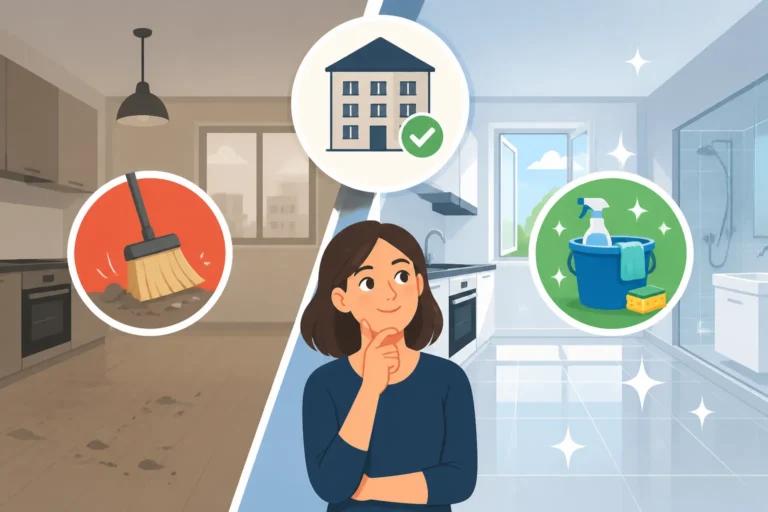
You might think you know how to clean an apartment, but until you have faced a Swiss landlord with a magnifying glass, you haven't seen anything. The "Endreinigung" is a legendary hurdle. In most Swiss leases, you are required to hand over the apartment "reinigungsgereinigt" (thoroughly cleaned). This includes descaling every faucet, cleaning inside the oven and behind the fridge, scrubbing the shutters (lamellen), and even ensuring the cellar storage area is spotless.
I learned the hard way that doing it yourself is a gamble. If the landlord finds the cleaning insufficient during the handover, they can hire a professional firm at your expense, and those last-minute emergency rates are eye-watering. This is why most expats hire a professional cleaning company that offers an "Abgabegarantie" (handover guarantee). This means a representative from the cleaning company stays during the inspection. If the landlord finds a dirty spot, the cleaner fixes it on the spot at no extra cost.
Knowing What is an Abgabegarantie? Why You Need It for Move-Out Cleaning can save you more than just money; it saves your sanity. If you do choose to DIY, you’ll need heavy-duty supplies. I usually order specialized descalers and industrial-strength oven cleaners from Amazon Germany, as the selection is often better and prices lower than local boutiques. Just make sure you have everything ready a week before the move, as the last thing you want is to be running to the store when the landlord is knocking on the door.
Decoding the Handover Protocol (Abgabeprotokoll)
The Abgabeprotokoll is the most important document you will sign during your tenancy. It is a room-by-room checklist of the apartment's condition. During the move-out, the landlord will compare the current state to the move-in protocol. If there are new scratches on the floor or holes in the walls that weren't there before, they will be noted here. It is a tense process, often taking one to two hours for a standard apartment.
As a veteran of four moves within Switzerland, my advice is: never sign the protocol if you disagree with a claim. If the landlord notes a "deep scratch" that you believe is normal wear and tear, you can sign "under protest" or refuse to sign that specific line. Once you sign without reservation, you are legally admitting liability for those damages. This is where your Private Liability Insurance (Privathaftpflicht): Why Expats Need It becomes your shield. Most Swiss liability policies cover "Mieterschäden" (tenant damages), meaning the insurance will negotiate with the landlord on your behalf.
During the protocol walkthrough, you will also record the final meter readings for electricity and water. This is crucial for your final "Nebenkosten" (ancillary costs) settlement, which often arrives months after you've moved out. You’ll also hand over every single key—including the ones for the mailbox and the cellar. If you’ve lost a key, the landlord might insist on replacing the entire locking system for the building, which can cost thousands. Always check your keys a month before the move.
Navigating Wear, Tear, and the Lifespan of Fittings
One of the biggest points of contention during a Wohnungsübergabe is the distinction between "damages" and "normal wear and tear." In Switzerland, there is a very specific legal framework for this called the "Paritätische Lebensdauertabelle" (Lifespan Table). This table dictates how long certain items in an apartment are expected to last. For example, the typical lifespan of a coat of paint is 8 to 15 years, while a carpet might be 10 years.
If you move out after five years and the walls need repainting, the landlord cannot charge you the full cost if the paint was new when you moved in. They can only charge you for the remaining "value" of the paint. Understanding Normal Wear and Tear (Lebensdauer): What Swiss Landlords Cannot Charge For is your best defense against predatory claims. I once had a landlord try to charge me for a 20-year-old stove that stopped working. Because the stove had exceeded its expected lifespan of 15 years, its value was legally zero, and I didn't owe a cent.
Small repairs, however, are usually the tenant's responsibility. These are known as "Kleinreparaturen" and typically include anything that costs less than 150-200 CHF and doesn't require a specialist. Think shower hoses, toilet seats, or lightbulbs. Before your handover, walk through the flat and replace these items. It’s much cheaper to buy a new showerhead from a DIY store than to have the landlord bill you for one plus the administrative fee for their time.
Tenant Protection and the Role of the Mieterverband
The power dynamic between a landlord and a tenant in Switzerland can feel lopsided, especially when you are an expat unfamiliar with the local code of obligations. This is why The ASLOCA / Mieterverband: Why Every Swiss Tenant Must Join is the single best piece of advice I can give. For a small annual fee, these organizations provide legal advice and can even send a representative to stand by your side during a difficult Wohnungsübergabe.
If a dispute arises during the handover and you cannot reach an agreement, the case goes to the local "Schlichtungsbehörde" (arbitration board). This is a free service designed to settle rental disputes without going to full court. Having a Mieterverband membership means you have expert lawyers who know exactly which claims are valid and which are bluffs. I’ve seen landlords drop thousands of francs in "damages" the moment a tenant mentions they are bringing a Mieterverband representative to the meeting.
Remember that you also have a November 30 Deadline: The Exact Steps to Switch Your Swiss Health Insurance or other administrative tasks to handle around moving time, but housing disputes take priority because of the financial stakes. If your landlord refuses to release your deposit without a valid reason, the bank can actually release it to you automatically after one year, provided the landlord hasn't initiated legal action (a Betreibung) against you.
Logistics and Staying Connected During the Move
Moving day is chaotic. Between coordinating the van, the cleaners, and the landlord, the last thing you want is to lose your internet connection. In my early days, I didn't realize that transferring a home internet line could take weeks. Now, I always make sure to have an Airalo eSIM ready on my phone. Having reliable data allows me to coordinate with the movers on the fly and look up the nearest recycling center for that last-minute pile of cardboard.
If your move involves a gap between tenancies—which is common if you are trying to align Swiss Lease Contracts: Notice Periods and Termination Dates Explained—you might need temporary housing. Platforms like HousingAnywhere are excellent for finding mid-term serviced apartments that don't require the same brutal handover protocols as a traditional Swiss flat. This can take the pressure off if your move-out date and move-in date don't perfectly overlap.
Finally, don't forget the administrative side of moving. You are legally required to notify your old and new communes of your change of address. Registering Your Address at the Kreisbüro Within 14 Days of Moving is a strict rule. You’ll need your new lease or a confirmation from your landlord to complete this. Failure to do so can lead to fines and complications with your residence permit. It’s all part of the Swiss system—it’s rigid, yes, but once you understand the rules, it’s remarkably predictable.
Financial Checklist for Your First 30 Days
- Open a Mietkautionskonto or secure a deposit guarantee.
- Join the Mieterverband or ASLOCA immediately.
- Verify your Private Liability Insurance covers tenant damages.
- Order a "Betreibungsauszug" (Debt Register Extract); you’ll need this for almost everything.
- Buy a folder to keep every protocol, receipt, and contract—you will need them years later.
Handling a Swiss apartment handover is a rite of passage. It feels like an interrogation at first, but it’s actually a system designed to ensure the high quality of housing in this beautiful country. Take it slow, document everything, and don't be afraid to stand your ground. You've worked hard for that deposit, and with the right preparation, you’ll get it back.
Disclaimer
This guide is for informational purposes only and does not constitute legal advice. Swiss rental laws can vary by canton and are subject to change. Always consult with a legal professional or a tenant association like ASLOCA or Mieterverband regarding your specific situation.