Swiss Bakery Culture: Gipfeli, Zopf, and Regional Breads
You've just moved to Switzerland, and after navigating the initial hurdles of permits and finding an apartment, you're finally settling into the daily rhythm. Then you walk into a Swiss bakery for the first time, and it hits you: a dizzying array of unfamiliar breads, pastries, and tempting smells. It's not just about picking up a croissant; it's a whole culture, a daily ritual that can feel a bit overwhelming at first. This guide will walk you through the wonderful world of Swiss bakery culture, from understanding the staples like Gipfeli and Zopf to discovering regional delights, and even how to confidently order like a local.
The Daily Ritual: Why Bakeries Are the Heart of Swiss Mornings and Afternoons
For many of us who land in Switzerland from abroad, the local bakery, or Bäckerei (German), Boulangerie (French), or Panetteria (Italian), quickly becomes a cornerstone of daily life. It's far more than just a place to buy bread; it's a social hub, a source of comfort, and a testament to Swiss quality and tradition. You’ll notice pretty quickly that the Swiss don’t just pop in for a quick loaf; they embrace the full experience.
The Morning Rush and the Mid-Afternoon Treat
Picture this: it's 7 AM on a Tuesday, and the bakery is already bustling. People are queuing patiently, grabbing their daily Brot (bread), perhaps a few crusty Brötli (small rolls) for lunch, and definitely their morning Gipfeli. This isn't a weekend indulgence; it's the standard start to the day. For many, a trip to the bakery is part of their morning commute or a quick detour before dropping the kids off at school. The air is thick with the smell of freshly baked goods, coffee, and sometimes the sweet scent of a tart or cake being prepared.
Then, as the afternoon rolls around, the scene shifts slightly. The breakfast rush subsides, but another wave of customers arrives, this time seeking out their Zvieri (afternoon snack). This could be anything from a sweet pastry to a small sandwich, perfectly paired with a coffee. It's a cherished moment to pause, refuel, and perhaps catch up with a neighbor. The bakery, unlike a stark supermarket aisle, offers warmth and a sense of community that many of us expats truly come to appreciate. It's a little slice of predictable, comforting Swiss life in a new and often intimidating environment.
More Than Just Bread: A Pillar of Local Community
Think of your local bakery not just as a shop, but as a mini-institution. The baker often knows the regulars, remembers their usual order, and there's a certain unspoken pride in selecting your daily bread from a small, independent establishment over a supermarket chain. It’s a place where local gossip is exchanged, where children get their first taste of Swiss chocolate, and where the rhythm of the neighborhood truly begins.
You might even find small café sections within the bakery, inviting you to sit down and enjoy your pastry and coffee right there. This is especially true in smaller towns or more traditional Bäckereien. It’s a low-key, unpretentious way to experience local life and practice a few phrases in German, French, or Italian with the staff. Don't be shy; a simple "Guten Morgen" or "Bonjour" goes a long way.
A Deep Dive into Swiss Bakery Staples: Beyond the Gipfeli
When you first step into a Swiss bakery, the sheer variety can be overwhelming. Where do you even start? Let's break down some of the absolute must-try items you'll encounter, from savory breads to delectable pastries. Don't worry, we've all been there, pointing vaguely at something delicious-looking and hoping for the best!
Gipfeli: The Swiss Croissant (But Not Quite)
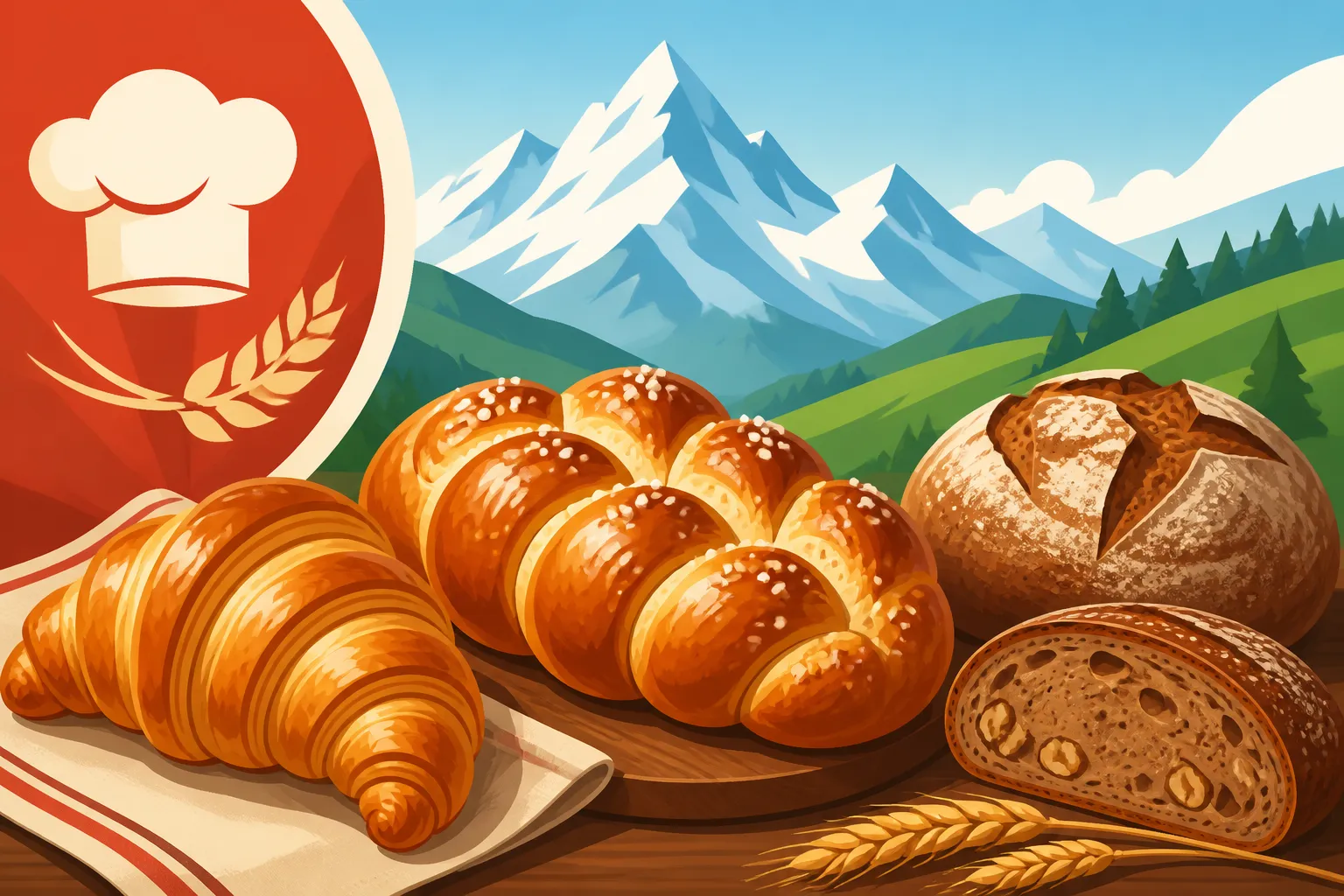
Let's start with the undisputed king of Swiss breakfast pastries: the Gipfeli. Yes, it looks like a croissant, and it's flaky and buttery like a croissant, but don't call it a croissant unless you're in the French-speaking part of Switzerland where they might grudgingly accept it. In the German-speaking cantons, it's a Gipfeli, and it’s typically a bit straighter, less curved, and often a touch denser than its French cousin.
You'll find various types: the classic butter Gipfeli (Buttergipfeli), often a slightly darker, more caramelized version, and sometimes even a Laugengipfeli, which is pretzel-dough Gipfeli with that distinct lye-washed, savory crust. They're perfect on their own, or with a bit of jam and butter, and form the quintessential Swiss breakfast alongside coffee. If you're on a budget, grabbing a Gipfeli and a coffee is one of the more affordable ways to start your day out.
Zopf: The Braided Masterpiece
Next up is Zopf, literally meaning "braid." This is more than just bread; it's a symbol of Swiss tradition, especially cherished on Sundays. It's a rich, egg-washed braided bread, incredibly soft and slightly sweet, making it perfect for breakfast or brunch. You'll see entire families gather around a large Zopf, tearing off pieces to enjoy with butter, jam, honey, or even a slice of local cheese like a mild Gruyère.
Making Zopf is an art form, and every baker has their own subtle recipe. The golden-brown crust and fluffy interior are simply irresistible. If you're hosting friends for brunch, picking up a fresh Zopf is a non-negotiable part of the Swiss experience. Remember, Sundays are generally quiet days here, and most shops are closed, but many bakeries open for a few hours in the morning specifically for Zopf sales.
Brötli and Other Everyday Breads
Beyond the fancy stuff, there's the daily bread, and it's a serious business. You'll find a massive selection of Brötli (small rolls) and larger loaves.
Here’s a quick overview of what you might find:
| Bread/Pastry Name | Description | Typical Occasion/Use | Regional Popularity (General) |
|---|---|---|---|
| Gipfeli | Flaky, buttery crescent-shaped pastry, similar to a croissant. | Breakfast, coffee break | All of Switzerland |
| Zopf | Rich, braided egg bread with a golden-brown crust. | Sunday breakfast/brunch | All of Switzerland |
| Weggli | Small, soft white roll with a distinctive split down the middle. | Everyday breakfast, lunch (often with cheese or cold cuts) | German-speaking Switzerland |
| Vollkornbrot | Whole grain bread, often dense and hearty. | Everyday bread, accompanies meals | All of Switzerland |
| Landbrot | "Country bread," rustic, often a mix of flours, sturdy crust. | Everyday bread, complements savory dishes | All of Switzerland |
| Bürli | Small, rustic, often oval-shaped dark bread, chewy interior. | Hearty breakfast, with cheese/meat | German-speaking Switzerland |
| Pain au Chocolat | Flaky pastry with chocolate filling. | Breakfast, sweet treat | French-speaking Switzerland |
| Nussgipfel | Nut croissant, typically filled with a sweet hazelnut paste. | Afternoon snack (Zvieri), dessert | German-speaking Switzerland |
| Berliner | Jelly-filled doughnut, no hole, often dusted with sugar. | Carnival season (Fasnacht), sweet treat | German-speaking Switzerland |
| Tresse au Beurre | French equivalent of Zopf, often richer with more butter. | Sunday breakfast/brunch | French-speaking Switzerland |
- Weggli: These are soft, light rolls, often with a characteristic slit down the middle. They’re fantastic for making sandwiches for lunch, especially for kids' packed lunches, or simply with butter and jam. You'll hear them called Weggli in the German parts, but something similar might be petit pain au lait in French-speaking areas.
- Vollkornbrot/Landbrot: For everyday consumption, the Swiss love their hearty, often dense whole grain breads (Vollkornbrot) or rustic country breads (Landbrot). These are substantial, keep well, and are perfect for open-faced sandwiches or accompanying a hearty meal. The variety of dark breads, seeded breads, and sourdoughs is immense. Don't be afraid to ask for a "halbes Brot" (half a loaf) if you don't need a whole one; it's very common.
When you're exploring, especially if you're venturing out on a scenic train journey facilitated by something like Omio to compare routes, make sure to pick up a few local Brötli to enjoy with some cheese and cured meats for an impromptu picnic with an incredible view. It’s part of the charm of Swiss travel!
Regional Delights and Seasonal Bakes: A Culinary Journey
Switzerland is a small country, but its culinary diversity, especially in its bakeries, is truly remarkable. Each region, sometimes even each canton or valley, boasts its own signature breads, cakes, and pastries, often tied to local produce or historical traditions. Getting to know these regional specialties is a fantastic way to deepen your appreciation for Swiss culture.
Canton-Specific Creations
Moving around Switzerland means discovering a whole new world of baked goods. For instance, in the German-speaking part of Switzerland, particularly around Zurich, you'll find the Zuger Kirschtorte, a delicate cherry liqueur cake that’s surprisingly light. If you're making a weekend out of exploring a specific region's culinary delights, say for some authentic Zuger Kirschtorte in Zug, Booking.com can help you find accommodation near the best local bakeries.
Head west to the French-speaking Romandie, and the bakery offerings take on a distinctly French flair. Here, you'll find more classic Pain au Chocolat, delicate fruit tarts, and perhaps a Tresse au Beurre which is their version of Zopf, often even richer. In Valais, keep an eye out for Roggenbrot (rye bread), a dark, dense bread made from local rye, perfect with their famous air-dried meat.
Down in Ticino, the Italian-speaking canton, bakeries offer delicious Panettone (especially around Christmas) and other Mediterranean-inspired sweets. The Pane Ticinese, a soft white bread with five small, connected rolls, is also a staple. Exploring these regional differences is one of the joys of living here, and often a pleasant surprise on a day trip. You can find more about these culinary adventures in our Swiss Food and Drink Culture: Regional Specialties and Dining Etiquette guide.
Seasonal Specialties and Holiday Treats
Swiss bakeries truly shine during holidays and seasonal changes.
- Autumn: As the leaves turn golden, you'll see Birnbrot or Bündner Birnbrot appear, especially in Graubünden. This dense, sweet bread is packed with dried pears, nuts, and spices – a truly comforting treat. Nusstorte, a rich walnut tart from the Engadine valley, is another autumn and winter favorite. When planning a day trip to try some Nusstorte in Graubünden, you might use Omio to compare train and bus routes to get there efficiently.
- Winter/Christmas: The Christmas season brings an explosion of delightful treats. Think Grittibänz (a bread man figure), Lebkuchen (gingerbread), Mailänderli (butter cookies), and Zimtsterne (cinnamon stars). The smell of these baking often fills the air.
- Spring/Easter: Easter is marked by lamb-shaped cakes (Osterlamm) and colorful iced cookies.
- Carnival (Fasnacht): Depending on the canton, particularly in places like Basel or Lucerne, you'll find Berliner (jelly-filled doughnuts) or Fasnachtschüechli (fried, thin, crispy wafers). These are usually available in the weeks leading up to the main carnival celebrations. If you are ever in Basel or Lucerne during this time, consider taking a Switzerland by Train: The SBB Network, Scenic Routes, and Day Trips to experience the festivities and local treats.
It's truly a delight to watch the bakery displays change with the seasons, offering new reasons to indulge. Some cities even offer food tours through GetYourGuide, which often include stops at traditional bakeries to sample local treats and learn about their history.
Navigating Your Local Swiss Bakery: Tips for Expats
Stepping into a local bakery for the first time can feel a bit like cracking a secret code. How do you order? What’s the etiquette? And how on earth do you choose from all those incredible options? Don’t worry; it gets easier, and soon you'll be navigating the Bäckerei like a seasoned pro.
Ordering and Etiquette
When you enter a Swiss bakery, especially one that's also a cafe, there are a few things to keep in mind.
- Greeting: Always start with a friendly greeting: "Guten Tag," "Bonjour," or "Buongiorno," depending on your linguistic region. A simple "Grüezi" in German-speaking Switzerland is also perfectly acceptable and appreciated.
- Queue: Swiss people are generally very orderly. Wait your turn patiently. There might be a number system, but usually, it's just a visual queue.
- Ordering: When it's your turn, don't just point. Try to name the item if you know it, or describe it if you don't. "Ein Gipfeli, bitte" (one Gipfeli, please) or "Das helle Brot mit den Kernen, bitte" (the light bread with the seeds, please). The staff are usually very helpful, even if your language skills aren't perfect.
- Payment: Most bakeries accept card payments (EC-Karte/Maestro is common, as are credit cards), but cash is also always welcome.
- Small Talk: A little small talk about the weather ('Schönes Wetter heute, gell?') or a simple "Danke schön!" or "Merci!" as you leave goes a long way in building rapport.
Remember that some bakeries might have a "take-a-number" system, especially during peak hours. Look for a small dispenser, usually by the entrance or near the counter, and take a ticket.
The Cost Factor
Let’s be realistic: Switzerland isn't cheap, and bakery items are no exception. You might initially balk at paying CHF 4-5 for a single pastry or upwards of CHF 6-8 for a loaf of bread. This is just the reality of Cost of Living in Switzerland 2026: Budgeting for Singles and Families. However, the quality is generally very high, using excellent local ingredients. Compare this to buying mass-produced goods at the supermarket, and you'll often find the local bakery's offerings superior in taste and texture.
Many expats find that while the initial sticker shock is real, the joy of a fresh, artisanal bread or a perfectly flaky Gipfeli quickly makes it worth it. It's an investment in a small, daily luxury that significantly enhances your quality of life here. If you want to compare prices for your weekly groceries, you can refer to our guide on Grocery Shopping: Coop, Migros, Aldi, Lidl, and Denner Compared.
Exploring Beyond Your Neighborhood
Don't limit yourself to just your local bakery, as wonderful as it might be. Switzerland is full of hidden gems. Take advantage of your weekends and explore! Many cities, like Zurich, Geneva, and Basel, have fantastic bakeries that are worth seeking out. Our guides like Day Trips from Zurich: Rhine Falls, Rapperswil, and Lucerne or Day Trips from Geneva: Montreux, Gruyères, and the Lavaux Vineyards often highlight local culinary stops that include some incredible bakeries.
The next time you're out and about, maybe visiting the stunning Lake Geneva (Lac Léman): Towns, Boats, and Vineyard Walks, keep an eye out for a quaint Boulangerie tucked away on a side street. You never know what regional treasure you might discover. Embrace the journey, the smells, and the deliciousness that Swiss bakery culture has to offer. It's one of the sweetest parts of living here, trust me.
Disclaimer
The information provided in this guide is for general informational purposes only and does not constitute professional advice. While we strive to keep the content accurate and up-to-date, details such as prices, opening hours, and specific regional offerings can change. Always verify information with local sources or official channels.