Glühwein and Winter Market Food in Switzerland
Stepping out into the crisp, cold air of a Swiss winter evening, there's a certain magic that washes over you as the scent of cinnamon, cloves, and roasted chestnuts fills the air. For many of us expats, the first encounter with Switzerland's vibrant Christmas markets and their delicious offerings is a moment of pure wonder, but also a slight bewilderment about what to try first and how it all works. This guide will walk you through the essential culinary delights, focusing on the beloved Glühwein and the heartwarming foods that make these markets an unforgettable experience.
The Magic of Glühwein: Your Guide to Switzerland's Favorite Winter Warmer
Ah, Glühwein! It’s not just a drink; it's practically a national winter pastime. As soon as the first snowflakes dust the mountain peaks and the temperatures drop, you'll start seeing it advertised everywhere, from cosy little Beizen (local pubs) to the grandest Christmas markets. For a newcomer, it might just seem like mulled wine, but it holds a special place in the Swiss winter experience.
What Exactly is Glühwein? More Than Just Mulled Wine
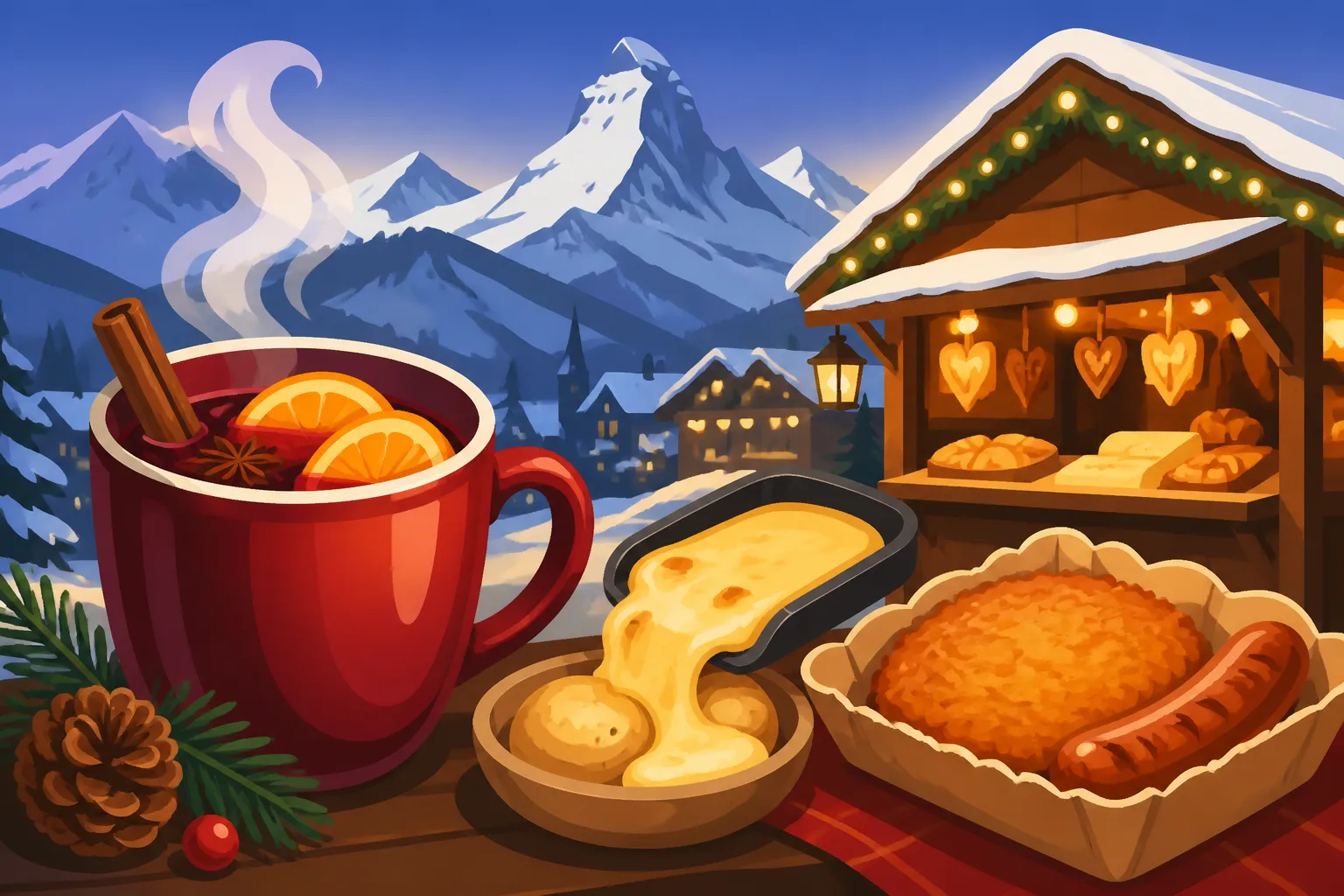
At its heart, Glühwein is indeed mulled wine, but the Swiss version often has its own distinct flair. Picture this: a robust red wine (though white Glühwein is also gaining popularity, particularly in the German-speaking regions), gently heated – never boiled, mind you, or it loses its alcohol and flavour – with a medley of aromatic spices. Think whole cinnamon sticks, star anise, cloves, a generous amount of orange peel, and often a touch of sugar or honey. Each vendor at a market might have their own secret recipe, passed down through generations, resulting in subtle variations that make trying different stalls part of the fun.
The smell alone is enough to transport you. It’s comforting, spicy, and utterly festive. While it's certainly alcoholic, usually hovering around 8-12%, it's more about the warmth and the spices than a potent kick. For those who prefer to keep things non-alcoholic or are visiting with little ones, fear not! Most markets offer Punsch or Kinderpunsch, a delightful spiced fruit punch that mimics the warmth and festive flavour without the alcohol. It's often made with apple or berry juice and the same wonderful spices, ensuring everyone can partake in the warming ritual. When you buy a Glühwein, you'll typically pay a Pfand (deposit) for the mug or Tasse. This system is everywhere in Switzerland, so don't be surprised. You get your money back when you return the mug, or you can keep it as a charming, if slightly sticky, souvenir. It's a pragmatic Swiss solution to waste and also gives you a nice little memory of your market visit.
Where to Find the Best Glühwein Experiences
You won't have to look far to find Glühwein during the winter months, but some places offer a truly exceptional experience.
- Christmas Markets: This is the obvious, quintessential spot. Cities like Zurich, Basel, and Montreux host some of the most famous Christmas markets, each with its own unique charm and, of course, countless Glühwein stalls. In Zurich, the "Wienachtsdorf" at Sechseläutenplatz, with the illuminated city backdrop, is a popular choice. Basel's market in the picturesque Barfüsserplatz and Münsterplatz is renowned for its festive ambiance. Over in the French-speaking part, Montreux Noël is famous for its lakeside setting and Santa flying overhead. Each market offers variations on the classic, so you could spend an entire evening just sampling and comparing. It’s part of the fun, a social lubricant that brings people together despite the cold. If you're planning a trip to another city for its market, consider platforms like Omio for your train tickets – it's often the most convenient way to travel around Switzerland.
- Ski Resorts and Mountain Huts (Hütten): After a day carving up the slopes or enjoying a leisurely snowshoe hike, there's nothing quite like stopping at a cosy mountain hut for a restorative Glühwein. The views are often breathtaking, and the warmth of the spiced wine feels particularly earned. Many resorts have pop-up bars or Apéro spots right on the slopes or at the base, making it easy to grab a cup. It's a wonderful way to experience another facet of Switzerland in Winter: Snow Sports, Markets, and Alpine Towns.
- DIY at Home: Once you've had your fill at the markets, you might be inspired to try making your own Glühwein. It’s a surprisingly simple process. Grab a decent, inexpensive red wine (you don't need anything fancy), some cinnamon sticks, cloves, star anise, orange slices, and a touch of brown sugar or honey. Simmer it gently on the stove, and your home will be filled with an incredible festive aroma. It’s perfect for a cosy evening in, perhaps after a long day of exploring or just to fend off the winter chill.
A Culinary Journey: Essential Winter Market Foods to Try
Beyond the warming embrace of Glühwein, Swiss winter markets are a treasure trove of hearty and sweet delights. These aren't just snacks; they're an integral part of the experience, designed to fill your stomach and lift your spirits in the chilly weather. If you're a fan of Swiss Food and Drink Culture: Regional Specialties and Dining Etiquette, you'll find plenty to love here.
Savory Delights: Hearty Treats to Combat the Cold
When the temperatures drop, the Swiss know how to serve up comfort food. The markets are an ideal place to sample traditional dishes, often served quickly and informally.
- Raclette: This is arguably the king of Swiss market foods. Forget the fancy restaurant setup with individual raclette grills. At the markets, you'll find huge half-wheels of Raclette cheese, slowly melting under a special heater. A skilled vendor will scrape the gloriously gooey, browned cheese directly onto a plate of small, boiled potatoes, often accompanied by pickled gherkins and pearl onions. The aroma is utterly irresistible, and the taste is pure, unadulterated cheesy heaven. It’s simple, satisfying, and authentically Swiss. You can find this staple at almost every major market.
- Bratwurst and Other Sausages: A classic grilled sausage is a must-try. The iconic St. Gallen Bratwurst is often served in a Bürli (a small, crusty bread roll), usually without mustard if you want to eat it the traditional way (locals will often raise an eyebrow at mustard, but hey, you do you!). You'll also find other regional sausages, like Servelat (Switzerland's national sausage) or spicy options, all grilled to perfection and served piping hot. They’re quick, easy to eat while standing, and perfectly complement a Glühwein.
- Flammkuchen (Tarte Flambée): While technically an Alsatian specialty (which borders Switzerland), Flammkuchen has firmly established itself at Swiss markets, especially in Basel and other German-speaking regions. Imagine a paper-thin crust, generously spread with crème fraîche, topped with thinly sliced onions and crispy bacon bits, then baked in a wood-fired oven until bubbly and slightly charred. It’s light yet incredibly flavourful, a fantastic alternative to the heavier cheese dishes.
- Maroni (Roasted Chestnuts): The distinctive sweet, smoky smell of Maroni stands is one of the most iconic signs of winter in Switzerland. Vendors roast chestnuts over an open fire, serving them hot in paper cones. They're soft, warm, and slightly sweet, making them the perfect snack to nibble on as you wander through the bustling market. Just be careful, they're often very hot when first served!
- Kartoffelpuffer / Rösti: These crispy potato pancakes or fritters are a delightful treat. Often served with a dollop of apple sauce (Apfelmus) or, for the more savory palate, with a sprinkle of salt and pepper. They're golden brown, crispy on the outside, and soft on the inside – pure fried potato goodness that provides a warming crunch.
Swiss Winter Market Savory Checklist
| Dish | Description | Typical Serving | Price Range (CHF) |
|---|---|---|---|
| Raclette | Melted cheese scraped onto potatoes, gherkins, pearl onions | Plate | 12 – 18 |
| Bratwurst | Grilled pork sausage, often in a Bürli (bread) | In a roll or on a plate | 8 – 12 |
| Flammkuchen | Thin-crust tart with crème fraîche, onions, bacon | Flatbread slice | 10 – 15 |
| Maroni | Hot roasted chestnuts | Paper cone | 5 – 8 |
| Kartoffelpuffer | Crispy potato fritters, often with apple sauce | Small plate / Paper bag | 8 – 12 |
Sweet Indulgences: Satisfying Your Winter Cravings
After all the savory goodness, you'll undoubtedly crave something sweet. Swiss markets offer a charming array of sugary treats that perfectly round off your culinary tour.
- Magenbrot: Don’t let the name (literally "stomach bread") deter you; this is a delightful, small, soft gingerbread-like cake, often glazed with a dark chocolate or sugar coating. It's spiced with cinnamon, cloves, and anise, giving it a distinctive flavour. You'll find it sold by weight or in small bags, perfect for sharing (or not!).
- Zimtsterne (Cinnamon Stars): These iconic Swiss Christmas cookies are heavenly. Made with ground almonds, cinnamon, and a delicate meringue icing, they are naturally gluten-free and have a wonderful chewiness. While you can buy them in supermarkets, fresh ones from a market stall are a special treat. They encapsulate the very essence of Swiss Christmas baking.
- Gebrannte Mandeln (Roasted Almonds): The irresistible smell of sugar-coated, caramelised almonds roasting in large copper kettles is another hallmark of a Swiss Christmas market. These hot, crunchy, sweet nuts are addictive and utterly delicious, often sold in paper bags that you can carry around and snack on. They're a simple pleasure that hits all the right notes.
- Churros: While not originally Swiss, these Spanish-style fried dough pastries have become a popular fixture at many larger markets. Served hot and dusted with sugar, they're often accompanied by a generous helping of warm chocolate sauce or Nutella. They offer a satisfyingly crispy exterior and a soft, fluffy interior.
- Lebkuchen: Similar to gingerbread, Lebkuchen are often larger, heart-shaped cookies decorated with festive icing, sometimes with messages. They're more about the visual appeal and a gentle sweetness rather than intense spice. They make for a lovely souvenir or a quick sugar fix.
Navigating Swiss Winter Markets: Tips for Expats
Visiting a Swiss Christmas market is generally a joy, but knowing a few local quirks can make your experience even smoother and more enjoyable. It's a wonderful way to connect with the local culture and embrace Swiss Customs and Etiquette: Social Norms Every Newcomer Should Know.
Understanding the Pfand System and Local Customs
One of the first things you'll encounter is the Pfand (deposit) system, especially for your Glühwein mugs. When you buy a drink, you pay the price of the drink plus a small deposit (typically CHF 2-5) for the mug. This is an environmental measure, encouraging reuse and reducing waste.
- Returning your Tasse: Once you’re done, you can return your mug to any stall selling drinks (or sometimes dedicated return points) to get your deposit back. Don't just leave it on a table or throw it away – that's a definite no-no and you'll forfeit your deposit! It's a system you'll also see for beer glasses at summer festivals.
- Cash vs. Card: While many stalls are now equipped for card payments and mobile apps like The Best Mobile Payment Apps in Switzerland If You Don't Have TWINT, it's always a good idea to carry some cash (CHF 20 or 50 notes are usually fine, smaller coins for exact change). Smaller, independent vendors, especially at less touristy markets, might still prefer or only accept cash.
- Crowds and Timings: Swiss Christmas markets can get very busy, especially on Friday evenings and weekends. If you prefer a more relaxed experience, try visiting on a weekday afternoon or earlier in the evening. This also applies to the most popular food stalls, where queues can form quickly.
- Dress Warmly! This might seem obvious, but it bears repeating. Swiss winters are cold, especially in the evenings when you're standing around outside. Layer up! Think thermal underwear, a warm sweater, a proper winter coat, hat, gloves, and waterproof boots. You’ll thank yourself when you’re sipping your Glühwein comfortably, rather than shivering.
Beyond the Food: What Else to Expect
While the food and drink are undeniably a huge draw, Swiss winter markets offer so much more. They are vibrant cultural hubs that transform city squares into festive wonderlands.
- Handicrafts and Local Artisan Products: Take some time to browse the stalls. You’ll find beautifully crafted wooden toys, delicate jewellery, handmade candles, festive decorations, and often local specialty items like artisanal honey or regional cheeses. These make for unique gifts or lovely souvenirs. It's a chance to see Swiss craftsmanship up close, far from the polished windows of Bahnhofstrasse.
- Atmosphere and Entertainment: Many markets feature live music, often traditional Swiss choirs or brass bands playing carols. You might find small carousels for children, storytelling corners, or even an ice rink, depending on the market's size. The twinkling lights, the festive music, and the general buzz create an unparalleled ambiance. It's a perfect place for families, with plenty of activities to keep little ones entertained.
- Planning Your Market Trip: Some expats enjoy making a full weekend out of visiting the larger markets, perhaps combining it with a stay in a new city. For those looking to make a proper weekend trip out of their market adventure, checking platforms like Booking.com for accommodation well in advance is a smart move, especially for popular cities during the festive season. You can also explore different markets across the cantons using your The Half-Fare Travelcard (Halbtax): The Must-Have Pass for Swiss Residents on the excellent public transport network. Whether you're planning on exploring Public Transport in Zurich: ZVV Zones, Tickets, and Night Service to get to the main markets or venturing further afield, the SBB system makes it easy.
So, wrap up warm, bring your appetite, and prepare to immerse yourself in the wonderful world of Swiss Glühwein and winter market food. It’s an experience that truly captures the magic of the season in this beautiful country.
Disclaimer
The information provided in this guide is for general informational purposes only and is subject to change. While we strive to provide accurate and up-to-date content, specific prices, opening hours, and availability of items at Swiss winter markets can vary by vendor, location, and year. Always check local listings and conditions for the most current details. Enjoy your market visits responsibly!