Switzerland’s Most Photogenic Villages for a Day Out
Let's be real, you moved to or are visiting Switzerland because you saw those jaw-dropping photos online, right? The ones with the perfect chalets, the imposing mountains, the shimmering lakes. But when you get here, sometimes finding that exact postcard-perfect spot amidst the tourist bustle or the relentless Swiss efficiency can feel a bit like trying to find a quiet corner at Zürich HB on a Friday evening. It's beautiful, but where are the truly photogenic villages that just beg to be captured? This guide is your personal tour, hand-picking those spots where every angle is a masterpiece, offering you insider tips on how to get there, what to look for, and how to get that perfect shot without feeling like you're on a crowded film set.
Why Switzerland's Villages Are a Photographer's Dream (and a Tourist's Delight)
There’s just something about Switzerland, isn’t there? It’s not just the dramatic peaks or the impossibly blue lakes; it’s often those charming, seemingly untouched villages that truly steal the show. They represent that quintessential Swiss aesthetic we all dream of, but they also offer unique challenges and rewards for the keen photographer.
The Quintessential Swiss Aesthetic
When we talk about Switzerland being photogenic, it's not just a cliché. It’s a deep-seated reality built on centuries of tradition meeting unparalleled natural beauty. You've got the traditional wooden chalets, often adorned with geraniums, nestled against a backdrop of snow-capped mountains that look like they've been painted by a master. The church spires reaching skyward, the cowbells tinkling in the distance, the pristine quality of the air that gives everything a crisp, almost unreal clarity. Every season paints these villages in a new light, too. Imagine the vibrant greens of summer, the fiery reds and golds of autumn, or the magical, hushed whites of a winter wonderland. It’s this blend of human history and raw, powerful nature that makes a Swiss village so incredibly alluring to a camera lens. But here’s the rub: sometimes, the very "perfection" can feel a bit staged, a bit too well-maintained. The trick is to find those spots where the authenticity shines through, where the charm hasn't been buffed to a commercial sheen.
Navigating the Photo Hunt: Tips for Your Day Trip
Embarking on a village photography expedition requires a bit of strategy, especially if you want to avoid the peak-season crush and capture that serene, undisturbed feel. Trust me, nothing ruins a perfect landscape shot faster than a busload of tourists in matching rain jackets.
Firstly, timing is everything. The "golden hours" – early morning and late afternoon – are your best friends. The light is softer, more forgiving, and creates those beautiful long shadows that add depth and drama. Plus, you’ll find fewer people wandering around before 9 AM or after 5 PM. Consider visiting during the shoulder seasons (late spring or early autumn) rather than the bustling summer or ski months. You’ll still get fantastic weather, but with considerably smaller crowds.
Getting to these gems often means embracing Switzerland's phenomenal public transport system. Many of the most enchanting villages are car-free, meaning you’ll arrive by train, funicular, or cable car, which is an experience in itself. Using an app like Omio can help you plan your journey seamlessly, combining different modes of transport to get you right to the heart of these picturesque locations. If you’re planning a few such trips, definitely look into getting a Half-Fare Travelcard (Halbtax): The Must-Have Pass for Swiss Residents or even considering if the SBB Travelcards: Is the Generalabonnement (GA) Worth the CHF 4000+ Cost? is right for your travel style. These can significantly cut down on your costs and make exploring a breeze.
Finally, come prepared. This isn’t just about your fancy camera gear. You’ll be doing a lot of walking, often on cobblestones or inclines, so comfortable shoes are non-negotiable. Layers are also key, as mountain weather can change on a dime. And don't forget to check the Weather Apps and Webcams for Planning Swiss Mountain Trips before you head out, because a sunny forecast in the valley can mean a completely different story up in the Alps.
Alpine Icons: Villages Nestled in Majestic Mountainscapes
There's no denying the allure of a Swiss village literally carved into the side of a mountain, surrounded by giants. These are the places that often make it onto calendars and postcards, and for good reason. They offer a specific kind of drama and charm that only the Alps can provide.
Zermatt: Where the Matterhorn Dominates the Frame
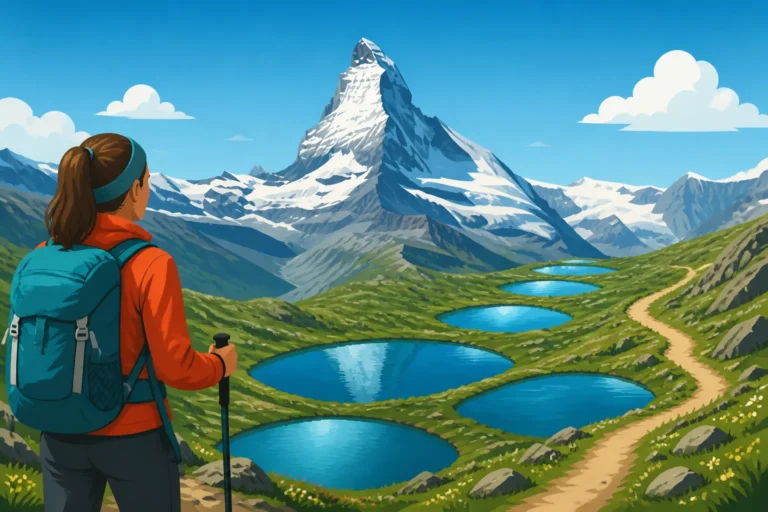
Ah, Zermatt. The name itself conjures images of the iconic Matterhorn, standing sentinel over a village that feels both rustic and chic. What makes Zermatt a photographer's absolute dream is its car-free status and the omnipresent, unmistakable silhouette of the Matterhorn. As you step off the train (you’ll have to park your car in Täsch and take a shuttle, which is part of the magic), you’re immediately immersed in a world of traditional Valais chalets, narrow winding streets, and the quiet hum of electric taxis.
The Matterhorn, of course, is the star. For classic shots, head up to the Gornergrat or Sunnegga via cogwheel train or funicular. From these vantage points, you get panoramic views of the peak and the surrounding glaciers. Early morning at Sunnegga, when the first rays of sun hit the Matterhorn, is absolutely breathtaking and truly worth the early wake-up call. But don't just focus on the big mountain! The village itself is a treasure trove. Wander through the old part of Zermatt, where you'll find ancient wooden barns and houses that date back centuries, providing a beautiful contrast to the modern boutiques. Look for reflections of the Matterhorn in the Riffelsee or the Stellisee on a calm day for those perfect mirror images. Even simple shots of the Zermatt streets, with their intricate window boxes and the faint hint of the Matterhorn peering over rooftops, capture a unique essence. It's genuinely Exploring Zermatt: Car-Free Living Under the Matterhorn at its best.
Wengen: A Car-Free Haven in the Jungfrau Region
Just a stone's throw (or rather, a picturesque train ride) from the bustling hub of Interlaken, you'll find Wengen. This car-free village is an absolute gem in the Jungfrau Region, offering utterly spellbinding panoramic views over the Lauterbrunnen Valley, complete with its towering cliffs and cascading waterfalls, and the magnificent peaks of the Eiger, Mönch, and Jungfrau. Trust me, the air here just feels different, cleaner, calmer.
The absence of cars means that the only sounds you’ll hear are the gentle rumble of the Wengernalp Railway, the distant cowbells, and the occasional whir of a paraglider. This tranquility is a huge part of its photogenic appeal. You can wander the streets without the constant distraction of traffic, allowing you to truly compose your shots. Look for charming wooden chalets with intricate carvings and vibrant flower displays, perfectly framed by the dramatic mountain backdrop. One of the best photo opportunities is the leisurely walk from Wengen to Männlichen, which offers continuous, unobstructed views of the valley and the "Big Three" mountains. From the plateau, the view down into the Lauterbrunnen Valley is simply unmatched, especially on a clear day. For a different perspective, consider a walk towards the village church, perched on a hill, providing classic shots of Wengen nestled among the pines with the snow-capped peaks behind. This area truly exemplifies Exploring Interlaken: Gateway to the Jungfrau Region, not just for its famous peaks, but for these charming, accessible mountain communities.
Lakeside & Riverside Postcards: Water, History, and Charm
While the Alps grab most of the headlines, Switzerland's lakes and rivers are equally capable of cradling villages of breathtaking beauty. These spots offer a different kind of photographic splendor, where the calm of the water reflects architectural gems and vibrant local life.
Morcote: Switzerland's Most Beautiful Italianate Village
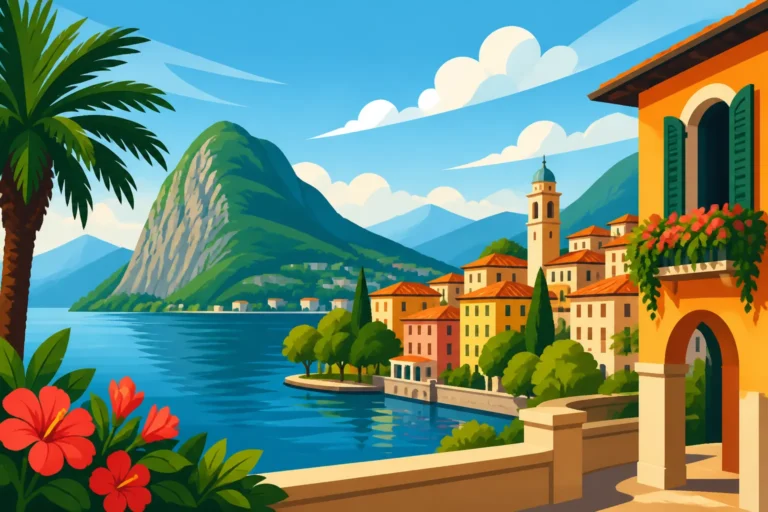
Head south to the Canton of Ticino, and you'll discover Morcote, often hailed as Switzerland's most beautiful village. And honestly, it’s hard to argue. This place oozes Italianate charm, a stark and delightful contrast to the Germanic feel of the north. Situated directly on the shores of Lake Lugano, Morcote is a cascade of terraced houses, ancient arcades, and winding alleyways that tumble down to the tranquil water.
What makes Morcote so irresistibly photogenic? It's the interplay of light and shadow on its ochre and terracotta facades, the vibrant blooms spilling from window boxes, and the serene lake providing a shimmering foreground or backdrop. Start your photo adventure by strolling along the lakeside promenade, capturing the quaint port and the reflections on the water. For truly epic shots, climb the 400+ steps (yes, it’s a workout, but oh-so-worth-it!) to the Church of Santa Maria del Sasso. From here, you’ll get an elevated, sweeping view of the entire village, the lake, and the surrounding hills – it’s a panoramic vista that will fill your memory card with stunning images. Don't forget to explore the Parco Scherrer, a botanical garden filled with exotic plants, sculptures, and architectural pieces, offering unique photo ops with Lake Lugano as a backdrop. This village is a feast for the eyes, full of subtle details and grand vistas. You might even find yourself wanting to extend your day trip to an overnight stay, and Booking.com is a reliable option to find a lovely spot right by the lake.
Stein am Rhein: A Medieval Masterpiece with Painted Facades
Prepare to have your jaw drop in Stein am Rhein. Located where the Rhine River flows out of Lake Constance, this small town is an incredibly preserved medieval masterpiece. What truly sets it apart and makes it a photographer’s dream are its vibrant, intricately painted facades. Every building in the main square, Rathausplatz, tells a story through its frescoes, depicting historical events, allegories, and local life.
Walking through Stein am Rhein feels like stepping onto a movie set from a bygone era, only it's all real. The half-timbered houses, the cobblestone streets, the detailed bay windows – every corner is a photo opportunity. The beauty lies in the meticulous details, so bring a good zoom lens! Capture the intricate paintings on the houses like "Weisser Adler" (White Eagle) or "Rathaus" (Town Hall). Then, stroll along the Rhine riverbank, where you can get lovely shots of the town reflected in the water, perhaps with some swans gliding by. For a higher perspective, a short walk up to the former Benedictine monastery of St. George’s Abbey provides a great view over the rooftops. You could even explore the area with a guided tour booked through GetYourGuide to learn more about the history behind these stunning murals. The sheer density of historical beauty here makes it an unparalleled spot for photographers interested in architecture and history.
Spiez: Castle, Lake, and Vineyards on Lake Thun
Often overshadowed by its more famous neighbors, Spiez is a captivating village on Lake Thun that absolutely deserves a spot on your photogenic list. It boasts a unique, picturesque bay, an iconic medieval castle, and lush vineyards, all harmoniously blending with the deep blue waters of the lake and the surrounding peaks. It's less 'chocolate box' perfect than some, but its authentic charm and diverse landscapes offer endless photographic possibilities.
The defining feature of Spiez is its stunning setting on the lake, creating a natural amphitheater of beauty. Your first shots should definitely be of the magnificent Spiez Castle, majestically perched on a promontory, seemingly floating above the vineyards and the bay. You can capture it from the lake itself if you take a boat tour (highly recommended!), or from the lakeside promenade. Wander through the castle grounds for different angles, especially looking down at the marina and the town. Don't miss the picturesque Spiez bay with its quaint church, which offers a tranquil scene, particularly in the morning mist or at sunset. For a wider vista, hike up into the surrounding vineyards. From these elevated spots, you’ll get sweeping views of the entire bay, the castle, and the glistening lake stretching out towards Interlaken. The contrasting elements of historic architecture, natural beauty, and agricultural landscape make Spiez a truly special and varied location for photography.
Quaint & Quintessential: Villages with Unique Cultural Character
Beyond the grand alpine vistas and serene lakesides, Switzerland also offers villages that shine with a unique cultural vibrancy, where local traditions and distinctive aesthetics paint a charming picture. These are the places that give you a true taste of specific Swiss regional identities.
Appenzell: A Canvas of Tradition and Painted Houses
Step into Appenzell, and you might feel like you’ve walked into a storybook. This capital of the Canton of Appenzell Innerrhoden is famous for its vibrant, colorfully painted facades that adorn the buildings around its main square. It’s a celebration of traditional Swiss rural culture, visible in every detail.
What truly captivates photographers here are the lively, often whimsical frescoes depicting local customs, historical scenes, and everyday life. Take your time to walk around the Hauptgasse and Landsgemeindeplatz, capturing the intricate details of these artistic expressions. Each building is a canvas, telling a story that's uniquely Appenzeller. Beyond the painted houses, the village itself has a charming, almost dollhouse-like quality with its traditional shops selling local cheese, crafts, and the famous Appenzeller Alpenbitter. For a different type of shot, venture just outside the village. The surrounding Appenzell hills are a patchwork of rolling green pastures dotted with traditional farmhouses and cows wearing enormous bells. It’s an idyllic, pastoral landscape that contrasts beautifully with the colorful village center. Capturing a lone farmhouse with the rolling hills and distant peaks, perhaps with a touch of morning mist, truly embodies the region's serene beauty. Don't be surprised if you catch glimpses of locals in traditional attire, especially during Sunday strolls or local festivals – it adds an extra layer of authenticity to your photographs.
Gruyères: A Fairytale Medieval Hilltop Town
While Appenzell is known for its painted houses, Gruyères transports you straight into a medieval fairytale. Perched majestically on a hilltop, this car-free town in the canton of Fribourg is less about modern polish and more about ancient charm. It’s the kind of place where you half expect a knight in shining armor to gallop down the cobblestone streets.
The photogenic appeal of Gruyères lies in its incredibly well-preserved medieval architecture and its dramatic setting. Start by capturing the iconic view of the town and its imposing castle as you approach it from below – that panoramic shot, often shrouded in mist, is truly magical. Once inside the town walls, every cobblestone street, every ancient fountain, and every stone building offers a compelling photographic subject. The impressive Gruyères Castle itself is a focal point, both from the outside and from its internal courtyards and ramparts, which offer views of the surrounding pre-Alps. Wander through the narrow alleyways, finding hidden corners and charming details like old wooden doors or rustic signs. Even the famous cheese-making history is tied into the visual narrative; you can almost smell the fondue just by looking at the traditional restaurants. While it's famed for its cheese and chocolate, for photographers, it's the sheer historical atmosphere and the almost cinematic setting that make it a standout. You can find tours on GetYourGuide that combine a visit to the castle with a chocolate or cheese tasting, offering a full sensory experience alongside your visual feast.
Photogenic Villages at a Glance
To help you plan your day trips and photo expeditions, here's a quick overview of our hand-picked photogenic villages:
| Village Name | Canton | Primary Photogenic Highlight | Best Way to Arrive | Key Photo Spots |
|---|---|---|---|---|
| Zermatt | Valais | Matterhorn views, car-free alpine village | Train (from Täsch) | Gornergrat, Sunnegga, Old Zermatt, Riffelsee |
| Wengen | Bern | Lauterbrunnen Valley, Eiger, Mönch, Jungfrau views, car-free | Train (from Lauterbrunnen) | Männlichen walk, village church, chalets |
| Morcote | Ticino | Italianate architecture, Lake Lugano, terraced village | Bus, Boat, Car | Church of Santa Maria del Sasso, lakeside, arcades |
| Stein am Rhein | Schaffhausen | Painted medieval frescoes, Rhine River | Train | Rathausplatz, Rhine riverfront, St. George’s Abbey |
| Spiez | Bern | Castle, Lake Thun bay, vineyards | Train, Boat | Spiez Castle, lakeside promenade, vineyards |
| Appenzell | Appenzell I.Rh. | Painted village facades, traditional culture, rolling hills | Train | Hauptgasse, Landsgemeindeplatz, surrounding hills |
| Gruyères | Fribourg | Medieval hilltop castle town, cobblestone streets | Train + Bus | Gruyères Castle, town walls, panoramic views |
Switzerland, my friends, is more than just mountains and cheese – it’s a living, breathing album of picture-perfect villages waiting for you to capture their soul. Whether you’re drawn to the drama of the Alps, the serene reflections of a lakeside gem, or the vibrant tapestry of cultural tradition, these villages offer endless inspiration for your lens. So grab your camera, pack your bags, and get ready to create some unforgettable memories (and stunning photographs!). Happy exploring!
Disclaimer
Please remember that while I strive to provide accurate and up-to-date information based on my experience and web searches, conditions in Switzerland can change. Always double-check opening hours, public transport schedules, and any local regulations before you travel. My advice is for informational purposes only and does not constitute professional or legal guidance.