Cheapest Way to Ski for a Day from Zurich Without a Car
Oh, the allure of those snow-capped peaks! When you first arrive in Zurich, gazing out at the distant Alps, the dream of a spontaneous ski day can feel incredibly potent. Then you start looking into it, and the sheer cost, especially without a car, can feel like a cold shower. It’s a common expat dilemma: how to embrace the quintessential Swiss winter experience without emptying your bank account or getting tangled in complicated logistics. This guide is here to unravel the mystery and show you precisely how to make that budget-friendly ski day from Zurich a reality, all while relying solely on Switzerland’s fantastic public transport network.
The Public Transport Reality and Its Perks
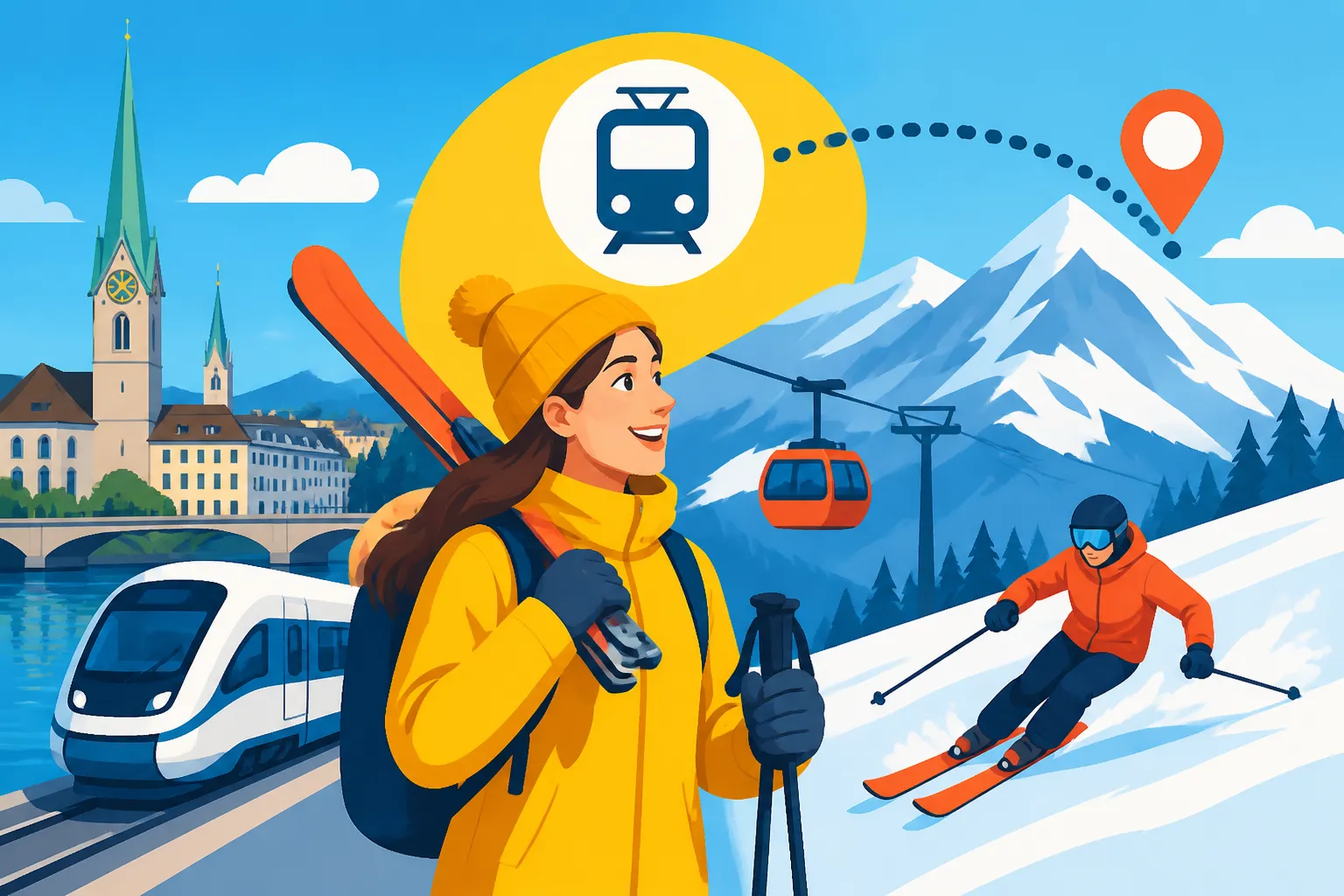
Let's be honest, Switzerland's public transport system, run primarily by the SBB (Swiss Federal Railways), is legendary. It’s clean, it’s punctual, and it will get you almost anywhere. But it’s also, shall we say, robustly priced. For us expats, that initial sticker shock for a train ticket can sometimes make you question your life choices. However, for a ski day trip without a car, it’s not just a convenience; it's often the most practical and, with the right strategy, the most economical way to go. Forget driving on icy mountain roads, navigating unfamiliar passes, or paying exorbitant parking fees at popular resorts. The train and post bus combination is often your best bet, delivering you right to the base of the slopes, sometimes even with your skis already checked in.
Understanding the Swiss Rail Network and Mountain Access
The beauty of the Swiss public transport network is its seamless integration. You hop on a train in Zurich, and often, a dedicated PostBus or local bus will be waiting at a key interchange station, ready to whisk you directly up to the ski resort entrance. Many of the larger, more popular resorts are exceptionally well-connected, almost as if they were designed with car-free visitors in mind. For example, destinations like Flumserberg or Stoos are prime examples where the train gets you close, and then a quick bus or even a cable car connection completes the journey directly to the lifts.
This integrated system means you don't need to worry about snow chains, finding parking, or even driving after a tiring day on the slopes. You can relax, enjoy the stunning scenery flashing by your window, and even catch a nap on the way back. It’s an experience in itself, transforming the journey into part of the adventure. Just make sure to check the exact connections in advance, especially for early morning starts or late evening returns, as some PostBus services might be less frequent outside peak hours.
The Cost of Convenience: SBB Tickets and Travelcards
Here’s where a bit of planning really pays off. A standard, full-fare return ticket from Zurich to a typical ski resort can easily set you back CHF 50-80, sometimes even more. That’s a significant chunk of your budget before you’ve even thought about a ski pass or rental gear. This is why most seasoned residents here will tell you that a The Half-Fare Travelcard (Halbtax): The Must-Have Pass for Swiss Residents is practically non-negotiable if you plan on doing any amount of exploring by train. It costs around CHF 185 per year, and instantly cuts all your train, bus, boat, and some mountain transport tickets in half. For just one return trip, it often pays for itself.
While the Half-Fare Card is fantastic, if you're only making one or two ski trips in a year, or if you're trying to keep costs absolutely minimal for just this one day, there are other strategies. We'll dive into those below. For most others, the Half-Fare card is a given. And for those truly hardcore travelers, while a SBB Travelcards: Is the Generalabonnement (GA) Worth the CHF 4000+ Cost? offers unlimited travel, it's certainly not the "cheapest" option for a singular ski day, but it does make every day trip free.
Identifying Budget-Friendly Ski Resorts Accessible from Zurich
When you're trying to ski on a budget, your choice of resort is paramount. Forget the glitz and glamour of Zermatt or Verbier for a day trip; their lift pass prices alone can buy you several days at a smaller, more local mountain. The trick is to find resorts that are a reasonable distance from Zurich (meaning not too many expensive train changes), offer good value for their ski passes, and are easily reached by public transport.
Top Picks for Day Trips without a Car
Here are a few gems that fit the bill for an economical and car-free ski day from Zurich:
- Flumserberg: This is probably the most popular and accessible budget-friendly option from Zurich. It's about an hour's train ride to Ziegelbrücke, followed by a direct PostBus up to Tannenboden or Flumserberg Tannenheim. The resort itself is excellent, with a good mix of slopes for all levels, and lift pass prices are generally more reasonable than the major Engadin or Valais resorts. It also frequently participates in SBB's "Snow'n'Rail" offers, which can combine your train ticket and ski pass for a discount.
- Sattel-Hochstuckli: A fantastic choice, especially for families or beginners. It’s closer, about 45-60 minutes by train to Sattel-Aegeri, then a short walk or shuttle to the gondola. This resort is known for its revolving gondola, a charming hanging bridge, and gentle slopes perfect for honing your skills or just having a relaxed day. Lift pass prices are often significantly lower than larger resorts, making it a true budget champion.
- Hoch-Ybrig: Another solid, often overlooked option in Central Switzerland. The journey involves a train to Einsiedeln, then a PostBus to Hoch-Ybrig. It offers a decent range of slopes and can be less crowded than Flumserberg, which is a big plus on a busy winter weekend. Its proximity means shorter travel times, which also contributes to a less exhausting and potentially cheaper day.
- Stoos: While perhaps slightly pricier on the lift pass, the sheer experience of taking the steepest funicular in the world up to Stoos is worth it. It’s an easy train to Schwyz, then a quick bus to the funicular station. The resort itself is car-free and charming, with lovely views and well-maintained slopes. Keep an eye out for package deals that might bring the cost down.
How to Research and Compare Resort Costs
Before you commit, it's vital to do a bit of homework. Start by checking the official websites of these resorts. They often have dedicated sections for "Angebote" (offers) or "Packages" where you might find deals bundling a ski pass with equipment rental or even a meal. Look for dynamic pricing – many resorts now offer cheaper passes if you buy them weeks in advance online, rather than at the ticket counter on the day.
While I generally focus on direct bookings for the cheapest options, if you're new to the SBB system, you might find platforms like Omio useful for visualizing train connections and comparing basic ticket prices quickly. They show various travel options, though for the best discounts, especially on combined "Snow'n'Rail" offers, the SBB website itself is usually the primary source. For guided tours or all-inclusive packages (which are usually NOT the cheapest way but convenient), platforms like GetYourGuide could be an option, but expect a premium for that added service. Always verify that any package explicitly includes all transport components if that's what you're after.
The Cheapest Way to Get There: Leveraging SBB Discounts and Strategies
This is where the real savings magic happens for car-free ski trips. Switzerland's public transport might be expensive at face value, but SBB offers several smart ways to significantly reduce the cost of your journey, especially if you plan ahead.
The Power of Saver Day Passes and Supersaver Tickets
If you don't have a Half-Fare Card, or even if you do, these are your absolute best friends for budget travel.
The Saver Day Pass (Spartageskarte): How Residents Save on Day Trips is a golden ticket. It allows unlimited travel on the entire SBB network for a full day, much like a mini-GA. The catch? You must buy it well in advance, sometimes up to 60 days, and the price fluctuates based on demand and how far out you book. The cheapest ones (often around CHF 29 with Half-Fare, CHF 52 without) sell out quickly, especially for popular weekend dates. If you snag one, your entire return journey to almost any resort is covered. This can slash your travel costs by 50-70%.
Then there are Supersaver Tickets on SBB: How to Find the Cheapest Train Fares. These are specific to a particular route and time. Unlike the Saver Day Pass, they don't cover the entire network, and you're tied to your chosen connection. They can be slightly less flexible but sometimes offer even steeper discounts for a specific journey. You can find these on the SBB Mobile app or website, marked with a percentage discount. The key for both is flexibility with your travel times and booking as early as humanly possible. Don't wait until Friday for a Saturday trip; those cheap tickets will be long gone.
Package Deals and Group Travel Options
Beyond individual tickets, look out for "Snow'n'Rail" offers from SBB. These are often partnerships between SBB and specific ski resorts, bundling your return train journey and a day ski pass into a single, discounted package. These can represent excellent value, sometimes saving you 20-30% compared to buying each component separately. You'll typically find these advertised on the SBB website during winter, often featuring resorts like Flumserberg, Arosa, or Engelberg.
If you’re traveling with friends, consider group tickets. While not always a huge discount, for groups of 10 or more, SBB offers special group rates. For smaller groups, sometimes simply buying tickets together on the SBB app can result in minor savings, especially if you're combining Supersaver Tickets. The takeaway here is to always check the SBB website and app diligently for promotional offers before you buy anything else. Don't be shy about comparing prices: a Snow'n'Rail offer might beat a separate Saver Day Pass plus a standard ski pass, so do the math!
Budgeting Beyond the Journey: Ski Pass, Rental, and Food Savings
Okay, so you've nailed the transport with a clever Saver Day Pass. Excellent! But remember, the journey is only part of the cost equation. Skiing in Switzerland involves several other significant expenses that can quickly add up, turning your "cheap" day into a hefty bill if you're not careful.
Finding Affordable Ski Passes and Equipment Rentals
The ski pass itself is often the biggest cost after transport. As mentioned, buying online in advance, especially with dynamic pricing systems, can save you a fair bit. Some resorts offer half-day passes, which might be an option if you plan a shorter day on the slopes. However, for a full day, expect to pay anywhere from CHF 40-80+ for a standard adult day pass at the budget-friendly resorts we discussed. Always check the resort's website directly for their latest prices and any early-bird or online-only discounts.
When it comes to equipment rental, you have a few options, each with its own cost implications.
- Rent at the resort: This is convenient, as you pick up your gear right by the slopes. Prices can range from CHF 40-70+ for a basic ski set (skis, boots, poles) for a day. Look for rental shops that offer a "package" deal.
- Rent from a sports shop in Zurich: Shops like Intersport or local independent stores in Zurich often offer seasonal rentals, which are great if you plan to ski multiple times. For a single day, they might be slightly cheaper than the resort, but then you have to lug the gear on the train, which isn't ideal for a "cheapest and easiest" day. Check out Renting Ski Equipment in Switzerland: Costs and Where to Book for more details.
- Buy second-hand: For true budgeteers who plan to ski often, checking out platforms like Tutti.ch or Ricardo.ch for used gear, or visiting a "Brocki" (thrift store) can be incredibly cost-effective in the long run, but it's not practical for a spontaneous first day trip.
Remember, if you're a beginner, some resorts offer packages that include a beginner's lift pass (for specific, easier lifts) and rental equipment, which can be a good value. Consider looking into Skiing for Beginners in Switzerland: Lessons, Gear, and Resorts if it's your first time on skis.
Smart Food Choices and Other Hidden Costs
Here's the often-overlooked budget killer: food and drink at ski resorts. A simple lunch, like a plate of pasta or a sausage with fries, plus a drink, can easily cost CHF 25-40 per person at a mountain restaurant. Do this twice, and your savings on travel tickets vanish.
The absolute cheapest strategy is to pack your own lunch and snacks. Make sandwiches, bring some fruit, nuts, and a thermos of hot tea or coffee from home. Many resorts have picnic areas or benches where you can eat your packed lunch while enjoying the view. If you absolutely must buy something, stick to a single main course, and drink tap water (it's safe and delicious everywhere in Switzerland). A single beer or a Glühwein can easily be CHF 8-10, so choose wisely!
Other potential hidden costs include lockers for your bags (usually a few francs), sun cream (essential in the mountains!), and any emergency items you might need. Always check the How Much Does a Day of Skiing Cost in Switzerland in 2026? to set realistic expectations for the total outlay.
Practical Tips for a Smooth, Cheap Ski Day
A successful, budget-friendly ski day from Zurich without a car isn't just about finding the right tickets and resorts; it's also about smart preparation and a few insider tricks to make the experience enjoyable and hassle-free.
Packing Smart and Early Planning
The mountains, even on a sunny day, can be incredibly cold, especially on the lifts or in shaded areas. Layering is key! Don't skimp on warm, waterproof clothing. Think thermal base layers, a fleece or insulated mid-layer, and a waterproof/windproof outer shell. Gloves, a hat, and good ski socks are non-negotiable. And please, wear sunglasses or ski goggles – the glare off the snow is intense. For a comprehensive guide, check out What to Pack for a Day Trip to the Swiss Alps.
Early planning cannot be stressed enough. As soon as you decide on a date, check for Saver Day Passes or Supersaver Tickets on the SBB app or website. The earlier you book, the higher your chances of getting the cheapest fares. Also, check the resort's website for snow conditions and weather forecasts. There’s nothing worse than trekking all the way to a ski resort only to find slushy snow or thick fog. Use reliable tools like Weather Apps and Webcams for Planning Swiss Mountain Trips to make informed decisions. Weekend mornings, especially during peak season (January-March), can be busy, so aim for the earliest train you can manage to beat the crowds on the slopes and lifts.
Alternatives to Traditional Skiing for Budget Fun
What if, despite all your efforts, skiing is still out of your budget, or perhaps you're just not feeling up to strapping on skis? Switzerland's mountains offer a plethora of other winter activities that are generally much cheaper than full-blown downhill skiing, and still accessible by public transport.
- Sledding (Schlitteln): This is hugely popular with Swiss families and expats alike, and for good reason – it's tremendous fun and much more affordable. Many ski resorts have dedicated sled runs. You can often rent a sled for CHF 10-20 for the day, and then you just need a lift pass for the specific lift that takes you up to the start of the run. Check out Sledding (Schlitteln) Runs in Switzerland: Family Winter Fun for ideas.
- Winter Hiking (Winterwanderwege): Most resorts and mountain areas have beautifully groomed winter hiking trails, often marked with pink signposts. These are free to access (beyond your transport to the mountain), offer stunning views, and provide a fantastic workout. All you need are sturdy, waterproof boots and warm clothing. You can find detailed information on routes in many areas, like those covered in Snowshoeing and Winter Hiking in Switzerland for Non-Skiers.
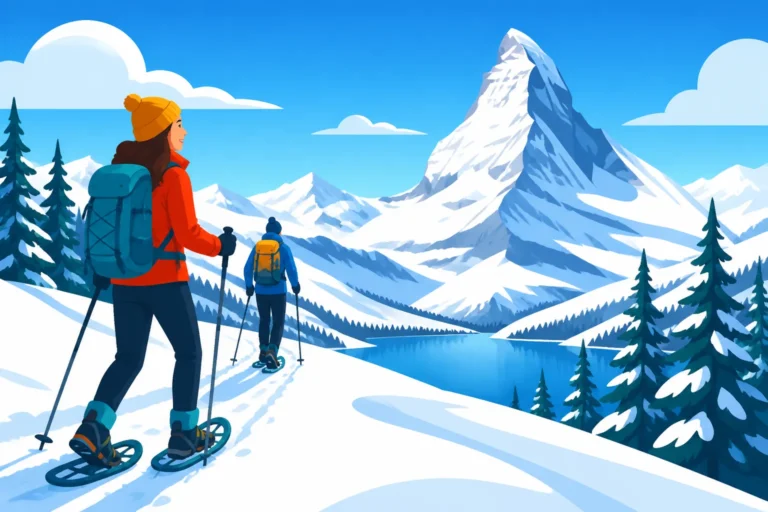
- Snowshoeing: A step up from winter hiking, snowshoeing allows you to explore deeper into the snowy landscapes. You can rent snowshoes at most ski rental shops for a reasonable daily rate (often around CHF 20-30). This is a fantastic way to experience the quiet beauty of the winter wonderland without the high cost or skill required for skiing.
These alternatives offer a wonderful way to immerse yourself in the Swiss winter landscape without the significant financial outlay of ski passes and equipment rentals. You still get the mountain air, the stunning views, and the satisfaction of a day out in nature, all while keeping your budget happily intact.
To give you a quick overview, here's a table comparing some popular, car-free accessible resorts from Zurich, with approximate travel times and budget considerations:
| Resort | Approx. Travel Time (from Zurich HB) | Public Transport Access | Estimated Day Pass (Online, full fare) | Budget Considerations |
|---|---|---|---|---|
| Flumserberg | 1h 20m – 1h 45m | Train to Ziegelbrücke, then PostBus | CHF 55-75 | Very popular, good "Snow'n'Rail" options. Varied slopes. Can get crowded. |
| Sattel-Hochstuckli | 55m – 1h 15m | Train to Sattel-Aegeri, then walk/shuttle to gondola | CHF 40-55 | Excellent for families/beginners, revolving gondola, hanging bridge. Smaller, more relaxed. |
| Hoch-Ybrig | 1h 15m – 1h 30m | Train to Einsiedeln, then PostBus | CHF 45-65 | Good value, less crowded. Decent mix of slopes. |
| Stoos | 1h 10m – 1h 30m | Train to Schwyz, then bus to funicular. The funicular is an experience in itself! | CHF 60-85 | Car-free village, steepest funicular in the world. Slightly higher pass price but unique experience. |
Prices are indicative for the 2025/2026 season and can vary significantly based on booking date, demand, and specific offers.
The dream of a budget-friendly ski day from Zurich without a car is absolutely achievable. It just requires a bit of savvy planning, early booking, and perhaps a packed lunch. Embrace the SBB network, explore the quieter, more local resorts, and you'll be carving up the Swiss snow without carving a massive hole in your budget!
Disclaimer
Please note that all information provided in this guide is for general informational purposes only and is subject to change. While we strive to keep the content up-to-date, prices, regulations, and availability can vary. Always verify details with official SBB and individual ski resort websites before making any travel plans or purchases. This blog is not responsible for any discrepancies or changes that may occur.