FSME Tick Vaccine: When and Where to Get It in Switzerland
Hiking through the lush forests of the Swiss plateau is a rite of passage for every newcomer, but the tiny, blood-sucking hitchhikers waiting in the tall grass can quickly turn a weekend excursion into a medical nightmare. I remember my first spring in Zurich when a simple afternoon stroll left me frantically googling "tick-borne encephalitis" at 2:00 AM after finding a dark speck on my ankle. This guide breaks down exactly how to navigate the FSME vaccine process, from understanding the Swiss "risk zones" to finding a clinic that won't leave you lost in translation.
Understanding the FSME Threat in the Swiss Alps and Lowlands
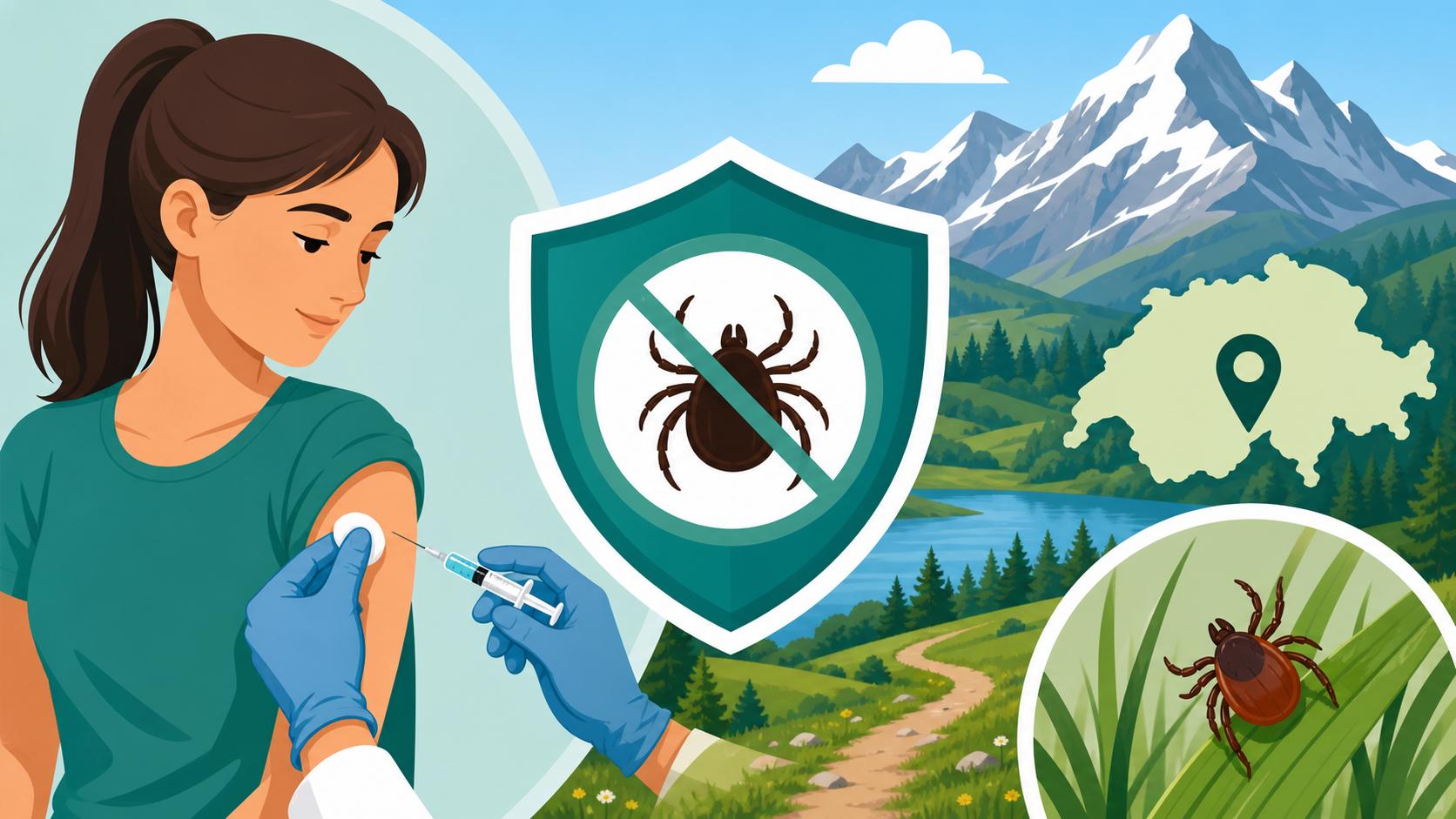
Before we dive into the logistics of the needle, we have to talk about what we are actually fighting. In Switzerland, ticks carry two main nasties: Lyme disease (Borreliosis) and FSME (Frühsommer-Meningoenzephalitis), also known as Tick-Borne Encephalitis (TBE). While Lyme can be treated with antibiotics if caught early, FSME is a viral infection that affects the central nervous system. There is no cure for the virus itself; doctors can only treat the symptoms, which can range from flu-like aches to severe meningitis or long-term neurological damage.
The Federal Office of Public Health (BAG) has made it very clear: Switzerland is a high-risk country. Aside from high-altitude alpine peaks and the canton of Geneva (which was traditionally considered lower risk but is catching up), almost the entire country is a red zone. The ticks here are active as soon as the temperature hits about 7 degrees Celsius. With our shorter, warmer winters, the "tick season" is effectively expanding. If you spend any time outdoors—whether it is hiking in the Emmental or just letting your kids play in a leafy playground in Zurich West—you are in the line of fire.
It is important to note that the vaccine only protects against FSME, not Lyme disease. This is a common point of confusion for many expats. Even after you are jabbed, you still need to be vigilant. For those looking to bolster their post-hike recovery or maintain a strong immune system, checking out supplements on iHerb can be a great way to ensure your body is in peak condition to handle the stresses of the Swiss outdoors.
When to Get the FSME Vaccine: Timing Your Protection
Timing is everything when it comes to the FSME vaccine. You cannot just get one shot and head straight into the woods. The standard schedule is a three-dose series, and the "when" depends entirely on how much of a head start you have before the warm weather hits. Ideally, you want to start the process in the winter months (January or February) so that you are fully protected by the time the ticks wake up in late March.
The standard vaccination schedule looks like this:
- First Dose: Usually in winter.
- Second Dose: 1 to 3 months after the first. This provides about 90% protection, which is usually enough to get you through your first summer.
- Third Dose: 5 to 12 months after the second. This is the "booster" that provides long-term protection (usually for 10 years).
If you’ve moved here in May and realized you’re late to the party, don’t panic. There is a "Fast-Track" or rapid schedule available. Depending on the brand of vaccine used (Encepur or FSME-Immun), you can get the first three doses within a few weeks or even a month. However, the rapid schedule sometimes requires an earlier booster than the standard one. Always discuss these options with your doctor to see which fits your lifestyle and travel plans. You should also consider how this fits into your broader Healthcare in Switzerland for Expats: The Complete System Overview (2027) strategy to ensure all your preventative care is aligned.
Age Requirements and Special Populations
In Switzerland, the FSME vaccine is generally recommended for everyone living here, including children from the age of six. Some pediatricians will even recommend it for children as young as one or two if the family lives in a particularly rural, tick-heavy area like the lakeside forests of Zug or the dense woods of Thurgau. For parents, coordinating this with your child's routine checkups is the most efficient route. You can find more details on how this fits into the local medical culture in our guide on Pediatric Care: Checkups, Vaccination Schedules, and School Health.
The elderly should also prioritize this, as the severity of FSME tends to increase with age. If you are an expat bringing older relatives to live with you, ensuring they are vaccinated should be high on your "to-do" list. It is a small administrative step that prevents a massive potential health crisis.
Where to Get Vaccinated in Switzerland
One of the best things about the Swiss medical system is the accessibility of vaccinations. You aren't restricted to a single government hub; you have options depending on your schedule and comfort level with the local language.
Your Hausarzt (Family Doctor)
The most common way to get vaccinated is through your primary care physician, known here as a Hausarzt. If you have already gone through the process of Finding an English-Speaking Family Doctor in Zug or Zurich, simply call them up and ask for the "Zeckenimpfung" (tick vaccination). They will usually have the vaccine in stock, or they will give you a prescription to pick it up from the pharmacy next door and bring it back for the injection.
The advantage of going to a GP is that they will record the dose in your Impfbüchlein (the little blue or yellow vaccination booklet). This booklet is gold in Switzerland—it’s your official record for schools, employers, and future medical visits. If you don't have one yet, your doctor will issue one on the spot.
The Local Apotheke (Pharmacy)
In recent years, many cantons have authorized pharmacists to administer the FSME vaccine directly to healthy adults (usually over age 16). This is a game-changer for busy expats. You don't need an appointment weeks in advance; many pharmacies allow walk-ins. You can look for the "Impfen in der Apotheke" sign in the window.
Pharmacies like Amavita, Sun Store, or Coop Vitality often have English-speaking staff who can guide you through a quick health questionnaire before giving you the jab in a private consultation room. This is often the most cost-effective way to get it done if you are trying to avoid the "consultation fee" of a doctor’s visit. For more on how to navigate these shops, see our guide on Pharmacies and Medication: Prescriptions, Costs, and OTC Regulations.
Cantonal Vaccination Centers and Travel Clinics
If you are a student or working for an international organization, you might find that your university or employer hosts "vaccination days." Additionally, the larger cantonal hospitals (like the USZ in Zurich or HUG in Geneva) have travel clinics (Impfzentrum) that specialize in everything from yellow fever to FSME. These are excellent if you have complex questions or if you are planning a move to a different "risk" region.
| Vaccination Schedule | 1st Dose | 2nd Dose | 3rd Dose | Duration of Protection |
|---|---|---|---|---|
| Standard Schedule | Day 0 | 1–3 Months later | 5–12 Months after 2nd | 10 Years |
| Rapid Schedule (Brand A) | Day 0 | Day 7 | Day 21 | 12–18 Months (then booster) |
| Rapid Schedule (Brand B) | Day 0 | Day 14 | 5–12 Months after 2nd | 10 Years |
Costs and Insurance: Will the KVG Pay?
The question of "who pays?" is a classic Swiss conundrum. Under the mandatory basic insurance (KVG/LAMal), the FSME vaccine is covered for people who live or stay in risk areas—which, as we established, is almost everyone in Switzerland. However, the "coverage" is subject to your chosen deductible.
If you have a high Franchise (deductible) of CHF 2,500, you will likely end up paying for the vaccine out of pocket because the cost (usually around CHF 40 to CHF 70 per dose, including the injection fee) won't exceed your deductible limit. If you have already met your deductible for the year, the insurance will cover 90% of the cost. Understanding The Swiss Franchise System: How Deductibles and Copays Work is crucial here so you aren't surprised by the bill that arrives in your mailbox three weeks later.
For those on international plans like Cigna Global, the coverage might differ. Often, international private insurance covers preventative vaccinations without the "franchise" hurdle, making it a "free" service. It is always worth checking your policy or calling your provider before you head to the clinic. If you are struggling with the administrative side of things, remember that Finding Medical Care in Switzerland: Doctors, Specialists, and Referrals can help you find providers who are used to dealing with international insurance claims.
What to Expect: Side Effects and Procedures
The FSME vaccine is generally very well-tolerated, but like any shot, it can pack a tiny punch. Most people report a sore arm for a day or two—similar to a flu shot or a COVID-19 booster. Some people experience a mild fever, fatigue, or a headache, particularly after the first dose.
When you go in for your appointment, make sure you:
- Bring your Impfbüchlein or your digital vaccination record.
- Bring your Swiss health insurance card (the VeKa card).
- Inform the doctor if you have an allergy to eggs, as some FSME vaccines contain trace amounts of egg protein.
After the injection, the doctor or pharmacist will usually ask you to wait in the lobby for 15 minutes to ensure you don't have an immediate allergic reaction. It’s a great time to browse for some travel-sized antiseptic wipes or tick-removal tweezers. I always keep a pair of specialized tick tweezers from iHerb in my hiking bag; they are much more effective than the standard ones you find in a bathroom cabinet.
If you do find a tick on you after a hike, even if you are vaccinated, monitor the site. If you see a "bullseye" rash (Erythema migrans), that is a sign of Lyme disease, and you need to see a doctor immediately. For any sudden, severe symptoms following a bite, don't hesitate to contact Emergency Medical Services: Ambulances, REGA, and Crisis Protocols.
Living with Ticks: Prevention Beyond the Needle
Vaccination is your "Plan A," but your "Plan B" should be physical prevention. The Swiss are masters of the "socks over trousers" look for a reason. When walking in the forest or through tall grass:
- Wear Light Colors: It makes it easier to spot the tiny dark ticks before they reach your skin.
- Use Repellent: Look for sprays containing DEET or Icaridin. You can find these at any Apotheke or order them via iHerb for more natural, essential-oil-based alternatives if you prefer.
- The Tick Check: This is the most important step. After every outdoor activity, do a full-body check. Ticks love warm, hidden spots: behind the knees, in the groin, under the arms, and behind the ears.
If you find a tick, remove it slowly and steadily with tweezers. Do not use the "old wives' tales" of burning them with a match or suffocating them with oil; this can cause the tick to regurgitate its stomach contents into your bloodstream, increasing the risk of infection.
Switzerland is one of the most beautiful places on earth to explore, and a little bit of preparation goes a long way. By getting your FSME vaccine early and understanding how the local system works, you can enjoy the trails of the Bernese Oberland or the Jura Mountains with total peace of mind. Just remember to keep that little blue booklet updated—it's your ticket to a worry-free Swiss summer.
Disclaimer
This article is for informational purposes only and does not constitute professional medical advice, diagnosis, or treatment. Always seek the advice of your physician or other qualified health provider with any questions you may have regarding a medical condition or vaccination schedule. The Swiss healthcare landscape and BAG recommendations can change; always verify current guidelines with official cantonal or federal authorities.