Mammogram Screening Programs by Canton: Free vs Copay
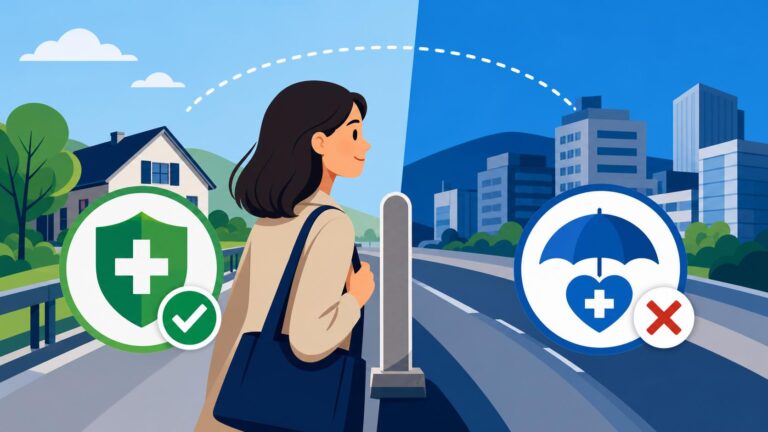
Navigating the Swiss healthcare system often feels like trying to solve a Rubik's Cube where the colors change every time you cross a cantonal border. I remember the sheer confusion of receiving my first invitation for a "free" screening, only to spend an hour on the phone with my insurer trying to figure out if it actually meant free or "Swiss free," which usually involves a hidden bill. This guide untangles the complex web of mammogram screening programs across Switzerland, explaining exactly how your canton of residence dictates your out-of-pocket costs.
The Fragmented Reality of Swiss Preventative Care
If you have lived in Switzerland for more than a week, you have likely encountered the term Kantönligeist. It refers to the fierce independence of the 26 cantons, and nowhere is this more apparent than in preventative health. While the federal government sets the broad rules for mandatory health insurance, the implementation of cancer screening programs is left to the individual cantons. This means that a woman living in Lausanne may have a completely different financial and administrative experience than a woman living in Zurich, even if they both have the exact same basic insurance policy.
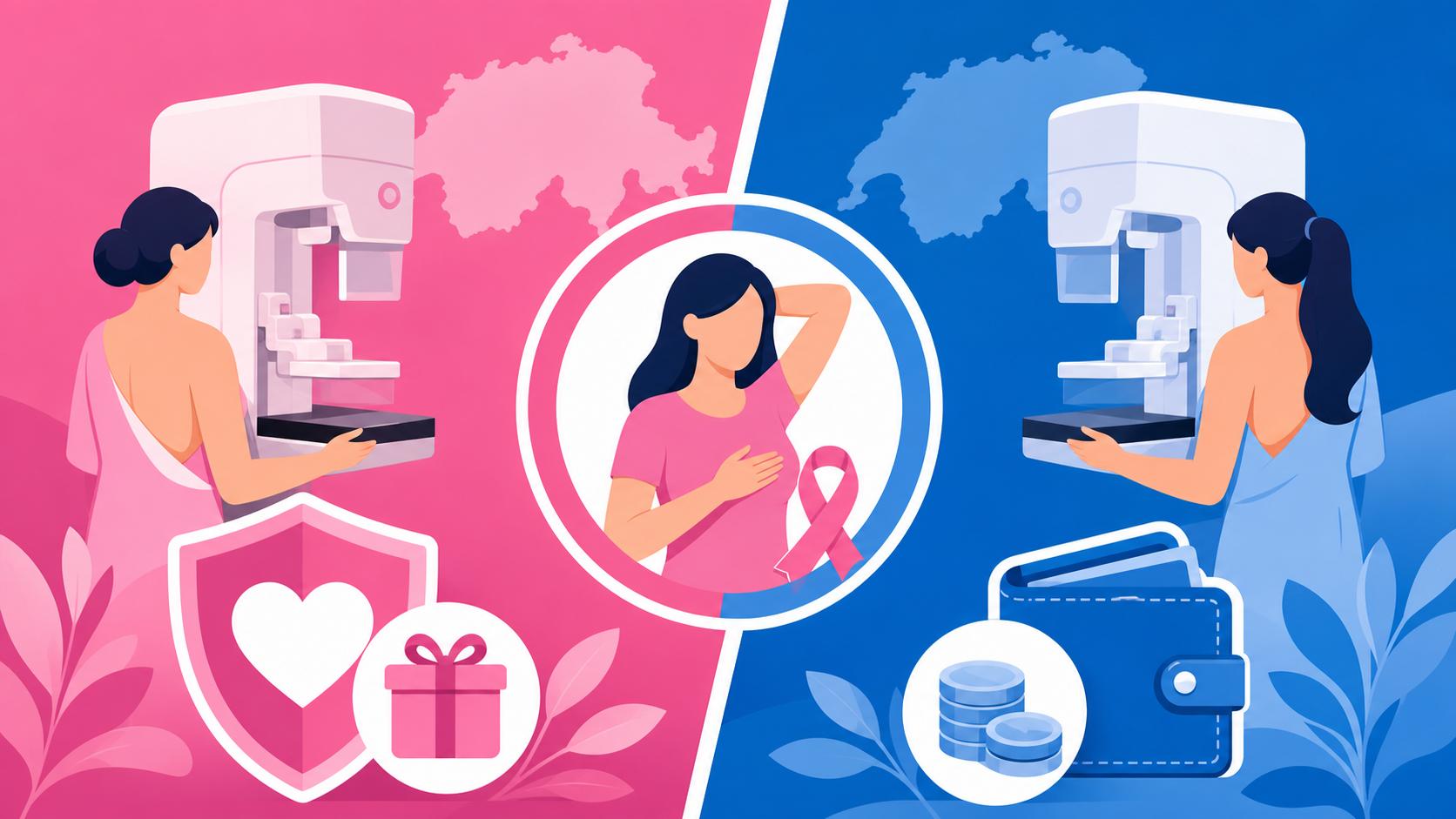
The primary point of confusion for most expats is the distinction between a diagnostic mammogram and a screening mammogram. If you find a lump or your doctor suspects an issue, the mammogram is diagnostic. This falls under standard Understanding KVG/LAMal: Mandatory Basic Health Insurance Explained rules, meaning you pay your deductible (franchise) and then the 10% copay. However, if you are participating in an organized cantonal screening program, the financial rules change significantly. These programs are designed to encourage early detection by removing the barrier of the high Swiss deductible.
In many cantons, if you are within the target age group (usually 50 to 70 or 75), the cost of the screening mammogram is exempt from the franchise. You will still pay the 10% copay, but you don't have to have "met" your deductible for the year for the insurance to kick in. In some specific cantons, even that 10% is waived, making the procedure truly free at the point of use.
Understanding the Organized Screening Programs
An "organized screening program" is a public health initiative where the canton invites eligible residents by mail every two years. These programs follow strict quality controls and usually involve "double-blind" reading, where two different radiologists assess your images independently to ensure accuracy. If you go for a mammogram outside of this specific program without a medical reason, you will likely be stuck with the full bill until your franchise is met.
For those of us coming from countries with centralized health systems, the lack of a national Swiss program is baffling. You might be used to a system where everyone gets the same letter at the same time. Here, the program is managed by cantonal organizations like the Donna Program in Eastern Switzerland or the Fondation genevoise pour le dépistage du cancer in Geneva. If you are covered by an international plan like Cigna Global, you may have more flexibility in where you go, but for those on the standard Swiss system, sticking to the cantonal program is the only way to ensure the franchise exemption.
Validation of your residency is key. When you first move and perform your Mandatory Registration: How to Sign Up for Health Insurance Within 90 Days, your data is eventually shared with these cantonal health offices, but it can take months or even a year to get into the system. If you are over 50 and haven't received an invitation, you shouldn't wait for the mailman; you can proactively contact your cantonal screening center to register.
Canton by Canton Breakdown of Costs and Access
The financial burden of a mammogram depends heavily on where you pay your taxes. In the French-speaking cantons (Romandie) and several German-speaking ones, the programs are highly developed. In others, particularly in Central Switzerland, the programs are non-existent or newly established.
| Canton | Program Availability | Age Group | Cost Structure |
|---|---|---|---|
| Zurich | Yes | 50-70 | Franchise exempt; 10% copay applies |
| Geneva | Yes | 50-74 | Franchise exempt; 10% copay applies |
| Vaud | Yes | 50-70 | Franchise exempt; 10% copay applies |
| Bern | Yes | 50-70 | Franchise exempt; 10% copay applies |
| Basel-Stadt | Yes | 50-70 | Franchise exempt; 10% copay applies |
| Ticino | Yes | 50-70 | Franchise exempt; 10% copay applies |
| Zug | No (Individual Basis) | N/A | Subject to Franchise and 10% copay |
| Aargau | Yes | 50-70 | Franchise exempt; 10% copay applies |
In cantons like Vaud, the process is incredibly streamlined. You can read more about the specific local infrastructure in our Vaud Expat Healthcare Guide: CHUV and Riviera Medical Centers. Conversely, if you are living in a canton without an organized program, you must rely on your gynecologist to order a mammogram. In this scenario, the costs are usually treated like any other medical visit, and you will be responsible for the full cost until your annual deductible is reached. This is one of the many reasons why The Swiss Franchise System: How Deductibles and Copays Work is the most important concept for an expat to master.
The Financial Loophole: Franchise vs. Copay
Let's look at a realistic scenario. Suppose you have a CHF 2,500 franchise because you are generally healthy and want to save on monthly premiums. If you live in a canton with an organized program, a screening mammogram (costing roughly CHF 200) will only cost you CHF 20. The insurance company pays the rest, and they do not deduct that CHF 200 from your CHF 2,500 limit.
However, if you live in a canton like Zug (which historically has resisted organized programs in favor of individual doctor-patient decisions), that same mammogram will cost you the full CHF 200 because you haven't hit your franchise yet. This "geographic lottery" is a frequent source of frustration for the expat community. If you find yourself in a canton with less coverage, having a premium international policy from Cigna Global can often bridge these gaps, as they sometimes cover preventative screenings regardless of cantonal programs.
When the bill does arrive, it will likely come via the Tiers Garant vs. Tiers Payant Billing Systems. Most preventative screenings in organized programs are billed directly to the insurer (Tiers Payant), meaning you only receive a small invoice for your 10% portion. If you receive a bill for the full amount, don't pay it immediately. Check if the provider used the correct billing code for the cantonal screening program. I’ve seen many expats accidentally pay hundreds of francs because the provider used a standard "diagnostic" code instead of the "screening" code.
Language Barriers and Booking Your Appointment
Receiving a medical invitation in high German, French, or Italian can be intimidating if you are still working through your first language course. In major cities, the screening centers are well-equipped for English speakers, but the initial paperwork is almost always in the local language. If you are struggling to communicate with the screening center, it is highly recommended to seek help from your Finding an English-Speaking Family Doctor (Hausarzt) in Major Cantons. They can often act as the intermediary to ensure you are registered correctly.
In Geneva, the process is particularly expat-friendly. You can find more details on local facilities in the Geneva Expat Healthcare Guide: International Clinics and Public Hospitals. Generally, when you show up for your appointment, you will need your Swiss health insurance card (VeKa). The technician will take the images, and the results are not given on the spot. They are sent to two different specialists, and you usually receive a letter within eight to ten working days.
If your results require further investigation (like an ultrasound or biopsy), the "screening program" ends and the "diagnostic phase" begins. From that moment on, all subsequent costs will be subject to your standard franchise. This is a crucial distinction to remember for your annual budgeting.
Supplemental Health and Self-Care in Switzerland
While the Swiss system focuses heavily on the technical side of screenings, the "human" side of preventative care is often left to the individual. Doctors here are excellent, but they are often very pragmatic and may not spend a lot of time discussing lifestyle or supplements unless you bring it up. For general wellness support, many expats turn to familiar international sources. For example, finding specific high-quality supplements that aren't marked up 300% in local pharmacies can be a challenge; I often use iHerb to get my vitamins and wellness products delivered to Switzerland, as it's often more cost-effective than the local Apotheke.
Maintaining your overall health is a vital part of the Women’s Health: Gynecologists, Screenings, and Contraception Access journey in Switzerland. Beyond the mammogram, you should be discussing bone density and Vitamin D levels with your doctor, especially given the long, gray Swiss winters. Interestingly, Swiss doctors often don't prescribe Vitamin D automatically, but if you have a deficiency, it can impact your overall tissue health. Again, this is where a quick order from iHerb can save you a lot of time and money compared to the prescription-only versions found in Zurich or Basel.
If you are looking for more comprehensive coverage that includes alternative therapies or higher-tier hospital comfort during any potential treatment, you should investigate Supplementary Health Insurance (VVG): What It Covers and When to Buy It. Basic insurance (KVG) is legally required and excellent for emergencies, but it doesn't offer much in the way of "perks" or international flexibility.
What to Do If You Are Under 50 or Have High Risk
The cantonal screening programs are strictly for the 50+ age bracket. If you are younger but have a family history of breast cancer, you do not qualify for the "franchise-exempt" screening. However, you are still covered under the basic law. If your doctor determines that you are at high risk, they can order a mammogram as a medical necessity.
In this case, you will have to pay towards your franchise. If you are in this situation, it is worth looking at your annual health costs and deciding if you should switch to a lower franchise during the next November 30 Deadline: The Exact Steps to Switch Your Swiss Health Insurance. For those with chronic concerns or high-risk factors, a CHF 300 franchise is almost always more economical than the CHF 2,500 version, despite the higher monthly premiums.
If you are confused about your specific risk profile, do not rely on the invitation letter alone. Schedule a check-up with a specialist. You can find help locating one in our guide on Finding Medical Care in Switzerland: Doctors, Specialists, and Referrals. Remember that in Switzerland, being your own health advocate is not just encouraged; it is financially necessary.
Summary Table: Steps to Get Your Screening
| Step | Action | Notes |
|---|---|---|
| 1 | Check your Canton | Verify if an organized program exists in your area. |
| 2 | Wait for Invitation | If over 50, you should receive a letter every 2 years. |
| 3 | Self-Register | Contact the cantonal center if no letter arrives. |
| 4 | Bring Your Card | Your insurance card is essential for billing. |
| 5 | Verify the Bill | Ensure it’s billed as "Screening" to avoid the franchise. |
Legal Disclaimer
The information provided in this article is for educational and informational purposes only and does not constitute professional medical or legal advice. Healthcare regulations and cantonal programs in Switzerland are subject to frequent changes. Always consult with a qualified healthcare provider or your insurance carrier regarding your specific medical needs and coverage details. We do not guarantee the accuracy of costs or program availability as these can vary by canton and individual insurance contract.