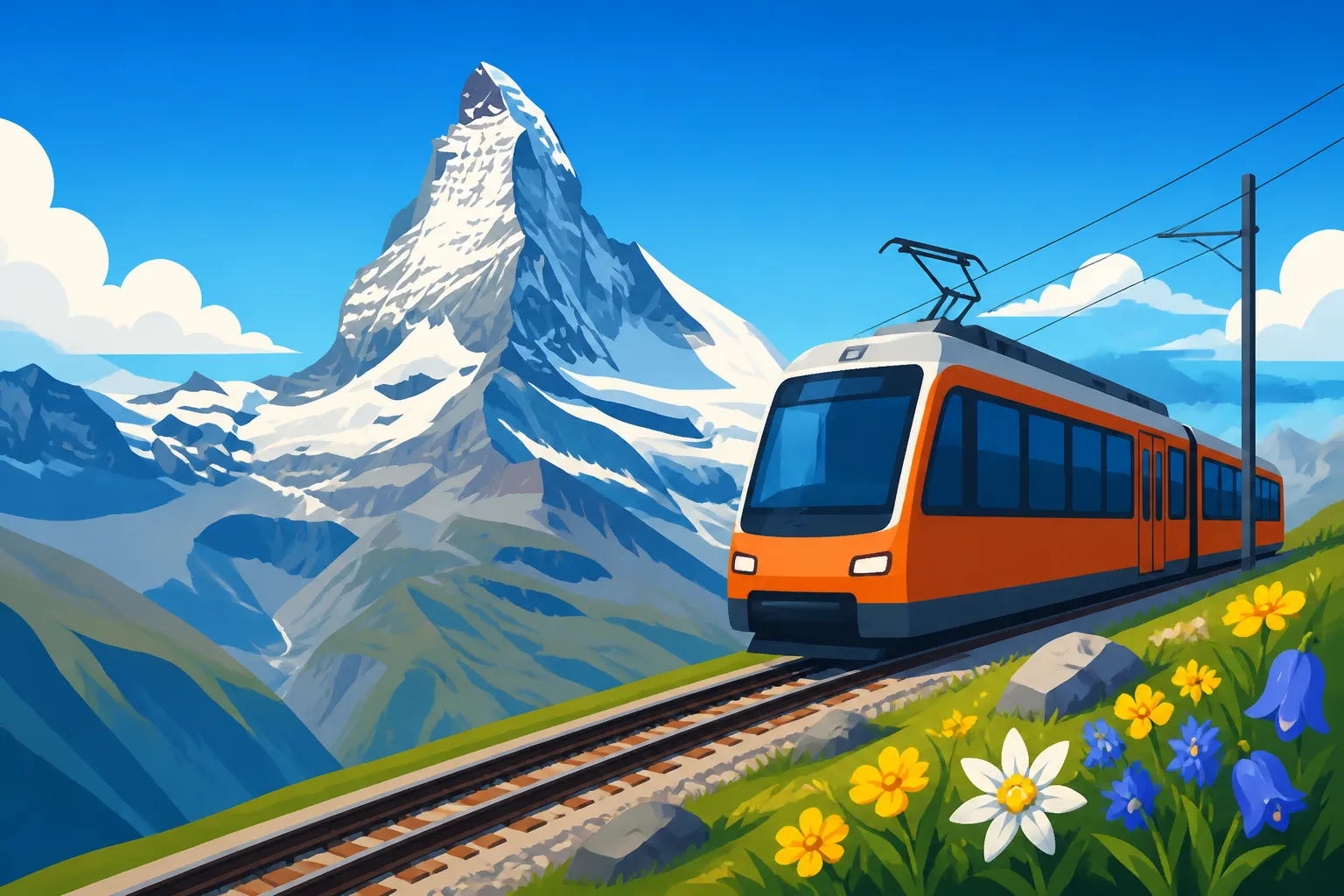
Gornergrat Railway: Matterhorn Views from Zermatt
Ah, Zermatt. Just the name conjures images of that iconic jagged peak, the Matterhorn, standing majestically against the sky. For many of us expats, moving to Switzerland brings with it a bucket list of alpine dreams, and seeing the Matterhorn up close is usually right at the top. But let's be real, navigating the Swiss Alps, especially a car-free village like Zermatt, can feel a bit daunting, and getting those perfect, unobstructed views isn't always as simple as it sounds. This guide is here to walk you through the ultimate way to experience those breathtaking vistas: a journey on the historic Gornergrat Railway, ensuring you soak in every glorious angle of Switzerland's most famous mountain without any of the usual expat travel headaches.
Why the Gornergrat Railway is Your Best Bet for Matterhorn Views
When you first land in Switzerland, everyone talks about the Matterhorn. You see it on chocolate bars, postcards, and probably half a dozen advertisements every day. But actually seeing it, truly experiencing its grandeur, is another matter entirely. Zermatt itself is a stunning, car-free village, which adds to its charm but also means a bit of planning to get there. Once you're in Zermatt, you'll quickly realize that the Matterhorn isn't just "there" – you need to position yourself correctly to appreciate its full glory. This is where the Gornergrat Railway comes into its own.
The Iconic Matterhorn Perspective
The Gornergrat Railway doesn't just take you up a mountain; it delivers you to arguably the most spectacular viewpoint for the Matterhorn. From the Gornergrat summit, at a staggering 3,089 meters (10,135 feet) above sea level, you don't just see the Matterhorn, you feel it. It stands before you, imposing and magnificent, flanked by a sea of other 38 majestic peaks over 4,000 meters high. This isn't a fleeting glimpse from a valley; it's a panoramic, immersive experience that will leave you speechless.
Imagine standing on a viewing platform, crisp alpine air filling your lungs, and there it is – the Matterhorn. Its unique pyramid shape dominates the skyline, framed by glaciers like the Gorner Glacier, the second-largest glacier in the Alps. This isn't just a photo opportunity; it's a moment of pure awe. Many other spots offer views, but none offer this iconic, almost spiritual connection to the mountain's grandeur. The railway winds its way up, slowly revealing more and more of the landscape, building anticipation until the big reveal at the top. It's a journey designed to maximize the "wow" factor.
Historic Engineering and Comfort
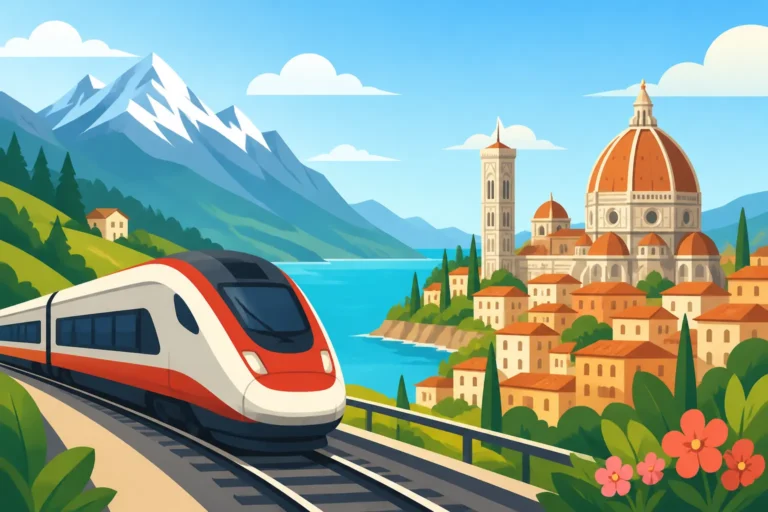
Beyond the views, the Gornergrat Railway itself is a marvel of engineering. Opened in 1898, it was the first fully electrified cogwheel railway in Switzerland. Riding it feels like stepping back in time, yet with all the modern comforts you'd expect. The charming red carriages slowly ascend the mountain, allowing you to relax, take photos, and simply enjoy the journey without worrying about driving on narrow, winding mountain roads – which isn't even an option to Zermatt anyway, given its car-free status.
This means you don't need to stress about parking, navigating tricky mountain passes, or even finding your way once you arrive in Zermatt. The train station for the Gornergrat is directly across from the main Zermatt train station, making it incredibly convenient. For many expats, the sheer ease of Swiss public transport is one of its greatest joys, and this railway is a prime example. The large panoramic windows ensure you don't miss a single part of the unfolding scenery, from the charming chalets of Zermatt gradually shrinking below to the vast, icy expanse of the glaciers drawing closer. It’s a comfortable, safe, and truly iconic Swiss experience from start to finish.
Planning Your Gornergrat Adventure: Tickets, Timetables, and Tips
Alright, so you're convinced – the Gornergrat Railway is the way to go. Now, how do you actually make it happen? Like anything in Switzerland, a little planning goes a long way, especially when it comes to tickets and timing. You don't want to arrive in Zermatt, eager for your Matterhorn moment, only to find yourself scrambling or, worse, paying more than you have to.
Understanding Ticket Options and Discounts
Swiss transport can be pricey, but there are almost always ways to save money, especially for residents. The Gornergrat Railway tickets are no exception. A standard return ticket from Zermatt to Gornergrat can feel like a pinch, but a variety of passes can significantly reduce the cost.
For starters, if you frequently travel around Switzerland by public transport, you might already have a Half-Fare Travelcard (Halbtax): The Must-Have Pass for Swiss Residents. This card is a game-changer for most expats, granting you 50% off most train, bus, boat, and mountain railway tickets, including the Gornergrat. It’s almost always worth the investment if you plan even a few day trips. If you're really crisscrossing the country, a SBB Travelcards: Is the Generalabonnement (GA) Worth the CHF 4000+ Cost? will give you free travel on the Gornergrat Railway (with some nuances depending on the season, so always check).
For families, the SBB Junior Travelcard or Children's Co-Travelcard (both around CHF 30 per year) are golden. With these, children aged 6-16 travel free when accompanied by a parent or other adult with a valid ticket. Younger children (under 6) travel free anyway. So, if you're traveling with kids, definitely look into these options to avoid paying full price for them! You can easily check current prices and apply for these cards on the SBB website or at any major train station. Remember, booking directly with the Gornergrat Bahn at the station in Zermatt or online on their official website is usually the most straightforward, but services like Omio can sometimes help you consolidate your journey if you're coming from further afield and want to manage all your train tickets in one place.
Checking Timetables and Seasonal Variations
The Gornergrat Railway operates year-round, but timetables and specific offerings can vary significantly between summer and winter seasons. During peak summer (typically June to September) and winter (December to April) months, trains run very frequently, sometimes every 24 minutes, accommodating the higher volume of tourists and hikers/skiers. Off-season, the frequency might be reduced, perhaps every 48 minutes, and certain facilities or hiking trails at the intermediate stops might be closed.
It’s absolutely crucial to check the official Gornergrat Bahn website or the SBB app for the most up-to-date timetable on your planned travel day. Weather in the mountains can change rapidly, and while the railway is very reliable, extremely strong winds or heavy snowfall could potentially affect operations. I always recommend using specific Weather Apps and Webcams for Planning Swiss Mountain Trips for Zermatt and Gornergrat a day or two before you go, and again on the morning of your trip. There's nothing worse than making the journey up to Zermatt only for the summit to be shrouded in clouds. Booking platforms like GetYourGuide might offer combo tickets or specific experiences, but always cross-reference their operational hours with the official railway site.
Strategic Timing for the Best Experience
Beyond just checking the timetable, think about when you want to go. Early mornings are often best for clear skies, especially in summer, before the clouds tend to roll in later in the day. Plus, you’ll avoid the biggest crowds. The light for photography is also magical in the early hours. For those who enjoy a different kind of magic, consider a late afternoon trip, especially in winter, to catch a spectacular sunset over the Alps. The last train down is usually around 8 PM in summer, but much earlier in winter (around 6 PM), so always, always double-check that last departure time if you plan to linger.
If you’re coming from further away, like Geneva or Zurich, remember that Zermatt is a significant journey. The best approach for truly enjoying Zermatt and the Gornergrat might be to plan an overnight stay in the village. Booking.com offers a huge array of hotels and apartments in Zermatt to fit various budgets, from cozy traditional chalets to more modern stays. This allows you to tackle the Gornergrat trip first thing in the morning, giving you plenty of time to explore the summit and intermediate stops without feeling rushed, and then enjoy the car-free charm of Zermatt in the evening. It truly makes a world of difference to the overall experience.
The Journey Up: Stops, Views, and What to Expect
The Gornergrat Railway isn't just a means to an end; the journey itself is part of the experience. As the iconic red train slowly chugs its way up the mountain, you’ll pass through a series of stations, each offering unique perspectives and opportunities. Don't feel like you have to go straight to the top and back down again! Many people miss out on some truly wonderful moments by not exploring these intermediate stops.
Navigating the Scenic Ascent
The Gornergrat Bahn starts right in Zermatt village, literally across the street from the SBB train station. As you board, try to snag a window seat on the right-hand side for the best views of the Matterhorn on the way up – though, frankly, every seat offers something special. The train is a cogwheel railway, meaning it uses a toothed rail between the running rails to climb steep gradients, so you’ll feel that satisfying chug and steady ascent.
The journey takes about 33 minutes to reach the summit. During this time, the landscape transforms dramatically. You'll start with views of the bustling Zermatt village, then pass through dense pine forests, eventually emerging above the tree line into a rugged, high-alpine environment of rock, ice, and snow, even in summer. Keep your camera ready, as the Matterhorn makes several stunning appearances along the way, each offering a slightly different angle. It’s a photographer's dream, and even if you're just enjoying the moment, the unfolding panorama is simply breathtaking.
Key Stops and Their Highlights
The Gornergrat Railway has four main stops between Zermatt and the summit, each providing access to different vantage points, hiking trails, or simply a chance to hop off and breathe in the alpine air.
Here's a quick overview of what to expect at each:
Stop Name Altitude (m) Key Highlights Gornergrat Railway: Matterhorn Views from Zermatt
Settling into life as an expat in Switzerland, you've probably heard the call of the mountains, and let's face it, one peak stands above them all in sheer renown: the Matterhorn. Everyone wants to see it, photograph it, and experience its grandeur. But actually getting those picture-perfect, unobstructed views can be trickier than you'd think, especially in the charming, car-free village of Zermatt. This guide will take you step-by-step through one of the most iconic and rewarding alpine experiences: riding the Gornergrat Railway to witness the Matterhorn in all its glory, ensuring your mountain adventure is as seamless as it is breathtaking.
A Historic Journey to Switzerland's Iconic Peak
The Gornergrat Railway isn't just a modern attraction; it's a testament to Swiss engineering prowess, offering a slice of history as it transports you to unparalleled vistas. Understanding its legacy adds an extra layer of appreciation to the journey itself. For us newcomers, it’s always fascinating to see how the Swiss have mastered their challenging landscape.
The Dawn of Alpine Rail Travel
Imagine a time before easy mountain access, when scaling peaks was a feat reserved for the most intrepid climbers. The late 19th century saw a boom in tourism, and visionary engineers in Switzerland began dreaming of railways that could conquer the steepest gradients. The Gornergrat Railway, inaugurated in 1898, was a pioneering achievement, becoming the first fully electrified cogwheel railway in Switzerland. This wasn't just a small track; it was a major undertaking, designed to carry visitors comfortably and safely up to over 3,000 meters, opening up the high Alps to a wider audience than ever before.
This railway was revolutionary, not only for its electrification but also for its meticulous planning and construction, designed to withstand the harsh alpine environment. When you board those distinctive red trains today, you’re stepping into a piece of living history. It’s a marvel that a railway built over a century ago continues to operate with such efficiency and charm, proving that Swiss commitment to quality and innovation has deep roots. It truly embodies the spirit of Swiss ingenuity, making the inaccessible accessible without compromising the natural beauty.
Unparalleled Views of the Matterhorn and Beyond
Let's be honest, while the journey itself is fantastic, the main event is the Matterhorn. And the Gornergrat delivers. From the summit, you're treated to what many consider the definitive view of this iconic peak. It stands there, isolated and proud, its distinct pyramid shape instantly recognizable, dominating the panorama. But it's not just the Matterhorn you'll marvel at; the Gornergrat summit offers a breathtaking 360-degree panorama of 29 peaks exceeding 4,000 meters (13,000 feet), including Switzerland's highest mountain, Monte Rosa, and its impressive Gorner Glacier.
The sheer scale of the landscape from this vantage point is truly humbling. You'll see vast ice fields, rugged rock faces, and seemingly endless horizons of snow-capped giants. This isn't just a fleeting glimpse through a gap in the trees; it's an expansive, unobstructed vista that demands you take a moment, breathe deeply, and soak it all in. Whether it’s a bright summer day with hikers dotting the trails below or a pristine winter wonderland glistening under a clear blue sky, the views are consistently spectacular. You'll find yourself reaching for your camera repeatedly, but I guarantee that no photo will quite capture the immersive beauty you experience in person.
Planning Your Visit: Tickets, Timetables, and Practicalities
Venturing to the Gornergrat requires a little bit of foresight, but honestly, it's nothing that can't be easily managed with a few clicks and a quick check of the weather. As an expat, you’ve probably already gotten used to the meticulous planning that Swiss life often demands, and this is no different. But the rewards are so, so worth it!
Ticket Options and Saving Money
The cost of a Gornergrat Railway ticket can sometimes come as a bit of a surprise if you're not accustomed to Swiss pricing, but thankfully, there are several ways to make it more affordable. The standard return ticket from Zermatt to Gornergrat covers the full round trip, but don't just buy it at face value.
For most residents, the Half-Fare Travelcard (Halbtax) is an absolute must. It slashes the price of your Gornergrat ticket (and virtually all other public transport in Switzerland) by 50%. If you're planning any other mountain excursions or train journeys during your stay, the Halbtax usually pays for itself very quickly. For those who frequently travel across Switzerland, the Generalabonnement (GA) grants free travel on most routes, including the Gornergrat Railway. However, always double-check the specifics for mountain railways, as sometimes there might be a small supplementary fee or seasonal restrictions.
Families rejoice! The Junior Travelcard (Junior-Karte) or Children's Co-Travelcard (Kinder-Mitfahrkarte), available for a nominal annual fee of around CHF 30, allows children aged 6 to 16 to travel for free when accompanied by a parent or other adult with a valid ticket. Children under 6 always travel for free. These passes are truly fantastic for keeping family outings budget-friendly. You can usually purchase these at any major SBB station. When it comes to buying your Gornergrat tickets, you can buy them directly at the Gornergrat Bahn station in Zermatt, or online via their official website. If you’re organizing your entire journey from further afield, a platform like Omio can sometimes help you manage all your train bookings to Zermatt in one go, simplifying your travel plans.
Checking Timetables and Weather Conditions
The Gornergrat Railway operates every day of the year, come rain, snow, or shine, but the frequency of trains varies depending on the season. During peak summer and winter months, trains depart from Zermatt every 24 minutes. In the shoulder seasons (spring and autumn), this might reduce to every 48 minutes. It is absolutely vital to check the official Gornergrat Bahn website or the SBB app for the precise timetable on your chosen day of travel. Things can change, and you don't want to miss that last train down!
Mountain weather is notoriously fickle. You could have glorious sunshine in Zermatt village and be completely shrouded in cloud at the Gornergrat summit. Before you commit to the trip, make sure to check the live webcams for Gornergrat. Many of us use specific Weather Apps and Webcams for Planning Swiss Mountain Trips to get a real-time view of conditions at the top. There's little point in spending the money and time to ascend if the Matterhorn is hiding behind a thick blanket of clouds. Aim for a clear day for the best experience.
When to Go: Avoiding Crowds and Catching the Best Light
For the best experience, timing is everything. Weekends, public holidays, and mid-day during peak season tend to be the busiest. If you can, aim for a weekday, or an early morning departure. The first trains up often offer the clearest skies and fewest crowds, allowing you to enjoy the summit in relative peace. Plus, the early morning light can be absolutely stunning for photography, casting long shadows and a golden glow over the peaks.
If you’re keen on photography or simply love a dramatic view, consider a late afternoon trip, especially if the weather is promising a clear sunset. Just be absolutely certain to check the last train departure time from Gornergrat back to Zermatt, as it can be surprisingly early in the winter months. Many expats find that turning a Gornergrat trip into an overnight stay in Zermatt allows for a more relaxed pace. Booking.com is a great resource for finding hotels and chalets in Zermatt, ranging from luxury to more budget-friendly options, which can really enhance your whole alpine experience. This way, you can catch the first train up without a mad rush, explore at your leisure, and truly soak in the car-free charm of Zermatt in the evening.
The Journey's Embrace: Intermediate Stops and Alpine Experiences
The Gornergrat Railway isn't just a direct express to the summit. It's a journey punctuated by several delightful stops, each offering its own unique perspective, opportunities for exploration, and even some unexpected delights. Don't just rush to the top; take your time, hop off, and discover the layers of alpine beauty. This is where you can truly make the most of your mountain day!
Riffelalp: Luxury and Nature's Embrace
Your first major stop after leaving Zermatt is Riffelalp. At 2,211 meters (7,254 feet), this stop is primarily known for the exquisite Riffelalp Resort 2222m, a luxurious hotel offering incredible views and a tranquil atmosphere. Even if you're not staying there, it's worth stepping off to soak in the peaceful surroundings. From here, you can take a charming, historic tram – Europe's highest tram – from the Riffelalp station to the hotel itself, adding a quaint touch to your journey.
Beyond the resort, Riffelalp serves as a starting point for some lovely, relatively easy hikes. In summer, you can wander through meadows bursting with wildflowers, often with spectacular views of the Matterhorn peeking through the trees. It’s a fantastic place to start a gentle downhill walk back towards Zermatt, truly connecting with the pristine environment. This area feels a world away from the bustle of Zermatt, offering a serene escape.
Riffelberg: Iconic Views and Alpine Lakes
Ascending further, you'll reach Riffelberg at 2,582 meters (8,471 feet). This is one of the most popular intermediate stops, and for good reason. It boasts the Matterhorn viewpoint par excellence, the famous Riffelsee (Riffel Lake). In calm weather, this small alpine lake acts as a perfect natural mirror, reflecting the Matterhorn in its crystal-clear waters. It's an iconic photo opportunity and one that many visitors flock to.
From Riffelberg, you have several options. There's a comfortable hotel and restaurant, the Riffelberg Hotel, where you can grab a bite or warm up with a hot chocolate. In summer, this is a prime starting point for the popular "Five Lakes Walk," a scenic hiking route that takes you past several stunning alpine lakes, including the Riffelsee. In winter, Riffelberg is a buzzing hub for skiers, with direct access to various slopes and lifts, linking up to the broader Zermatt ski area. Whether you're a keen hiker, a photographer, or a skier, Riffelberg offers something truly special. For those looking for more detailed hiking guides, resources found through GetYourGuide often list guided walks starting from this area.
Rotenboden: Glacial Perspectives and Marmot Spotting
The second-to-last stop before the summit is Rotenboden, sitting at 2,815 meters (9,236 feet). This stop is known for its dramatic, close-up views of the Gorner Glacier, a sprawling river of ice that snakes its way through the valley below. You can truly appreciate the immense scale and power of these natural wonders from here. Just a short walk from the station, you'll find another small, picturesque lake, often called the Riffelsee (or sometimes Matterhornsee), which also offers stunning reflections of the Matterhorn, especially early in the morning.
Rotenboden is also a fantastic spot for wildlife viewing. Keep your eyes peeled for the adorable alpine marmots. There are often marmot colonies in this rocky terrain, and if you're patient and quiet, you might be lucky enough to spot these shy creatures basking in the sun or scurrying amongst the rocks. They are a true delight to watch. Like Riffelberg, Rotenboden is a gateway to numerous hiking trails in summer, including a popular, relatively easy downhill path from Gornergrat to Rotenboden itself, making for a pleasant short walk before hopping back on the train.
The Gornergrat Summit: A World Above the Clouds
Finally, you reach the pinnacle of your journey: the Gornergrat summit. Stepping off the train here at 3,089 meters (10,135 feet) feels like entering another world. The air is thinner, the views are boundless, and the sense of accomplishment is palpable. This isn't just a viewing platform; it's a complete alpine experience designed to captivate and educate.
Summit Station: Amenities and Panoramic Views
As you exit the train at the Gornergrat summit station, you'll find yourself amidst an impressive array of facilities. The most prominent is the Kulmhotel Gornergrat, Europe's highest hotel. Even if you're not staying overnight (though it's an incredible experience if you can manage it), you can visit its restaurant for a meal, a coffee, or a glass of local wine while soaking in those million-dollar views. There’s also a self-service restaurant and a small shopping area where you can pick up souvenirs or Matterhorn-branded chocolate.
Just outside the station, multiple viewing platforms await, offering unobstructed panoramas. From here, you’ll see not only the Matterhorn but also the Monte Rosa massif with its highest peak, Dufourspitze, and the sprawling Gorner Glacier. Interactive displays provide information about the surrounding peaks, glaciers, and the railway's history, enriching your understanding of this incredible landscape. Take your time to walk around these platforms, as each angle reveals new perspectives and details of the majestic alpine world.
The Peak of the Gornergrat: Astro-Observatory and Photo Opportunities
A short walk up from the main summit station, you’ll find the actual peak of the Gornergrat, crowned by the "Matterhorn Experience" viewing platform and the Gornergrat Observatory. The observatory, perched high above, is a hub for astronomical research, taking advantage of the incredibly clear alpine air and minimal light pollution. While public access to the observatory itself is limited, the views from the platform are truly spectacular, especially on a clear day.
This elevated platform is the perfect spot for those iconic Matterhorn photos. You'll find plenty of space to set up your tripod, take selfies, or simply stand in awe. The sheer number of 4,000-meter peaks visible from this point is astounding – it's a veritable amphitheater of giants. Take your time to identify the various peaks using the panorama boards. Remember to dress warmly, even in summer, as the altitude means temperatures are significantly lower than in Zermatt, and the wind can be biting. Layers are your friend, as I often remind people in my What to Pack for a Day Trip to the Swiss Alps guide.
Beyond the Rails: Hiking and Nature at Gornergrat
While the Gornergrat Railway offers a sublime experience of its own, the real magic of this region extends far beyond the train tracks. For those of us who love to immerse ourselves in nature, the Gornergrat area is a hiker's paradise, offering trails for all levels that bring you even closer to the glaciers and the mighty Matterhorn.
Guided Hikes and Self-Exploration
Stepping off the train at any of the intermediate stations or the summit opens up a world of hiking opportunities. In summer, the area around Gornergrat is crisscrossed with well-marked trails, ranging from easy strolls to more challenging treks. One of the most popular options is to take the train up to the Gornergrat summit and then hike back down to one of the lower stations like Rotenboden or Riffelberg. The path from Gornergrat to Rotenboden, for instance, is a relatively easy downhill walk (about 30-45 minutes) that offers continuous stunning views of the Matterhorn and the Riffelsee.
If you're feeling more adventurous, you can opt for longer routes, such as the famous "Five Lakes Walk" that starts from Blauherd (accessible by another cable car from Zermatt, also offering Matterhorn views) and can be combined with parts of the Gornergrat area trails. For those who prefer a bit of company or reassurance, especially if you're new to alpine hiking, there are often guided tours available, which you can sometimes find advertised on platforms like GetYourGuide. These guides can share fascinating insights into the geology, flora, and fauna of the region, making your hike even more enriching.
Alpine Flora, Fauna, and Glacial Landscapes
The Gornergrat area is a vibrant ecosystem teeming with unique alpine life. As you hike, keep your eyes open for the hardy alpine flora that thrives in this harsh environment. In summer, meadows can be carpeted with colorful wildflowers like gentians, alpine roses, and edelweiss (though the latter is rarer and best admired from afar). The stark beauty of the landscape is punctuated by these bursts of color, a testament to nature's resilience.
Beyond the plant life, the Gornergrat is home to a variety of alpine animals. We've already mentioned the charming marmots around Rotenboden, but you might also spot agile chamois or ibex on the steeper slopes. Keep an eye on the sky for golden eagles soaring overhead. The proximity to the Gorner Glacier also offers a unique opportunity to witness the raw power and beauty of these ancient ice formations. You can see how the glacier has carved the landscape over millennia, and if you’re brave enough, some tours even offer glacier hikes (always with a certified guide and proper equipment, of course!). Just remember, these are wild animals and fragile environments, so observe from a respectful distance and leave no trace behind. The beauty here is truly pristine, and we expats have a responsibility to keep it that way.
Making the Most of Your Visit: Practical Advice and Avoiding Pitfalls
A trip to the Gornergrat is an incredible experience, but a little insider knowledge can transform it from merely memorable to absolutely unforgettable. Having lived here for a while, I’ve seen enough people make simple mistakes that could have been avoided. So, let’s share some wisdom to ensure your Matterhorn adventure goes off without a hitch!
What to Wear and Bring: Be Prepared for Anything
The most crucial piece of advice for any mountain excursion in Switzerland is to dress in layers. Seriously, don't underestimate the alpine weather! Even on a sunny summer day in Zermatt, the temperature at Gornergrat (over 3,000 meters) will be significantly colder, often with a strong, biting wind. I always recommend a base layer, a fleece or wool mid-layer, and a windproof/waterproof outer shell. A warm hat, gloves, and sunglasses are essential year-round. Sturdy, comfortable walking shoes are also a must, even if you’re just staying on the platforms, as the ground can be uneven.
Beyond clothing, a small backpack with essentials is key. Don't forget sunscreen (the sun at altitude is incredibly strong), lip balm with SPF, plenty of water, and some snacks. While there are restaurants at the summit, having your own provisions can save you a bit of money and ensure you don’t get 'hangry' while enjoying the views. And, of course, your camera and spare batteries/power bank! If you're planning any serious hiking, consider trekking poles, especially for downhill sections. My guide on What to Pack for a Day Trip to the Swiss Alps has an even more exhaustive list!
Navigating Zermatt: Car-Free Charm
One of Zermatt's most unique aspects is that it's completely car-free. This contributes immensely to its pristine air and charming atmosphere, but it also means you need to plan your arrival. Most visitors arrive by train from Täsch (where you park your car if you drove) or directly from other Swiss cities. The Zermatt train station is centrally located, and the Gornergrat Railway station is directly opposite it.
Once in Zermatt, you'll get around on foot, by electric taxi (which are tiny, quiet vehicles), or by horse-drawn carriage. If you've booked accommodation, many hotels offer electric taxi transfers from the station. When you're booking your hotel on platforms like Booking.com, it's always worth checking if they provide this service. Embrace the car-free policy; it's part of what makes Zermatt so special! Enjoy the quiet streets and the distinct lack of traffic noise as you wander through the village. For broader travel context, Zermatt is a fantastic base for further exploration, even for day trips from Geneva, though it's a longer journey.
Photography Tips and Best Spots
You're going to want to take a lot of photos – and you should! The Matterhorn is incredibly photogenic, and the Gornergrat offers endless opportunities. For that classic Matterhorn reflection shot, head to the Riffelsee (at Riffelberg or Rotenboden) early in the morning on a calm, clear day. The still water creates a mirror image that is simply magical.
At the summit, experiment with different angles from the various platforms. Don't just focus on the Matterhorn; capture the vastness of the glaciers and the surrounding 4,000-meter peaks. Consider using a wide-angle lens to capture the entire panorama, or a telephoto lens to zoom in on details of the Matterhorn's face or distant glaciers. Play with the light – early morning and late afternoon offer softer, more dramatic light than harsh midday sun. And remember, sometimes the best photo is the one you take with your mind, simply by being present and soaking in the awe-inspiring beauty. Sometimes, just putting the camera down and looking around is the most rewarding.
Concluding Your Alpine Matterhorn Journey
Riding the Gornergrat Railway is more than just a train ride; it's an iconic Swiss experience, a journey through breathtaking alpine scenery, culminating in those unforgettable, panoramic views of the Matterhorn. For expats and tourists alike, it's a must-do that encapsulates the majesty and engineering brilliance of Switzerland. From the planning and ticket purchases (don't forget that Half-Fare Card!), to the scenic stops on the way up, and the awe-inspiring summit, every step of the journey is designed to deliver a truly memorable encounter with the heart of the Swiss Alps. So, pack your layers, check the webcam, and prepare to be utterly captivated by one of the most beautiful places on Earth.
Disclaimer
The information provided in this guide is intended for general informational purposes only and is subject to change. While every effort has been made to ensure accuracy, details such as prices, timetables, and operational hours can vary seasonally or due to unforeseen circumstances. We strongly recommend checking the official Gornergrat Bahn website and SBB for the most current information before planning your trip. Always prioritize your safety in the mountains, heed local warnings, and be prepared for rapidly changing weather conditions. We are not responsible for any inaccuracies or outcomes resulting from the use of this information.