Visitor Visa Refusals for Family of Swiss Residents: Common Reasons
Oh, the sheer frustration of wanting to share the beauty of Switzerland with your loved ones, only to be met with a cold, impersonal visa refusal letter. It's a common, heartbreaking reality for many expats here. This guide isn't here to sugarcoat things; it’s going to dig deep into the most frequent reasons why visitor visas get denied for family members of Swiss residents and, more importantly, what you can do about it, from the perspective of someone who’s been through the Swiss bureaucratic wringer.
The Harsh Reality of Swiss Visitor Visas for Family
Let's face it: getting your family members, especially those from outside the EU/EFTA, to visit you in Switzerland isn't always as straightforward as it should be. You're here, contributing to the economy, paying your taxes, building a life, and all you want is for your parents or siblings to come for a holiday. Yet, the Swiss authorities can be incredibly stringent, treating every visitor visa application with intense scrutiny. They’re not just trying to be difficult; they're working under a very strict immigration policy designed to prevent illegal immigration and safeguard the social system. It often feels like you're fighting an uphill battle, trying to prove that your dear grandmother isn't secretly planning to become an illegal immigrant.
When we talk about visitor visas for family, we're almost always referring to a short-stay Schengen Visa, also known as a Type C visa. This type of visa allows the holder to stay in the Schengen Area for up to 90 days within any 180-day period. It's important to differentiate this from residence permits, which are for long-term stays. The requirements for these short-term visas are quite specific and demand meticulous attention to detail. Many expats find themselves utterly baffled when an application they thought was perfect comes back stamped "Refused." The key is to understand that the Swiss system is less about "trust" and more about "proof." You need to anticipate every possible concern the visa officer might have and provide overwhelming evidence to counteract it.
Common Pitfalls Leading to Visitor Visa Refusal
So, what exactly are the common traps that lead to those dreaded refusal stamps? It's often a combination of factors, but some reasons crop up far more frequently than others, leaving applicants feeling bewildered and helpless.
Insufficient Proof of Funds or Financial Guarantee
This is, hands down, one of the biggest hurdles. The Swiss authorities need absolute assurance that the visitor will not become a financial burden on the state, and that they have enough money to support themselves for the entire duration of their stay. This isn't just a casual glance at a bank statement; it's a deep dive.
If your family member back home is sponsoring themselves, they need to show substantial funds. We're talking about recent bank statements, pay slips, or even pension statements that clearly demonstrate a stable and sufficient income, not just a sudden lump sum deposited a week before the application. The rule of thumb for Schengen visas is often around CHF 100 per day for the stay, but some consulates might require more, or scrutinize the source of funds very closely. If the money seems to have appeared out of nowhere, expect red flags.
More often, as a resident in Switzerland, you'll be acting as the guarantor. This involves submitting a formal document called a Verpflichtungserklärung: Sponsoring a Visitor's Financial Guarantee Letter. This is a binding declaration where you, the host, promise to cover all costs for the visitor, including accommodation, food, and even potential repatriation costs, should they arise. The cantonal migration office will review your financial situation very carefully. They'll look at your salary, your rental costs, your existing debts (yes, they'll check your Betreibungsauszug), and whether you have enough disposable income to genuinely support a visitor without impacting your own financial stability. A common scenario for refusal is when the host's income is deemed too low relative to their expenses, especially if they are also supporting dependents in Switzerland or have significant outgoing costs. For example, if you're a single expat on a B permit earning CHF 80,000 per year in Zurich and living in a modest flat, sponsoring your parents for a two-week visit might be fine. But if you earn a similar amount, have two children, and are already struggling with high rental costs, sponsoring a distant relative for a month might be viewed as a financial stretch and lead to rejection. It’s also important that the funds are genuinely liquid and accessible, not tied up in long-term investments that can't be quickly converted.
Lack of "Return Intent" – Proving Your Family Will Go Home
This is the silent killer of many visa applications. The Swiss government's primary fear is that visitors will overstay their visa and become illegal residents. Therefore, applicants must provide compelling evidence that they intend to return to their home country before their visa expires. This is particularly challenging for applicants from countries with high rates of immigration to Europe or those perceived to have weaker economic ties.
What constitutes "compelling evidence"? Think about strong ties to their country of residence. This includes:
- Employment: A letter from their employer, stating their position, salary, start date, and approved leave for the travel period, explicitly confirming their return date to work. The longer and more stable the employment, the better.
- Property Ownership: Deeds to a house, land, or other significant assets in their home country. This shows they have something substantial to return to.
- Family Ties: Evidence of immediate family (spouse, minor children) remaining in the home country.
- Other Commitments: Enrollment in a school or university, ongoing medical treatment, or business ownership.
- Travel History: A history of previous international travel where visas were respected and they returned on time can significantly strengthen a case. A blank passport, especially for older applicants, can sometimes raise suspicions.
Imagine your elderly parent, retired, no active job, perhaps no property in their name anymore. This makes proving return intent incredibly difficult, even if their sole desire is to see their grandchild. This is where you, the sponsor, might need to emphasize their strong family network back home, their cultural roots, and perhaps a detailed itinerary showing planned activities that clearly indicate a temporary visit, rather than an open-ended stay. This challenge is why Bringing Your Parents to Switzerland: Dependency Visa Extreme Difficulties can be so complex even for longer stays, let alone short visits.
Inadequate Travel Medical Insurance Coverage
This one might seem straightforward, but it's a non-negotiable requirement that often trips people up due to misunderstanding the specifics. All Schengen visa applicants must have travel medical insurance that meets specific criteria:
- Minimum Coverage: It must cover medical emergencies, hospitalization, and repatriation in case of death for a minimum of EUR 30,000 (or CHF equivalent).
- Validity: It must be valid for the entire duration of the planned stay in the entire Schengen Area. Not just Switzerland, but all Schengen countries.
- Provider: It must be issued by an insurance company recognized by the Schengen states.
- No Deductibles: While not always explicitly stated, it's generally safer if the policy doesn't have a high deductible for emergency care, or that the coverage is immediately accessible.
Common mistakes include purchasing insurance that only covers a portion of the trip, having insufficient coverage, or buying a policy from an unrecognized provider. For example, a travel insurance policy that you bought from a local, unknown provider in your home country might not be accepted if it doesn't clearly state the Schengen compliance and minimum coverage. It's crucial to get this right. Many expats recommend reputable international providers like Cigna Global, who offer comprehensive plans that are generally accepted without issue. You'll find more specific details on Health Insurance Requirements for Sponsoring a Tourist Visa Letter which highlights the importance of getting this right.
Incomplete or Incorrect Documentation
The Swiss have a reputation for precision, and their visa application process is no exception. Missing even a single document, or submitting one that's incorrectly filled out, outdated, or poorly translated, can lead to immediate refusal. This isn't just about big documents; it's about every single detail.
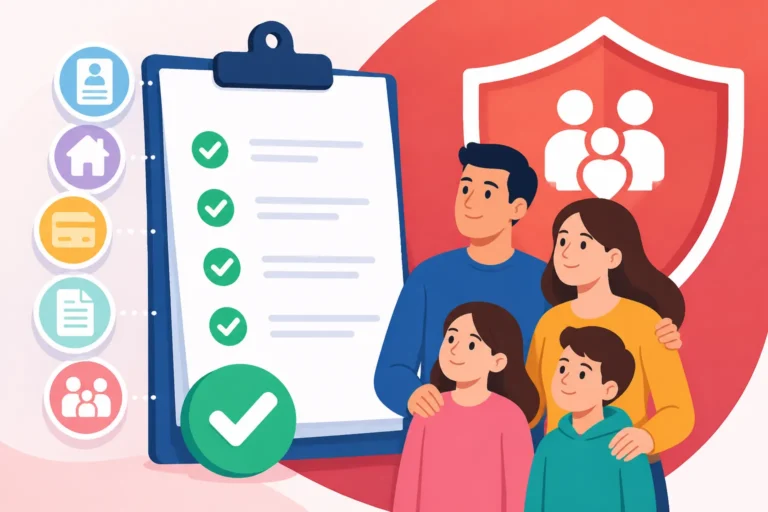
Think about the standard checklist: application form, passport, passport photos, invitation letter, flight reservations, accommodation details, financial proof, insurance, proof of ties to home country. Any deviation from the specified format can be a problem.
- Passport: Must be valid for at least three months beyond the intended departure date from the Schengen Area, and have at least two blank pages. An expired or nearly expired passport is an instant no-go.
- Passport Photos: They are incredibly particular about photo specifications. Incorrect size, wrong background color, or a photo older than six months will get rejected. We have a detailed guide on Passport Photos for Swiss Visas: Exact Size and Background Rules that every applicant should consult.
- Application Form: Every single field must be filled completely and accurately. Inconsistencies between the form and supporting documents are major red flags.
- Invitation Letter: While you, the resident, might write a warm, personal letter, the authorities need a very specific, formal invitation letter that includes precise dates, purpose of visit, detailed contact information for both parties, and an explicit confirmation of who is covering costs.
- Translations: If any documents are not in one of Switzerland's official languages (German, French, Italian) or English, they often require certified translations. A simple Google Translate printout won't cut it.
Even something as seemingly minor as not stapling documents in the correct order, or forgetting to sign every required page, can cause delays or outright rejection. This meticulousness is something you also see when compiling a Document Checklist for Renewing a Swiss Family Reunification Permit for long-term stays; the same level of precision applies here.
Previous Immigration Violations or Overstays
If the applicant has any history of violating immigration laws in any Schengen country or other nations, their chances of getting a Swiss visitor visa plummet significantly. This isn't just about Switzerland; the Schengen information system (SIS) shares data among all member states.
Common violations include:
- Previous Visa Overstays: Staying beyond the validity period of a previous visa.
- Illegal Employment: Working without proper authorization during a previous visit.
- False Declarations: Providing false information or forged documents in past applications.
- Deportation History: Being deported from any country.
- Criminal Record: A serious criminal offense, even if not directly immigration-related, can lead to refusal.
Even if the violation occurred years ago in a different Schengen country, it will very likely show up and severely jeopardize the current application. The Swiss authorities prioritize national security and orderly migration, and past transgressions indicate a higher risk of future non-compliance. It's a tough pill to swallow, but if there's a history, it needs to be declared truthfully, and often an explanation should be provided, though success rates are slim.
The Swiss Side of the Equation: What Authorities Look For
It's easy to feel like the Swiss visa process is a black box, but understanding the perspective of the authorities can help in preparing a stronger application. They're not just looking for reasons to say no; they're following strict guidelines to protect the integrity of their borders and social welfare system.
The Swiss Embassy/Consulate's Perspective
The embassy or consulate in your family member's home country is the first line of defense. Their job is to assess the applicant's intentions and eligibility based on the documentation provided. They are trained to identify potential risks, such as individuals who might use a tourist visa to seek illegal employment, or those who might attempt to stay permanently.
They typically assess:
- Credibility of Purpose: Does the stated purpose of the visit (tourism, family visit) align with the applicant's profile and documents? For instance, a long, open-ended trip without a clear itinerary for someone with weak ties back home might be questioned.
- Financial Stability: As discussed, can the applicant (or sponsor) genuinely afford the trip and all associated costs without becoming a public charge?
- Genuine Intent to Return: This is where all the "ties to home country" evidence comes in. They want to see a clear and logical reason for the applicant to leave Switzerland.
- Schengen History: Any previous refusal or violation within the Schengen zone is a major point of consideration.
They essentially act as gatekeepers, trying to filter out applications that don't meet the stringent criteria. The embassy staff are not there to befriend you; they are civil servants following protocols, and even a minor oversight can lead to a formal "no."
The Role of the Cantonal Migration Office
Once the application passes the initial embassy review (or sometimes in parallel, depending on the canton and specific case), it might be forwarded to the Cantonal Migration Office (Migrationsamt) in Switzerland, particularly if a Verpflichtungserklärung: Sponsoring a Visitor's Financial Guarantee Letter is involved. This is where your, the resident's, situation comes under the microscope.
The Cantonal Migration Office will confirm:
- Sponsor's Status: Are you, the inviting resident, legally residing in Switzerland with a valid permit (B or C permit usually, L permit is often too temporary and risky for a long-term commitment like a
Verpflichtungserklärung)? - Sponsor's Financial Capacity: They will scrutinize your salary slips, tax returns, and even check the debt register (
Betreibungsamt) to ensure you have the financial means and a clean record to act as a guarantor. They want to see consistent, verifiable income. This is similar to how they would assess Income Thresholds for Family Reunification: How Much Salary Do You Need? for a spouse or child, albeit for a temporary visit. - Accommodation: Do you have adequate living space for your guests, especially if they are staying with you for an extended period? While less strict for short visits than for family reunification, it’s still a factor.
Discrepancies here can be fatal. If your family member states they are visiting for 30 days and you state 15, or if your income declared to the migration office doesn't match the documents your family member submitted to the embassy, it will raise serious questions. The Swiss bureaucracy operates on consistency and verifiable facts, and any contradiction can be interpreted as an attempt to mislead. This rigorous cross-checking is why preparing a thorough application is so exhausting; you’re not just convincing one office, but potentially two, often across international borders.
What to Do After a Refusal & Future Steps
Receiving a visa refusal is crushing, but it's not always the absolute end of the road. You have options, though each comes with its own set of challenges.
Understanding the Refusal Letter
The very first step is to carefully read and understand the refusal letter. It should state the specific reasons for the denial, often referencing the relevant articles of the Schengen Borders Code. While they can be frustratingly vague sometimes, these reasons are your roadmap for any next steps. For example, it might say "Justification for the purpose and conditions of the intended stay was not provided" or "Your intention to leave the territory of the Member States before the expiry of the visa could not be ascertained."
Don't just skim it; dissect every sentence. This letter is crucial for deciding whether to appeal or reapply. If it points to an obvious missing document, that's one thing. If it's about "doubt regarding return intent," that's a much harder battle.
The Appeal Process (Rekurs)
Yes, you can appeal a visa refusal. This is generally done by submitting a written appeal (a Rekurs or recours) to the authority that issued the refusal (usually the State Secretariat for Migration, SEM, or the cantonal migration office). You'll typically have a short deadline, often 30 days, from the date of the refusal notice.
Is it worth it? Honestly, the success rate for appeals can be low, and the process is often lengthy, complex, and costly. You'll need to submit a detailed written argument, often in an official language (German, French, or Italian), directly addressing each point of refusal and providing new, compelling evidence to counter it. For instance, if the refusal was due to "insufficient proof of funds," you might provide clearer bank statements or a stronger Verpflichtungserklärung: Sponsoring a Visitor's Financial Guarantee Letter. If it was "lack of return intent," you'd need even more robust evidence of your family member's ties to their home country.
Often, it's a good idea to seek advice from an immigration lawyer if you choose to appeal. They understand the legal intricacies and can help structure your case effectively. However, remember that Appealing a Permit Refusal: Costs and Realistic Success Rates are often challenging, and Hiring an Immigration Lawyer in Switzerland: When It's Worth It is a financial commitment. Expect several months for a decision, during which time your family member cannot apply for another Schengen visa.
Reapplying for the Visa
In many cases, it's simpler and more effective to reapply for the visa, provided you can directly address the reasons for the initial refusal. This means:
- Understand the Refusal: Use the refusal letter to pinpoint exactly what went wrong.
- Rectify the Issues: If documents were missing, get them. If financial proof was insufficient, gather more. If return intent was doubted, find stronger evidence of ties to the home country.
- Strengthen Your Case: Don't just resubmit the same application. Go above and beyond. Provide more context, more supporting letters, clearer itineraries. Ensure your chosen insurance provider, perhaps Cigna Global, is explicitly Schengen-compliant. If the issue was poor documentation or lack of clarity, a specialist moving service like Sirelo might be able to help with general relocation planning and paperwork insights, though they don't handle visa applications directly.
- Wait if Necessary: There's usually no official waiting period to reapply for a short-stay visa (unless you're appealing the previous decision), but if the situation hasn't changed, reapplying immediately might just lead to another refusal. It's better to improve your case.
This route allows you to start fresh, incorporating lessons learned from the refusal. Sometimes, simply rescheduling the trip for a different time of year or shortening the duration can make a difference if the original plan seemed too ambitious for the applicant's profile.
Here's a quick table to help you categorize and tackle common refusal reasons:
| Common Refusal Reason | Suggested Action for Reapplication |
|---|---|
| Insufficient Proof of Funds | Provide more recent, higher-value bank statements; if host-sponsored, provide clearer salary slips, tax returns, and a detailed breakdown of your own finances to show disposable income. Ensure the Verpflichtungserklärung is signed and accepted by the Cantonal Migration Office. |
| Lack of Return Intent | Gather stronger evidence of ties to home: original employment letter with confirmed return date, property deeds, marriage certificate (if applicable), proof of dependent children remaining in home country, evidence of strong community involvement. Previous travel history showing compliance is key. |
| Inadequate Travel Medical Insurance | Purchase a new policy that explicitly meets all Schengen requirements (min. EUR 30,000, repatriation, valid for entire Schengen Area). Consider well-known international providers like Cigna Global. |
| Incomplete/Incorrect Documentation | Go through the embassy's checklist line-by-line. Double-check all dates, spellings, signatures. Ensure passport photos meet Passport Photos for Swiss Visas: Exact Size and Background Rules standards. Have all non-English/German/French/Italian documents officially translated. |
| Purpose of Stay Unclear/Not Justified | Provide a more detailed day-by-day itinerary of planned activities, confirmed flight and accommodation bookings, and a more specific invitation letter explaining why your family member is visiting you at this specific time. |
| Previous Immigration Violation | This is the hardest. If applicable, seek legal advice immediately (Hiring an Immigration Lawyer in Switzerland: When It's Worth It). Explain the circumstances of the past violation (if you can credibly demonstrate rehabilitation or changed circumstances), but often, this leads to long-term visa bans. |
| Discrepancies in Information | Ensure all information submitted by the applicant and the host (you) is perfectly consistent. Check dates, addresses, phone numbers, and financial figures across all documents. Any mismatch will raise suspicion. This also applies to the broader context of applications like Family Reunification Timelines: How Long Before Your Spouse Can Join. |
It's a tough process, no doubt. The Swiss system demands an almost obsessive level of detail and foresight. But with persistence, meticulous preparation, and a clear understanding of what they're looking for, you can increase your family members' chances of finally getting that coveted visa stamp. Don't give up hope, but do adjust your strategy based on the feedback you receive.
Disclaimer
Please remember that I am an expat blogger, not a legal or immigration professional. The information provided in this guide is based on personal experience, general knowledge, and publicly available resources. Immigration laws and regulations in Switzerland are complex and subject to change. Always consult with the official Swiss embassy or consulate in your family member's country of residence, or a qualified immigration lawyer, for the most accurate and up-to-date advice regarding specific visa applications.