Financial Checklist Before Moving to Switzerland: What to Set Up First
Moving to Switzerland is a dream for many, but the financial reality can feel like a cold shower if you are not prepared for the sheer volume of upfront costs. This guide breaks down the essential financial steps you need to take before you board your flight, ensuring you have the right accounts, tax strategies, and budget expectations to survive your first 90 days in the land of high premiums and precise paperwork.
Master Your Move-In Liquidity and Currency Strategy
The most immediate shock for any newcomer is the "entry fee" to Swiss life. Unlike many countries where you can glide in with a credit card and figure it out later, Switzerland demands significant liquidity in Swiss Francs (CHF) from day one. If you are coming from the US, UK, or even the Eurozone, your first hurdle is moving your life savings without getting mauled by your home bank's predatory exchange rates and hidden fees.
The Brutal Reality of Swiss Rental Deposits
When you finally land that 3.5-room apartment in Oerlikon or Eaux-Vives, you will be expected to cough up a rental deposit (Mietkaution) that is typically equivalent to three months of "cold" rent. In cities like Zurich or Geneva, where a modest flat can easily run you 2,500 CHF a month, you are looking at an immediate 7,500 CHF outlay just for the deposit, plus the first month’s rent in advance. This money must be placed in a special blocked account. Because you cannot easily open this account until you have your permit and a local bank, you need to have this cash ready and accessible. Many expats make the mistake of keeping their house-deposit funds in their home currency, only to find that when they need to pay, the exchange rate has dipped or their home bank has a 5,000 USD daily transfer limit.
Bridging the Currency Gap with Modern Tools
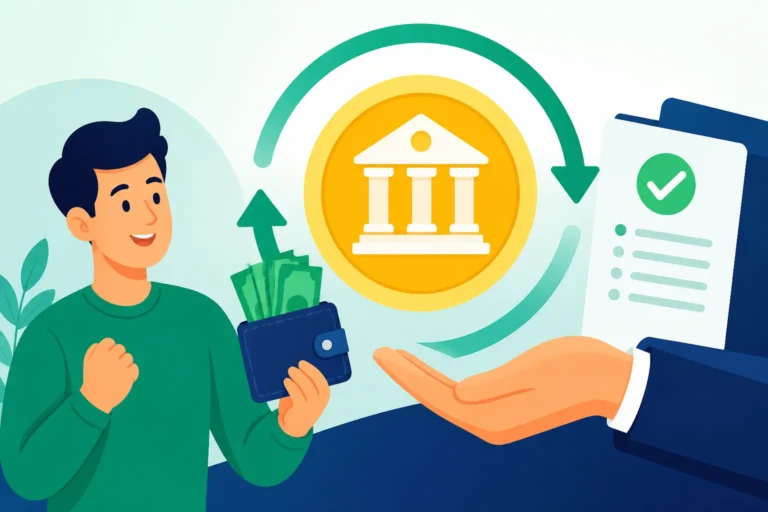
I remember my first move; I used a traditional high-street bank to transfer my initial relocation allowance. By the time the "intermediary bank fees" and the 3% spread on the exchange rate were finished with me, I had lost enough to pay for a year's worth of The Half-Fare Travelcard (Halbtax): The Must-Have Pass for Swiss Residents. This is where using a specialized service like Wise becomes non-negotiable. Before you leave, set up a multi-currency account so you can hold CHF and convert your home currency when the rates are favorable. Using Wise allows you to send those large sums for your rental deposit or your first car purchase with transparent mid-market rates, saving you thousands of francs compared to traditional wire transfers.
Emergency Buffer for Hidden Administrative Fees
Beyond the rent, there is a mountain of "small" fees that aggregate into a massive bill. You will need to pay for your residence permit biometrics, your local "Gemeinde" registration fee, and likely a Checking Your Debt Register Extract (Betreibungsauszug) for Loans if you try to apply for anything on credit. Even your trash needs a specific budget; in most cantons, you must buy official, taxed garbage bags. If you don't have at least 5,000 CHF in a "buffer" fund—separate from your rent and deposit—the first month will feel like a constant scramble to stay liquid.
Structuring Your International Tax Strategy Before Departure
Switzerland's tax system is famously decentralized, meaning your "financial home" is not just the country, but the specific commune where you sleep. Before you sign a lease, you need to understand how your specific permit type will dictate your relationship with the tax office. Failing to plan this can lead to a massive, unexpected tax bill eighteen months down the line.
Navigating Quellensteuer vs Ordinary Assessment
If you are a non-Swiss citizen on a B Permit earning less than 120,000 CHF a year, you will likely be taxed at source (Quellensteuer). This is convenient because the money is deducted directly from your paycheck. However, the moment you earn over that threshold or move to a C Permit, you must deal with Withholding Tax (Quellensteuer) vs Standard Taxation for Foreigners and file a traditional return. Many expats are caught off guard by the difference in rates between cantons. If you choose to live in Zurich but work in Zug, you are taxed based on where you live. Before you move, use a tax calculator to compare how living in different communes will affect your take-home pay.
Dealing with Dual-Filing Requirements for US Expats
For Americans, the move to Switzerland is a double-edged sword. You will be earning a high salary in one of the world's most stable currencies, but you are still shackled to the IRS. Switzerland is a high-tax country in some cantons and low in others, which complicates your Foreign Tax Credit. It is vital to consult with a specialist like Taxes for Expats before you relocate. They can help you understand how your Swiss pension contributions (the "Three Pillars") will be viewed by the US government. Often, US citizens accidentally trigger "PFIC" rules by investing in Swiss mutual funds through their local bank, leading to punitive US tax rates. Taxes for Expats can provide a roadmap to ensure you are compliant in both Bern and Washington D.C. from the start.
Understanding Wealth Tax Early
Switzerland is one of the few countries that still imposes a comprehensive wealth tax (Vermögenssteuer). This isn't just about the money in your Swiss bank account; it includes your global assets, including property you still own back home and your brokerage accounts in London or New York. While the rates are generally low (often between 0.1% and 0.5% depending on the canton), the reporting requirements are strict. You should have a clear valuation of all global assets ready before your first Filing a Swiss Tax Return (C Permit or High Earners on B Permit) becomes due, as the Swiss authorities are increasingly proficient at cross-border data sharing.
Essential Financial Documents Checklist
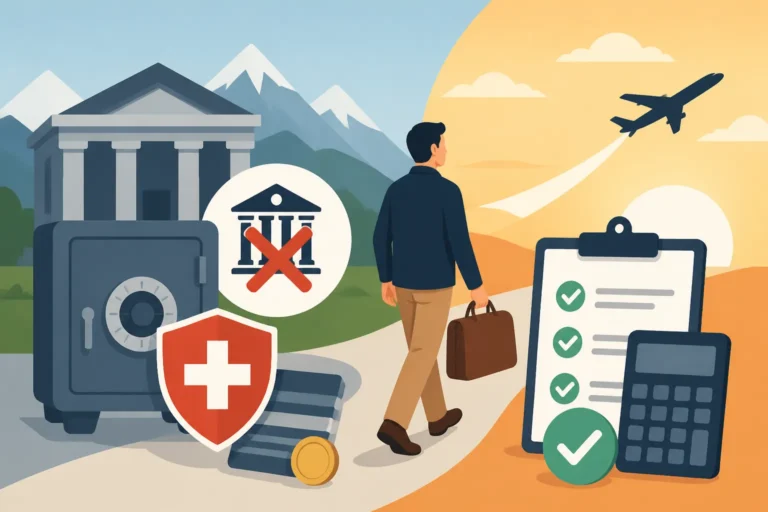
| Document Category | Why You Need It | Where to Store It |
|---|---|---|
| Proof of Solvency | To rent an apartment or get a mobile contract without a deposit. | Certified bank statements (last 6 months). |
| Lohnausweis / Contract | Required for permit applications and opening high-tier bank accounts. | Original signed employment contract. |
| Global Asset Ledger | For the mandatory Swiss wealth tax declaration. | List of all overseas real estate and stock values. |
| Insurance Records | To prove previous coverage and potentially lower your Swiss premiums. | No-claims bonus certificates from your car insurer. |
| Address History | Required for the "Betreibungsauszug" (debt check) in some cantons. | List of all residences for the last 5 years. |
Setting Up Your Swiss Banking Infrastructure
You cannot truly exist in the Swiss economy without a local IBAN. From receiving your salary to paying your The Serafe Fee 2026: Paying the Mandatory CHF 335 Media Tax, a local account is the foundation of your new life. However, not all banks are created equal, and some are more "expat-friendly" than others.
Selecting the Right Bank for Your Permit Type
Traditional giants like Opening a Swiss Bank Account: UBS, ZKB, PostFinance, and Neobanks are the safest bet for new arrivals, especially if you have a complicated international profile. They are accustomed to dealing with B-permit holders and offer English-language interfaces. However, be aware that many cantonal banks (like ZKB or BCV) have a strong preference for residents of their specific canton. If you open an account in Zurich and then move to Lausanne, you might find yourself needing to close and reopen accounts to avoid "out-of-canton" fees.
Neobanks vs Traditional Cantonal Banks
For the tech-savvy expat, the rise of Swiss neobanks has been a game-changer. Once you have your residence permit and a local address, you should check Is Neon Bank Safe? Swiss Deposit Protection up to CHF 100,000. These apps offer zero-fee accounts and much better exchange rates for when you travel back home or go shopping in Germany or France. I usually recommend that newcomers open a "big bank" account first to satisfy the bureaucracy of the rental deposit, and then immediately set up a neobank account for their daily spending to save on monthly maintenance fees.
Cashless Living and TWINT Integration
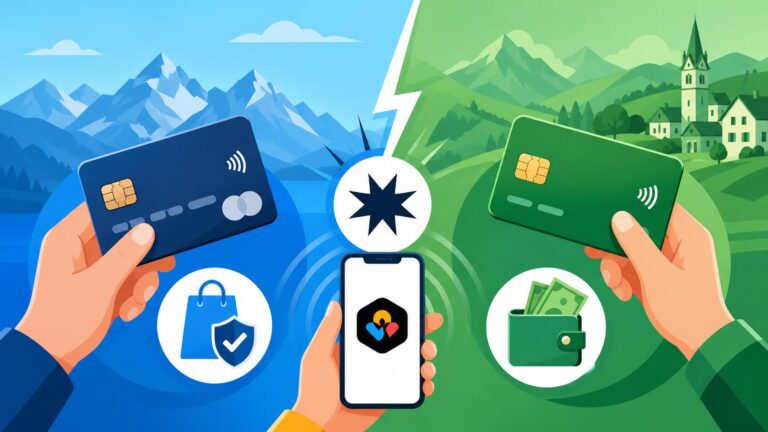
Switzerland has moved rapidly toward a cashless society, but with a unique twist: TWINT. This is the national payment app that links directly to your bank account. You will use it to pay for parking, split dinner bills, and even buy farm-fresh eggs from a self-service fridge in the Alps. When setting up your banking, ensure your chosen provider has a native TWINT app. Using How to Set Up and Use the TWINT Payment App as an Expat will make your social integration significantly smoother, as "I'll TWINT you" is the standard phrase for settling any small debt among friends.
Organizing Your Insurance and Administrative Paperwork
In Switzerland, insurance is not a suggestion; it is a legal requirement that is enforced with Swiss precision. If you don't organize this within your first 90 days, the government will eventually choose a provider for you, and it will almost certainly be the most expensive one available.
The 90-Day Health Insurance Window
Every resident must have basic health insurance (KVG/LAMal). You have a three-month window to sign up after you register at your local town hall. However, here is the "expat trap": even if you wait until day 89 to sign up, your coverage is backdated to your first day of residency. This means you will suddenly receive a bill for three months of premiums all at once. For a family of four, this could easily be a 4,000 CHF surprise. Start researching Healthcare in Switzerland for Expats: The Complete System Overview (2027) before you arrive so you can budget for these monthly premiums, which average around 350-500 CHF per adult.
Liability and Household Insurance Realities
While health insurance is the only one "mandated" by federal law, Mandatory and Optional Insurance: Liability, Legal, and Household insurance is effectively mandatory if you want to rent an apartment. Almost every Swiss landlord will refuse to hand over the keys unless you can show proof of "Privathaftpflicht" (Private Liability) coverage. This protects you if you accidentally damage the parquet floors or, heaven forbid, lose the high-security key to your apartment building, which can cost thousands to replace. Fortunately, these policies are relatively cheap (around 150-200 CHF per year), but you should have them lined up the moment you start your apartment hunt.
Moving Savings Without Losing a Fortune
As you settle these insurance bills and deposits, you will likely be moving more money from your home country. I cannot stress enough the importance of avoiding the "wire transfer" button in your old bank app. Use Wise to facilitate these payments. When you are paying for things like Swiss Apartment Handovers (Wohnungsübergabe): Protocols and Deposits, the difference in the exchange rate offered by Wise versus a traditional bank can literally save you enough to buy a brand new e-bike for your commute.
Financial Disclaimer
The information provided in this guide is for educational and informational purposes only and does not constitute professional financial, legal, or tax advice. Switzerland's laws and regulations are subject to change at the federal, cantonal, and municipal levels. Always consult with a qualified Swiss tax advisor or financial professional regarding your specific situation, especially concerning international tax compliance and permit-related financial obligations.