Spitex vs Nursing Homes: Choosing Elderly Care for Expat Relatives
One of the most heart-wrenching and complex challenges expat families face in Switzerland is navigating the labyrinthine world of elderly care for their beloved relatives. It’s not just about finding a good place or service; it’s about understanding a system that operates very differently from what many of us are used to, often layered with language barriers, cultural nuances, and significant financial implications. This comprehensive guide aims to cut through the confusion surrounding Spitex services and traditional nursing homes, empowering you to make informed, empathetic decisions that truly honor your loved ones' needs.
Understanding Spitex: Home Care Services for the Elderly
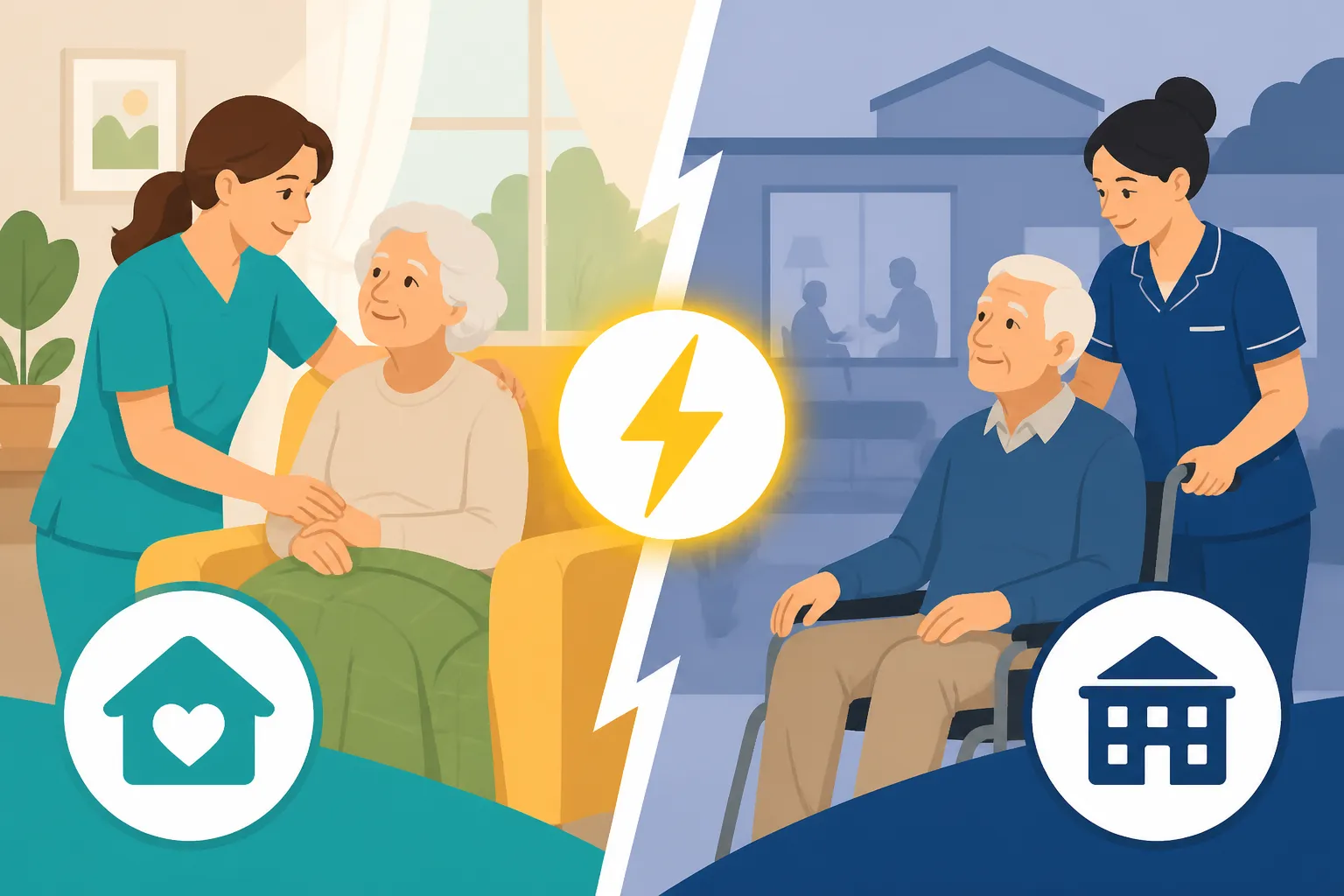
When your parents or other elderly relatives are living in Switzerland, and their needs start to grow beyond what you can comfortably provide, the first thought might be "do we need to put them in a home?" But hold on a minute, because Switzerland offers a fantastic alternative that often allows people to stay in their own cherished surroundings for much longer: Spitex.
What Exactly is Spitex and How Does It Work?
Spitex, an abbreviation derived from "Spital-extern" (meaning "outside the hospital"), is Switzerland's highly organized system of home care services. In the French-speaking parts, you'll hear it referred to as Soins à domicile, and in Ticino, Servizi a domicilio. Essentially, it brings professional, tailored support directly into the home of those who need it, enabling them to maintain their independence and quality of life for as long as possible. It's a lifeline for many, especially those who deeply value their personal space and routines.
The range of services provided by Spitex is surprisingly broad and incredibly flexible, adapting to the individual's evolving needs. This isn't a one-size-fits-all solution; instead, a care plan is meticulously put together after an initial assessment by a qualified nurse. These services can include:
- Personal Care: This covers assistance with daily living activities that might become challenging, such as bathing, showering, dressing, eating, and mobility within the home. Imagine your mother, who has always been fiercely independent, now struggling with buttoning shirts or safely getting in and out of the shower. Spitex provides that discreet, respectful help without requiring her to leave her familiar surroundings.
- Medical Care: Perhaps one of the most critical aspects, Spitex nurses can administer medication, change wound dressings, monitor vital signs, manage catheters, and provide other medically prescribed treatments right at home. This is particularly beneficial for individuals recovering from surgery, managing chronic conditions like diabetes, or needing regular injections. They act as a crucial link to the broader healthcare system, often coordinating with your relative's general practitioner.
- Household Help: Beyond direct personal and medical care, some Spitex organizations also offer support with household tasks. This might include light cleaning, grocery shopping, preparing meals, or doing laundry. For many elderly individuals, the physical strain of these chores can become overwhelming, and having a helping hand makes a world of difference.
- Social Support and Companionship: While not always the primary focus, some Spitex services also provide a degree of social interaction and companionship, helping to combat loneliness and isolation. A caregiver spending an hour with your relative might not just be assisting with tasks but also offering a friendly face, a listening ear, and a connection to the outside world.
The beauty of Spitex lies in its personalized approach. A care plan is developed based on a detailed assessment of the individual's health, living situation, and personal preferences, and it can be adjusted as needs change. This adaptability is key in a country like Switzerland, where maintaining one's independence (or Selbstständigkeit) is highly valued.
The Benefits and Challenges of Spitex for Expats
Choosing Spitex for an elderly expat relative involves weighing numerous factors, from the highly practical to the deeply emotional. It’s a decision that often feels monumental, and it's completely normal to feel overwhelmed by it.
The Silver Linings: Benefits of Spitex
For many expat families, Spitex presents a compelling array of benefits:
- Maintaining Independence and Familiarity: This is often the top priority for elderly individuals. Staying in their own home, surrounded by their possessions, memories, and neighborhood, can significantly boost morale and overall well-being. It avoids the disruptive and often disorienting experience of moving to an unfamiliar institution.
- Tailored and Flexible Support: As we discussed, Spitex isn't a fixed package. It's a bespoke service designed to meet specific needs at specific times. If your relative only needs help with morning hygiene and medication, that's what they get. If their needs increase, the plan can be scaled up. This flexibility can be incredibly reassuring.
- Potential for Cost-Effectiveness: While not always cheaper than a nursing home in the very long run for extensive 24/7 care, for many levels of need, Spitex can be a more economical option. Basic health insurance (KVG/LAMal) covers medically prescribed nursing care provided by Spitex, significantly reducing the out-of-pocket burden for essential medical services. For a deeper dive into the Swiss healthcare system, check out our guide on Healthcare in Switzerland for Expats: The Complete System Overview (2027).
- Continued Community Integration: Remaining at home means your relative can continue to be part of their local community, perhaps attending local clubs, visiting familiar shops, or seeing neighbors. This social connection is vital, especially for expats who might already feel a degree of separation from their home countries.
- Family Involvement: Spitex allows family members to remain central to the care process, coordinating with caregivers and feeling more involved in their loved one's daily life, rather than delegating full responsibility to an institution.
The Rocky Paths: Challenges of Spitex
However, Spitex isn't without its hurdles, particularly for expat families navigating an unfamiliar system:
- Availability and Timeliness: Depending on the canton and the specific services needed, there can sometimes be waiting lists, especially for certain types of specialized care or during peak times. In some rural areas, the range of services might be more limited than in urban centers.
- Language Barriers: While many Spitex organizations employ multilingual staff, finding a caregiver who speaks your relative's native language and the local Swiss language (German, French, or Italian) can be a challenge. Communication is crucial, not just for practical instructions but also for emotional connection and understanding. It can be frustrating to know your loved one might struggle to express their needs fully.
- Cost Structure Beyond Basic Care: This is where it gets tricky. While basic medical nursing care is covered by KVG, personal care (e.g., help with dressing if it's not strictly medically necessary) and household help are generally not. These "non-medical" services often come with significant hourly fees that must be paid out-of-pocket or potentially covered by very specific supplementary insurance. Understanding KVG/LAMal: Mandatory Basic Health Insurance Explained is a critical first step, but remember its limitations here.
- Coordination for Complex Needs: If an elderly relative has very complex or rapidly changing medical needs, or requires round-the-clock supervision due to conditions like advanced dementia, coordinating multiple Spitex visits throughout the day and night can become logistically challenging and very expensive. At some point, the fragmentation of care might become less effective than a consolidated institutional setting.
- Managing Expectations: Expats, both the elderly relative and their family, may come from countries where home care is funded differently or structured with different expectations. The Swiss "self-sufficiency" principle (where individuals are expected to cover costs as much as possible) can be a shock, and understanding the financial implications requires diligent research.
Navigating Nursing Homes (Alters- und Pflegeheime) in Switzerland
For some situations, home care, even with the extensive support of Spitex, may no longer be sufficient or safe. This is when the difficult but necessary conversation about nursing homes (or care homes) comes into play. Switzerland has a well-developed network of these facilities, known generally as Altersheime (residential homes for the elderly) or Pflegeheime (nursing homes with comprehensive medical care), Maisons de retraite or Foyers médicalisés in French, and Case per anziani or Case di cura in Italian.
What to Expect from a Swiss Nursing Home
Moving a loved one into a nursing home is a profound decision, often fraught with guilt and sadness. However, understanding what these institutions offer in Switzerland can help demystify the process and highlight the unique benefits they provide when home care options are exhausted.
Swiss nursing homes are designed to provide a safe, structured, and professionally supported environment for elderly individuals who can no longer live independently due to health conditions, cognitive decline, or a need for constant supervision and medical attention. There's a subtle but important distinction between different types of facilities:
- Altersheim (Residential Home): These are typically for elderly individuals who are largely independent but may benefit from communal living, prepared meals, and some assistance with daily tasks (like personal hygiene or medication reminders). They are more about supported living than intensive medical care. Residents usually have their own room or apartment within the facility and access to various communal spaces and activities.
- Pflegeheim (Nursing Home/Care Home): These facilities are equipped to provide 24/7 comprehensive nursing care, often with medical staff on-site or readily available. They cater to individuals with more significant health issues, mobility challenges, or advanced cognitive impairments like dementia, who require constant supervision, specialized medical treatments, and extensive assistance with all activities of daily living. This is where you would expect to find dedicated dementia units or rehabilitation services.
Regardless of the type, you can generally expect a high standard of care and facilities in Swiss nursing homes. These typically include:
- Private Rooms: Most residents will have their own private room, often with an en-suite bathroom, which they can personalize with their own furniture and belongings to create a sense of home. Some facilities may offer shared rooms, which can sometimes be a more economical option.
- Communal Areas: Living rooms, dining rooms, activity rooms, and often beautifully maintained gardens are standard features. These spaces encourage social interaction and participation in group activities.
- Meals: Meals are typically prepared on-site, offering balanced nutrition and catering to various dietary needs. Mealtimes are often a social highlight of the day.
- Activities Program: Swiss nursing homes usually offer a range of daily activities designed to stimulate residents mentally, physically, and socially. These can include gentle exercise, creative arts, music therapy, games, outings, and cultural events. The goal is to keep residents engaged and maintain their cognitive and physical functions as much as possible.
- Medical and Nursing Staff: Especially in Pflegeheime, there is a dedicated team of qualified nurses and caregivers available around the clock. Doctors typically visit regularly, and there are clear protocols for managing emergencies and chronic conditions.
Consider a scenario: your expat father, who has been living with you, develops advanced Parkinson's disease. His mobility becomes severely restricted, requiring two people to assist him, and he often chokes during meals. He also experiences frequent falls. In such a situation, a Pflegeheim would offer the constant supervision, specialized lifting equipment, feeding assistance, and immediate medical response that home care, even with Spitex, could not safely or sustainably provide.
The Pros and Cons for Expat Families
Deciding on a nursing home is a deeply personal and often agonizing process. For expat families, the layers of cultural differences and administrative complexities can make it even harder.
The Steady Ground: Advantages of Nursing Homes
When Spitex is no longer viable, or for certain complex needs, nursing homes offer distinct advantages:
- 24/7 Professional Care: This is the primary benefit. Knowing that qualified nurses and caregivers are always on hand to assist with personal care, medication, and emergencies provides immense peace of mind. This is particularly crucial for conditions requiring constant supervision, such as advanced dementia or severe mobility impairment.
- Specialized Medical Attention: Pflegeheime are equipped to handle complex medical needs, wound care, palliative care, and chronic disease management that would be difficult to coordinate at home. Access to on-site medical professionals or regular doctor visits ensures prompt attention to health changes.
- Structured Social Environment: For many elderly individuals, especially those who live alone or are socially isolated, a nursing home provides a built-in community. Regular activities, communal meals, and interactions with staff and other residents can combat loneliness and foster a sense of belonging.
- Relief for Family Caregivers: The emotional and physical toll of being a primary caregiver can be enormous. A nursing home provides professional care, allowing family members to return to their role as children or spouses, rather than full-time nurses, reducing burnout and improving family dynamics.
- Safety and Security: Nursing homes offer a controlled environment, reducing risks of falls, wandering (for dementia patients), and other household accidents. They are designed with safety features and emergency response systems.
The Steep Climb: Disadvantages of Nursing Homes
Despite the clear benefits, Swiss nursing homes come with significant drawbacks that expats must confront:
- Exorbitant Costs: This is often the biggest shock. Swiss nursing homes are notoriously expensive. The average monthly cost can range from CHF 8,000 to CHF 12,000 or even more, depending on the canton and the level of care required. Even with insurance and pension contributions, the out-of-pocket contribution can be substantial. Understanding the true Cost of Living in Switzerland 2026: Budgeting for Singles and Families needs to account for such potential expenditures.
- Loss of Independence and Familiarity: Moving into an institution inevitably means a loss of autonomy and leaving a familiar home. This transition can be emotionally devastating for the elderly individual, leading to depression, confusion, and resistance, especially if they are already dealing with cognitive decline.
- Potential Isolation and Cultural Disconnect: While activities are provided, an expat relative might struggle to connect if there are significant language or cultural barriers with staff or other residents. Imagine a parent from a non-European background trying to engage in conversations in Swiss German or French with people who don't share their life experiences or cultural references.
- Administrative Hurdles and Waiting Lists: Securing a place in a preferred nursing home can involve extensive paperwork, assessments, and often, long waiting lists, especially for high-quality facilities in desirable locations. The application process itself can be a bureaucratic headache for expat families.
- Emotional Impact: Beyond the financial and logistical aspects, the emotional toll on both the elderly relative and the family is immense. It's a decision often accompanied by guilt, grief, and the profound realization of a loved one's declining health.
Cost and Funding: The Swiss Reality for Elderly Care
Now, let's talk about the elephant in the room: money. The Swiss healthcare and social welfare system is excellent, but it operates on a principle of individual responsibility, which means you (or your elderly relative) are expected to contribute significantly to the cost of care. For expats, this can be a major source of stress and misunderstanding.
What Basic Health Insurance (KVG) Covers
It's crucial to understand that Switzerland's mandatory basic health insurance (KVG/LAMal) has specific, and somewhat limited, coverage for long-term elderly care. It's not a blanket solution for all your loved one's needs.
Here's the breakdown:
- Medically Necessary Nursing Care: KVG does cover the costs of medically prescribed nursing care, whether it's provided by Spitex at home or by qualified staff within a recognized nursing home. This includes things like medication administration, wound care, basic medical treatments, and vital sign monitoring. These are services that a doctor has explicitly deemed necessary.
- Contribution to Nursing Home Care: In a nursing home, KVG contributes a fixed daily amount towards the medical and nursing services component of the bill. This amount is legally defined and is the same across all basic insurance providers. However, this KVG contribution is only a fraction of the total daily cost of a nursing home.
- Deductibles and Co-pays: Just like with any other medical treatment, your relative will still be responsible for their chosen annual deductible (Franchise) and a 10% co-payment (Selbstbehalt) on the KVG-covered portion of the costs, up to a maximum annual co-payment amount. To fully grasp this, it's worth reviewing The Swiss Franchise System: How Deductibles and Copays Work.
What KVG does not cover is equally important:
- Room and Board in Nursing Homes: KVG absolutely does not cover the cost of accommodation (the room) or food (board) in a nursing home. These are considered "living expenses."
- Personal Care in Nursing Homes: While some personal care is intrinsically linked to medical nursing, KVG generally does not cover routine personal care such as assistance with washing, dressing, or eating if it's not directly tied to a medical diagnosis or nursing intervention.
- Non-Medical Spitex Services: As discussed, KVG does not cover household help, social companionship, or personal care provided by Spitex if it's not deemed medically necessary by a doctor.
This distinction between "medical care" (covered) and "living costs/personal assistance" (not covered) is fundamental to understanding elderly care funding in Switzerland.
Out-of-Pocket Expenses and Other Funding Options
Given KVG's limitations, you're likely wondering how on earth anyone affords elderly care in Switzerland. This is where the "self-sufficiency principle" really comes into play.
- Significant Out-of-Pocket Costs: For both Spitex (for non-medical services) and nursing homes (for room, board, and often a substantial portion of personal care), the vast majority of costs fall to the individual or their family. These out-of-pocket expenses can quickly deplete savings.
- Personal Savings and Assets: The expectation is that your elderly relative will first use their own savings, pensions, and other assets to cover these costs. This includes any Pillar 1 (AHV), Pillar 2 (BVG), or private Pillar 3a/3b pension funds they may have accumulated. A good starting point to understand this is The Three-Pillar Pension System: AHV, BVG, and Private Savings.
- Long-Term Care Insurance: Unlike some other countries, dedicated long-term care insurance (Pflegeversicherung) is not widely available or commonly purchased in Switzerland in the way it might be in North America. While some supplementary health insurance (VVG) policies might offer very limited benefits for home care or specific types of facility stays, they are rarely designed to cover the full, ongoing costs of long-term care. It's critical to review your relative's VVG policy very carefully, but don't expect it to be a magic bullet. For more on this, consult Supplementary Health Insurance (VVG): What It Covers and When to Buy It. This is also why our guide on Long-Term Care Insurance in Switzerland: Planning for Aging Parents is so crucial, as it details the current limited options.
- Cantonal Subsidies (Ergänzungsleistungen / Supplementary Benefits): If an individual's income and assets are insufficient to cover their essential living expenses, including the non-KVG covered portion of elderly care, they may be eligible for supplementary benefits (Ergänzungsleistungen – EL) from the canton. This is a complex area, means-tested, and typically requires the depletion of most personal assets (excluding a certain protected amount). Applying for EL often involves a detailed financial assessment and can be a lifeline for those truly in need, but it's a last resort after personal funds are exhausted. Don't confuse this with Cantonal Premium Reductions (Prämienverbilligung) for Low-Income Households, which helps with basic health insurance premiums, not direct care costs.
- Means-Tested Subsidies (Cantonal & Municipal): Some cantons and municipalities offer further subsidies, particularly for Spitex services, which are also means-tested. The rules vary significantly from one place to another.
The financial reality is stark: elderly care in Switzerland is largely self-funded. This necessitates frank and often difficult conversations about finances within expat families, and potentially early planning if such costs are on the horizon. Don't be afraid to seek professional financial advice in Switzerland, as navigating these waters alone can be incredibly taxing.
Making the Difficult Choice: Key Considerations for Expat Families
Choosing between Spitex and a nursing home is arguably one of the hardest decisions an expat family will ever face. There’s no one-size-fits-all answer, and what’s right for one family or individual might be completely wrong for another. The critical step is to approach this decision systematically, with as much information and empathy as possible.
Assessing Needs and Preferences
Before you even start looking at brochures or making phone calls, sit down and honestly assess the situation. This involves considering both objective medical needs and subjective personal preferences.
- Medical Needs: What is the actual level of care required?
- Does your relative need occasional assistance with daily tasks (like dressing or meal prep), or do they require continuous, skilled nursing care around the clock?
- Are there complex medical conditions, such as advanced diabetes requiring frequent insulin adjustments, serious wound care, or conditions like Alzheimer's that demand constant supervision?
- What is their mobility like? Can they walk independently, or do they rely on a wheelchair, or even require lifting assistance? The answers here will heavily lean towards Spitex for lighter needs and a nursing home for heavy, consistent medical requirements.
- Consider any specific medical equipment needed that might make staying at home difficult or unsafe without professional setup and maintenance.
- Cognitive State: This is a huge factor.
- Is there any degree of dementia or memory loss? If so, what stage is it? Mild cognitive impairment might be manageable with Spitex and memory aids at home. Advanced dementia, however, often necessitates the secure, structured environment and specialized staff of a nursing home to prevent wandering, ensure safety, and manage behavioral challenges.
- How well can your relative make decisions for themselves? This will influence their ability to articulate preferences and consent to care plans.
- Social Needs and Desires:
- Does your relative thrive on companionship and structured activities, or are they a solitary person who prefers their own company and routine? A nursing home offers built-in social interaction, while Spitex allows for continued independent living with occasional visits.
- Are they feeling lonely or isolated at home? This could be a nudge towards a more communal setting.
- What are their hobbies and interests? Can these still be pursued at home with Spitex support, or would a nursing home with dedicated activity programs be more beneficial?
- Language and Cultural Comfort: This is particularly salient for expat families.
- Is it crucial that caregivers speak your relative's native language or English? While many Swiss professionals speak English, finding dedicated caregivers who can communicate effectively and empathically in a specific language (e.g., Hindi, Mandarin, Spanish) can be challenging. Ask Spitex organizations and nursing homes about their multilingual staff.
- What are your relative's cultural expectations regarding care, privacy, and personal interaction? Some cultures might find institutional care less acceptable, or have different expectations around family involvement.
- Proximity to Family in Switzerland: How close are you to your relative? How much can you visit or assist? If you're geographically distant, the 24/7 care of a nursing home might be more reassuring than coordinating multiple Spitex visits.
- The Relative's Wishes: If your loved one is still capable of expressing their desires, their wishes should be paramount. Have open, honest, and sensitive conversations about their preferences. Sometimes, even if it's difficult, understanding their desired quality of life is the most important guide.
Practical Steps and Resources
Once you've made a preliminary assessment, it's time to dive into the practicalities. This process requires patience, persistence, and often, a willingness to ask uncomfortable questions.
- Consult with Medical Professionals and Social Workers: Your relative's general practitioner (Hausarzt/médecin de famille) is your first and most important resource. They can provide a medical assessment, give recommendations, and make referrals to Spitex or nursing home specialists. Hospital social workers are also invaluable if your relative is currently hospitalized. They understand the system and can guide you. Finding a good Finding Medical Care in Switzerland: Doctors, Specialists, and Referrals is key here.
- Contact Cantonal Spitex Organizations and Nursing Home Associations: In Switzerland, Spitex services are often organized cantonally or regionally. A quick search for "Spitex [your canton]" or "Alters- und Pflegeheime [your canton]" will give you a list of providers. Don't be shy about calling and asking questions in English; most will have someone who can assist.
Disclaimer
This article is for general informational purposes only and does not constitute professional advice. Laws, prices and regulations vary by location and change over time. Consult a qualified professional for guidance on your specific situation.