HPV Vaccination for Adults and Teens: Cantonal Programs in Switzerland
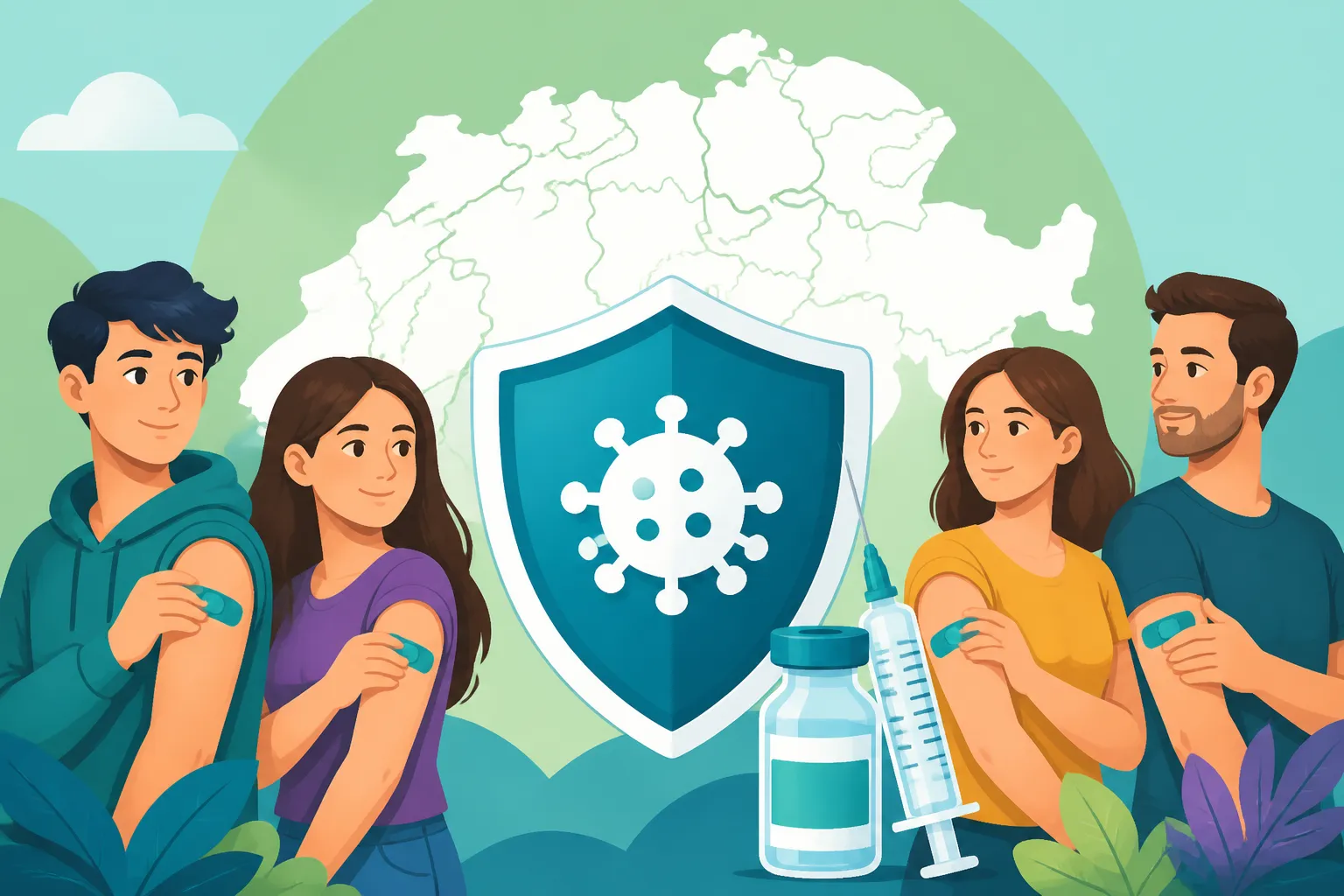
Moving to Switzerland, or even just living here for a while, can make you feel like you've landed on another planet when it comes to healthcare. Everything is so incredibly organized, yet simultaneously complex, especially when you're trying to figure out preventative care like vaccinations. This guide is designed to cut through the jargon and give you a clear picture of Human Papillomavirus (HPV) vaccination for both adults and teens across Switzerland's diverse cantonal programs, helping you understand how to access it and what it might cost.
Understanding HPV and Its Risks in Switzerland
Let's be honest, health topics can feel a bit dry, but understanding HPV is genuinely important, especially when living in a place with such excellent medical care as Switzerland. It’s one of those things that, once you know about it, you realise how crucial prevention truly is.
What is HPV and Why is Vaccination Important?
Human Papillomavirus (HPV) isn't just one virus; it's a group of over 200 related viruses, some of which are very common and can be transmitted through sexual contact. While many HPV types are harmless and cause no symptoms, certain high-risk types can lead to serious health issues, including various cancers. For women, the most well-known risk is cervical cancer, which is almost exclusively caused by HPV. But it's not just women who need to be concerned. HPV can also cause cancers of the anus, penis, vagina, vulva, and even some head and neck cancers, like oropharyngeal cancer. Think about it: a common virus that you might not even know you have could, years down the line, develop into a life-threatening illness. That's why vaccination is such a game-changer. It's a preventative shield against these high-risk strains, significantly reducing the chances of developing these cancers in the future.
Who is Most at Risk?
The simple answer is: sexually active individuals are at risk, as HPV is primarily spread through skin-to-skin contact, often during sexual activity. However, the key to effective vaccination lies in when it's given. The vaccine is most effective when administered before exposure to the virus, which is why national and cantonal programs across Switzerland (and indeed, worldwide) primarily target pre-teen and early teen years. This ensures maximum protection before potential exposure. But that doesn't mean adults are out of luck! Many countries, including Switzerland, recognize the benefit of "catch-up" vaccination for older teens and young adults who missed the initial window. This is because even if someone has been exposed to one type of HPV, the vaccine can still protect against other types they haven't encountered yet. It’s never too late to discuss the possibility with your doctor, as the protective benefits can be substantial.
The Swiss Approach to HPV Vaccination: Cantonal Programs and Recommendations
Navigating the healthcare system here in Switzerland can sometimes feel like trying to understand the nuances of Swiss German dialects – almost the same, but with crucial local differences! The HPV vaccination program is a perfect example of this cantonal flair. While there are federal recommendations, how they're implemented and funded can vary slightly depending on which of the 26 cantons you call home.
Federal Recommendations vs. Cantonal Implementation
The Federal Office of Public Health (FOPH) sets out clear recommendations for HPV vaccination in Switzerland. They advise that all girls and boys between the ages of 11 and 14 years receive the vaccine as part of the standard vaccination schedule. This is generally a two-dose series. For those who miss this primary window, the FOPH also recommends a "catch-up" vaccination for females and males aged 15 to 26 years. For this older age group, it's typically a three-dose series.
However, here's where the cantonal differences come into play. While these are federal recommendations, the cantons are responsible for organizing and funding public health programs. This means that while the vaccine itself is always approved, the specifics of a cantonal program – such as whether the catch-up vaccination is free or subsidized, and the exact age limits for these free programs – can differ. For instance, Canton Zurich might have slightly different age cut-offs for free catch-up vaccinations than Canton Vaud. It’s a bit like finding an English-speaking family doctor (Hausarzt) in major cantons – the basic service is there, but the specifics can vary from place to place.
Recommended Age Groups and Catch-Up Programs
For adolescents, the HPV vaccination is typically offered in schools or through pediatricians and family doctors to children aged 11-14. This age group is strongly encouraged to get vaccinated, as the immune response is often better and protection is established before sexual activity begins. The Swiss vaccination plan clearly outlines this, making it a routine part of adolescent health. If you have children, this will likely be communicated through their school or your pediatrician during routine check-ups, which you can learn more about in our guide on Pediatric Care: Checkups, Vaccination Schedules, and School Health.
For older teens and young adults, the "catch-up" programs are a fantastic opportunity. These programs typically target individuals up to age 26, ensuring that those who might have missed it earlier still have a chance to benefit from this crucial protection. Again, the exact age limits and whether it's fully free will depend on your canton. Some cantons might fully cover the cost up to age 26, while others might have a slightly lower age limit or require a co-payment if you're outside the primary recommended age for free vaccination. It’s all about the local implementation of those federal guidelines.
How to Access Cantonal Programs
The best first step is always to talk to your General Practitioner (GP) or pediatrician. They are your gateway to navigating the Swiss healthcare system and will have the most up-to-date information for your specific canton. If you're a young adult without a regular GP yet, finding medical care in Switzerland can feel daunting, but it's a crucial step.
Here’s a general approach:
- Consult Your Doctor: Schedule an appointment with your family doctor, gynecologist (especially important for women and girls, detailed in Women’s Health: Gynecologists, Screenings, and Contraception Access), or pediatrician. Discuss your eligibility for the HPV vaccine and inquire about the specific cantonal program in your area. They can tell you the exact age limits for free or subsidized vaccination and guide you through the process.
- Cantonal Health Offices: Every canton has a public health department (e.g., Amt für Gesundheit in German-speaking cantons, Service de la santé publique in French-speaking cantons). Their websites often provide detailed information on public health campaigns, including vaccination programs, age limits, and where to access them. A quick search for "HPV Impfung [your canton name]" or "Vaccination HPV [your canton name]" should yield results.
- School Health Services: For younger teens, vaccinations are often coordinated through school health services. They will usually send out information directly to parents.
Don't assume that because you're over 14, you've missed your chance entirely. Catch-up programs are specifically designed for this, and the benefits of vaccination are too significant to ignore.
Navigating Costs and Insurance Coverage for HPV Vaccinations
One of the biggest anxieties for expats in Switzerland is almost always "how much is this going to cost?" The Swiss healthcare system, while excellent, is notoriously expensive and often confusing. When it comes to vaccinations like HPV, understanding your insurance coverage is paramount. Our comprehensive guide on Healthcare in Switzerland for Expats: The Complete System Overview (2027) is a great place to start for a broader understanding.
What Basic KVG Insurance Covers
Your mandatory basic health insurance (KVG/LAMal) in Switzerland is designed to cover essential healthcare services, including vaccinations that are deemed effective, appropriate, and economical. For the HPV vaccine, KVG generally covers the cost of the vaccine itself and its administration if it is part of the FOPH's recommended schedule and administered within the age limits defined by the cantonal programs.
For the primary target group (ages 11-14), basic KVG insurance typically covers the HPV vaccination in full, often without impacting your deductible (franchise) or co-payment. This is because it's considered a crucial preventative measure. However, for the "catch-up" vaccination for individuals aged 15-26, the situation can get a little murky. While the FOPH recommends it, the free nature of these catch-up programs is often dependent on specific cantonal funding. If your canton's public health program covers the catch-up vaccination for your age, then KVG will likely pick up the bill without you needing to pay out-of-pocket beyond your annual franchise and retention fee. But if your canton doesn't offer a specific free program for your age or situation, then KVG will cover it, but you will be responsible for your annual deductible (franchise) and the 10% co-payment up to your out-of-pocket maximum. Understanding The Swiss Franchise System: How Deductibles and Copays Work is crucial here.
Supplementary Insurance and Private Options
This is where supplementary health insurance (VVG) can potentially come into play, though its role for recommended vaccinations is often limited. Most supplementary insurances (VVG), as explored in Supplementary Health Insurance (VVG): What It Covers and When to Buy It, focus on benefits beyond what KVG provides, such as alternative therapies, private hospital rooms, or advanced dental care. For a widely recommended vaccine like HPV, if KVG covers it, VVG typically won't offer additional benefits.
However, if you fall outside the age range for both free cantonal programs and the FOPH's catch-up recommendation (e.g., you're over 26), then the HPV vaccine would be considered a private expense. In such cases, your basic KVG insurance would likely not cover it, as it falls outside the "recommended" and "economical" criteria for your age group, according to the FOPH. If you're frequently traveling for work or as a digital nomad, and you're contemplating broader health coverage that might bridge gaps or cover unexpected medical events outside Switzerland, some international travel insurance providers like SafetyWing offer comprehensive plans. While SafetyWing primarily focuses on travel and remote work insurance, it's worth checking their specific policy details if you're in a unique situation where basic KVG doesn't cover your vaccination needs and you're seeking broader, more flexible health options. Always read the fine print!
Out-of-Pocket Costs and Budgeting
Let's talk numbers. If you're not eligible for a free cantonal program and your basic KVG insurance covers the HPV vaccine (meaning you're within the FOPH's recommended age for catch-up, but your franchise applies), you'll be looking at the cost of the vaccine itself plus the consultation fee.
Here's a rough breakdown, but remember these are estimates and can vary by doctor and canton:
| Item | Estimated Cost (CHF) (If not covered by free cantonal program) | Notes |
|---|---|---|
| HPV Vaccine (per dose) | CHF 150 – 250 (Gardasil 9) | Most programs use Gardasil 9, which covers more strains. You'll need 2 or 3 doses. |
| Doctor Consultation Fee | CHF 50 – 150 (per visit) | For assessment, administration, and recording. This can also vary based on how long the consultation takes. |
| Total (per dose) | CHF 200 – 400 (minimum) | Multiply by 2 or 3 doses for the full course. This will then be subject to your KVG franchise and 10% co-payment. |
| Full Course (3 doses) | CHF 600 – 1200 (approximate) | This is the maximum you might pay before your insurance contribution, if you're paying full private rates or through KVG with a high franchise that hasn't been met yet. |
You'll typically receive a bill (Rückforderungsbeleg) from your doctor or the pharmacy, which you then submit to your basic health insurance provider. You can find out more about this process in our guide on How to Pay Medical Bills: Tiers Garant vs. Tiers Payant Billing Systems. They will then reimburse you after deducting your franchise and co-payment. So, while the upfront cost might seem high, much of it will eventually be covered if you're within the FOPH recommended age for KVG coverage. Budgeting for these larger, less frequent medical expenses is an important part of managing your finances in Switzerland.
Practical Steps for Getting Vaccinated in Switzerland
So you've done your research, understood the risks, and navigated the insurance maze. Now, how do you actually get that vaccine shot into your arm (or your teen's arm)? It's a straightforward process, but knowing the typical steps helps reduce any anxiety.
Consulting Your Doctor
The very first step is to pick up the phone and make an appointment with your family doctor (Hausarzt), pediatrician for younger teens, or gynecologist. This initial consultation is vital. Don't just show up expecting a shot! During this visit, your doctor will:
- Assess your eligibility: They'll confirm your age and health status to ensure the vaccine is appropriate for you or your child. They'll also clarify if you fall within the cantonal program for free vaccination.
- Discuss the vaccine: They'll explain what the HPV vaccine is, which types of HPV it protects against (usually Gardasil 9, covering nine types), potential side effects (which are generally mild and temporary, like soreness at the injection site), and any contraindications.
- Review your vaccination history: They'll check your vaccination card (Impfpass) to see if any doses have already been given or if other vaccinations are due. Don't worry if your medical records are in English; our guide on Translating Medical Records from English to German/French for Your Hausarzt can help with that.
- Plan the schedule: Based on your age, they'll advise on whether you'll need a two-dose or three-dose schedule and help you plan appointments for subsequent doses.
This consultation is also your chance to ask any lingering questions. Don't be shy; Swiss doctors are generally thorough and happy to provide information.
Vaccination Schedule and Dosing
The HPV vaccination schedule depends primarily on age:
- For individuals under 15 years: A two-dose schedule is typically recommended. The second dose is usually given 5 to 13 months after the first dose. This shorter schedule is effective because younger immune systems tend to respond more robustly to the vaccine.
- For individuals 15 years and older: A three-dose schedule is generally recommended. The second dose is given 1 to 2 months after the first, and the third dose is given 6 months after the first. This longer schedule ensures optimal protection for older immune systems.
It’s crucial to complete the entire series for maximum effectiveness. Your doctor will provide you with a vaccination card (or update your existing one) that details the dates of each dose. Keep this safe, as it's an important part of your medical history.
Where to Get the Vaccine
You have a few options for where to receive the HPV vaccine in Switzerland:
- Your Family Doctor (Hausarzt) or Pediatrician: This is the most common and often preferred route. Your regular doctor knows your medical history and can integrate the HPV vaccine into your overall health plan. If you're trying to find a doctor, our guide on Finding Medical Care in Switzerland: Doctors, Specialists, and Referrals has plenty of tips.
- Gynecologists: For women and girls, a gynecologist is also a common place to receive the HPV vaccine, especially as it ties into overall women's health.
- Cantonal Vaccination Centers: Some cantons might operate dedicated vaccination centers or run specific campaigns, particularly for school-aged children or catch-up programs. Your doctor or the cantonal health office website can provide information on these.
- School Health Services: For adolescents in the primary target group, vaccinations are often offered through school health programs, requiring parental consent.
The HPV vaccine is a truly remarkable tool in preventative medicine. While the Swiss system might take a bit of deciphering, the commitment to public health is clear, and accessible vaccination programs are a testament to that.
General Cantonal HPV Vaccination Coverage Overview (Approximate)
Please remember that these are general guidelines, and specific age limits and funding can change. Always confirm with your local cantonal health office or your doctor.
| Age Group | FOPH Recommendation (Federal) | Typical Cantonal Coverage (General) | Potential Costs (If not covered by free program) |
|---|---|---|---|
| 11-14 years | Girls and boys recommended (2 doses) | Generally free/fully covered by cantonal programs & KVG. | Minimal, typically covered. |
| 15-26 years | Girls and boys recommended (3 doses – catch-up) | Often free/subsidized by cantonal programs, but age limits & availability can vary by canton. | If not free, KVG covers (subject to franchise/co-pay) or full private cost. |
| 27+ years | Not explicitly recommended for routine vaccination by FOPH (catch-up) | Usually not free/subsidized by cantonal programs. | Full private cost (KVG unlikely to cover). |
This table serves as a quick reference, but the golden rule in Switzerland is always to verify the specifics for your individual situation and canton. A proactive approach, even when looking into something as seemingly mundane as routine blood tests that Swiss doctors don't order automatically, ensures you stay on top of your health here. Even if you're outside the ideal age range, discussing the HPV vaccine with your healthcare provider is always a wise decision.
Disclaimer
The information provided in this guide is intended for general informational purposes only and does not constitute medical or legal advice. While we strive to provide accurate and up-to-date information, the Swiss healthcare and legal systems are complex and subject to change. Always consult with a qualified healthcare professional, insurance provider, or legal expert for advice tailored to your specific situation. We cannot be held responsible for any actions taken based on the information provided herein.