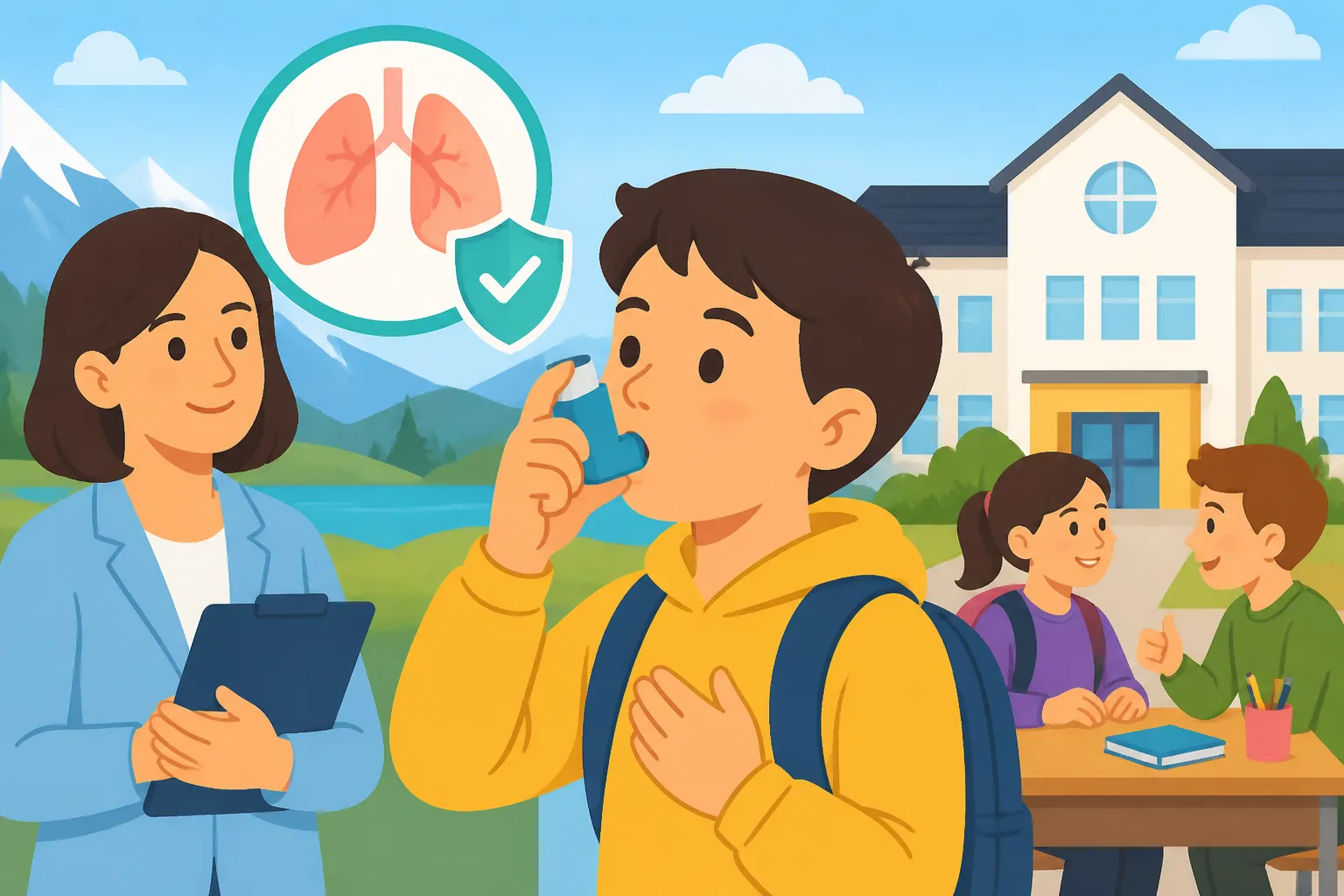
Managing Childhood Asthma in the Swiss School System
Moving to Switzerland with a child who has asthma can add a whole new layer of worry to an already complex relocation. You're not just navigating a new country, a new language, and new cultural norms, but also a completely different healthcare and school system, all while ensuring your child stays safe and healthy. This guide aims to alleviate some of that stress by outlining exactly how to manage your child's asthma within the Swiss school environment, from initial medical setup to daily school life and emergency preparedness.
Understanding Childhood Asthma in Switzerland: A Medical Overview
Before diving into the school system specifics, it's crucial to understand the general medical landscape for childhood asthma here in Switzerland. The system is highly organized and effective, but it operates differently from many other countries.
Initial Diagnosis and Ongoing Care
If your child already has an asthma diagnosis, your first step will be to establish care with a local pediatrician (Kinderarzt/Kinderärztin) or a specialist pulmonologist (Lungenarzt/Lungenärztin) here. Even with existing documentation from abroad, a Swiss doctor will likely want to conduct their own assessments to ensure continuity of care within the local guidelines. This might involve lung function tests, allergy tests, and a review of their current medication regimen. The Swiss medical community places a strong emphasis on personalized treatment plans, often known as "Asthma Action Plans." These plans are vital for both daily management and emergency situations, detailing specific medications, dosages, and steps to take if symptoms worsen. Ensuring your pediatrician provides you with a clear, written Asthma Action Plan, ideally in German, French, or Italian, depending on your canton, is paramount. You'll want to discuss topics like Pediatric Care: Checkups, Vaccination Schedules, and School Health. Finding an English-speaking family doctor (Hausarzt) in Major Cantons can be a great first step to setting up this initial medical care.
Common Triggers in the Swiss Environment
Switzerland, with its stunning landscapes and distinct seasons, also presents unique asthma triggers that might differ from what you're used to. Pollen counts, for instance, can be very high, especially during spring and summer, due to diverse flora and agricultural practices. Mountain air, while often perceived as clean, can sometimes be drier or, conversely, bring changes in humidity that affect sensitive airways. Mold spores can also be an issue, particularly in older buildings or during damp weather. It’s also worth considering environmental factors like wood-burning stoves, which are still common in many rural areas and can contribute to indoor air pollution. Pay close attention to how your child reacts to these local conditions and communicate any new or worsening triggers to your Swiss doctor so they can adjust the Asthma Action Plan accordingly. Understanding these local nuances is key to proactive management.
Navigating the Swiss School System with Asthma
Integrating a child with asthma into a new school system requires proactive communication and a clear understanding of protocols. The Swiss approach tends to be structured, and schools generally have clear, albeit sometimes unwritten, expectations.
Communicating with Schools and Teachers
Open and early communication with your child's school is absolutely essential. Start by scheduling a meeting with the school principal or head teacher (Schulleiter/in), and your child's homeroom teacher (Klassenlehrer/in) as soon as possible, ideally before the school year even begins. Bring your child's comprehensive Asthma Action Plan, translated into the local language if possible, and be prepared to explain it thoroughly. This plan should clearly outline:
- Daily medication: What they take, when, and how.
- Reliever medication: What to give, when, and how.
- Emergency steps: What to do if an attack occurs, including signs to look for and whom to contact.
- Contact information: Your phone numbers, an emergency contact, and your child’s doctor.
Many schools in Switzerland may not have a full-time school nurse, especially in smaller municipalities. Therefore, teachers often bear the responsibility for administering medication or responding to emergencies. It's crucial to ensure the teacher feels confident and well-informed. Consider asking if they would be open to a brief training session with you or your pediatrician, especially regarding the proper use of an inhaler or nebulizer. Document everything in writing, and keep a copy for your records. Discussing these specific needs can also touch on topics like What to Do If Your Doctor Refuses to Speak English During a Consultation if language barriers are a concern.
Medication Management and Emergency Protocols
The practicalities of medication storage and administration in Swiss schools need careful consideration. Most schools will require reliever inhalers (often referred to as "rescue inhalers") to be readily accessible. This typically means your child might keep it in their backpack, or the school might prefer it to be stored in the classroom or the teacher's desk. Clarify this arrangement with the school and ensure everyone involved knows where it is.
For daily controller medications, the procedure might vary. If a dose is needed during school hours, you'll need to agree on who will administer it – whether it's the teacher, an assistant, or if your child is old enough, self-administration under supervision.
In the event of an asthma emergency, the school will follow the protocols outlined in your child's Asthma Action Plan. This usually involves:
- Administering reliever medication.
- Monitoring symptoms.
- Contacting you immediately.
- If symptoms don't improve or worsen rapidly, calling for emergency medical services (144).
It’s vital that the school has up-to-date contact information for you and at least one other emergency contact who understands the situation and can communicate in the local language. Discuss Emergency Numbers 144 vs 112: Which to Call in a Swiss Medical Crisis with the school staff to ensure everyone is on the same page.
Sports, Excursions, and Outdoor Activities
Swiss schools place a significant emphasis on physical activity, including regular sports lessons, outdoor days (Wandertag), and multi-day school camps (Klassenlager) in the mountains. This is fantastic for a child's overall health, but for a child with asthma, it requires extra planning.
Before any sports day or excursion, make sure to:
- Inform the teacher again: Even if you’ve already discussed it, a specific reminder for an upcoming event is always a good idea. Provide a fresh copy of the Asthma Action Plan.
- Ensure medication is accessible: For sports lessons, the inhaler should be on the field or in the gym. For excursions, ensure your child carries their medication, or the supervising teacher has it.
- Discuss activity levels: Work with your doctor to determine appropriate activity levels for your child and communicate any limitations to the school. Many children with asthma can participate fully if they pre-medicate before exercise.
- Prepare for environmental changes: For mountain trips, consider how altitude or colder, drier air might affect your child. Ensure the teachers are aware of potential triggers in the specific environment.
For longer school camps, the organization is typically more detailed. You’ll likely receive forms to fill out about medical conditions. Be explicit and comprehensive. It's not uncommon for parents to pack a full supply of medication for the duration of the camp, clearly labeled, and handed directly to the responsible teacher or camp leader. These are the kinds of activities where understanding Occupational Accident Insurance (UVG): What Happens When You Ski and Crash? can give you peace of mind, knowing your child is covered.
Rights and Support for Asthmatic Children and Parents
While Switzerland doesn't have a specific "asthma law" for schools, the general principles of care and non-discrimination apply.
Legal Framework and School Responsibilities
Swiss law, particularly cantonal education laws, generally obligates schools to provide a safe and supportive environment for all students. While there isn't a direct equivalent to, say, a 504 Plan in the US, schools are expected to make reasonable accommodations for children with chronic health conditions like asthma. This is typically managed on a case-by-case basis through direct communication between parents, medical professionals, and school administration.
Key responsibilities often include:
- Ensuring access to medication: Facilitating the storage and, if necessary, administration of prescribed asthma medication.
- Emergency response: Having clear protocols for asthma attacks and knowing when to call emergency services.
- Informing relevant staff: Ensuring all teachers and staff who interact with your child are aware of their condition and the action plan.
- Non-discrimination: Your child should not be excluded from school activities due to their asthma, provided appropriate management is in place.
If you encounter difficulties, the local cantonal education authority (e.g., Bildungsdirektion in Zurich, Département de l'instruction publique in Geneva) can provide guidance. Parent associations or health advocacy groups in Switzerland can also be valuable resources. You might find it useful to refer to guidelines around Maternity and Child Healthcare in Switzerland: From Pregnancy to Pediatrics for broader context on child health rights.
Parental Advocacy and Resources
As a parent, you are your child's primary advocate. Don’t hesitate to schedule follow-up meetings with the school, especially if your child reports issues or you have concerns. Keep a written record of all communications.
Several organizations can offer support and information:
- Lungenliga Schweiz (Lung League Switzerland): This national organization provides comprehensive information on asthma, support groups, and sometimes even specialized camps for children with lung conditions. They have cantonal offices that can offer local advice.
- Local Pediatricians and Specialists: Your child's doctor is your best ally. They can provide medical certificates, write letters to the school, and help tailor the Asthma Action Plan to fit the school environment.
- Other Expat Parents: Connecting with other expat parents in Switzerland who have children with similar conditions can provide invaluable practical advice and emotional support.
Remember, you have a right to be informed and to ensure your child’s needs are met. Being persistent and well-informed goes a long way.
Financial Aspects of Asthma Management and School Trips
The financial side of healthcare and school-related activities in Switzerland is another crucial area for expats.
Health Insurance Coverage and Costs
Basic health insurance (KVG/LAMal) is mandatory in Switzerland and covers the costs associated with diagnosing and treating asthma. This includes doctor's consultations, lung function tests, prescribed medications, and emergency care. However, you will be responsible for your chosen deductible (Franchise) and a 10% copay (Selbstbehalt) once the deductible is met, up to an annual maximum. For children, the minimum deductible is typically CHF 0, but choosing a higher deductible can reduce your monthly premiums. Many parents opt for a lower deductible for children to minimize out-of-pocket expenses for frequent doctor visits or medication refills. Understanding The Swiss Franchise System: How Deductibles and Copays Work is key here.
It’s always a good idea to check what your specific policy covers, especially for specialized treatments or therapies. For more detailed information on mandatory basic health insurance, refer to Understanding KVG/LAMal: Mandatory Basic Health Insurance Explained.
Travel Insurance for School Excursions
While basic health insurance covers medical treatment within Switzerland, supplementary travel insurance can be beneficial, especially for school trips that involve specific activities or extend beyond standard school hours. While it's not strictly mandatory for domestic school trips, it can provide additional peace of mind.
For instance, if a school trip involves high-risk activities like skiing or hiking in remote areas, or if it's an overnight camp, specific travel insurance might cover non-medical emergencies like lost luggage, trip cancellation, or even mountain rescue, which isn't always fully covered by basic health insurance or even accident insurance (UVG).
Companies like SafetyWing offer travel and medical insurance that can be particularly useful for expats and their families, often providing flexible coverage options. While primary Swiss health insurance will handle the core medical needs for asthma, a separate travel insurance policy can act as a crucial safety net for the incidental costs or broader emergencies that might arise during school excursions, especially if you foresee international school trips in the future. Always read the policy details carefully to understand exactly what is covered and what limitations apply for pre-existing conditions like asthma. You may also want to explore REGA Membership: Why Expats Need Air Rescue Insurance in the Alps for additional peace of mind for mountain excursions.
Key Contacts and Roles in Childhood Asthma Management at School
Here’s a quick overview of who you'll be working with and their general responsibilities:
| Role | Key Responsibilities | Contact Frequency |
|---|---|---|
| Parents/Guardians | Provide Asthma Action Plan, communicate with school, ensure medication supply, advocate for child, handle insurance. | Ongoing |
| Pediatrician/Pulmonologist | Diagnose and treat asthma, create Asthma Action Plan, provide medical certificates, adjust treatment, educate parents. | Regular appointments |
| Homeroom Teacher | Daily supervision, administer medication (if agreed), monitor symptoms, communicate with parents, implement action plan. | Daily/Weekly |
| School Principal/Admin | Oversee school policy, facilitate communication, ensure staff training, manage overall safety and inclusivity. | As needed/Initial |
| Emergency Services (144) | Provide immediate medical assistance in life-threatening situations. | Emergency only |
Navigating childhood asthma in the Swiss school system might seem like a lot to coordinate, but with clear communication, a well-documented plan, and proactive engagement with your child’s school and medical team, you can ensure your child thrives both academically and physically.
Disclaimer
The information provided in this article is intended for general informational purposes only and does not constitute medical, legal, or financial advice. While we strive to provide accurate and up-to-date content, healthcare regulations, school policies, and insurance coverage in Switzerland can be complex and subject to change. Always consult with qualified professionals, such as your pediatrician, school administration, health insurance provider, or legal counsel, for advice tailored to your specific situation.