Swiss Passports for Children Born in Switzerland to Foreign Parents
Many new parents arrive at a Swiss hospital expecting that birth on this pristine soil grants an automatic red passport, only to be met with a mountain of residence permit applications instead. I remember the confused look on my friend's face when her newborn was issued a plastic B-permit card before he could even crawl. This guide clarifies the legal reality of citizenship by birth and the specific steps to secure your child’s future in Switzerland.
The Jus Sanguinis Reality in Switzerland
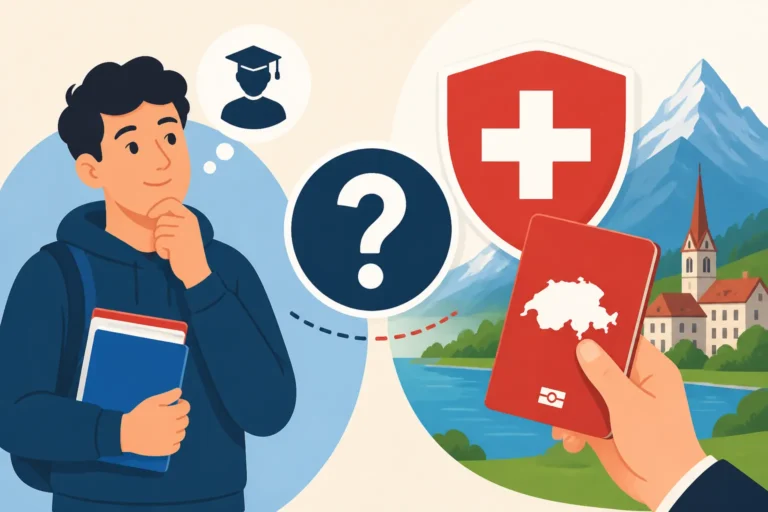
The first thing every expat must understand is that Switzerland follows the principle of jus sanguinis (right of blood) rather than jus soli (right of soil). Unlike the United States or Canada, simply being born within the borders of the Swiss Confederation does not make a child a Swiss citizen. If you are a foreign national, your child will, in most cases, inherit your nationality and your current residency status.
When I first navigated the system, it was a bit of a culture shock to realize that a baby born in Zurich to two British parents is, in the eyes of the law, purely British. The child does not receive a Swiss birth certificate that confers citizenship; rather, they receive a Swiss birth certificate that documents the birth, while their legal status is tied directly to the Residence Permits in Switzerland: L, B, C, and G Permits Explained. If you hold a B permit, your child will be issued a B permit. If you have a C permit, they will likely start their life with permanent residency rights, but the passport remains an elusive goal for a later date.
This administrative reality means your first few weeks as a parent will involve significant interaction with the Zivilstandsamt (Civil Registry Office) and your own national embassy. You are essentially managing two parallel tracks: ensuring the Swiss authorities recognize the birth and ensuring your home country recognizes the child as a citizen abroad.
Immediate Administrative Steps After Birth
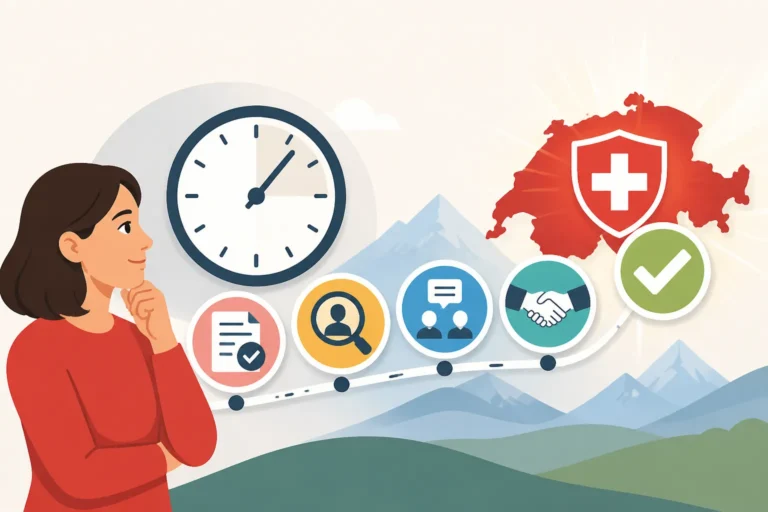
The clock starts ticking the moment you leave the delivery room. In Switzerland, the hospital usually handles the initial notification of the birth to the local authorities, but the parents must follow up to ensure the paperwork is finalized. You will need to provide the Zivilstandsamt with a variety of documents, often including your own birth certificates and marriage certificates.
For many of us, this is where the "administrative hurdle" becomes real. If your documents are not in German, French, or Italian, you will likely need certified translations. I’ve often recommended using RushTranslate for these specific needs because the Swiss authorities are notoriously picky about the quality and certification of translated legal documents. Failing to provide a properly translated marriage certificate can delay your child’s residency permit for weeks.
Once the Zivilstandsamt processes the birth, you will receive an official birth certificate. This document is vital for Mandatory Registration: How to Sign Up for Health Insurance Within 90 Days. Every child born in Switzerland must be insured under the KVG/LAMal system, but many expats also look into private options like Cigna Global to ensure their children have access to international specialists or coverage during visits to the grandparents back home. Managing these early logistics is essential to avoid "insurance gaps" that the cantonal authorities will eventually flag.
Understanding the Third Generation Naturalization Rule
While "second-generation" children (those born to foreign parents) do not get automatic citizenship, there was a major legal shift in 2017 regarding "third-generation" immigrants. This is a specific long-tail scenario that often applies to families who have been in Switzerland for decades. If you were born in Switzerland, or if your parents lived here for a long time, your children might qualify for facilitated naturalization.
To qualify under this "Third Generation" rule, the child must meet several strict criteria:
- At least one grandparent was born in Switzerland or held a residence permit.
- At least one parent was born in Switzerland or lived here for at least ten years and attended at least five years of Swiss schooling.
- The child must be under the age of 25 at the time of application.
For most modern expats, however, this isn't the path. You are likely looking at the standard naturalization route for your child. The good news is that Switzerland offers a "time bonus" for children. Under the current law, years spent in Switzerland between the ages of 8 and 18 count as double when calculating the ten-year residency requirement for Becoming Swiss: Naturalization and Citizenship Process in 2027. This means a child born here could potentially apply for citizenship much faster than an adult moving here for work.
Documenting the Birth for Foreign Nationals
Because your child is not automatically Swiss, you must "claim" their actual citizenship through your home country's consulate or embassy. This is a step I’ve seen many parents overlook in the haze of newborn sleeplessness. Whether you are American, Indian, or British, you must register a "Consular Report of Birth Abroad" or the equivalent for your nation.
| Document Needed | Source | Purpose in Switzerland |
|---|---|---|
| Swiss Birth Certificate | Zivilstandsamt | Permit application and insurance |
| Translated Marriage Certificate | RushTranslate | Proof of parentage for registry |
| Foreign Passport for Child | Home Embassy | Legal travel document |
| Health Insurance Policy | Local Provider / Cigna Global | Legal residency requirement |
| Residence Permit Card | Cantonal Migration Office | Right to remain in Switzerland |
Getting the first passport from your embassy is often the most time-consuming part. You will typically need to visit the embassy in Bern or a consulate in Zurich or Geneva in person. During this window, your child is effectively "permit-less" in terms of a physical card, but as long as the birth is registered at the Registering Your Address at the Kreisbüro Within 14 Days of Moving, they are legally covered. Do not attempt to travel outside of Switzerland with a newborn until you have both their home-country passport and their Swiss residence permit (or a re-entry visa), as the border police at Zurich airport are very diligent.
The Path to Naturalization for Children
If your family decides to stay in Switzerland long-term, your child will eventually go through the naturalization process. This is where their integration really shines. Children who attend Swiss schools and speak the local language fluently are viewed very favorably during the application process. In many cantons, the interview for a teenager is much less daunting than it is for an adult.
However, keep in mind that the child must still meet the Language Requirements for Swiss Permits: A1 to B2 Standards Explained if they apply for their own C permit or citizenship later in life. Even if they were born in a Geneva hospital, they must prove they have mastered the local language at the required level. I’ve seen cases where kids who grew up in English-speaking "expat bubbles" struggled with the written components of these tests, so it’s something to keep an eye on as they grow.
Another factor to consider is the cost. Naturalization is not free, and fees vary wildly by commune. You might pay CHF 500 in one village and CHF 2,000 in another. Families with children born here often wait until the child is a teenager to apply, as the "double-counting" of years makes the residency requirement easy to hit once they reach age 13 or 14.
Healthcare and Child Support for Foreign Children
Regardless of their passport, every child born in Switzerland is entitled to the same high standard of pediatric care. This begins with the "Mütter- und Väterberatung" (Mother and Father Advisory) services provided by the commune. These are fantastic, often free resources where nurses check the baby’s development and answer questions about the Swiss system.
From a financial perspective, you should also be aware of the "Kinderzulage" (Child Allowance). As an expat working in Switzerland, you are entitled to a monthly payment for each child, regardless of their nationality. This is usually around CHF 200 to CHF 300 per month, depending on your canton. You must apply for this through your employer’s social security office (Ausgleichskasse). It’s a small but helpful way the Swiss government supports all residents raising the next generation.
Regarding medical costs, ensure you understand The Swiss Franchise System: How Deductibles and Copays Work. While children do not have a "franchise" (deductible), there is still a 10% co-payment for most treatments. For expats who want the best of both worlds—Swiss local care and the ability to seek treatment back home or in private clinics—supplementary insurance from providers like Cigna Global can offer that extra layer of comfort that the basic KVG might not provide. This is especially relevant if you are managing complex family medical histories or want access to English-speaking specialists without long wait times, which is a common topic in Maternity and Child Healthcare in Switzerland: From Pregnancy to Pediatrics.
Special Cases: Unmarried Parents and Name Changes
If you are not married when your child is born, the administrative path is significantly more complex. In Switzerland, the mother is automatically recognized, but the father must undergo a "Kindesanerkennung" (Recognition of Paternity). This should ideally be done before the birth at the Zivilstandsamt to ensure the father's name appears on the first birth certificate.
For unmarried couples, the child usually takes the mother's surname by default unless a specific declaration is made. Navigating Swiss Cohabitation Visas: Proving a Long-Term Relationship Without Marriage can provide some context on how the state views non-married partnerships. If you decide to change the child's name later or if you marry after the birth, be prepared for more paperwork and more certified translations.
Finally, consider the long-term implications of Do Years Spent on a Student Visa Count Towards Swiss Citizenship. If you are in Switzerland on a student permit and have a child, those years may not count toward the "C Permit" residency requirement in the same way a work permit does. Always check with your local Cantonal Migration Office (Migrationsamt) to see how your specific permit status impacts your child’s timeline for permanent residency. Raising a "foreign" child in Switzerland is a unique experience—they will likely feel Swiss, speak the dialect, and love the mountains, but keeping their paperwork in order is the "administrative tax" we pay for living in this beautiful country.
Disclaimer
This guide is for informational purposes only and does not constitute legal advice. Swiss immigration laws and cantonal regulations are subject to frequent changes. Always consult with the Swiss State Secretariat for Migration (SEM) or a qualified immigration lawyer regarding your specific family situation and permit status.