What is a Betreibung? How an Unpaid Bill Ruins Your Swiss Credit Score
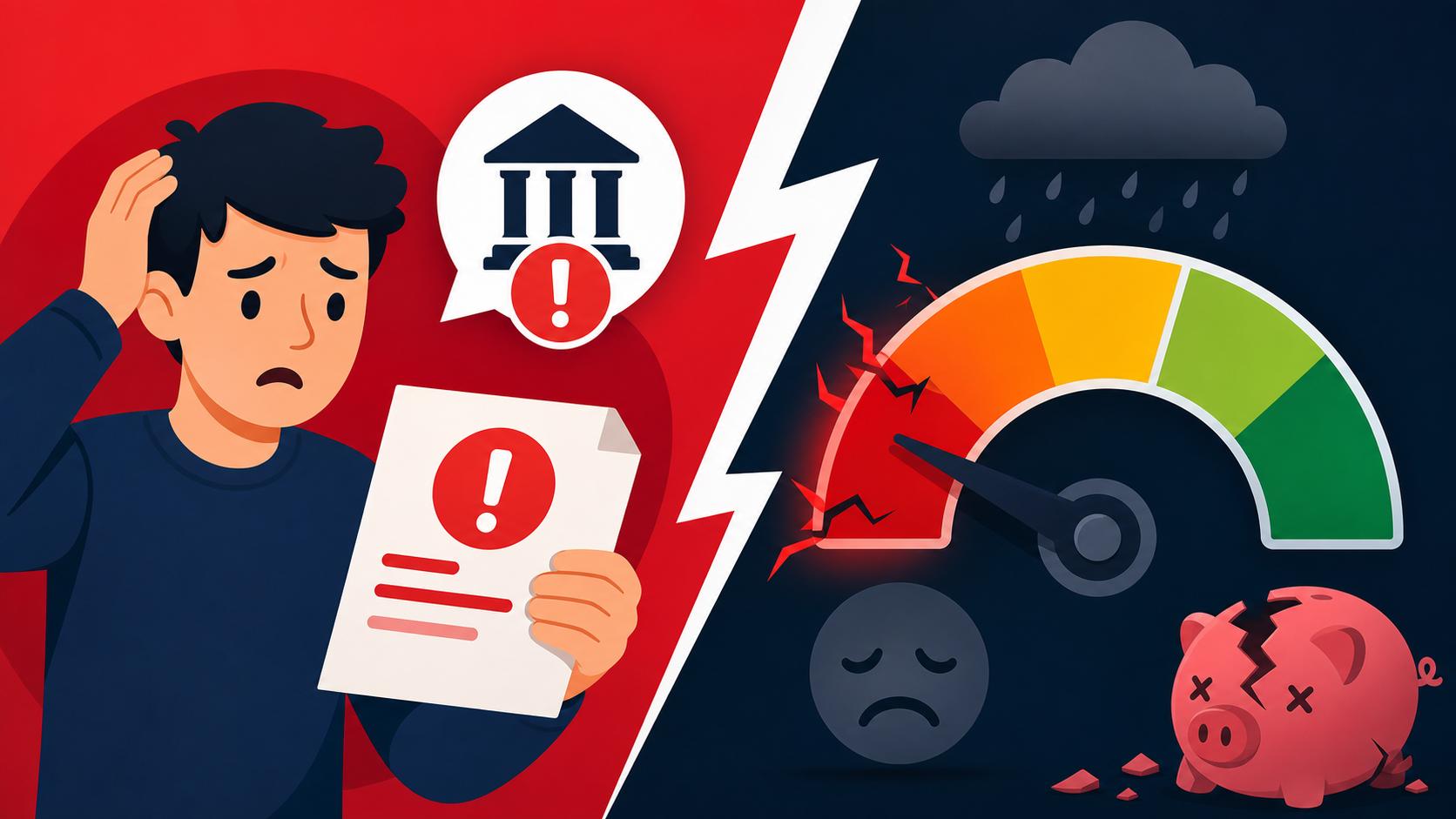
Imagine opening your mailbox to find a stark blue envelope that feels significantly heavier than a normal letter. I once ignored a seemingly minor dispute over a gym membership in Zurich, only to realize later that it had triggered a formal debt collection process. This guide explains the terrifying world of the Betreibung and how to protect your Swiss credit reputation.
The Anatomy of the Swiss Debt Collection System
In Switzerland, the term Betreibung refers to the formal process of debt enforcement. Unlike other countries where a debt collector might call you incessantly, the Swiss system is highly regulated, bureaucratic, and, unfortunately, very public. The process is handled by the Betreibungsamt (Debt Enforcement Office), a cantonal authority that acts as an intermediary between creditors and debtors.
When you move to a city like Geneva or Basel, you quickly realize that the Swiss take their financial obligations with a level of seriousness that can feel intimidating. The system is designed to be efficient for the creditor. In fact, a creditor does not even have to prove that the debt is valid to initiate the first stage of the process. They simply fill out a form, pay a small fee, and the state sends you a formal summons. This "guilty until proven innocent" approach is what catches most expats off guard.
I remember my first year in Lausanne, struggling to keep track of various QR-code bills. Between the health insurance, the Serafe media tax, and local utilities, it is incredibly easy for one small slip of paper to fall behind the radiator. If you miss a payment, you will usually receive a Mahnung (reminder), often with a late fee of 15 to 50 CHF. If you ignore that, the creditor can move straight to the Betreibungsamt. At that point, you aren't just dealing with a company; you are dealing with the Swiss legal system.
The Betreibungsauszug: Your Financial Passport
If you are currently looking for a home, you already know that the Betreibungsauszug is the most important document in your dossier. It is a certified extract from the debt register that shows every formal debt enforcement action taken against you in the last five years. In the competitive housing markets of Zurich or Zug, having even one entry on this extract is often an immediate disqualification.
Landlords view a clean record as a proxy for your character and reliability. When you are Applying for a Flat: The Bewerbungsmappe (Application Dossier) Essentials, the extract must be original and usually no older than three months. I have seen friends lose out on dream apartments in Seefeld simply because of a disputed 40 CHF bill from a telecom provider that they forgot to settle during a move.
The record follows you across cantons. If you move from Geneva to Zurich, the new Betreibungsamt will often request your records from your previous place of residence. This is why it is crucial to understand How to Get a Betreibungsauszug at the Office des Poursuites or your local office as soon as you suspect a problem. This document isn't just for landlords; employers in the financial sector and the migration office also use it to vet your "financial health."
How an Unpaid Bill Spirals into a Legal Record
The process typically follows a predictable, albeit stressful, timeline. It begins with the Zahlungsbefehl (Order to Pay). This is the document that arrives in that dreaded blue envelope, often delivered by a postal worker who requires your signature or even by a police officer in some smaller communes. Once you receive this, you have three choices: pay the debt plus interest and fees, do nothing, or file an objection.
Doing nothing is the worst possible path. If you do not react within 10 days, the creditor can request a Fortsetzungsbegehren (Request for Continuation). This allows the office to begin seizing your assets or attaching your salary. This is where the human cost becomes very real. The office calculates your "existential minimum"—the bare amount you need for rent, food, and basic insurance—and anything you earn above that can be sent directly to your creditors.
To manage your cash flow and ensure you always have enough to cover these unexpected legal hurdles, many expats use tools like Trade Republic to keep their emergency funds accessible while earning interest. Keeping a "buffer" account is essential in Switzerland because the costs associated with the debt enforcement office itself—the administrative fees—are added to your original debt. A 100 CHF bill can easily turn into a 300 CHF headache within a few months. Understanding your financial documents, such as Understanding Your Swiss Salary Certificate (Lohnausweis) for Tax Season, can help you identify exactly where your money is going before the state decides to take a portion of it.
The Rechtsvorschlag: Your Primary Defense
If you believe the debt is unjustified—perhaps you already paid it, or the service was never rendered—you have the right to file a Rechtsvorschlag (Objection) within 10 days of receiving the Zahlungsbefehl. You don't need to provide a long explanation at this stage; you simply sign the form in the designated spot for "objection."
This act effectively pauses the enforcement. The creditor must then go to court to prove the debt is valid, a process known as "lifting the objection." While this protects you from immediate asset seizure, the record of the Betreibung still exists on your extract. It will show up as "disputed," but for many landlords and banks, a dispute is still a red flag.
If you find yourself in a complex legal battle over a debt, you might realize the importance of having professional help. Many expats regret not looking into Do I Need Legal Expenses Insurance (Rechtsschutzversicherung) in Switzerland? before a dispute arises. These insurance policies often cover the costs of a lawyer to help you navigate the court hearings required to clear a malicious or incorrect debt entry.
Clearing the Record: It Does Not Happen Automatically
The most common misconception among expats is that paying the debt makes the Betreibung disappear from your record. It does not. The entry will simply be updated to show that the debt has been "settled." To a landlord, a settled debt still proves that you were once a "problem payer."
To truly clear your name, you need the creditor to actively withdraw the Betreibung. This usually requires a separate negotiation. Once you pay the debt, you should ask the creditor to send a formal request to the Betreibungsamt to delete the entry. Some companies will do this for free, while others may charge an administrative fee. If the creditor refuses, you may have to wait five years for the entry to expire, or take the matter to court to prove the debt was never valid.
For those who have been unfairly targeted, Clearing an Unjustified Betreibung saus dem Schweizer Betreibungsregister is a multi-step process that requires persistence. You must be proactive. I once had to call a health insurance provider five times to ensure they sent the deletion notice for a bill they had sent to the wrong address. If you are moving frequently, using a service like Wise to manage multiple currencies and ensure your bills are paid from a stable account can prevent these administrative errors from occurring in the first place.
Impact on Residency and Naturalization
For foreigners, a Betreibung is more than just a financial hurdle; it is a direct threat to your right to live in Switzerland. When you apply to renew your B permit or transition to a C permit, the migration office will request your debt register extract.
The Swiss authorities place a high value on financial integration. If you have significant outstanding debts or a history of multiple Betreibungen, your permit renewal could be denied, or you could be issued a shorter "probationary" permit. This is particularly true for those looking at Financial Independence Checks: Why Betreibungen (Debt) Stops Permit Renewals during the transition to permanent residency.
If your goal is The Swiss C Permit (Permanent Residency): Fast-Track and Standard Routes, a clean financial record is non-negotiable. Even a single entry for an unpaid tax bill or health insurance premium can delay your application by years. The state views unpaid public debts as a sign that you are not respecting the Swiss social contract.
| Stage of Process | Document Issued | Action Required | Impact on Credit Extract |
|---|---|---|---|
| Reminder | Mahnung | Pay immediately with late fee | No record yet |
| Summons | Zahlungsbefehl | Pay or file Rechtsvorschlag (10 days) | Visible to everyone |
| Continuation | Fortsetzungsbegehren | Assets/Salary appraised | Negative / Highly damaging |
| Seizure | Pfändungsurkunde | Assets seized by the office | Severe / Permit risk |
| Certificate | Verlustschein | Debt remains for 20 years | Permanent black mark |
Strategies to Avoid the Blue Envelope
Prevention is the only real cure in the Swiss system. The most effective way to avoid a Betreibung is to set up Lastschriftverfahren (LSV) or Debit Direct for all recurring bills, such as health insurance and rent. This allows the company to pull the exact amount from your bank account automatically.
Another tip I always give newcomers is to use Wise for their initial move and for paying any final bills from their home country. Often, debt issues arise during the "gap" period when an expat has left their old country but hasn't fully integrated their Swiss banking yet. By using a borderless account, you ensure that you don't miss payments due to currency conversion delays or high bank fees.
For those who are investing and building wealth in Switzerland, staying organized is key. If you are using platforms like Binance for crypto or Trade Republic for stocks, ensure you are setting aside enough for your eventual tax bill. Many expats find themselves in debt enforcement because they spent their full salary, forgetting that the tax office will come knocking 12 to 18 months later with a substantial bill. Proactive planning, such as maximizing your Pillar 3a in 2026: Tax Deductions, Limits, and Investment Options, not only saves you money on taxes but also creates a structured financial environment where missed bills are less likely.
What to Do If You Leave Switzerland
If you decide to leave Switzerland, do not assume your debts will vanish. The Swiss authorities have bilateral agreements with many countries to pursue debt across borders. More importantly, if you ever wish to return to Switzerland or even visit for an extended period, an outstanding Betreibung will be waiting for you.
Before you go, ensure you complete the Abmeldung (de-registration) process at your local city hall. This is often the trigger for final utility and tax bills to be issued. If these go unpaid because you have already moved to London or New York, a Betreibung will be registered in your absence. This could lead to your bank accounts being frozen or issues at the border next time you land at Kloten airport.
I always suggest keeping a Swiss bank account open for at least six months after moving, with enough funds to cover potential "tail" bills. Using Cheapest Ways to Transfer CHF Abroad: Wise vs Revolut vs Swiss Banks will help you move your remaining balance later without losing a fortune in the process. Taking these steps ensures that your Swiss chapter ends on a clean note, rather than a bureaucratic nightmare.
Disclaimer
The information provided in this guide is for informational purposes only and does not constitute legal or financial advice. Swiss debt enforcement laws are subject to cantonal variations and frequent legislative updates. Always consult with a qualified legal professional or the official Betreibungsamt in your specific canton regarding your individual situation.