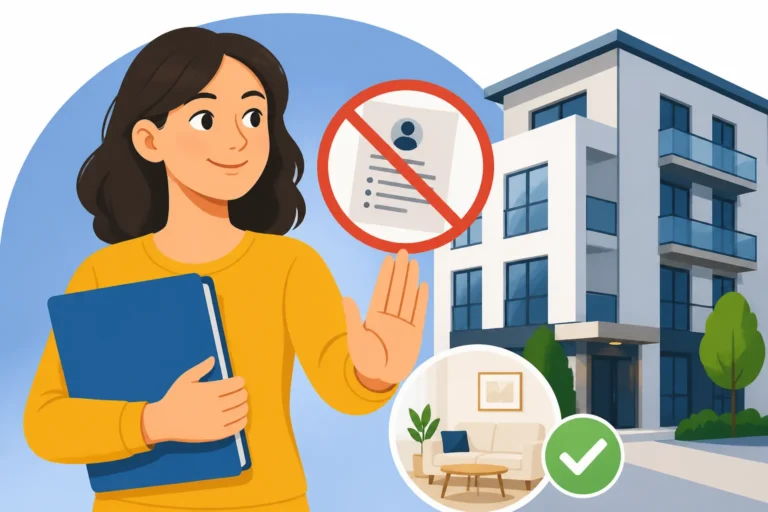
Applying for a Flat: The Bewerbungsmappe (Application Dossier) Essentials
Finding a flat in Switzerland is often described as a competitive sport, but in reality, it feels more like a high-stakes job interview where the prize is a roof over your head. I remember standing in a rain-soaked queue in Zurich Oerlikon with 40 other desperate applicants, feeling utterly invisible until I realized that my paperwork was my only voice. This guide meticulously breaks down the "Bewerbungsmappe" to ensure your application stands out in the pile.
The Anatomy of a Winning Swiss Application Dossier
In the Swiss rental market, the "Bewerbungsmappe" or application dossier is your professional resume for living. Landlords and "Liegenschaftsverwaltungen" (property management companies) are notoriously risk-averse. They aren't just looking for someone who can pay the rent; they are looking for someone who will be "ruhig" (quiet), "sauber" (clean), and completely invisible to the neighbors. Your dossier must scream reliability and integration from the very first page.
The Cover Letter (Begleitschreiben)
The cover letter is your first and perhaps only chance to humanize yourself. While the official application form provides the raw data, the Begleitschreiben tells your story. It should be concise, ideally one page, and written in the local language (German, French, or Italian). Even if your German is basic, hiring a professional translator or using a high-quality tool to ensure it sounds natural is worth every cent.
In this letter, you should explain who you are, what you do for a living, and why you want this specific apartment. Mentioning that you are a non-smoker, have no pets (if true), and play no loud instruments like the drums or tuba is essential. If you are moving for a job at a well-known company like Google in Zurich or Roche in Basel, name-dropping your employer can act as a secondary seal of approval regarding your financial stability. For those still organizing their move from abroad, using services like HousingAnywhere to secure a temporary spot while building your local dossier is a common strategy.
The Debt Register Extract (Betreibungsauszug)
The "Betreibungsauszug" is the most critical piece of paper in your folder. It is an official document from the local debt enforcement office (Betreibungsamt) stating that you have no outstanding debts or legal proceedings against you in Switzerland. For a Swiss landlord, a "clean" extract is non-negotiable. If you have even one entry for a disputed mobile phone bill, your chances of getting a flat in a competitive area drop to near zero.
Getting this document is one of the first things you should do after Registering Your Address at the Kreisbüro Within 14 Days of Moving. If you have just arrived and don't have a Swiss history yet, you should provide the equivalent from your previous country of residence. However, be aware that some strict "Verwaltungen" will still insist on a Swiss extract, even if it is "empty" because you’ve only been here for three days. It shows you understand the system and have taken the initiative to visit the local office.
Proof of Income and Employment Contract
Your salary is the primary metric the landlord will use to judge your "Tragbarkeit" (affordability). The golden rule in Switzerland is that your gross monthly rent should not exceed one-third of your gross monthly income. If you are applying for a CHF 3,000 apartment, you should ideally be earning at least CHF 9,000 per month.
You should include your last three salary slips (Lohnabrechnungen) and a copy of your employment contract. If you are in your probation period (Probezeit), be aware that this is a red flag for many landlords. To counter this, you might include a short note from your HR department confirming that they intend to keep you on permanently. For freelancers, this section is more complex and requires tax returns or a letter from a Swiss accountant to prove consistent earnings.
Personal Touches That Set You Apart
Beyond the standard legal requirements, there are several "soft" documents that can tip the scales in your favor. In a market where 100 people might apply for a single flat in the Länggasse neighborhood of Bern, being "the nice expat" rather than "Applicant #84" is vital.
The Photo Debate: To Include or Not?
Including a photo in a rental application is a very Swiss tradition that can feel strange to those from the US or UK. However, it is highly recommended. A small, professional-looking headshot in the corner of your cover letter or on a separate "Fact Sheet" helps the agent remember who you were among the sea of faces at the viewing.
The photo should be "sympathisch" (likable) but professional. Don't use a holiday snap or a blurry selfie. Think of it as a corporate LinkedIn photo. You want to look like the kind of person who recycles their cardboard correctly and follows the Swiss Recycling Rules: Cantonal Paid Garbage Bags (Züri-Sack, Bebbi-Sagg) without being told. This visual cue creates an immediate, albeit subconscious, sense of trust.
Letters of Recommendation and References
In Switzerland, references (Referenzen) are taken very seriously. If you have previously rented in Switzerland, a glowing letter from your former landlord or "Hauswart" (caretaker) is worth its weight in gold. It should state that you paid your rent on time and kept the apartment in excellent condition.
If you are new to the country, you can use your employer as a reference. Provide the name and direct phone number of your manager or an HR contact. Make sure you ask them for permission first, as Swiss agents will actually pick up the phone and call them. They will ask questions about your character and whether you are a "troublemaker." Having a solid reference who can speak to your reliability can often overcome the hurdle of being a "Third-Country National" with a fresh B-permit.
The Integration Factor: Hobbies and Language
While it might seem irrelevant, mentioning your hobbies can help signal that you are a good fit for the "Hausgemeinschaft" (house community). If the building is full of families, mentioning that you enjoy hiking or quiet reading fits the vibe. If it’s a modern block in Zurich West, being a tech professional might be more appropriate.
Furthermore, stating your commitment to learning the local language shows you are here for the long haul. Mention if you are enrolled in a language course or if you have already started the process of Converting an EU Driver's License: The Simple Exchange Process to show you are integrating into Swiss life. Landlords fear "transient" expats who leave after six months; showing roots makes you a safer bet.
Digital vs. Physical Submissions
The way we apply for flats has shifted significantly. While five years ago you might have handed over a physical folder, 2026 is the era of the digital-first application. However, the "physical" mentality still dominates the preparation phase.
Using Platforms like Flatfox and Homegate
Most applications are now funneled through portals. When you visit a flat, the agent will often give you a flyer with a QR code or a link to a platform like Flatfox, Homegate, or Newhome. You must have all your documents scanned and ready to upload the second you leave the building.
The speed at which you submit your digital dossier is often the deciding factor. Many agencies operate on a "first-come, first-served" basis for the first round of screening. If you wait until the next morning to scan your documents, the "top 10" list might already be full. Before you even start viewing, ensure you have a high-quality PDF of every essential document stored on your phone and laptop. While searching, staying connected via an eSIM from Airalo ensures you can upload documents or respond to viewing invitations even while commuting between cantons.
The Rise of the QR-Code Dossier
A pro-tip is to create your own digital dossier accessible via a QR code. Some savvy applicants print a small "business card" with a QR code that links to a secure Google Drive or Dropbox folder containing their full Bewerbungsmappe.
When you attend a mass viewing, you can hand this card to the agent. It shows you are tech-savvy, organized, and respectful of their time. They don't have to carry around a heavy paper folder, but they have your details instantly. Just ensure the link is secure and you track who accesses it to maintain your data privacy.
Why Speed is Your Most Critical Asset
In the Swiss housing market, "Swiss time" means being early. If a viewing is scheduled for 18:00, show up at 17:50. If the application is digital, aim to have it submitted by 18:30. I have seen people sit in their cars outside a viewing, frantically hitting "submit" on their laptops using a mobile hotspot.
The administrative burden of processing 200 applications for one flat in Winterthur is enormous. Often, the property manager will only look at the first 20 or 30 complete applications. If yours is #31, it might never be opened. This is why having a pre-prepared, "evergreen" dossier is the only way to survive the hunt.
Specific Requirements for Expats and Newcomers
Expats face unique hurdles, particularly regarding residency status. The "Ausländerausweis" (residence permit) is a document landlords will always ask for, and not having the physical card yet can be a major roadblock.
Applying Without a Residence Permit in Hand
If you are a new arrival, you likely only have a "Meldebestätigung" (confirmation of registration) from the commune or a copy of your visa/entry permit. You must explain this clearly in your cover letter. Include a copy of your work contract and the letter from the migration office confirming your permit is being processed.
For those moving to specific areas, it helps to show you've researched the local landscape, such as Where to Live in Switzerland: Cantons, Cities, and Commuter Zones, to justify why you've chosen that specific location. Proving that your stay is legal and authorized is the baseline; proving you are a desirable neighbor is the goal.
Financial Guarantees and Deposit Alternatives
Swiss landlords typically require a security deposit of 2 to 3 months' rent. This money is traditionally held in a blocked bank account (Mietkautionskonto). For a newly arrived expat, locking up CHF 6,000 to CHF 9,000 can be a massive financial strain.
You should decide early if you will use a traditional account by Opening a Swiss Bank Account: UBS, ZKB, PostFinance, and Neobanks or if you will use a "Mietkautionsversicherung" (deposit insurance) like SwissCaution. If you plan to use insurance, mention this in your application. Some landlords prefer the cash in a bank, while others are happy with the insurance certificate. Being clear about your financial plan prevents delays later in the process.
| Requirement | Traditional Bank Deposit | Deposit Insurance (e.g., SwissCaution) |
|---|---|---|
| Upfront Cost | 2-3 months of rent (Locked) | Annual premium (approx. 4-5% of deposit) |
| Liquidity | Low (Cash is inaccessible) | High (Keep your cash for furniture) |
| Landlord Preference | High (More secure/traditional) | Moderate (Standard in modern rentals) |
| Refund | Full amount + interest | No refund of premiums paid |
Handling the "Non-EU" Stigma in Housing
It is an unfortunate reality that "Third-Country Nationals" (non-EU/EFTA) sometimes face more scrutiny. This is usually due to the shorter duration of L-permits or the perceived risk of a B-permit not being renewed. To counter this, your dossier must be even more "Swiss" than a Swiss person's.
Double-check every detail. Ensure there are no typos in your German. Make sure your salary is clearly stated and well above the threshold. If you have Private Liability Insurance (Privathaftpflicht): Why Expats Need It, include the policy summary. This insurance is almost always mandatory and covers damages you might cause to the flat. Including it upfront shows you are a low-risk tenant.
Navigating the Rental Deposit and Insurance
Once your dossier has worked its magic and you’ve been offered a "Mietvertrag" (lease contract), the final hurdle is the deposit. This is where many expats get caught off guard by the sheer amount of capital required.
The Traditional Mietkautionskonto
If you choose the bank route, the account must be in your name, but the funds are "blocked" and require both your signature and the landlord's signature to be released. This process can be slow. If you are moving from a temporary apartment found via Finding an Apartment in Zurich: Relocation Agents vs Flatfox vs Homegate, you might still have your old deposit locked up while needing to pay the new one.
Planning your cash flow is essential. Many expats find it useful to order home essentials from Amazon Germany to save on the high local costs of basic items like curtains or kitchenware, freeing up more cash for the deposit.
Insurance Solutions like SwissCaution
If you don't have the cash to spare, deposit insurance is a life-saver. You pay an annual fee, and the insurance company provides a guarantee to the landlord. However, keep in mind that this is not "insurance for you"—if you damage the flat, the insurance company will pay the landlord and then come to you for the money.
In your Bewerbungsmappe, including a "provisional certificate" from an insurance provider can show the landlord that you are already pre-approved for the deposit guarantee. This removes one more "what if" from their decision-making process.
Common Pitfalls and How to Avoid Them
Even with a great salary and a nice photo, small mistakes can lead to an immediate rejection. The Swiss administrative machine has no patience for "almost complete" dossiers.
Incomplete Documentation
If the application form asks for five documents and you provide four, your application will likely be discarded without a second look. The most common missing item is the Betreibungsauszug. Expats often think their foreign credit score is enough—it isn't. You must have the local document.
Another common error is providing a "blurry" scan of your ID or permit. Every document in your PDF should be perfectly legible, straight, and professional. If you don't have a scanner, use a high-quality mobile scanning app. Treat your dossier like a luxury brochure for yourself.
Being "Too Late" After a Viewing
I have mentioned speed before, but it bears repeating. In high-demand cities, the window of opportunity is often measured in hours, not days. If you view a flat on Tuesday at 5 PM, and the landlord says "send applications by Friday," do not wait until Friday.
The "Friday" deadline is often just a polite way of saying "whenever we get enough good candidates." If they get 10 perfect dossiers by Wednesday morning, they might stop looking. Your goal is to be in that first batch. For more specific advice on the nuances of the cover letter itself, see my guide on How to Write a Personal Cover Letter to Win a Swiss Apartment.
Disclaimer
The information provided in this article is for general informational purposes only and does not constitute legal or professional advice. Swiss rental laws and cantonal practices can change; always consult with a qualified local expert or the official cantonal authorities regarding your specific housing situation.