What Happens to Your B Permit if You Claim RAV (Unemployment)?
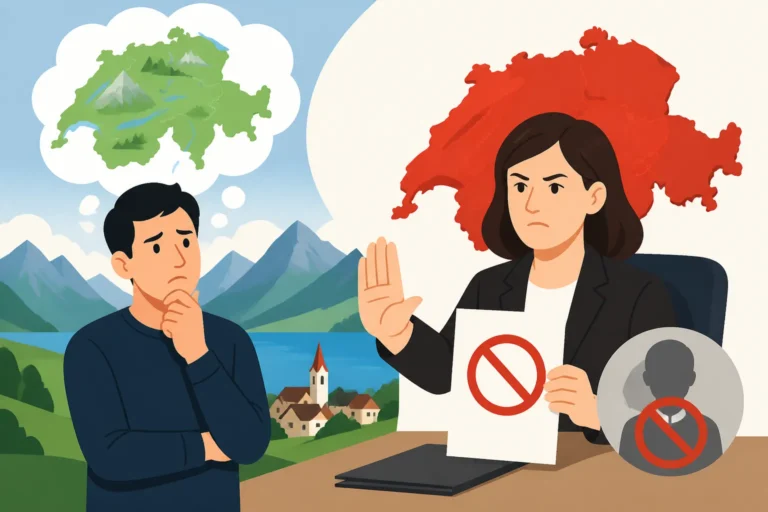
Losing your job in Switzerland is stressful enough without the nagging fear that the Migration Office is watching your every move from their desks in Bern or Zurich. I remember the pit in my stomach when my first contract ended; I was terrified that asking for help would get me kicked out of the country. This guide breaks down exactly how RAV affects your B permit status so you can finally breathe again.
Understanding the Relationship Between RAV and Your Residence Status
One of the most persistent myths in the Swiss expat community is that claiming unemployment benefits will lead to an immediate revocation of your residence permit. This fear stems from a misunderstanding of what the RAV (Regionaler Arbeitsvermittlungszentrum) actually is. In Switzerland, unemployment insurance is exactly that—insurance. You have been paying into this system via monthly deductions from your salary since the day you started working.
Because you have contributed to the fund, receiving Unemployment Pay: Receiving 70% vs 80% of Your Previous Swiss Salary is considered a right based on your contributions, not a "handout" from the state. The Swiss authorities generally view claiming RAV as a temporary bridge while you transition to your next role. Unlike social welfare (Sozialhilfe), which is funded by taxpayers and can indeed jeopardize your permit, RAV is a contributory benefit. For the vast majority of expats on a B permit, being on RAV is a neutral event for their immigration status, provided they continue to meet the other requirements of their residency.
However, the "Neutrality" of RAV does have a shelf life. The Migration Office is primarily concerned with your ability to remain financially self-sufficient in the long term. As long as you are receiving daily allowances from the unemployment office, you are legally considered to have sufficient financial means. The anxiety usually begins when those benefits start to run out. If you reach the end of your benefit period (usually 400 days for most adults) and still haven't found a job, that is when the authorities may start looking closer at your file. You must also be aware of RAV Penalty Days (Einstelltage): Why Quitting Your Job Halts Benefits, as a significant number of penalty days might signal to the Migration Office that you aren't making a "good faith" effort to integrate into the labor market.
EU/EFTA vs. Non-EU Permit Holders
The rules are significantly more relaxed for citizens of EU/EFTA countries. Thanks to the Agreement on the Free Movement of Persons, EU citizens have a strong legal right to stay in Switzerland to look for work even after their initial employment ends. If an EU citizen’s B permit expires while they are on RAV, the Migration Office is typically required to extend the permit for another year to allow the job search to continue.
For Third-Country Nationals (non-EU citizens), the situation is slightly more delicate. If you hold a "tied" B permit—meaning your residency is legally linked to a specific employer—losing that job can technically invalidate the basis of your permit. In practice, the authorities often grant a grace period of several months to find a new position, but it is not an automatic right. If you find yourself in this situation, having your previous work certifications and contracts translated by a professional service like RushTranslate can be vital when presenting your case to the Migrationsamt to prove your professional value and the circumstances of your layoff.
The Critical Distinction Between RAV and Social Welfare
It cannot be stressed enough: RAV is insurance; Sozialhilfe is welfare. If you find yourself approaching the end of your RAV benefits and are considering applying for social assistance, this is the moment to seek legal advice or consult your local commune. For non-EU citizens especially, Social Welfare (Sozialhilfe) and Its Impact on C Permit Revocation is a very real concern.
| Feature | RAV (Unemployment Insurance) | Sozialhilfe (Social Welfare) |
|---|---|---|
| Source of Funds | Your own salary contributions (ALV) | Cantonal/Municipal tax revenue |
| Permit Risk | Low/None (during benefit period) | High (can lead to permit revocation) |
| Requirement | Must have worked 12 months in the last 2 years | Financial need/indigence |
| Status for Migration Office | Considered financially self-sufficient | Considered a "burden" on the state |
| Repayment | Never required | Sometimes required if you become wealthy later |
Renewing Your B Permit While on RAV: A Step-by-Step Reality Check
The moment of truth for many expats arrives when the Renewing Your Swiss Residence Permit: The Verfallanzeige Form Explained arrives in the mail while they are still unemployed. It feels like a trap, but it’s actually just a standard administrative procedure. When you fill out this form, you are required to state your current employment status. If you are on RAV, you simply tick the box and provide your latest RAV statement (Abrechnung).
When the Migration Office reviews a renewal application from someone on RAV, they look at the "totality of the circumstances." They want to see that you are actively engaged with your RAV advisor, that you aren't accumulating "penalty days," and that you have a realistic chance of re-employment. I have seen many friends successfully renew their B permits for the full five-year term (for EU) or one-year term (for non-EU) while actively collecting unemployment benefits. The key is transparency and maintaining your "integration" profile.
The Role of Integration and Language Skills
In recent years, Switzerland has tightened the integration requirements for permit renewals and transitions. Even if you are on RAV, proving that you are integrated can act as a shield for your residency status. This means having a clean criminal record, no outstanding debts (Betreibungen), and, crucially, language proficiency. If you are struggling to find a job, using your time to get a language certificate is a brilliant move.
When you submit your renewal, including a certificate showing you’ve reached the A2 or B1 level in the local language can satisfy the Migration Office that you are a "valuable" resident despite your current job search. If you are a non-EU citizen hoping to one day apply for The Early C Permit (Permis C Anticipé): Qualifying After 5 Years, staying on top of your language skills is mandatory. If you need to translate your foreign university transcripts to prove your educational background during this process, using a recognized service like RushTranslate ensures the Swiss authorities will accept the documentation without question.
Communication with the Gemeinde and Migrationsamt
Never ignore a letter from the authorities. If the Migration Office asks for more information about your job search, provide a detailed log of your applications and any interviews you have attended. They are far more likely to be lenient with someone who is proactive than someone who tries to hide their unemployment status. Remember that you must follow The 14-Day Registration Rule: Signing Up at the Gemeinde/Commune if you move to a cheaper apartment during your unemployment period to save on costs. Failing to update your address can lead to missed correspondence and "administrative" permit issues that are entirely avoidable.
Key Risks and Protective Measures for Expats
While the legal framework generally protects you, there are specific risks that expats often overlook. For example, your health insurance situation changes when you are on RAV. While the RAV covers your basic premiums if your income drops below a certain level, you still need to ensure you are properly covered. Many expats find that during these transitional periods, having a secondary or more flexible policy like those offered by Cigna Global provides a safety net, especially if they are considering looking for work in other parts of Europe or their home country simultaneously.
Another risk is the "Workload" factor. If you were working 100% and you are only looking for a 50% job while on RAV, the Migration Office might question whether you still meet the financial requirements for a B permit. Switzerland expects B permit holders to be able to support themselves and any dependents without relying on state intervention. If your new intended salary is too low, it could trigger a review of your permit.
Protecting Your Family and Dependents
If you have a family in Switzerland, your unemployment affects their permits too. Most dependents are in Switzerland on a "Family Reunification" basis, which is tied to the primary permit holder’s ability to support the household. During your time on RAV, your income is usually 70-80% of your previous salary. For most, this is still well above the threshold for "poverty" in Switzerland. However, if you have a large family and your RAV benefit is small, you should be careful about how you manage your finances.
Maintaining a comprehensive Healthcare in Switzerland for Expats: The Complete System Overview (2027) is vital here. If an unexpected medical crisis hits while you are unemployed, the costs can be staggering. This is another area where a global provider like Cigna Global can offer a level of continuity and premium stability that helps you budget more effectively during a job search. Having a clear financial plan and ensuring all your "paperwork" (including translated marriage or birth certificates from RushTranslate) are in order will make any interaction with the Migration Office much smoother.
What to Do if Your Permit is Threatened
In the rare event that the Migration Office issues a "Notice of Intent to Revoke" your permit, do not panic. This is usually the start of a dialogue, not the final word. You will typically be given a chance to provide a "statement of position" (Rechtliches Gehör). This is the time to gather every shred of evidence of your job search, your integration, and your financial stability.
- Request your RAV file: Show that you are meeting all requirements.
- Highlight your "Bridge" income: If you have savings or a partner who works, document this clearly.
- Get a legal opinion: Organizations like ASLOCA (for housing issues related to unemployment) or local legal aid can help.
- Stay insured: Ensure your Cigna Global or local KVG policy is active to prove you aren't a liability to the health system.
- Use professional translations: Ensure all your defenses are written in the local language and any supporting foreign documents are handled by RushTranslate.
Common Scenarios for Expats on RAV
Every expat journey is different, but most unemployment situations fall into a few predictable categories. Understanding where you fit can help you anticipate the Migration Office's next move.
Scenario A: The EU Citizen with Years of Experience
If you’ve lived in Switzerland for three years and lose your job, you are in a very strong position. Your B permit is likely valid for five years. Even if it expires while you are on RAV, you have a right to a six-month or one-year extension specifically for job seeking. The authorities rarely give EU citizens a hard time unless they move onto social welfare for an extended period.
Scenario B: The Non-EU Specialist on a "Tied" Permit
This is the highest-risk group. If your permit says "ancrée à l'employeur" (tied to the employer), your permit’s legal basis vanishes the day your contract ends. However, the Swiss labor market needs specialists. Usually, the Migration Office will give you 3 to 6 months to find a new employer who is willing to take over your "quota." During this time, you can collect RAV. The key here is to find a new job before your current B permit card expires.
Scenario C: The Expat who Quits Their Job
If you quit, RAV will slap you with "penalty days" (Einstelltage), meaning you won't get paid for the first 1-3 months. From a permit perspective, this looks worse than being laid off. The Migration Office may wonder why you voluntarily gave up your means of self-sufficiency. If you quit, make sure you have enough savings to prove you aren't at risk of needing social welfare. Be prepared to explain your reasons (e.g., toxic work environment, health reasons) and have any medical notes translated by RushTranslate if necessary.
Summary Checklist for B Permit Holders on RAV
To keep your permit safe, follow this checklist diligently:
- Register at the RAV on the first day of your notice period.
- Keep a meticulous log of at least 10-12 job applications per month.
- Avoid "penalty days" by following every instruction from your RAV advisor.
- Never apply for Sozialhilfe (Social Welfare) without understanding the permit risks.
- Keep your Healthcare in Switzerland for Expats: The Complete System Overview (2027) up to date.
- If your permit is expiring, submit your renewal paperwork early and include your RAV statement.
- Use RushTranslate for any official documents that aren't in German, French, or Italian.
- Consider Cigna Global to bridge any gaps in specialized health coverage during your transition.
Disclaimer
This guide is based on personal expat experience and general administrative practices in Switzerland as of 2026. Immigration laws and cantonal interpretations can change frequently. This information does not constitute legal advice. For specific cases, especially those involving permit revocation or third-country national quotas, always consult with a qualified Swiss immigration lawyer or your cantonal Migrationsamt.