Adopting a Child From Abroad While Living in Switzerland
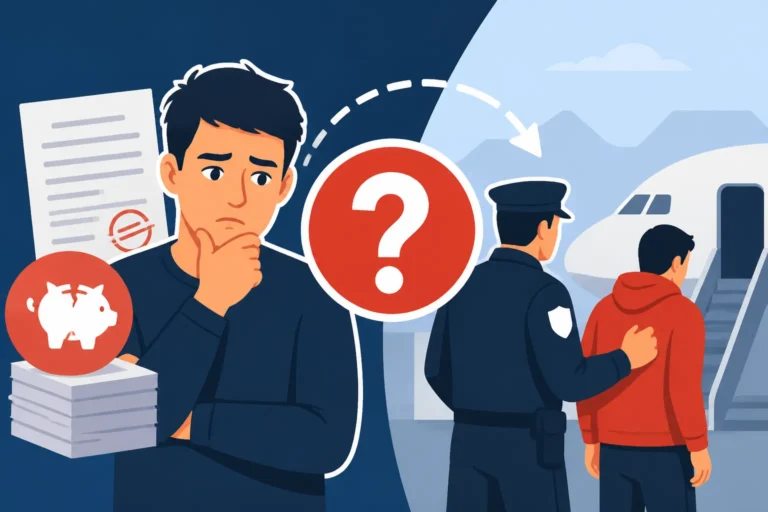
Bringing a child into your life through adoption is a truly profound decision, and doing so from abroad while navigating the Swiss system can feel like an entirely different universe of complexities. Many expat families dream of expanding their family this way, only to be met with a daunting bureaucratic maze. This guide aims to demystify the intercountry adoption process for those of us living in Switzerland, offering a realistic, empathetic walkthrough of what you can expect.
The Swiss Legal Labyrinth: Understanding Intercountry Adoption
Adopting a child from abroad, known as intercountry or international adoption, is an inherently complex process that involves the legal frameworks of at least two sovereign states: Switzerland, as the receiving country, and the child's country of origin, known as the sending country. For expats, this often adds another layer of complexity, as your own nationality might also play a role, depending on bilateral agreements. It’s not just about finding a child; it's about ensuring their journey to their new home is legally sound, ethically responsible, and always, always centered on their best interests.
Federal and Cantonal Roles in Adoption
In Switzerland, the process is a fascinating blend of federal oversight and cantonal execution, which can be a common theme in many administrative aspects of life here. The primary federal body is the Federal Office of Justice (FOJ), specifically its Central Authority for Adoption. This authority is Switzerland's designated body under the Hague Adoption Convention, which is an international treaty designed to protect children and prospective adoptive parents involved in intercountry adoptions. If Switzerland didn't sign this convention, things would be even more Wild West, but thankfully, we have this framework. The FOJ handles the overarching legal compliance, ensures the ethical standards are met, and acts as the liaison with the central authorities in sending countries. They are the gatekeepers ensuring that all adoptions are in accordance with international law and Swiss federal provisions.
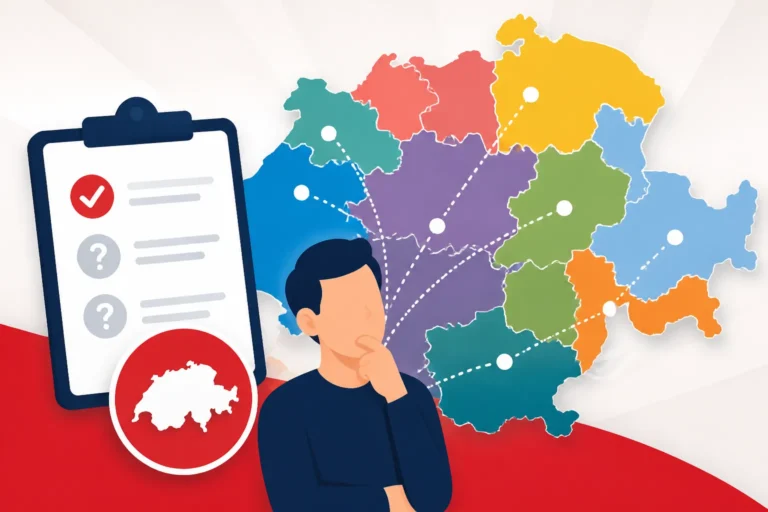
However, the day-to-day work, the direct contact with families, and the critical assessment of suitability are largely carried out by the cantonal authorities. Each canton has its own designated adoption authority – often within the social services department or a specialized cantonal office – which is responsible for conducting the home studies, providing counseling, and granting the actual adoption permits. This means that while the federal guidelines are universal, the specific nuances, waiting times, and local requirements can vary slightly depending on whether you live in Zurich, Geneva, Bern, or a smaller canton. It's truly a collaborative effort, with the federal government setting the stage and the cantons performing the play, with you as the main character. You'll quickly learn that even within a country as small as Switzerland, local rules can make a big difference, which can be frustrating when you're just trying to get clear answers.
Who Can Adopt? Swiss Eligibility Criteria for Expats
Navigating the eligibility criteria for prospective adoptive parents in Switzerland can feel like trying to hit a moving target, especially when you factor in your expat status. Generally, Swiss law dictates that adoptive parents must be married, with very specific and rare exceptions for single individuals, usually only in cases of adopting a relative. The legal requirement states that the married couple must have lived together in a stable marital relationship for at least three years. This isn't just a checkbox; the authorities genuinely want to see a stable and loving environment for the child. Furthermore, there are age requirements: the adoptive parents must be at least 28 years old, and the age difference between the youngest parent and the child must generally not exceed 45 years, though there's some flexibility for older children or special needs adoptions. It's a system designed to ensure that parents are mature enough to handle the responsibilities of raising a child, especially one who may come with a unique background.
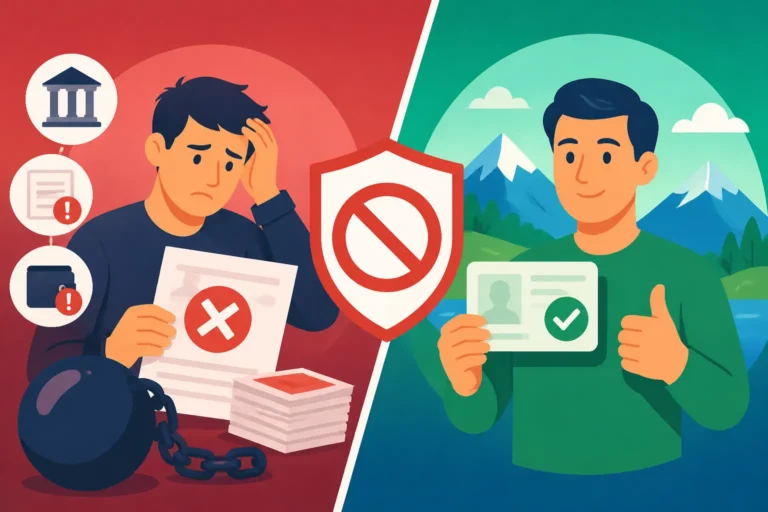
Beyond these basic legal stipulations, the cantonal authorities conducting your home study will delve deep into your personal circumstances. This isn't meant to be intrusive, but rather a comprehensive assessment of your capacity to provide a stable, nurturing, and loving home. They'll look at your physical and mental health, your financial stability, and your overall lifestyle. Expect questions about your motivations for adopting, your views on parenting, and how you plan to support a child from a different cultural background. They’ll also conduct thorough criminal record checks (the Betreibungsregisterauszug is your best friend here, or rather, your worst enemy if it has entries) to ensure the child’s safety. As an expat, demonstrating your long-term commitment to living in Switzerland and your ability to integrate into the local community will be important. Remember, the entire process is meticulously designed to protect the child first and foremost, which can feel incredibly scrutinizing but ultimately serves a vital purpose.
The Adoption Journey from Switzerland: Steps and Hurdles
The actual journey of adopting a child from abroad is often described as a marathon, not a sprint. It’s a process laden with paperwork, waiting, and emotional ups and downs. From the initial application to the day your child finally arrives, every step requires patience, resilience, and a deep understanding of the requirements both in Switzerland and in the sending country. It’s a truly global endeavor, coordinating between different legal systems and cultures.
Navigating the Home Study and Approval Process
Your journey truly kicks off with the home study – a critical and often lengthy assessment conducted by your cantonal adoption authority. This isn't just a brief chat; it's a comprehensive dive into your life, designed to determine your suitability as adoptive parents. Think multiple interviews, home visits (yes, they'll check out your apartment!), and extensive documentation requests. You’ll need to provide medical certificates for both prospective parents, ensuring you're fit to raise a child. If you're pondering which health insurance might cover complex medical needs or give you comprehensive coverage during this period, an international provider like Cigna Global could offer peace of mind, although standard Swiss KVG insurance will cover necessary medical treatments once the child is registered.
Beyond the physical health, there's a significant psychological component. The authorities will want to understand your emotional preparedness, your understanding of adoption, and your capacity to address the potential challenges of raising an adopted child, especially one from a different cultural background. They might also require you to attend preparatory courses, often offered by accredited adoption agencies, which provide valuable insights into the realities of adoption. This stage is where your true commitment is tested, and it can feel like a never-ending cycle of answering questions and providing documents. Once your home study is complete and approved by the canton, you'll receive a crucial permit that allows you to pursue an intercountry adoption. This permit is usually valid for a limited period, often three years, and must be renewed if the process takes longer.
The International Search: Finding Your Child's Home Country
With your Swiss pre-approval in hand, the next phase involves connecting with the sending country. This is where the complexities truly escalate, as you're now dealing with another country's laws, culture, and bureaucratic pace. Switzerland has bilateral agreements with a limited number of countries, which streamlines the process to some extent. You typically have to work with an adoption agency that is accredited both in Switzerland and in the specific sending country you're interested in. These agencies are invaluable, acting as intermediaries and guiding you through the foreign legal requirements. They handle the intricate details of submitting your dossier to the foreign authorities, often requiring numerous certified translations and apostilles.
The reality is that international adoption trends have shifted dramatically in recent years. Many countries are prioritizing domestic adoptions, and the children available for intercountry adoption are often older, part of sibling groups, or have special needs. It's a beautiful opportunity, but it requires an open heart and realistic expectations. The waiting times can be incredibly long – years, not months – and the communication from the sending country can be sporadic. This period tests the limits of your patience and resilience. You might hear stories of others whose process was faster or slower, adding to the emotional toll. It's essential to stay informed about changes in adoption laws in both Switzerland and the sending country and maintain regular communication with your agency. This phase truly highlights that you are not just adopting a child; you are engaging with a global humanitarian effort.
Bringing Your Child Home: Immigration and Integration
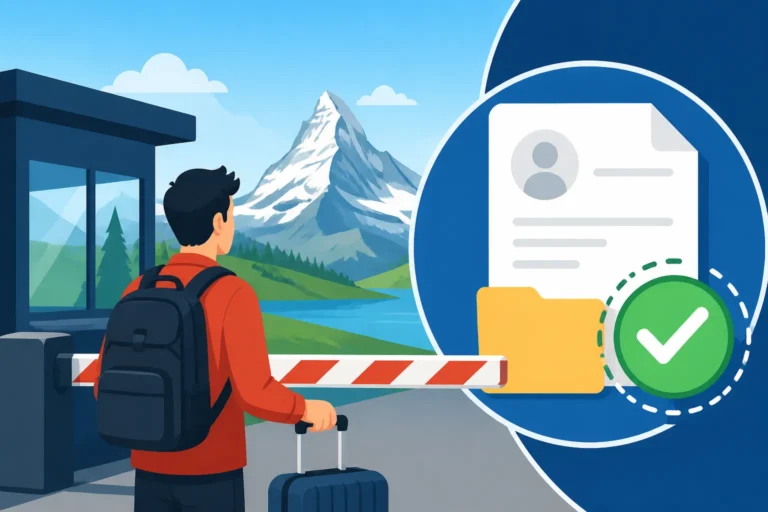
Once a child match is made and approved by both countries, the excitement is palpable, but the administrative work isn't over. The final hurdle involves the immigration and legal steps to bring your child to Switzerland. Your child will need an entry visa issued by the Swiss embassy or consulate in their country of origin. This is a crucial step that legally allows them to enter Switzerland as your adopted child. The adoption itself must also be recognized by Swiss authorities, which typically happens automatically if the adoption took place in a Hague Convention signatory country. However, some adoptions from non-Hague countries might require additional Swiss court proceedings for recognition.
Upon arrival, you'll need to register your child with your local commune or Kreisbüro within 14 days, just like any new resident. They will then be issued a residence permit, most likely a B Permit, but in some cases, if you yourself hold a C Permit or Swiss citizenship, they might receive a C Permit. This process is similar to what you'd go through for Family Reunification: Bringing Your Spouse and Children to Switzerland, albeit with the specific paperwork of adoption. Integrating your child into their new life in Switzerland involves not just legal recognition but also practical steps like enrolling them in school, registering them for Healthcare in Switzerland for Expats: The Complete System Overview (2027), and finding suitable childcare if needed. The cultural and linguistic integration can be a significant challenge, especially for older children, but with patience and resources, it’s a journey that builds incredible bonds.
The Financial Reality of International Adoption in Switzerland
Let's be blunt: intercountry adoption is not cheap. When you live in a country like Switzerland, where the Cost of Living in Switzerland 2026: Budgeting for Singles and Families is already famously high, every additional expense feels magnified. It’s crucial to have a clear financial picture and a solid plan before embarking on this journey. Many prospective parents underestimate the true financial scope, and it’s a factor that can cause immense stress if not properly managed.
Expected Costs and Financial Planning
The costs associated with intercountry adoption can be broken down into several categories, and they can easily range from CHF 30,000 to CHF 60,000, or even more, depending on the sending country and agency fees. First, you have the agency fees, which cover their administrative work, legal guidance, and coordination with the foreign authorities. These are often the largest single expense. Then there are legal fees, both in Switzerland and in the sending country, for court proceedings, document preparation, and certifications. Translation and apostille fees for every document can quickly add up – and trust me, there will be a lot of documents. You'll also incur travel expenses, which can be substantial, as most processes require at least one, if not multiple, trips to the child's country of origin. This includes flights, accommodation, and daily expenses for potentially several weeks.
Don't forget the home study fees, post-placement report costs, and various administrative charges levied by both Swiss and foreign governments. Some sending countries also have specific requirements for humanitarian aid or donations, which are separate from official fees and are intended to support orphanages or child welfare programs. It's vital to get a detailed breakdown of all potential costs from your chosen adoption agency and factor in contingencies. Start saving aggressively, explore all financial options, and consider consulting with a financial advisor to ensure you’re prepared for this significant investment in your family’s future.
Swiss Support and Benefits for Adoptive Families
While Switzerland doesn't offer direct financial subsidies specifically for the cost of adoption, adoptive families are generally entitled to the same benefits as biological families once the adoption is legally recognized. This primarily includes Child Benefit Payments (Kinderzulage), which are cantonal allowances paid out monthly per child. The exact amount varies by canton and the age of the child, but it’s a small, consistent contribution to offset the cost of raising children. You'll need to apply for these benefits through your employer or directly with the cantonal social insurance office (Ausgleichskasse).
For the initial setup, moving services can be a significant expense. If you're planning to make a move to a larger apartment or even a new canton to accommodate your growing family, services like Sirelo could be helpful for comparing removal companies and managing the logistics of expanding your household. Beyond financial benefits, many cantons offer free or subsidized services for new parents, such as the Mütter- und Väterberatung, which provides advice on childcare, health, and development, including for adopted children. While these benefits won't cover the upfront adoption costs, they do contribute to the long-term financial stability of your family, just like any other Swiss family. It's about being diligent in understanding what you're entitled to and actively claiming those supports.
Life After Adoption: Support and Well-being for Your New Family
The moment your child arrives in Switzerland is momentous, but it’s also the beginning of a whole new set of adjustments. Adoption is a lifelong journey, and ensuring the well-being and successful integration of your adopted child and your family as a whole requires ongoing support and understanding. For expats, this can mean navigating cultural differences not just between Switzerland and your home country, but also between Switzerland and your child's country of origin.
Embracing a New Culture: Integration Challenges and Resources
Bringing a child from another country, particularly an older child, means embracing and integrating multiple cultures. Your child will not only be adjusting to their new family but also to an entirely new language, school system, and social environment in Switzerland. This can be incredibly challenging and requires immense patience and empathy. Many children experience a "honeymoon period" followed by a "valley of despair" as the reality of their new life sets in. Language barriers are often the first hurdle, and while Swiss schools are generally supportive, it can take time. Looking into resources for Childhood Vaccination Schedule in Switzerland: The Official Plan Explained or simply general Maternity and Child Healthcare in Switzerland: From Pregnancy to Pediatrics will be a priority.
It's crucial to acknowledge and honor your child's background and culture of origin. This might involve continuing some traditions, celebrating holidays from their birth country, or seeking out cultural communities in Switzerland. Many cantons offer integration programs for newcomers, and while not specifically for adopted children, they can provide valuable resources for families. Seeking professional support from psychologists specialized in adoption or child development can be incredibly beneficial. If you find your family struggling, don't hesitate to explore options for Mental Health in Switzerland: Accessing Therapists and Psychiatric Care, as there are many English-speaking therapists who can help. Remember, a successful integration isn't about erasing the past but about building a rich, multifaceted future.
Post-Adoption Follow-Ups and Building Your Support Network
The adoption process doesn't end when your child arrives home. Most sending countries and Swiss authorities require post-placement reports, which involve visits from your adoption agency or cantonal social worker to assess the child's adjustment and family well-being. These reports are typically required for several years after the adoption and are sent back to the child's country of origin. While they can feel like an extension of the initial scrutiny, they are designed to ensure the child continues to thrive in their new environment.
Building a strong support network is paramount. Connecting with other adoptive families, especially expat families who have navigated similar paths, can provide invaluable peer support, shared experiences, and practical advice. Adoption support groups exist in various cantons and online, offering a safe space to discuss challenges and triumphs. Your adoption agency might also facilitate connections or provide ongoing counseling. Remember, adopting a child is a unique experience, and while the Swiss system can be challenging, the rewards of building a family are immeasurable.
| Stage of Intercountry Adoption | Key Action | Responsible Body | Common Challenge for Expats |
|---|---|---|---|
| Initial Assessment | Research requirements, choose agency | FOJ, Cantonal Authority, Accredited Agencies | Navigating dual federal/cantonal rules, finding suitable agency |
| Home Study | Interviews, home visits, documentation, health checks | Cantonal Authority, Doctors | Extensive paperwork, proving long-term stability, medical checks |
| Dossier Submission | Compile and translate documents for sending country | Accredited Agency, Sending Country Authority | Long waiting times, changing foreign laws, language barriers |
| Child Matching | Review child profiles, decision | Sending Country Authority, Accredited Agency | Limited profiles, emotional rollercoaster, ethical considerations |
| Travel & Formal Adoption | Travel to sending country, legal process | Sending Country Courts, Local Embassy | Travel logistics, unknown foreign legal system, extended stay |
| Immigration to Switzerland | Visa application, entry permit | Swiss Embassy (abroad), Cantonal Migration Office | Coordinated timing, specific visa requirements for children |
| Post-Arrival Registration | Register child with local authorities | Local Commune/Kreisbüro | Timelines, obtaining B/C Permit, applying for benefits |
| Post-Placement Support | Ongoing reports, integration support | Accredited Agency, Cantonal Authority | Cultural integration, language acquisition, ongoing assessments |
Disclaimer
The information provided in this guide is for general informational purposes only and does not constitute legal, financial, or medical advice. The laws and procedures regarding intercountry adoption in Switzerland are complex and subject to change. It is essential to consult with the Federal Office of Justice (FOJ), your cantonal adoption authority, and an accredited adoption agency for personalized, up-to-date guidance tailored to your specific situation. We strive to provide accurate and current information, but cannot guarantee its completeness or applicability to every individual case.