Working in Basel: The Pharma Hub and Expat Opportunities
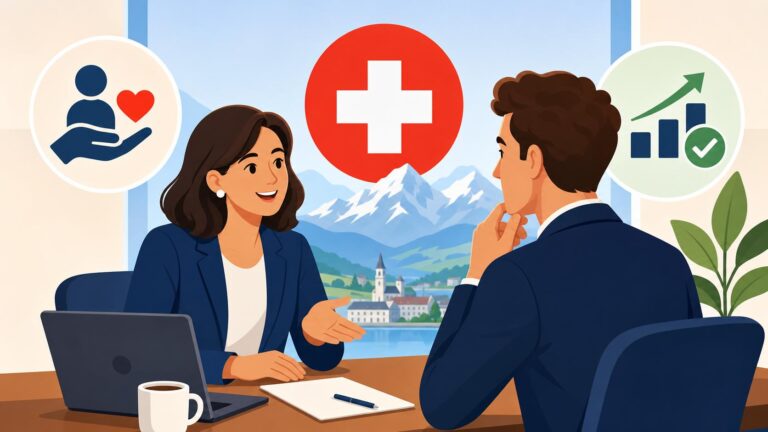
Standing on the Mittlere Brücke for the first time, watching the Rhine flow toward the North Sea, I realized that Basel isn't just a city; it is a giant, high-tech laboratory wrapped in medieval stone. When I first moved here, the "Dreiländereck"—the point where Switzerland, France, and Germany collide—felt like a logistical riddle that no one had given me the key to. This guide solves the complexity of the Basel job market, from the towering pharma giants to the specific tax traps of the cross-border lifestyle.
The Dominance of Life Sciences in the Basel Economy
Basel is colloquially known as the "Pharma Capital of the World," and for good reason. The city’s skyline is dominated by the Roche Towers, currently the tallest inhabited buildings in Switzerland, which serve as a constant reminder of where the economic power lies. For an expat, the life sciences sector isn't just a career path; it’s the primary engine that facilitates residency permits and high-quality living standards. However, the market is more nuanced than simply "working in pharma."
Novartis and Roche: The Global Giants
Novartis and Roche are the twin suns around which the Basel economy orbits. These companies are almost cities within themselves. The Novartis Campus in St. Johann is a masterpiece of modern architecture, designed to foster "serendipitous encounters" among researchers. Roche, meanwhile, has its historic roots firmly planted in the Kleinbasel side of the river. Both companies are massive employers of international talent, often providing the gateway for third-country nationals to secure a B permit.
If you are Finding Pharma Jobs in Basel Without Speaking Fluent German, these two are your most likely destinations. Their internal corporate language is almost exclusively English, which lowers the barrier to entry significantly compared to local SMEs. However, do not be fooled into thinking the culture is entirely Anglo-Saxon. There is a distinct "Basel way" of doing things—a blend of Swiss precision and a corporate hierarchy that can feel opaque to newcomers. Decisions are often reached through a long process of consensus, and punctuality is not a suggestion; it is a fundamental requirement of your professional character.
The Rise of Biotech Startups and Innovation Hubs
Beyond the giants, Basel is home to a thriving ecosystem of mid-sized firms and startups. Companies like Lonza, Basilea Pharmaceutica, and Idorsia provide a different pace of work. Often, expats find that while the giants offer stability, these smaller entities offer more varied roles where you aren't just a small cog in a massive clinical trial machine. The Basel Area City Lab and various incubators near Allschwil have become hotspots for biotech innovation.
Working in these environments requires a high degree of flexibility. You might find yourself handling regulatory affairs one day and helping with lab procurement the next. For those coming from more specialized backgrounds in the US or UK, this "all hands on deck" approach can be a culture shock. It is also where your language skills might be tested more. While the science is in English, the administration and the "coffee machine talk" might shift toward High German. This is where tools like GermanPod101 become invaluable for picking up the office vernacular that isn't found in a textbook.
Specialized Logistics and the Port of Switzerland
What many expats overlook is that Basel is Switzerland’s only gateway to the sea. The Port of Switzerland, located in Kleinhüningen, makes the city a critical hub for global logistics. If you work in supply chain management, procurement, or maritime law, Basel offers opportunities that simply don't exist in Zurich or Geneva. The transport of temperature-sensitive pharmaceuticals requires highly specialized logistics experts.
This sector is deeply integrated with the local economy and often requires a better grasp of German or French than the pharma R&D roles. The interaction with customs officials and transport workers means you'll be navigating the Language Skills for the Workplace: German, French, and English Demands on a daily basis. The work culture here is more "blue-collar" Swiss—direct, honest, and focused on the bottom line. It’s a refreshing contrast to the polished halls of the Novartis Campus, but it requires a thick skin and a proactive approach to integration.
The Frontier Work Reality: The G-Permit and Cross-Border Life
One of the most unique aspects of working in Basel is the "Frontalier" or cross-border commuter lifestyle. Because Basel is squeezed into a corner of the map, many people choose to work in Switzerland but live in Lörrach, Germany, or Saint-Louis, France. This creates a fascinating but legally complex dynamic that every Basel-bound expat must understand before signing a lease.
Living in Lörrach or Saint-Louis While Earning Swiss Francs
The math seems simple: earn a Swiss salary, pay EU-level rent. For many, this is the only way to achieve a high savings rate in their early years. Living in Germany or France allows you to access a much cheaper housing market and lower grocery costs. However, you must be prepared for the "G Permit" lifestyle. This permit is specifically for those who reside in a border zone and return to their primary residence at least once a week.
The social trade-off is significant. If you live in Saint-Louis, your social life may become fragmented. You might work in Basel-Stadt, but your neighbors speak French, and your local bakery requires you to switch linguistic gears. If your French is rusty, FrenchPod101 can help you manage the daily interactions with French landlords and utility providers. Many expats find that living across the border makes it harder to truly "integrate" into Swiss life, as they miss out on the local Basel "Apéro" culture and weekend events.
Tax Implications for Cross-Border Commuters
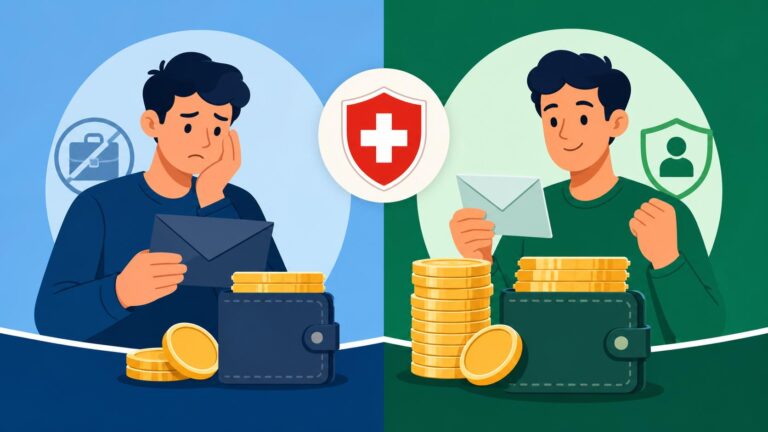
This is where the dream of "Swiss pay, German rent" gets complicated. Taxation is not a "choose your favorite" system. If you live in Germany and work in Basel, you are generally subject to the G Permit Germany: Withholding Tax Rules for Cross-Border Commuters in Basel. This typically involves a small withholding tax in Switzerland (4.5%) which is then credited against your German income tax liability. Because German tax rates are significantly higher than Swiss rates, your take-home pay will be lower than that of your colleague living in Basel-Stadt.
Conversely, if you live in France, the rules depend on the specific canton. Basel-Stadt has a different agreement with France than Jura or Neuchâtel. Generally, you will pay taxes in your country of residence (France), but there are strict rules about how many days you can work from home or travel for business before the tax balance shifts. Always consult a cross-border tax specialist before committing to this lifestyle, as the savings on rent can often be eaten up by the higher tax brackets of the EU neighbors.
Logistics of the Daily Commute: Tram 10 and the TER
Commuting in the Basel region is remarkably efficient. The Tram 10 is one of the few international tram lines in the world, whisking you from the Basel SBB station through the countryside and into Leymen, France. For those living in Germany, the "S-Bahn" connection between Basel and Freiburg or Lörrach is the backbone of the morning rush.
| Feature | Living in Basel (CH) | Living in Lörrach (DE) | Living in Saint-Louis (FR) |
|---|---|---|---|
| Tax Rate | Low (Swiss standards) | High (German standards) | Moderate to High |
| Rent Cost | High | Medium | Low to Medium |
| Commute | Short (Walk/Bike) | 20-40 mins (Train) | 15-30 mins (Tram/Bus) |
| Integration | High into Swiss life | High into German life | High into French life |
| Permit Type | B or L Permit | G Permit | G Permit |
Choosing where to live is a balance of financial goals and lifestyle preferences. If you are a single expat looking for a vibrant nightlife, living in the Basel "Gundeli" neighborhood is probably better. If you are a family looking for a house with a garden, the German or French suburbs offer more for your money, provided you can handle the tax paperwork.
Language Barriers and the Basel Corporate Culture
When I arrived, I thought my "Hochdeutsch" (High German) from university would be enough. Then I heard a local say "Grüezi" and realized I was in for a wild ride. In Basel, the linguistic landscape is a three-layered cake: English for the global office, High German for official business, and Baseldytsch (the local dialect) for the heart.
English as the Lingua Franca in Global Pharma
If your goal is a career in the life sciences, you can survive quite well with only English. Meetings, emails, and documentation are all conducted in English to accommodate the global workforce. However, relying solely on English creates a "bubble" effect. You might find yourself only befriending other expats and never truly understanding the local context of your work.
While the "hard" work is in English, the "soft" power in the office often resides in those who can navigate the local language. When the Swiss colleagues switch to dialect during lunch, it isn't to exclude you—it’s just their comfort zone. Being able to follow the thread of these conversations is the difference between being a "guest worker" and a true member of the team. For professional-grade language acquisition, Lingoda is often the best choice for expats because it offers small group classes that focus on the "Business German" you actually need in a Basel office.
Dealing with Baseldytsch and High German
Baseldytsch is a particularly soft and melodic version of Swiss German, often characterized by the "k" becoming a "ch" and a distinct vocabulary. Even Germans from Berlin struggle to understand a true "Bebbi" (a Basel local). In the workplace, you are expected to write in High German, but you will often be spoken to in dialect.
The unwritten rule is that you should speak High German, and they will speak Swiss German back to you. This is perfectly acceptable. Don't try to "fake" a Basel accent in your first year; it usually comes off as mocking. Focus on your High German fluency first, as this is what you will need for your Language Requirements for Swiss Permits: A1 to B2 Standards Explained. Using a platform like Lingoda to reach a B1 level will make your HR department and the local migration office much happier when it comes time to renew your permit.
Social Integration Beyond the Office
Basel is a city of "Vereine" (clubs). Whether it’s a rowing club on the Rhine, a Fasnacht clique, or a local football team, this is where the real networking happens. In the Swiss corporate world, who you know at the rowing club can be as important as your LinkedIn profile.
Integration is a slow burn in Basel. The locals are incredibly friendly but can be reserved. They value long-term stability and reliability. If you show up to every "Apéro" and show an interest in local traditions—like the Basel Fasnacht (carnival)—you will find doors opening that were previously bolted shut. Remember that The Swiss Corporate Culture: Meetings, Hierarchy, and Professional Etiquette extends into your social life; being loud or overly boastful is a quick way to be sidelined.
Salary, Benefits, and Your Financial Future in Basel
Basel offers some of the highest salaries in the world, particularly in the pharma sector. However, the gross number on your contract is only half the story. You need to understand the "deduction dance" that happens every month on your payslip.
Benchmarking Your Pharma Salary
A mid-level project manager in a Basel pharma firm can expect to earn anywhere from CHF 120,000 to CHF 160,000, depending on experience and the specific niche. Senior roles easily clear the CHF 200,000 mark. While this sounds like a fortune, you must account for the local cost of living. A coffee will cost you CHF 6, and a modest three-room apartment in a decent area like Bachletten will run you CHF 2,500 per month.
When negotiating your contract, look beyond the base salary. Ask about the "13th month" pay. Is it guaranteed or performance-based? Check The 13th Month Salary: How It Works and When It’s Paid to understand the legal nuances. Also, pay close attention to your pension fund (Pillar 2). Some pharma companies offer "over-mandatory" contributions, which can add tens of thousands of francs to your long-term wealth without you ever seeing it in your monthly bank account.
Relocation Packages and Hidden Deductions
If you are being recruited from abroad, the big pharma companies usually offer generous relocation packages. This might include temporary housing (like the Vision Apartments in the city center), assistance with your Mandatory Registration: How to Sign Up for Health Insurance Within 90 Days, and even language school vouchers.
However, your monthly payslip will still have several line items that can be confusing. You will see deductions for AHV (state pension), ALV (unemployment insurance), and NBU (non-occupational accident insurance). It is vital to spend time Understanding Swiss Payslips: Deductions for AHV, ALV, and NBU so you aren't shocked when your net pay is 20-25% lower than your gross pay. For expats on a B permit, your taxes will be deducted at source (Quellensteuer), which actually makes budgeting easier as you don't have to worry about a massive tax bill at the end of the year.
Childcare and Education for Expat Families
If you are moving with children, the financial calculation changes. Basel has excellent public schools, but they are conducted in German. Many expats opt for international schools like the International School Basel (ISB), which has campuses in Reinach and Fiechten. Be warned: tuition can exceed CHF 30,000 per year per child.
Some companies offer "educational allowances" to help cover these costs, but this is becoming less common for anyone below the executive level. If you choose the public route, the city provides "bridge" classes to help non-German-speaking children integrate. While stressful at first, this is the fastest way for your children to become truly bilingual. For the parents, finding an English-Speaking Pediatrician in Zurich Oerlikon might be the standard advice, but in Basel, the university children's hospital (UKBB) is a world-class facility where English is widely spoken by nearly every specialist.
Practical Steps for Finding Work in Basel
If you aren't being headhunted by Roche or Novartis, how do you break into the Basel market? It requires a blend of digital strategy and old-fashioned "boots on the ground" networking.
Identifying the Right Recruitment Agencies
The Basel market relies heavily on specialized recruiters. Agencies like Hays, Michael Page, and Kelly Services have dedicated "Life Sciences" desks in Basel. They often have access to roles that aren't posted on public job boards. When you contact them, ensure your CV is tailored to the Swiss CV: Formats, Photos, and Professional Norms. In Switzerland, including a professional photo and your date of birth is still the standard, even in international companies.
Don't just upload your CV and wait. Call the recruiters. In a city that values precision, a follow-up call shows that you are serious. Ask them specifically about the Third-Country National Quotas: How the Swiss Permit Limits Work for the current year. If the quotas are nearly full, you might need to wait until January for a better chance at a permit approval.
The Hidden Job Market and Networking Events
Many of the best roles in Basel are filled before they ever reach LinkedIn. Networking events like the "Life Sciences Tuesday" or events hosted by the Basel Area Business & Innovation group are goldmines for information.
If you find yourself between roles, it is crucial to know How to Register at the RAV Office Before Your Job Ends. The RAV (Regional Unemployment Center) in Basel is surprisingly efficient and can even provide funding for advanced language courses or certifications if they believe it will help you find a job faster. They are strict, however; you will be expected to prove that you are making 10-12 high-quality applications every month to keep your benefits.
Navigating Local Healthcare and Daily Life
Once you have the job, the logistics of living in Basel start. You’ll need to navigate the Basel Expat Healthcare Guide: Medical Networks and Cross-Border Options to find a doctor who understands your history. Most expats find that the "Family Doctor" model works best here, where a general practitioner (Hausarzt) coordinates all your care.
Even simple things like dental work can be a surprise. Many Basel residents actually cross the border into Germany for dental care to save 50-70% on costs. However, for a routine check-up, finding a local English-Speaking Dentist in Basel City is often more convenient and ensures your records stay within the Swiss system. These small choices—where to see a doctor, where to buy groceries, and how to learn the language—are what turn a "contract in Basel" into a successful life in Switzerland.
Summary of Basel Living and Working
- Primary Industry: Pharmaceuticals and Biotechnology (Roche, Novartis, Lonza).
- Secondary Industry: Logistics and Rhine-based shipping.
- Language: English is dominant in the office, but High German and Baseldytsch are key for long-term success.
- Commuting: Significant "Frontalier" population living in Germany or France.
- Taxes: Complex for cross-border workers; deducted at source for most B-permit holders.
- Culture: A mix of international corporate polish and traditional Swiss-German values.
Disclaimer
The information provided in this guide is for informational purposes only and does not constitute legal, financial, or tax advice. Regulations regarding Swiss work permits, tax treaties with neighboring countries, and employment laws are subject to change. Always consult with official cantonal authorities or a qualified professional before making significant financial or residency decisions.