Spring in Switzerland: Blossoms, Hikes, and Lakeside Days
Oh, spring in Switzerland! It’s a magical time, but let me tell you, if you’ve just arrived from sunnier climes or you're used to a more predictable spring, you might find yourself scratching your head. Forget those postcard images of endless sunshine and shorts in March; Swiss spring is a nuanced affair, a slow, often damp, but utterly beautiful awakening. This guide will walk you through what to truly expect from the Swiss spring, from the first tentative blossoms to the glorious lakeside days, helping you plan your adventures and avoid those common expat "but it's April, where's the warmth?!" disappointments.
Embracing the Awakening: The Unique Charm of Swiss Spring
After a long Swiss winter, which often feels like it stretches from October well into March, the arrival of spring is less a sudden burst and more a gradual, sighing unfurl. It's a season of contrasts, where you might experience all four seasons in a single week – or even a single day! But this very unpredictability is what makes it so special.
When Does Spring Actually Begin in Switzerland?
This is where expectations often collide with reality. While the calendar might declare March 20th as the start of spring, Mother Nature in Switzerland has her own schedule. Down in the Ticino, you might see almond trees blooming in late February, enjoying an almost Mediterranean microclimate. However, for much of the Swiss Plateau and especially the mountains, March and even early April can still be very much wintery. I’ve seen heavy snowfalls in Zurich in April, which always throws newcomers for a loop.
Think of it this way:
- Early Spring (March): Still chilly. Expect grey skies, occasional rain, and lingering snow at lower altitudes. Hiking trails will be muddy, and many mountain lifts will still be closed or transitioning. Days are noticeably longer, but the warmth is fleeting. It's less about blossoms and more about the promise of them.
- Mid-Spring (April): This is when things start to get interesting. The daffodil fields in places like Narcisse in Les Avants (near Montreux) or around Seelisberg burst into life, offering incredible photo opportunities. Lower altitude trees begin to bud, and the first vibrant greens appear. Temperatures are milder but still erratic; a sunny 15°C day can quickly turn into a rainy 5°C evening.
- Late Spring (May – Early June): Ah, now this is often what people imagine when they think of "spring." Meadows are a riot of wildflowers, the snow line visibly retreats up the mountains, and the air becomes genuinely crisp and fresh. Lake activities really pick up, and the hiking season is in full swing at lower and mid-altitudes. You might even find yourself swimming in a lake by late May if you're brave enough.
It’s crucial to understand these regional and temporal differences. A trip to Lugano in March will feel vastly different from a trip to Grindelwald at the same time. Don’t rush it, embrace the slow reveal, and pack layers – always layers!
The Visual Feast: Blossoms and Greenery
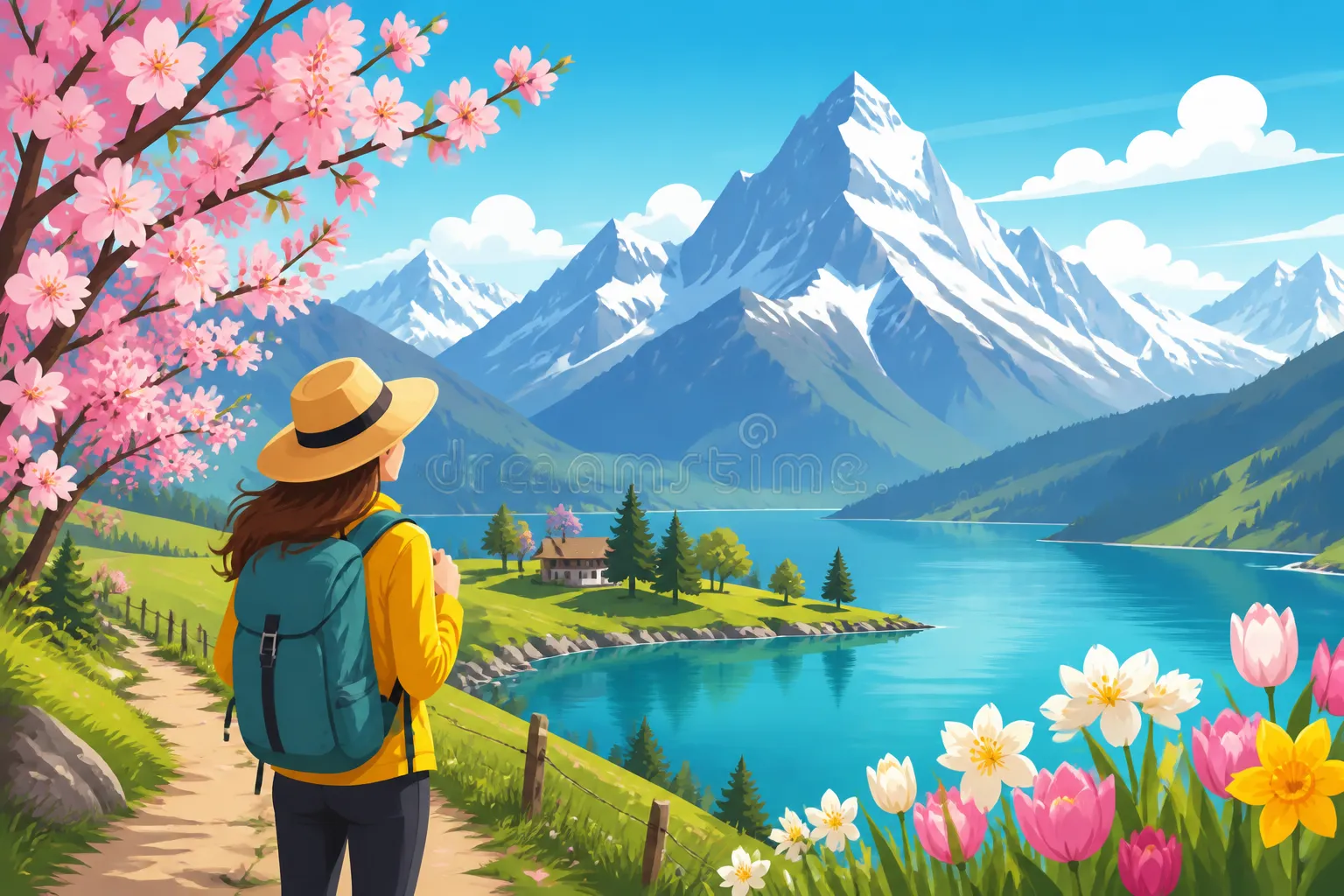
When Swiss spring finally decides to show off, it’s truly breathtaking. The gentle valleys and hillsides transform from drab winter hues into an explosion of color. From the delicate white and pink of cherry and apple blossoms to the bright yellow of rapeseed fields, the landscape becomes a painter's palette.
In early April, keep an eye out for magnolias and camellias, especially in warmer city parks like the Enge district in Zurich or along the promenade in Montreux. By mid-April, the wild daffodils (narcissus) take center stage. Places like Les Avants, above Montreux, become a pilgrimage site for their famed "Neige de Mai" (May snow) – carpets of white narcissus blooms covering the hillsides. It's an absolute must-see, but be sure to check local bloom reports, as the timing can shift year to year. The best way to get there is by train, which makes a delightful day trip. You can easily check train schedules on platforms like Omio or SBB directly.
As May progresses, the pastures in the mid-mountains erupt with alpine flowers. Crocuses, gentians, and primroses speckle the vibrant green meadows. The fresh, tender green of newly emerging leaves on the trees, particularly after a rain shower, is a sight to behold. This fresh green, so unlike the deep, rich greens of summer, feels incredibly rejuvenating and symbolizes a true rebirth after the starkness of winter.
Why Spring is an Underrated Travel Season for Expats
Many tourists flock to Switzerland in summer for guaranteed sunshine or in winter for skiing. This means spring, particularly March and April, is often overlooked, and that, my friends, is your secret advantage as an expat. You get fewer crowds, lower prices on accommodation before the peak summer season, and a more authentic feel.
The air quality in spring is phenomenal, often crystal clear after a rain, offering stunning visibility of the snow-capped peaks against the newly green valleys. It’s also a fantastic time for photography, with softer light and dramatic cloud formations. Plus, many towns start to reopen their outdoor café terraces, but without the summer rush, you can actually snag a good spot for an Aperol Spritz. It’s a transitional period that lets you witness the country's transformation firsthand, offering a unique blend of lingering winter grandeur and emerging summer vibrancy. It’s quiet, reflective, and allows for a deeper connection with the evolving landscape.
Springtime Adventures: Hikes, Lakes, and Outdoor Activities
While high-altitude skiing might be winding down (or closing entirely), spring opens up a whole new world of outdoor exploration. It’s a fantastic season to discover trails that were too icy or snow-bound just weeks before, and to see the lakes shake off their winter chill.
Hiking Trails as the Snow Retreats
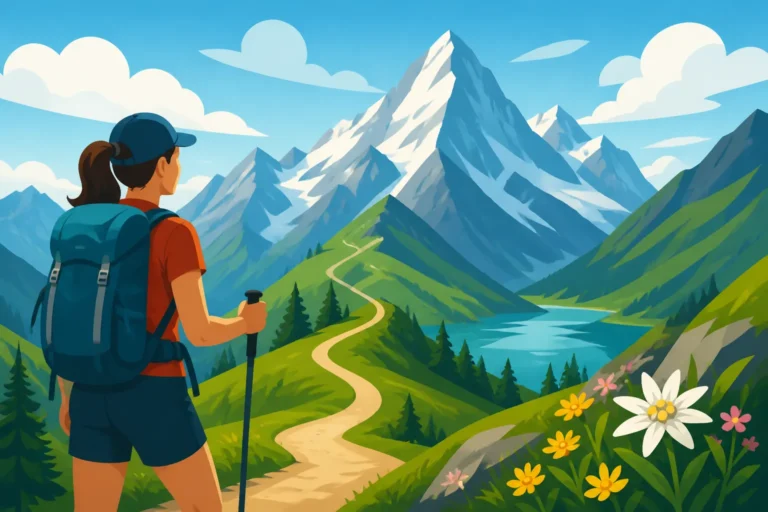
As the snow melts and the sun gains strength, hiking opportunities blossom. While many of the iconic high-alpine trails will still be under snow until late May or even June, countless lower and mid-altitude routes become accessible and incredibly rewarding. Think of scenic lakeside paths, vineyard hikes, and forest trails.
- Lakeside Promenade Strolls: Take a walk along Lake Geneva from Montreux towards Chillon Castle, or the beautiful paths around Lake Lucerne. These paths are usually clear early in spring and offer stunning views with the still-snowy peaks as a backdrop. You can easily find information on such routes within our guide, Lake Geneva (Lac Léman): Towns, Boats, and Vineyard Walks.
- Vineyard Hikes: The Lavaux vineyards, a UNESCO World Heritage site overlooking Lake Geneva, are particularly beautiful in spring as the vines begin to bud. The terraces offer gentle, sloping walks with incredible panoramic views. It's a fantastic way to stretch your legs and enjoy some local wine tastings.
- Forest and River Walks: Seek out trails through forests or alongside rivers. These areas often clear of snow first and provide sheltered, pleasant walking conditions. For instance, the Aare Gorge near Meiringen or the various river walks around Zurich offer refreshing and beautiful paths. Remember to check local trail conditions, especially for mud and potential closures due to rockfall in early spring. Apps like SwitzerlandMobility or local tourism websites are invaluable for this. If you’re a beginner, it’s always good to understand the Hiking for Beginners in Switzerland: Trail Grades and the SAC System to choose appropriate routes.
Lakeside Serenity: From Icy Glare to Gentle Ripples
The Swiss lakes truly come alive in spring. Gone is the cold, steely glare of winter, replaced by a softer, more inviting hue. While it might still be too chilly for a full swim for many (unless you're truly hardy!), the lakes offer myriad other pleasures.
- Boat Cruises: The large passenger boats on Lake Zurich, Lake Lucerne, and Lake Geneva start their full seasonal schedules in April or May. A lake cruise is a sublime way to experience the transition of the landscape, watching the vibrant green shores glide by against the dramatic backdrop of snow-capped mountains. You can often purchase tickets directly at the pier or use the SBB Mobile app.
- Picnics and Relaxation: Pack a lunch and find a bench or a grassy spot along the shore. The lakeside parks are less crowded than in summer, offering a peaceful retreat. The air is fresh, and the sun, when it appears, feels wonderfully warm on your skin.
- Kayaking and Paddleboarding (for the brave): For those seeking a bit more adventure, some rental shops for kayaks and stand-up paddleboards begin to open in late spring. While the water is still cold, wearing a wetsuit can make for an invigorating experience. Always prioritize safety and check water temperatures. Even if it's not quite swimming weather, you can still enjoy the stunning lake views.
Engaging in Unique Springtime Activities
Spring in Switzerland isn't just about passive observation; there are unique events and experiences that only this season offers.
- Seasonal Markets: As the weather improves, more outdoor markets pop up in towns and cities. You'll find fresh local produce, artisanal crafts, and the general buzz of community life returning outdoors. These are wonderful places to soak up the local atmosphere and sample seasonal treats.
- Thermal Baths: After a damp or chilly spring hike, there's nothing quite like unwinding in one of Switzerland's many thermal baths. They offer a perfect blend of relaxation and warmth, often with stunning mountain views. Leukerbad and Bad Ragaz are popular choices, providing both indoor and outdoor pools, allowing you to enjoy the spring air while staying toasty. Many places offer packages that can be booked via platforms like GetYourGuide or directly.
- City Explorations: With fewer crowds and pleasant temperatures, spring is an ideal time to explore Switzerland's charming cities. Wander through the medieval streets of Bern, discover the international flair of Geneva, or delve into Zurich's vibrant cultural scene. Our Day Trips from Zurich: Rhine Falls, Rapperswil, and Lucerne guide provides some excellent ideas for exploring beyond the main city. These urban adventures offer museums, art galleries, and lovely cafes where you can duck in if a spring shower suddenly hits. You can find excellent hotel deals for these cities on Booking.com during the shoulder season.
| Spring Period | Typical Weather | Recommended Activities | Popular Regions |
|---|---|---|---|
| Early Spring (March) |
Chilly, often grey, occasional snow/rain | City sightseeing, museum visits, thermal baths, low-altitude forest walks, shopping | Zurich, Geneva, Basel, Ticino, lakeside towns (e.g., Montreux, Lucerne) |
| Mid-Spring (April) |
Milder, unpredictable (sun to rain), blossoming | Blossom viewing (narcissus, cherry), vineyard hikes, lake cruises, gentle valley walks, Easter markets | Lavaux, Ticino, Lake Geneva area, Lake Lucerne, Basel (Fasnacht in early March) |
| Late Spring (May-early June) |
Warmest, more consistent sunshine, lush green | Mid-altitude hiking, mountain excursions (some lifts reopening), lake activities (kayaking, brave swimming), outdoor dining, cycling | Jungfrau Region (lower parts), Engadin (lower parts), Valais, Jura mountains, all lake regions |
Planning Your Spring Escape: Logistics and Local Tips
Making the most of Swiss spring requires a bit of forethought, especially regarding packing and travel. The shoulder season also offers advantages for booking and budgeting.
Navigating Spring Weather and Packing Essentials
The golden rule for Swiss spring packing is layers, layers, layers! Seriously, you’ll be thanking me.
- Waterproof Outerwear: A good quality, lightweight waterproof jacket is non-negotiable. You’ll want to be prepared for sudden rain showers, and it also serves as a windbreaker.
- Warm Layers: Even on a sunny day, temperatures can drop significantly when the sun goes behind a cloud or as evening approaches. Bring fleeces, light sweaters, and long-sleeved tops.
- Comfortable, Waterproof Shoes: For hiking and exploring, waterproof walking shoes or light boots are essential. Many trails will be muddy, and you don’t want soggy feet ruining your day.
- Accessories: A scarf, light hat, and gloves might sound excessive for spring, but you'll be glad to have them on cooler mornings or if you venture up a mountain. Sunglasses and sunscreen are also a must; the spring sun can be surprisingly strong, especially with reflective snow still around.
- Umbrella: A compact umbrella is always a good idea for city strolls.
Remember that weather in the mountains is always more unpredictable. Before heading out, always check the local forecast and webcams, especially if you're planning on venturing to higher elevations. Our Weather Apps and Webcams for Planning Swiss Mountain Trips guide can be really helpful here.
Accommodation and Travel During the Shoulder Season
One of the perks of visiting in spring, especially early to mid-spring, is that it's often considered the "shoulder season" between the winter ski crowds and the summer hikers. This means you might find better deals on accommodation compared to peak times.
- Booking Smart: Use platforms like Booking.com to compare prices and find hotels or apartments that fit your budget. Many places will offer slightly lower rates, and you'll have more choice. Look for properties with good cancellation policies, just in case the weather shifts your plans.
- Public Transport is Your Friend: Switzerland’s public transport system is legendary, and it's particularly enjoyable in spring. Trains, buses, and boats run efficiently, connecting even remote villages. Consider investing in a The Half-Fare Travelcard (Halbtax): The Must-Have Pass for Swiss Residents if you plan to do a fair bit of traveling, as it saves you 50% on most tickets. For longer, more extensive trips, you might even consider if a SBB Travelcards: Is the Generalabonnement (GA) Worth the CHF 4000+ Cost? makes sense. You can book individual tickets or passes through SBB or Omio.
- Mountain Access: While some major mountain resorts will transition from skiing to hiking (or even close for maintenance) in spring, many accessible peaks like Mount Rigi or Mount Pilatus near Lucerne are open year-round with their panoramic trains and cable cars. Always check their specific operating schedules before you go, as they can have short closure periods for maintenance between seasons.
Seasonal Food and Local Delights
Swiss cuisine in spring is all about fresh, light flavors after the hearty winter dishes.
- Spargelzeit (Asparagus Season): This is a huge deal! From April to June, white and green asparagus takes center stage. You'll find it on almost every menu, often served with new potatoes, ham, and hollandaise sauce. It’s a delicious, seasonal treat not to be missed.
- Wild Garlic (Bärlauch): In late March and April, forests fill with the pungent aroma of wild garlic. You'll see it in markets and on restaurant menus, used in soups, pestos, and as a flavoring for butter or pasta. It’s a fleeting but delightful taste of spring.
- Fresh Cheeses: While cheese is a year-round staple, spring often brings out lighter, fresher cheese varieties as cows move to greener pastures. Pair these with freshly baked bread from a local bakery. Our Regional Swiss Cheeses: Gruyère, Emmental, Appenzeller, and More guide can introduce you to some local favorites.
- Lakeside Dining: As terraces open up, enjoy a meal with a view. Many lakeside restaurants will offer fresh fish from the local waters, prepared simply to highlight its natural flavors. This is part of the true Swiss experience, often detailed in our Dining Out in Switzerland: Reservations, Tipping, and Mealtimes article.
Spring is a time of gentle transition, discovery, and quiet beauty in Switzerland. It rewards those who are patient, prepared, and willing to embrace its unique blend of weather and wonder. Get out there and enjoy the awakening!
Disclaimer
The information provided in this guide is for general informational purposes only and does not constitute professional advice. While we strive to ensure accuracy, conditions in Switzerland, especially regarding weather, travel schedules, and local regulations, can change rapidly. Always verify current information with official sources, local tourism boards, and service providers before making travel or activity plans.