Autumn in Switzerland: Foliage, Chestnuts, and Harvest Festivals
After the glorious Swiss summer with its long, bright days and vibrant green meadows, many of us expats find ourselves a little wistful as the chill starts to creep in. But let me tell you, that shift from verdant green to fiery gold is an absolute spectacle here, a true highlight of the year! If you've been wondering how to really experience the magic of the Swiss autumn beyond just observing the leaves from your window, this guide is your personal roadmap to embracing the season's unparalleled beauty, delicious traditions, and cozy festivities.
Embracing the Golden Season: Why Autumn in Switzerland is Pure Magic for Expats
Oh, autumn in Switzerland! It’s truly something else, isn’t it? When I first moved here, I was so caught up in the administrative maze and just trying to figure out where to buy decent coffee that I almost missed the sheer transformation happening all around me. We often think of Switzerland for its snowy peaks or its emerald summers, but autumn? Autumn paints this country in hues you wouldn't believe, turning familiar landscapes into breathtaking works of art. It’s a season that’s deeply appreciated by the locals, and for good reason – it’s less crowded than summer, the air is crisp, and there's a unique warmth in the golden light filtering through the trees. It’s also when the country transitions from high-alpine summer hiking to the quieter, lower-altitude pleasures of harvest and contemplation.
The Unique Charm of a Swiss Autumn
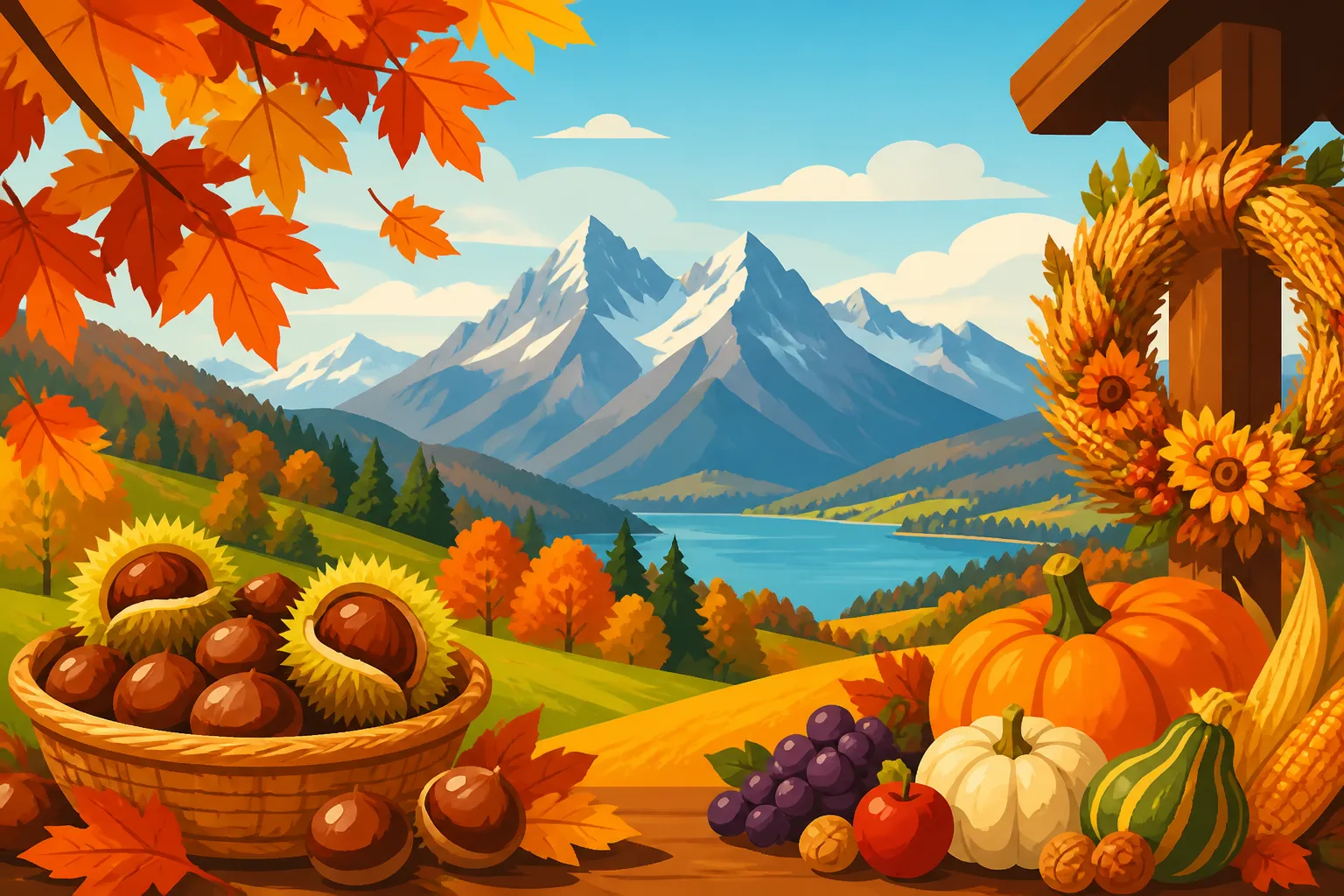
Unlike the fleeting autumns I knew back home, Switzerland's fall season feels both vibrant and serene. It starts subtly, a whisper of yellow in the higher valleys around late September, and then explodes into a symphony of reds, oranges, and golds that stretches well into November in some of the lower regions. It's not just the trees; the vineyards shimmer with ripening grapes, ready for harvest, and the mountains, while still majestic, take on a gentler, more approachable grandeur under the clear, bright autumn skies. There’s a certain tranquility that settles over the landscape, a sense of winding down after the bustling summer, inviting you to slow down and truly soak it all in. You'll find yourself reaching for a warm Schümli Pflümli (coffee with plum schnapps) or a hearty Kürbissuppe (pumpkin soup) more often, and isn't that just part of the charm?
Transitioning from Summer Hikes to Cooler Explorations
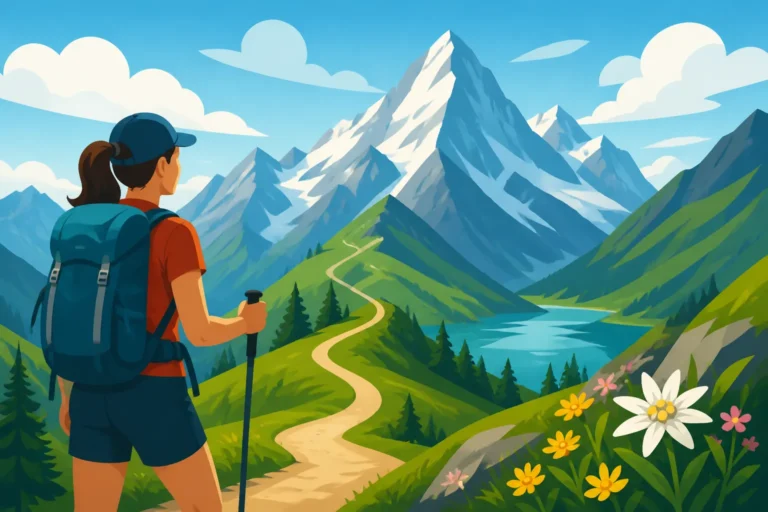
If you’re anything like me, you probably spent your summer here conquering mountain peaks and diving into turquoise lakes. Autumn offers a fantastic shift in gears. While some high-alpine trails might start to see early snow, especially towards late October, the lower and mid-altitude regions become an absolute paradise for hiking. The air is cooler, making strenuous climbs more comfortable, and the sun, lower in the sky, casts long, dramatic shadows that make every vista even more stunning. No more sweating through your t-shirt on a steep ascent – now it's all about layering up, enjoying the comfortable temperatures, and relishing the crunch of fallen leaves underfoot. It’s the perfect time to explore those mid-level trails you might have overlooked in the summer, or revisit popular spots with fewer crowds. Seriously, if you love hiking, you haven't truly lived until you've done an autumn hike here.
Chasing Autumn Foliage: Where and How to See Switzerland's Colors Explode
So, you want to see the leaves, huh? You’ve come to the right place. Switzerland doesn’t just do fall colors; it stages them. From vast forests to shimmering vineyards, the country transforms into a vibrant painter's palette, and knowing where to go and when can make all the difference. Forget endless scrolling through Instagram, let’s talk about real, boots-on-the-ground experiences.
Iconic Regions for Leaf-Peeping
Switzerland is blessed with diverse landscapes, which means the autumn display varies wonderfully by region. If you're looking for that quintessential golden forest experience, you absolutely have to head to the Jura Mountains in the west, or the Emmental Valley in Bernese Oberland. Here, the rolling hills are covered in beech and maple forests that ignite in brilliant yellows and deep oranges. Imagine driving through winding roads, flanked by golden tunnels of trees – it’s idyllic.
But for something truly spectacular, especially later in the season (mid-October to early November), Ticino, Switzerland's Italian-speaking canton, is a must. The chestnut forests here, particularly in the Malcantone region or around Lugano, turn a magnificent golden-bronze. The contrast with the often still-blue skies and the shimmering lakes is just phenomenal. It feels like stepping into a different country, with palm trees alongside golden deciduous ones.
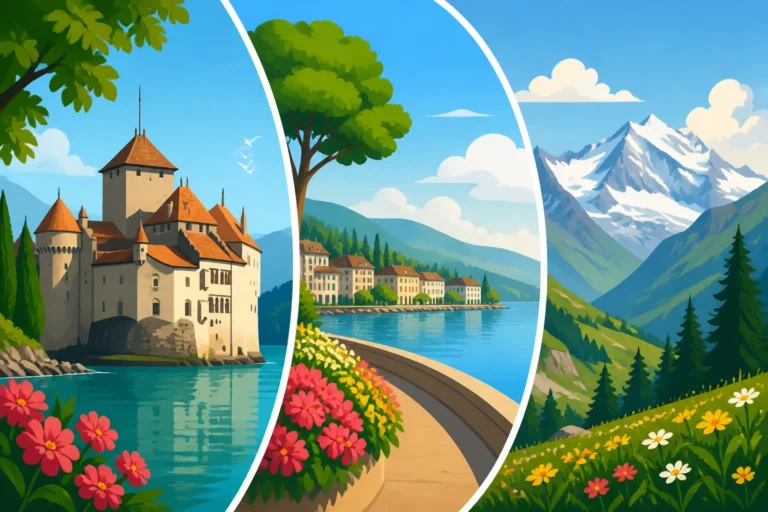
Then there are the vineyard regions. The Lavaux terraces overlooking Lake Geneva, a UNESCO World Heritage site, are incredible year-round, but in autumn, as the grape leaves turn russet and gold, they are simply breathtaking. You can walk through the vineyards, stop for a dégustation (tasting), and marvel at the intricate patterns of the terraced hills. The same goes for the wine regions in Valais and Vaud. You can find out more about these regions in our guide to Swiss Wine Regions: Valais, Vaud, Geneva, and Ticino Explained.
And of course, the Engadine Valley in Graubünden is famous for its larch trees. Unlike most conifers, larches shed their needles, and before they do, they turn an astonishing brilliant gold. This happens earlier in the season, typically late September to mid-October, making places like Sils Maria, St. Moritz, and the trails around the Val Roseg a photographer's dream. It’s a very different kind of autumn beauty, stark and radiant against the high-alpine backdrop.
Best Ways to Experience the Foliage: Trains, Hikes, and Drives
To truly immerse yourself in the autumn spectacle, you have a few fantastic options, each offering a unique perspective:
-
Scenic Train Journeys: Switzerland's public transport system is legendary, and it truly shines in autumn. The panoramic windows of trains like the Glacier Express vs Regular Trains on the Same Route: The Cost Difference or the Bernina Express: Crossing the Alps to Italy by Scenic Train offer unparalleled views as you glide through valleys ablaze with color. Even regular SBB trains on routes like the Gotthard Pass or through the Valais are incredibly scenic during this time. I often use Omio to check schedules and prices, making it super easy to plan spontaneous trips to these vibrant areas. Don't forget your Half-Fare card or GA for discounts on these amazing rides! Our guide on Switzerland by Train: The SBB Network, Scenic Routes, and Day Trips offers more detailed routes.
-
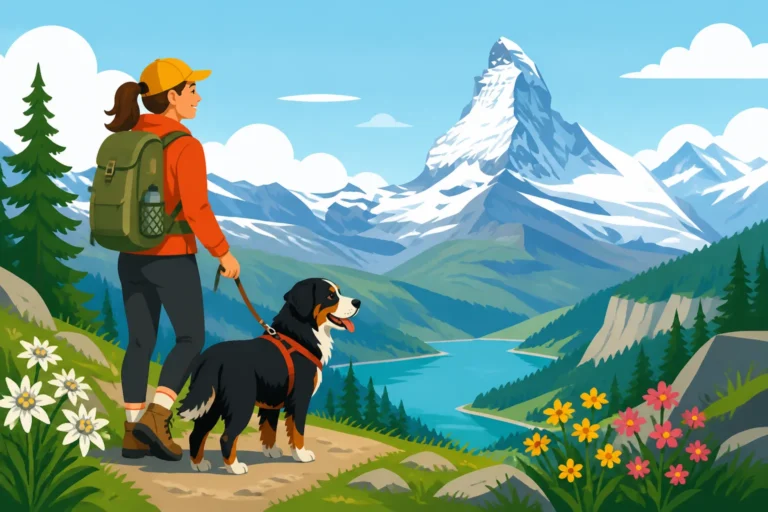
Hiking Trails: This is hands-down my favorite way to experience autumn. You’re right there in it, surrounded by the rustling leaves, breathing in the earthy scent. Many regions offer designated "Herbstwanderwege" (autumn hiking trails). For example, a hike around Lake Cauma or Lake Cresta near Flims in Graubünden is stunning when the larches are golden. In Ticino, the Sentiero delle Castagne (Chestnut Trail) is perfect, winding through ancient chestnut groves. Remember to check out Swiss Hiking for Beginners: Trail Grades and the SAC System for tips on trail difficulty.
-
Road Trips: If you have a car, a leisurely drive through the countryside, especially through the Jura, Emmental, or even some of the smaller mountain passes (before they close for winter!), can be incredibly rewarding. The freedom to pull over at scenic viewpoints, grab a coffee in a quaint village, or simply watch the light change over the hills is magical. Just be aware that winding mountain roads can be a bit challenging, and always check weather and road conditions before heading out, especially in late autumn.
-
Cable Cars and Mountain Railways: Many of the Mountain Railways and Cable Cars: Reaching Switzerland's Peaks remain open well into autumn, offering spectacular bird's-eye views of the colorful valleys below. Imagine ascending to a viewpoint like Harder Kulm above Interlaken or the Uetliberg near Zurich, and seeing the entire landscape spread out like a patchwork quilt of gold and crimson.
Timing Your Visit for Peak Colors
This is the million-franc question, isn’t it? When exactly will the leaves be perfect? The truth is, it varies year to year based on weather patterns, but here’s a general guideline that has served me well:
- High Altitudes (Engadine, higher Valais): Late September to mid-October. The larches turn gold first here, making for a truly spectacular, if early, display.
- Mid-Altitudes (Bernese Oberland, central Switzerland, Jura): Early October to late October. This is often the sweet spot for the classic forest colors.
- Low Altitudes (Ticino, Lake Geneva region, Aargau): Mid-October to early November. The warmer microclimates here mean the colors last longer, especially the chestnut trees in Ticino and the vineyards.
My advice? Don't stress too much about hitting the absolute "peak." Autumn unfolds beautifully over several weeks, and even slightly past peak, the crunchy leaves on the ground and the softer light are still incredibly charming. Follow Swiss weather forecasts, look at webcams for your chosen region, and maybe even check local tourism office websites, as they sometimes post "foliage reports."
Chestnut Season Delights: From Forest Foraging to Festive Feasts
Beyond the visual feast of the foliage, autumn brings another, equally delightful, sensory experience to Switzerland: chestnut season! For many, particularly in the southern canton of Ticino, chestnuts (or marroni as they're known in Italian, Maronen in German) are synonymous with autumn, a true taste of the season.
The Significance of Chestnuts in Ticino and Beyond
For centuries, chestnuts were a staple food in Ticino, often called the "bread of the poor." They were ground into flour, used in soups, and roasted over open fires, sustaining families through long winters. While they're no longer a primary food source, the tradition and cultural significance remain incredibly strong. Drive through Ticino in October, and you’ll see centuries-old chestnut groves, their branches heavy with spiky burs. It’s a proud heritage, reflected in the local cuisine and, of course, the vibrant festivals dedicated to this humble, yet delicious, nut.
But it’s not just Ticino! You’ll find roasted chestnuts, sold from steaming carts (Marronibrater), popping up in city centers across the country, from Zurich to Geneva, as soon as the weather turns cool. The unmistakable aroma of roasting chestnuts fills the air, a truly comforting and nostalgic scent that always signals the arrival of proper autumn. It's one of those simple pleasures that make living in Switzerland so charming.
How to Find and Enjoy Marroni (Roasted Chestnuts)
If you're eager to try these autumnal treats, you have a few options:
- Marronibrater Carts: The easiest way to enjoy marroni is from the countless street carts that appear in city centers, train stations, and at markets from mid-September onwards. You’ll spot them by the distinct charcoal smell and the vendors expertly turning chestnuts over hot coals. They’re usually sold in small paper bags, perfectly hot and ready to eat. A small bag will set you back a few francs, but it’s a quintessential Swiss autumn experience.
- Foraging in the Forest: If you're feeling adventurous and want a truly authentic experience, you can go foraging for chestnuts yourself! Head to Ticino's Malcantone region (often called the "Chestnut Valley") or other areas with extensive chestnut groves in October. A good pair of sturdy shoes, gloves (those burs are prickly!), and a bag are all you need. Always be sure you’re collecting edible sweet chestnuts, not the poisonous horse chestnuts (which are often found in urban parks and have flatter, less spiky burs). A simple rule: if the bur is very spiky, like a porcupine, it's likely a sweet chestnut. Once collected, you can roast them at home – just make sure to score an "X" on the flat side of each nut before roasting to prevent them from exploding!
- Chestnut-infused Cuisine: Beyond roasting, local restaurants, especially in Ticino, will feature chestnuts in various dishes. Think crema di marroni (chestnut cream), chestnut pasta, or even chestnut-flavored desserts. Keep an eye out for these seasonal specialties on menus.
Chestnut Festivals (Sagre delle Castagne) You Can't Miss
If you truly want to dive into chestnut culture, you must visit a chestnut festival. These vibrant events, known as Sagre delle Castagne in Ticino, are a fantastic way to experience local traditions, sample chestnut-based foods, and enjoy a lively atmosphere.
The most famous chestnut festival is often held in Maloja (Graubünden, but with strong Ticinese influence) or Ascona (Ticino). These festivals typically take place in mid-October. You'll find:
- Massive Roasting Stations: Piles of chestnuts are roasted in huge pans over open fires, filling the air with that irresistible aroma.
- Local Delicacies: Stalls sell everything from chestnut bread and cakes to chestnut jams, honey, and even chestnut beer. You might also find other regional specialties.
- Crafts and Music: Expect local artisans selling their wares, traditional music, and a festive, family-friendly atmosphere.
- Guided Walks: Often, these festivals offer guided walks through nearby chestnut groves, where you can learn about the history and cultivation of these trees.
These festivals are more than just about eating; they're a celebration of community, heritage, and the bounty of autumn. Check local tourism websites for exact dates each year, as they can shift slightly. You could even combine a chestnut festival visit with a stay booked on Booking.com for a full weekend immersion.
Harvest Festivals and Alpine Traditions: Celebrating Abundance Across the Cantons
While chestnuts hold a special place, autumn in Switzerland is also a time for a broader range of harvest celebrations and cherished alpine traditions. From cattle descending the mountains to wine flowing freely, there’s a wonderful sense of abundance and gratitude in the air.
The Famous Alpabzug: Cattle Descent Celebrations
One of the most iconic and visually stunning Swiss autumn traditions is the Alpabzug (German-speaking Switzerland) or Désalpes (French-speaking Switzerland). This is when the cows, sheep, and goats, which have spent their summer grazing on the high alpine pastures, are brought back down to the valley farms for the winter. It's far more than just moving livestock; it’s a vibrant, colorful celebration.
The cows are adorned with magnificent floral headdresses, huge bells that clang rhythmically, and embroidered collars. The farmers and their families dress in traditional attire, and the entire procession is often led by musicians playing alphorns or accordions. Spectators line the streets of villages like Appenzell, Charmey (Fribourg), or Entlebuch (Lucerne) to watch, cheer, and take countless photos.
The Alpabzug usually takes place from late August to early October, depending on the canton and the specific alpine pasture. Each village will have its own specific date, so you'll need to check local tourist information. These events often turn into full-blown village festivals, with markets selling local cheese (which the cows helped produce!), handicrafts, and plenty of traditional food and drink. It’s a powerful reminder of Switzerland’s deep connection to its agricultural roots and an incredible cultural experience for any expat. You can learn more about these celebrations and other annual events in Swiss Festivals and Traditions: A Year-Round Cultural Calendar.
Wine Festivals and Törggele Customs
With the grape harvest in full swing through September and October, it’s no surprise that wine plays a starring role in Swiss autumn celebrations. In the major wine-growing regions like Lavaux (Vaud), Valais, and Geneva, you'll find numerous Weinlesen (grape harvests) and Weinfeste (wine festivals).
These festivals are your chance to sample Sauser (also known as Federweisser in German or Most in French), which is partially fermented grape juice. It's sweet and cloudy, still mildly alcoholic, and absolutely delicious. It’s a sign of the new vintage to come! You’ll also find opportunities to taste local wines directly from the producers, often accompanied by traditional snacks like Zwiebelkuchen (onion tart).
In Ticino and parts of Graubünden, the Italian-speaking tradition of Törggele (or Torggelen) is popular. This involves visiting a local grotto or wine cellar, tasting new wines and Sauser, and enjoying hearty autumnal meals like chestnuts, cured meats, and various cheeses. It's a cozy, convivial experience, perfect for a crisp autumn evening. You can find many tours on GetYourGuide that include wine tasting experiences in these regions during autumn.
Pumpkin Parades and Local Markets
Autumn also brings a delightful array of seasonal produce, and pumpkins are undoubtedly the star. The village of Jucker Farmart near Zurich is famous for its incredible pumpkin exhibitions, transforming into a wonderland of creative pumpkin sculptures and offering every pumpkin-related food imaginable. It's a huge hit with families and really captures the fun, wholesome side of autumn.
Beyond specific festivals, local farmers' markets (like those found in our guide Swiss Farmers' Markets: Where and When to Shop Local) burst with seasonal bounty: apples, pears, plums, mushrooms, root vegetables, and game meats. It’s a wonderful time to explore Swiss culinary traditions and stock up on fresh, regional ingredients. Many towns will have special Herbstmärkte (autumn markets) that are larger and more festive than regular weekly markets, perfect for finding unique crafts and seasonal treats.
Practical Tips for Your Autumn Swiss Adventures
Now that you're brimming with ideas for your autumn escapades, let's talk practicalities. Swiss weather can be wonderfully unpredictable in autumn, and planning your logistics carefully will ensure your adventures are enjoyable, not a soggy scramble.
Packing for Variable Autumn Weather
The key word here is layers, layers, layers! Swiss autumn days can start with a crisp chill, warm up to surprisingly pleasant sunshine by midday, and then drop rapidly again as evening approaches. Especially if you're heading into the mountains, weather can change in a heartbeat.
Here’s my go-to packing list for autumn in Switzerland:
- Waterproof & Windproof Outer Layer: A good quality jacket is non-negotiable. Even if rain isn't forecast, mountain weather can turn quickly. Look for something breathable.
- Warm Mid-Layer: A fleece jacket or a light down vest is perfect for adding warmth without bulk.
- Long-Sleeved Base Layers: Merino wool or synthetic fabrics are great for wicking moisture and keeping you warm.
- Comfortable Hiking Trousers: Look for quick-drying materials. Jeans are okay for city strolls but not ideal for hiking if they get wet.
- Sturdy, Waterproof Hiking Boots: Essential for any outdoor activity, especially as trails can be muddy from rain or fallen leaves.
- Warm Hat, Gloves, and Scarf: Especially for early mornings, evenings, or higher altitudes. You'll be glad you have them.
- Backpack: To stash those layers you shed, water, snacks, and perhaps a small thermos of hot tea.
- Thermos: A lifesaver for carrying hot drinks on chilly hikes or train journeys.
- Camera: To capture those incredible autumn colors, of course!
Always check the local forecast for your specific destination a day or two before you go. Websites like MeteoSwiss are generally reliable.
Booking Accommodation and Transport
Autumn, while less crowded than peak summer, is still a popular time for tourists and locals to travel, especially during school holidays (Herbstferien). So, if you plan to visit popular destinations or attend specific festivals, it's wise to book ahead.
- Accommodation: Use platforms like Booking.com to find hotels, B&Bs, or holiday apartments. For smaller, more traditional stays, sometimes checking local tourism websites directly can reveal charming options. If you're heading to a specific festival, consider staying in a nearby town as the festival village itself might be fully booked or more expensive.
- Transport: The Swiss public transport system is incredibly efficient, and autumn scenery from a train window is divine. If you have a SBB Travelcards: Is the Generalabonnement (GA) Worth the CHF 4000+ Cost? or the ubiquitous The Half-Fare Travelcard (Halbtax): The Must-Have Pass for Swiss Residents, you're all set for significant savings. For planning routes and buying tickets, the SBB Mobile App is indispensable, and Omio is great for longer, cross-country journeys where you might compare different routes or even border-crossing options. If you’re planning a road trip, remember to check for early snow closures on higher mountain passes as the season progresses.
Navigating Off-Season Closures
A small but important point: some mountain railways, cable cars, and even certain hotels or restaurants in very seasonal tourist areas (especially high in the Alps) might enter a "Zwischensaison" (inter-season) closure period between the summer and winter seasons. This usually happens in late October or November, when summer tourists are gone and the winter ski season hasn't yet begun.
Before planning a trip, especially to a very specific mountain resort or attraction, always check their official website for their exact opening and closing dates. There's nothing worse than getting to a cable car station only to find it shut until December! However, this doesn't apply to major cities or year-round destinations, which remain fully operational. It's just something to be mindful of if your autumn adventure takes you off the beaten path into the high country.
In summary, Swiss autumn is a truly magical time to be an expat here. It offers a glorious display of nature, delicious seasonal traditions, and a slightly slower pace than the summer rush. So, bundle up, grab your camera, and get out there to explore the golden season – you won’t regret it!
Autumn Highlights Table
To help you visualize and plan your autumn adventures, here's a quick overview of key highlights:
| Region / Canton | Best for | Peak Timing (approx.) | Typical Activities | Notable Features |
|---|---|---|---|---|
| Ticino | Chestnut Forests | Mid-Oct to Early Nov | Chestnut festivals, lake walks, grotto dining | Golden chestnut trees, Mediterranean flair, Sagre delle Castagne |
| Engadine (GR) | Larch Tree Gold | Late Sep to Mid-Oct | High-alpine hikes, scenic drives, luxury resorts | Brilliant golden larches, crisp mountain air, stunning lakes |
| Lavaux (VD) | Vineyard Colors | Mid-Oct to Early Nov | Wine tasting, vineyard walks, lake views | UNESCO terraced vineyards, russet-colored leaves, Sauser wine |
| Jura Mountains | Forest Foliage | Early Oct to Late Oct | Forest hikes, quiet drives, watchmaking towns | Vast beech & maple forests, rolling hills, less crowded |
| Emmental (BE) | Rural Landscapes | Early Oct to Late Oct | Valley hikes, cheese dairies, charming villages | Patchwork of fields and forests, traditional farmhouses, gentle hills |
| Appenzell | Alpabzug, Folklore | Late Aug to Early Oct | Cattle descent events, traditional markets, hikes | Colorfully adorned cows, traditional culture, rolling hills |
| Cities (Zurich, Geneva) | Marronibrater | Mid-Sep to Nov | Roasted chestnuts, pumpkin displays, city strolls | Festive urban atmosphere, cultural events, easy access to day trips |
Disclaimer
Please remember that while I strive to provide the most current and accurate information based on my experience and available resources, conditions in Switzerland can change. Always verify dates, opening hours, and specific regulations with official sources (e.g., local tourism offices, SBB, MeteoSwiss) before making concrete plans, especially for seasonal events or mountain excursions where weather plays a critical role. This guide is for informational purposes only and does not constitute official advice.