Best Times of Year to Travel Within Switzerland
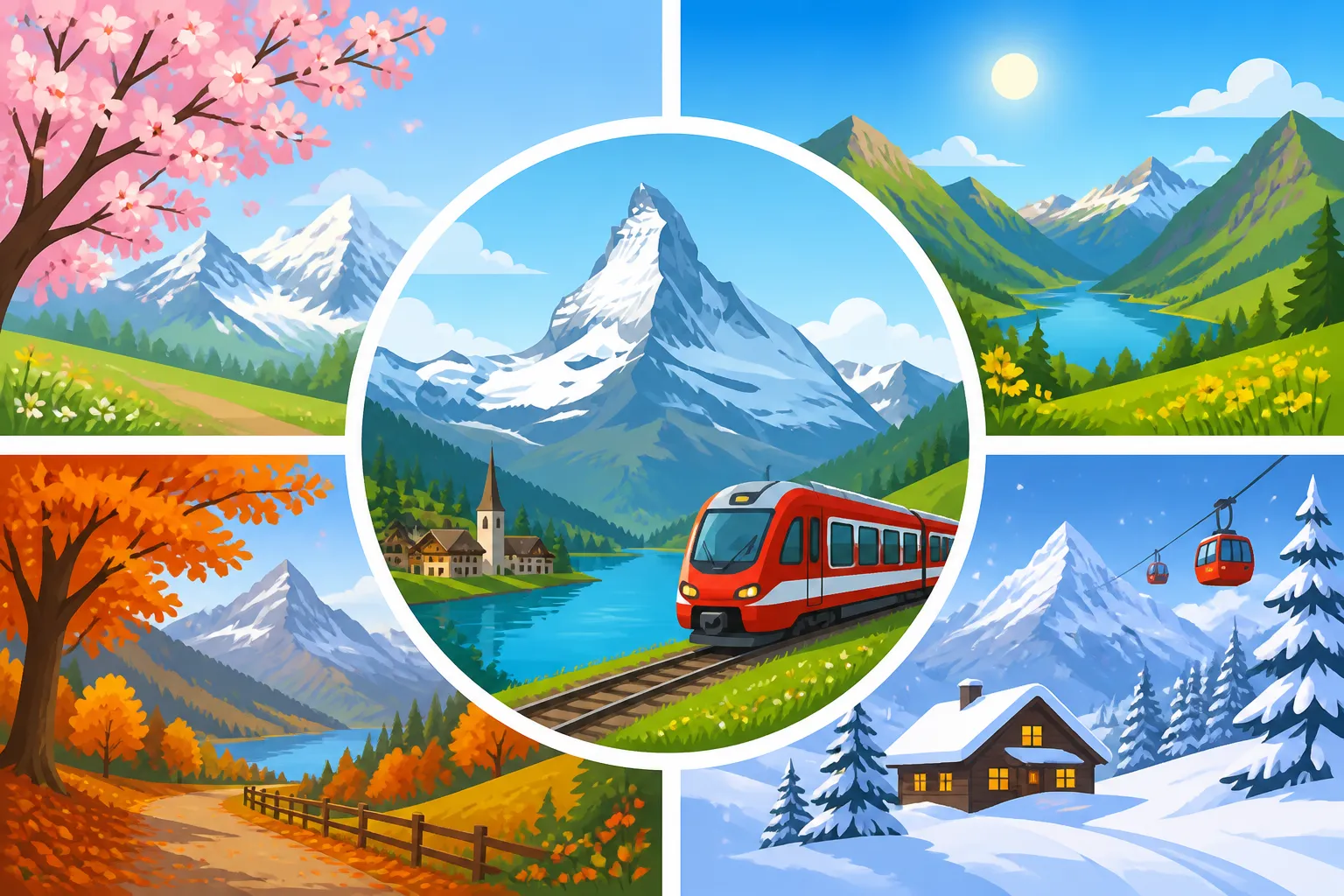
You’ve finally settled into life here in Switzerland, and the realization hits: this country is a kaleidoscope of experiences, each season offering its own unique charm. But that can be a bit overwhelming, right? Knowing when to dive into the sparkling lakes, when to hit the snowy slopes, or when to simply wander through medieval towns bathed in autumn gold can feel like a high-stakes decision. Don’t worry, you’re not alone in that feeling. This guide is going to break down the best times to travel within Switzerland, season by glorious season, helping you plan your adventures like a true local.
Embracing the Magic of Swiss Winter (December-March)
Oh, the Swiss winter! It’s the stuff of fairy tales and, for many, the quintessential image of Switzerland. Think snow-capped peaks, cozy chalets, and crisp, clean air. But it’s also a time of significant planning if you want to make the most of it without being swept up in the festive crowds or hitting your wallet too hard.
Alpine Sports and Winter Wonderland
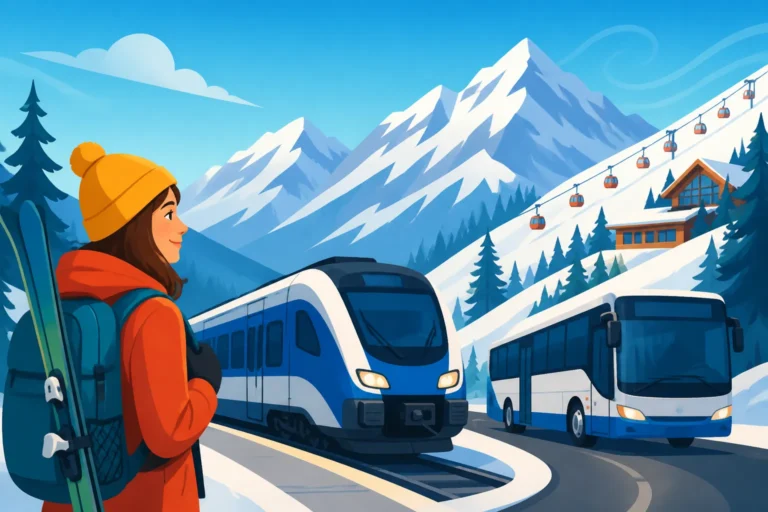
If you’re a fan of snow, then December through March is your playground. The ski resorts come alive, offering everything from gentle nursery slopes for beginners to challenging black runs for the seasoned pros. Places like Zermatt, with the iconic Matterhorn looming majestically, or the Jungfrau Region, encompassing Grindelwald and Wengen, are absolutely breathtaking. You’ll find excellent conditions for skiing, snowboarding, and even cross-country skiing. Beyond the downhill thrills, winter hiking and snowshoeing trails open up, offering a serene way to experience the quiet beauty of the snow-laden forests and mountains. Imagine strapping on some snowshoes and crunching through fresh powder, with nothing but the sound of your own breath and the distant jingle of cowbells (yes, even in winter!). And let’s not forget sledding, or Schlitteln – it’s a surprisingly exhilarating activity for all ages, with many resorts offering dedicated runs.
However, a word to the wise: this is peak season, especially around Christmas, New Year’s, and during the February school holidays. Expect higher prices for accommodation, lift passes, and even food. Resorts can get incredibly busy, meaning longer queues for cable cars and crowded slopes. If you’re planning a trip during these times, booking well in advance – we’re talking months, not weeks – is absolutely essential. For unique winter activities or guided tours, especially in popular spots, platforms like GetYourGuide can be really useful to snag tickets ahead of time and avoid disappointment. Also, for those venturing into the mountains for any activity, remember to consider a REGA Membership: Why Expats Need Air Rescue Insurance in the Alps, as accidents can happen, and mountain rescue isn't cheap.
Beyond the Slopes: Cities and Lower Elevations
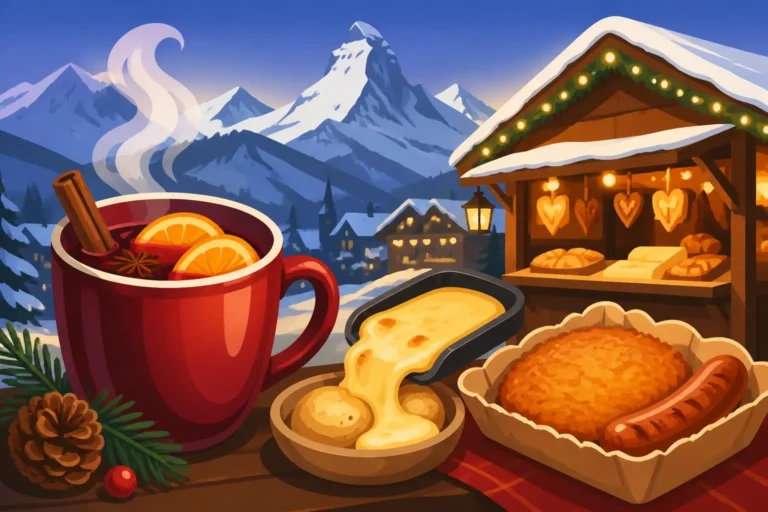
But winter isn't just about the Alps. Swiss cities transform into festive, enchanting places, particularly in December. Zurich, Geneva, and Basel host charming Christmas markets (Weihnachtsmärkte) where you can sip on warm Glühwein, munch on roasted chestnuts, and browse handmade crafts. The streets are adorned with sparkling lights, creating a magical atmosphere. Even if there isn't much snow in the lowlands, the festive spirit is palpable.
This is also a fantastic time to explore Switzerland’s cultural offerings. Museums and art galleries provide a warm refuge from the cold, and many cities have wonderful public ice-skating rinks that are a joy for families and couples alike. And what better way to relax after a day out in the chilly air than by indulging in a thermal bath? Places like Leukerbad in Valais or Tamina Therme in Bad Ragaz offer rejuvenating experiences. Cities are generally less crowded than the ski resorts, making it a good time to explore urban centers without the peak summer tourist rush. If you're looking for internal travel during these times, checking Switzerland by Train: The SBB Network, Scenic Routes, and Day Trips can give you an idea of scenic routes that are beautiful even when covered in snow.
The Rebirth of Spring and Early Summer (April-June)
Spring in Switzerland is a period of dramatic transformation, a beautiful but often unpredictable season. It’s a transition from the stark white of winter to the vibrant greens of summer, and it offers a unique blend of experiences that often come with fewer crowds and more attractive prices.
Melting Snow, Green Valleys, and Blooming Flowers
As April arrives, the lower valleys begin to shed their winter coats. The snow starts to melt, feeding roaring rivers and waterfalls, and the landscape gradually turns a brilliant green. This is when the hiking season truly begins in earnest at lower altitudes. The trails that were once impassable due to snow become accessible, revealing carpets of wildflowers. The Canton of Ticino, with its Mediterranean climate, often experiences spring earlier than the German and French-speaking parts of Switzerland. Here, you might find vibrant camellias and magnolias in bloom in April, while higher up, alpine flowers are still weeks away.
The Lavaux vineyards, a UNESCO World Heritage site, truly come alive in spring. The terraced hillsides overlooking Lake Geneva turn a dazzling emerald green, a stark contrast to the still-snow-dusted peaks in the distance. It’s an ideal time for gentle walks or cycling along the lake, enjoying the emerging warmth without the intensity of summer heat. You’ll find that as a shoulder season, April and May often present better deals on accommodation and flights compared to the bustling summer months. This can be a real win for your budget if you’re flexible with your timing.
Water Activities and City Life Awakens
By May and June, the lakes are calling. While perhaps still a bit chilly for a full dip for some, paddleboarding, kayaking, and leisurely boat trips become incredibly appealing. Lake Geneva (Lac Léman) and Lake Zurich begin to buzz with activity, and lakeside promenades fill with people enjoying the longer daylight hours. Outdoor cafés and restaurants start to extend their seating, bringing a lively atmosphere to cities.
Cultural events and local festivals also start to ramp up. Many towns will have their local Fête du Printemps or spring festivals, offering a glimpse into authentic Swiss traditions. The weather can be a bit of a mixed bag – you might experience glorious sunny days followed by cool, rainy spells, especially in April. Layered clothing is your best friend during this season. For those looking to explore different regions, consider using Omio to plan your train or bus routes, as public transport is excellent for getting around even in the shoulder seasons. Remember to keep an eye on the weather forecasts and be prepared for anything, especially if your plans involve higher elevations.
The Glorious Swiss Summer (July-August)
Ah, Swiss summer! This is when the country truly throws open its doors to the great outdoors. It’s a time of vibrant energy, endless adventure, and breathtaking natural beauty. If your vision of Switzerland involves soaring mountains, crystal-clear lakes, and sunshine, this is your sweet spot.
Peak Hiking, Swimming, and Mountain Adventures
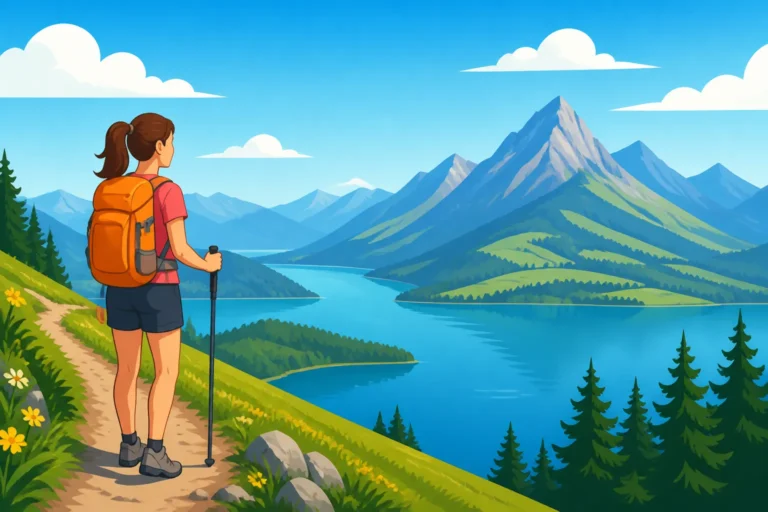
July and August are prime time for high-altitude hiking. The snow has largely receded from the upper trails, revealing a vast network of paths that crisscross the Alps. Whether you’re a seasoned mountaineer or a casual walker, you’ll find trails to suit every level. Imagine tackling a section of the famous Via Alpina, breathing in the fresh mountain air, and being rewarded with panoramic vistas that seem to stretch forever. The Alpine meadows are at their most vibrant, dotted with colorful flowers, and the air is filled with the sound of cowbells. For advice on getting started, refer to Swiss Hiking for Beginners: Trail Grades and the SAC System.
And then there are the lakes. Swiss lakes are incredibly inviting in summer, with temperatures often warm enough for swimming, paddleboarding, and various water sports. Lake Lucerne, Lake Thun, and Lake Brienz are just a few examples that offer stunning backdrops for a refreshing dip. Many towns have public Badis (lido or outdoor swimming areas) that are perfect for a day out. For the adventurous, summer also brings opportunities for paragliding over Interlaken, canyoning in the canyons, or white-water rafting on glacial rivers. However, this peak season means peak crowds and peak prices. Popular areas like Lauterbrunnen, Zermatt, and the Engadin Valley will be bustling with tourists. Booking accommodation, mountain railway tickets, and popular excursions well in advance is not just recommended, it’s practically mandatory to secure your spots. Booking.com is a reliable platform, but always check directly with hotels or local tourism offices for specific deals or availability.
Open-Air Festivals and City Vibrancy
Swiss summers aren't just about nature; the cities truly come alive with open-air events. From the world-renowned Montreux Jazz Festival on the shores of Lake Geneva to smaller local music festivals and outdoor cinema screenings, there’s a palpable buzz in the air. Zurich hosts its Street Parade, a massive techno music festival, in August, drawing hundreds of thousands. Geneva and Zurich also offer fantastic lakeside activities, from boat cruises to impromptu concerts and outdoor markets.
The long daylight hours mean more time for exploring, dining al fresco, and simply soaking up the lively atmosphere. Families with children will find a plethora of kid-friendly activities, from playgrounds in every village to adventure parks and easy mountain excursions. While the weather is generally warm and sunny, be prepared for occasional summer thunderstorms, especially in the mountains, which can roll in quickly and bring heavy rain or even hail. Always check the forecast before heading out for a full day. Consider planning some Family Travel in Switzerland: Kid-Friendly Destinations and Tips if you're bringing the little ones.
Golden Hues of Autumn (September-November)
Autumn in Switzerland is arguably one of the most underrated and utterly beautiful seasons. As the summer crowds dissipate and the scorching heat mellows, the country transforms into a canvas of reds, oranges, and golds, offering a more tranquil and often equally spectacular experience.
Spectacular Fall Foliage and Harvest Time
From late September through October, the forests and vineyards of Switzerland put on a truly magnificent show of fall foliage. The golden larch trees in the Engadine Valley, the vibrant reds of the maple trees in the Jura, and the kaleidoscopic vineyards along Lake Geneva are simply breathtaking. This is a fantastic time for hiking, as the temperatures are pleasantly cool for exertion but still warm enough to be comfortable. The trails are less crowded, allowing for a more peaceful connection with nature.
Autumn is also harvest season, especially in the wine-growing regions. You’ll find delightful wine festivals (Fêtes des Vendanges) in places like Lavaux and Valais, where you can sample local vintages and regional specialties. The Alpabzug, or cattle descent, is another unique Swiss tradition that takes place in early autumn. Farmers decorate their cows with elaborate floral arrangements and bells, leading them down from the high alpine pastures to the valleys for winter. It’s a joyful, colorful spectacle that’s steeped in tradition and offers a wonderful cultural insight. Checking a Swiss Festivals and Traditions: A Year-Round Cultural Calendar can help you pinpoint these unique events.
Quieter Charm and Cultural Delights
With fewer tourists, autumn offers a more relaxed pace for exploring Swiss cities and towns. The museums, galleries, and historical sites are more accessible, and you can enjoy the local café culture without feeling rushed. This is also a perfect time for culinary exploration. Heartier dishes, seasonal produce like pumpkins and mushrooms, and of course, the return of fondue and raclette, become staples.
By November, the weather starts to cool down considerably, and the first snowfalls might dust the highest peaks. It becomes a bit of a transition month, often misty and atmospheric, lending a mysterious charm to the lakes and valleys. It’s a great time for spa retreats, enjoying indoor activities, or simply cozying up in a traditional Swiss restaurant with a view. Prices for accommodation and travel also tend to be lower than in peak summer or winter. If you're looking for last-minute excursions or activities, GetYourGuide might offer some great deals during this shoulder season, allowing you to experience the country's beauty without breaking the bank. Don't forget that if you're planning to travel by public transport, taking advantage of Saver Day Pass (Spartageskarte): How Residents Save on Day Trips can be quite economical.
Seasonal Travel Comparison Table
To help you visualize the best options, here’s a quick overview:
| Season | Best Activities | Crowds | Costs | Weather | Best For |
|---|---|---|---|---|---|
| Winter | Skiing, snowboarding, snowshoeing, Christmas markets, thermal baths | High (esp. holidays) | High | Cold, snowy in mountains, potentially foggy in lowlands | Snow lovers, festive cheer, cozy retreats |
| Spring | Lower-altitude hiking, lake walks, city exploration, wildflowers, vineyard tours | Moderate (shoulder season) | Moderate (better deals) | Mild, unpredictable (rainy days common) | Nature awakening, budget-conscious travelers, quiet exploration |
| Summer | High-altitude hiking, lake swimming, outdoor festivals, mountain sports | High (peak season) | High | Warm, sunny (occasional thunderstorms) | Active travelers, families, lake enthusiasts, vibrant city life |
| Autumn | Fall foliage viewing, vineyard tours, hiking, cultural festivals (Alpabzug, wine) | Moderate (fewer than summer/winter) | Moderate (good value) | Cool, crisp, sunny (can get colder in Nov) | Scenery, foodies, peaceful hikers, cultural insights |
Nailing Your Timing: Practical Considerations
Deciding when to travel within Switzerland isn't just about the scenery; it's also about practicalities that can significantly impact your experience and your budget.
Understanding Peak Seasons and Budgeting
Switzerland is notoriously expensive, and this is amplified during peak travel times. The periods around Christmas, New Year's, and the February ski holidays are when demand for mountain accommodation and services skyrockets. Similarly, July and August, when many Europeans are on their summer holidays, see hotels and mountain transport at their highest prices. If your budget is a concern, consider travelling during the shoulder seasons (late April to early June, or mid-September to early November). You'll find that flights, hotels, and sometimes even mountain passes are significantly cheaper.
For instance, taking advantage of a Budget Travel in Switzerland: Seeing the Country Without Overspending strategy often involves choosing these shoulder months. You might even find better deals on car rentals if you're considering Driving in Switzerland: Licenses, Buying Cars, and Strict Traffic Laws, though public transport here is so efficient that a car is rarely a necessity. Always compare prices across different booking platforms and consider looking at accommodations slightly outside the most popular tourist hotspots for better value.
Weather Variability and Essential Packing
One thing you'll quickly learn about Swiss weather, especially in the mountains, is how quickly it can change. A glorious sunny morning can turn into a chilly, rainy afternoon with surprising speed, even in summer. This means packing in layers is absolutely crucial, regardless of the season. Always bring waterproof and windproof outerwear, even if the forecast looks clear. Sturdy, comfortable walking shoes are a must, whether you’re planning extensive hikes or just exploring charming cobblestone streets.
In winter, proper thermal layers, a good quality waterproof jacket and trousers, gloves, a hat, and insulated boots are non-negotiable, especially if you plan on spending time outdoors. For spring and autumn, lightweight layers that can be added or removed are ideal. Sun protection – sunscreen, sunglasses, and a hat – is important year-round, as the sun's intensity at higher altitudes can be surprisingly strong, even in winter.
Booking in Advance and Using Resources
Regardless of the season, for popular destinations and specific activities, booking in advance is a golden rule in Switzerland. This applies not only to accommodation but also to popular train journeys, scenic routes, and certain mountain excursions. For example, if you plan to visit the Jungfraujoch during summer or ski in Zermatt during winter, secure your tickets and lodging months ahead.
For hassle-free travel planning, make use of available online resources. Websites like SBB (Swiss Federal Railways) are essential for public transport schedules and tickets. For booking a variety of tours and activities, particularly if you want something structured, GetYourGuide can be very helpful. For general accommodation needs, Booking.com is a popular choice, but don't hesitate to check local tourism websites as they sometimes offer exclusive deals or smaller, family-run guesthouses not listed elsewhere. If you're comparing different modes of transport, especially for cross-border journeys or complex itineraries, Omio is a great platform to see all your options. Don't forget to look into Mountain Railways and Cable Cars: Reaching Switzerland's Peaks and book those specific tickets as well, as they often have limited capacity and specific departure times.
Ultimately, the "best" time to travel within Switzerland depends entirely on what kind of experience you're seeking. Each season has its own personality, its own challenges, and its own incomparable beauty. By understanding these nuances, you can tailor your Swiss adventure to be exactly what you dream of.
Disclaimer
Please note that while this guide provides comprehensive information based on common experiences and current knowledge, travel regulations, pricing, and availability can change. It is always recommended to check the latest official sources, weather forecasts, and booking platforms before making any travel arrangements. This content is for informational purposes only and does not constitute professional advice.