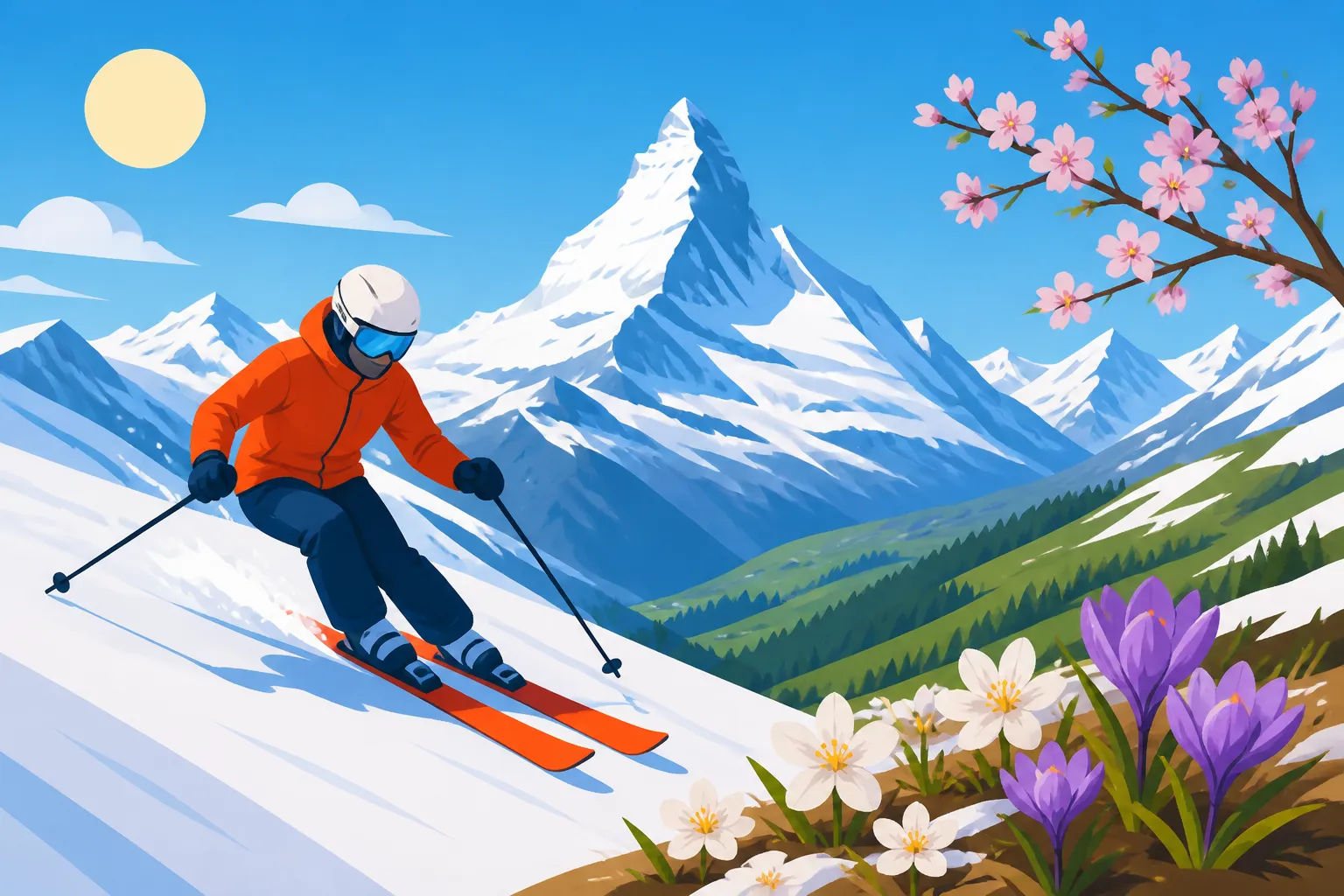
Spring Skiing in Switzerland: Late-Season Resorts
So, you’ve arrived in Switzerland, you've embraced the magical winter wonderland, perhaps even hit the slopes a few times, and now spring is starting to whisper in the valleys. You might be thinking, "Well, that's it for skiing until next year," or maybe you're picturing nothing but slushy, worn-out pistes. But let me tell you, as an expat who’s lived through many Swiss winters and springs, you'd be missing out big time if you hung up your skis too early! Spring skiing in Switzerland isn't just a consolation prize; it’s a uniquely brilliant experience, offering longer days, warmer temperatures, and often some of the most enjoyable snow conditions. This guide will walk you through everything you need to know to extend your ski season, hitting the best late-season resorts for an unforgettable spring adventure.
The Magic of Spring Skiing in Switzerland
There's a common misconception that skiing is purely a winter sport, best enjoyed in the bitter cold of January or February. While those crisp, fresh powder days are undeniably fantastic, spring skiing offers a completely different, yet equally captivating, charm. It’s a time when the mountains truly come alive, blending the thrill of the slopes with the undeniable joy of warmer weather.
Why Spring Skiing is Different and Often Better
Imagine this: waking up to a sun-drenched balcony, no need for multiple layers just to step outside, and heading up the mountain with the promise of soft, forgiving snow. That’s the spring skiing dream. The days are significantly longer, meaning more time to carve turns and fewer frantic rushes to beat the last lift. The sun is higher, more intense, and absolutely glorious, making picnics on the slopes and relaxed sunbathing between runs a true pleasure.
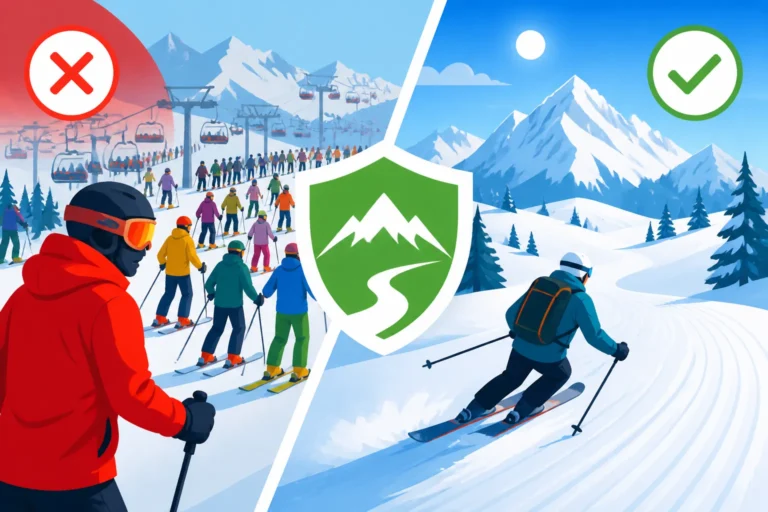
For many, the relaxed atmosphere is a huge draw. The peak season crowds have thinned out, especially on weekdays, leaving more space on the pistes and shorter queues at the lifts. The general vibe is more laid-back; people are smiling, soaking up the vitamin D, and often enjoying an early après-ski in t-shirts on sunny terraces. If you're someone who might feel a bit intimidated by icy, fast-paced winter slopes, the softer spring snow can be incredibly forgiving and enjoyable, making it perfect for intermediate skiers looking to build confidence. Plus, let's be honest, getting dressed for skiing without freezing your fingers off is a win in itself!
The Best Conditions for Spring Snow
The secret to amazing spring skiing lies in what’s known as "firn" snow – a natural phenomenon resulting from the daily freeze-thaw cycle at altitude. Overnight, temperatures drop, causing the top layer of snow to freeze solid. Then, as the sun rises and warms the mountain, this frozen layer begins to soften, transforming into a glorious, corn-like texture that’s smooth, fast, and incredibly fun to ski.
The trick is timing. You want to hit the slopes when the snow has softened just enough but hasn't yet turned into heavy, wet slush. This usually means starting your day early, hitting the north-facing slopes first (as they warm up slower) and then following the sun as it progresses across the mountain to the east, south, and west-facing runs. By early to mid-afternoon, depending on the altitude and sun exposure, the snow can become quite heavy and challenging, often called "mash potato" snow. Experienced spring skiers know exactly when to call it a day, usually around 1 PM or 2 PM, and swap their skis for a sun lounger. This pattern makes for a perfect half-day of exhilarating skiing followed by relaxed sun worship or other activities.
Top Swiss Resorts for Late-Season Skiing
When it comes to extending your ski season well into April, and sometimes even May or June, Switzerland boasts several high-altitude and glacier-fed resorts that are absolute lifesavers for ski enthusiasts. These are the places where the snow hangs around, often in surprisingly good condition, long after the lower valleys have shed their white blankets.
High-Altitude Havens
For reliable late-season snow, you need altitude, and Switzerland certainly delivers. These resorts are often located above 2,500 meters, ensuring colder temperatures and consistent snow cover.
One of the undisputed kings of late-season skiing is Zermatt. Dominated by the iconic Matterhorn, Zermatt offers the highest ski area in Switzerland – the Matterhorn Glacier Paradise: Year-Round Skiing. With lifts reaching an astonishing 3,883 meters, you can literally ski almost year-round here. In spring, while the village below may be blooming with crocuses, you'll still find fantastic conditions on the Theodul Glacier and the surrounding high pistes. The sheer scale of the resort means there are always diverse runs, from challenging reds to wide, cruisy blues, and with such high elevation, the firn snow quality can be exceptional. You can grab your train tickets on Omio for a convenient journey to this car-free village. Zermatt also excels at providing stunning sun terraces, perfect for that mid-day break.
Another jewel is Saas-Fee, often called "The Pearl of the Alps." This car-free village, nestled amongst 13 peaks over 4,000 meters, boasts glacier skiing high above the town. Its highest point, the Allalin Glacier, means you can comfortably ski well into April and even early May. The Felskinn and Mittelallalin areas offer expansive glacier runs that are perfect for catching those prime spring turns. The resort's sheltered location often means less wind, adding to the comfort of spring skiing. Saas-Fee has a wonderfully relaxed vibe, and its sunny slopes are a treat after a long winter.
Then there's Verbier, part of the vast 4 Vallées ski area. While not exclusively glacier-based, Verbier’s sheer size and high peaks, especially around Mont Fort (reaching 3,330 meters), mean it holds snow incredibly well into the spring. The off-piste opportunities are legendary here, and in spring, with stable snow conditions, it can be a fantastic time for guided freeride adventures (just remember to check with local guides and conditions – perhaps find some options on GetYourGuide). The resort tends to close later than many others, usually the last weekend of April, offering challenging terrain and breathtaking views.
Glacier Resorts and Snow-Sure Spots
Beyond just high-altitude, actual glacier skiing offers the ultimate guarantee of late-season snow. These resorts maintain skiing operations long into the spring and even summer, thanks to their icy foundations.
Engelberg-Titlis is a fantastic option, easily accessible and renowned for its iconic Titlis Glacier. The "Ice Flyer" chairlift takes you right over crevasses, and the runs around the glacier remain open late into the season. The highest point reaches 3,020 meters. What makes Engelberg special is its unique microclimate, often receiving abundant snowfall throughout the winter, which helps it preserve its snowpack even as spring progresses. The range of pistes from challenging black runs down to the valley (if conditions allow) to the wide-open glacier slopes caters to various skill levels. Make sure to check Mount Titlis: Year-Round Snow and the Rotating Cable Car for more on this incredible destination.
Crans Montana also offers excellent late-season possibilities, particularly around its Plaine Morte Glacier. This high-altitude plateau, reaching 2,927 meters, guarantees snow and offers panoramic views. The runs here are generally wide and gentle, making it a dream for cruising and enjoying the spring sunshine without too much exertion. While the lower slopes of Crans Montana might start to melt earlier, the glacier provides a reliable playground.
Finally, while not a glacier in the same way, Davos Klosters often maintains excellent spring skiing, particularly on its Parsenn and Jakobshorn areas. Parsenn, with its high-altitude sections, holds snow remarkably well and offers long, satisfying descents. Jakobshorn, on the other hand, is known for its extensive network of sunny pistes and a lively atmosphere, making it a prime spot for enjoying the warmer spring days with a vibrant après-ski scene. When considering your stay, I often check Booking.com for options that have ski-in/ski-out access or are close to the main lifts to maximize your time on the slopes.
Essential Tips for a Fantastic Spring Skiing Experience
Spring skiing is amazing, but it does require a slightly different approach than your typical winter shred. Neglect these tips, and you might find yourself sunburnt, dehydrated, and cursing the slush. Embrace them, and you’re in for some of the most memorable days on the mountain.
Gear and Clothing Considerations
Forget the heavy-duty expedition parka! Spring skiing calls for smart layering. The temperatures can fluctuate dramatically throughout the day. You’ll likely start with cooler, crisp mornings and end with surprisingly warm afternoons.
- Layers are Key: Think breathable base layers, a light fleece or mid-layer, and a waterproof, windproof shell jacket. Many seasoned spring skiers opt for a lighter softshell jacket or even just a technical vest over a long-sleeve base layer if the sun is really blasting.
- Sun Protection is Non-Negotiable: This is probably the most crucial piece of advice. At altitude, the sun's rays are much stronger, and they reflect off the snow, essentially hitting you twice. You need high SPF sunscreen (SPF 30-50 minimum, and reapply frequently!), a good pair of UV-protective sunglasses or goggles, and a wide-brimmed hat or neck gaiter that can cover exposed skin when you're not actively skiing. Trust me, I’ve seen more than one expat friend sport a painful goggle tan line that lasted for weeks! Don't forget lip balm with SPF too.
- Waterproof Everything: While the snow might be soft, it's also wetter. Make sure your ski jacket, pants, and especially your gloves are genuinely waterproof. Soggy gloves on a chairlift are no fun.
- Ventilation: Look for gear with good ventilation zips (pit zips, inner thigh vents) so you can quickly regulate your temperature as the day warms up.
For more details on what to wear, definitely check out What to Wear Skiing in Switzerland: Layering for the Alps.
Planning Your Day: Timing is Everything
Unlike winter, where you can often ski from first lift to last, spring skiing demands a more tactical approach to get the best out of the snow.
- Start Early: Aim to be on the first or second lift up. The snow will be firmer and faster early in the morning after the overnight freeze. This is often when you'll find those pristine, corduroy runs that have re-frozen beautifully.
- Follow the Sun (and the Snow): As the sun warms the slopes, the snow will soften. Experienced spring skiers "follow the sun" – starting on north-facing slopes which soften later, then moving to east, south, and west-facing runs as they become perfect. This requires a bit of local knowledge or asking around at the resort.
- Know When to Quit: The magic window for perfect spring snow is often quite short – usually from around 9:30 AM to 1:30 PM. After this, especially on south-facing slopes, the snow can become heavy, slushy, and tiring. Don't push it. It's much better to enjoy a fantastic half-day of skiing and then transition to other activities than to struggle through heavy slush and risk injury.
- Embrace the Long Lunch/Après-Ski: This is the perfect time for a leisurely lunch on a sunny mountain terrace, soaking in the views, or heading down for a relaxed après-ski drink. Many mountain restaurants have fantastic sun loungers where you can kick back and enjoy the warmth.
Remember to always check the latest Snow Conditions and Webcams: Checking Before You Go before you head out, as conditions can change rapidly in spring.
Hydration and Sun Protection
I can't stress this enough: you need to stay hydrated and protect your skin and eyes.
- Drink Water, Water, Water: The combination of higher altitude, physical exertion, and intense sun means you'll dehydrate faster than you think. Carry a water bottle with you or make frequent stops for drinks. Alcohol will dehydrate you even faster, so enjoy that après-ski beer responsibly and chase it with plenty of H2O.
- Reapply Sunscreen: Even if your sunscreen claims to be "all-day," reapply it, especially after sweating or eating. Those high-altitude rays are no joke, and a bad sunburn can ruin the rest of your trip.
- Eye Protection: Beyond just preventing snow blindness, prolonged exposure to UV rays at altitude can damage your eyes. Always wear sunglasses or goggles that offer 100% UV protection.
Beyond the Slopes: Spring Activities in Ski Resorts
One of the greatest perks of spring in the Swiss Alps is the incredible transition from winter to summer activities. While the upper reaches are still blanketed in skiable snow, the lower altitudes start to bloom, opening up a world of possibilities for multi-sport days or a change of pace once your ski legs are tired.
Combining Skiing with Hiking or Biking
Spring is the season of contrasts in Switzerland, and many mountain resorts offer the unique opportunity to combine skiing with other fantastic outdoor activities. Imagine starting your morning carving perfect turns on a high-altitude glacier, then, by early afternoon, descending to the valley where hiking trails are opening up, or mountain biking paths are becoming accessible.
- Alpine Hiking: As the snow recedes from mid-mountains, many scenic hiking trails become clear. You can often take a gondola or cable car halfway down the mountain from the ski area and then embark on a picturesque walk amidst budding wildflowers and lush green pastures, often with stunning views back up at the snow-capped peaks you just skied. This is where the magic of The Swiss Alps for Expats: Hiking, Skiing, and Mountain Access truly shines.
- Mountain Biking: Some resorts, especially those with extensive lower mountain trail networks, start opening their biking trails in spring. You could potentially ski for a few hours in the morning and then rent a mountain bike for an exhilarating descent or a leisurely ride through the valleys in the afternoon. Always check local conditions and trail status before planning.
This "two-sport" approach gives you a fantastic way to experience the best of both worlds and make the most of the longer spring days.
Sun Terraces and Après-Ski Culture
The relaxed vibe of spring skiing extends directly into the après-ski scene. Forget the crowded, steamy bars of peak winter; spring après-ski is all about soaking up the sun and enjoying the warmth.
- Panoramic Sun Terraces: Most mountain restaurants and many hotels boast incredible outdoor terraces. In spring, these become prime real estate. Picture yourself lounging in a deck chair, a cool drink in hand, taking in breathtaking panoramic views of snow-covered peaks while enjoying the glorious sunshine. It's the perfect way to unwind after a morning on the slopes, chat with friends, and simply bask in the moment.
- Relaxed Socializing: The atmosphere is generally more subdued and sophisticated than the wilder après-ski scenes of some winter destinations. It’s more about good conversation, delicious food, and enjoying the company in a stunning natural setting. You'll find families enjoying ice cream, couples sipping Aperol Spritz, and groups recounting their best runs of the day.
This relaxed, sun-drenched atmosphere is truly one of the defining features of spring skiing in Switzerland. It's a wonderful way to connect with the mountain environment without the rush and intensity of winter's peak.
Comparing Late-Season Ski Resorts in Switzerland
To help you decide where to chase those final turns, here’s a quick overview of some of the best late-season resorts. Remember, "typical closing date" can vary based on snow conditions and Easter holidays, so always check resort websites for the most up-to-date information.
| Resort | Highest Lift (m) | Typical Closing Date | Glacier Access | Vibe |
|---|---|---|---|---|
| Zermatt | 3,883 | Year-Round | Yes | High-end, iconic, extensive, car-free |
| Saas-Fee | 3,500 | Late April / Early May | Yes | Car-free, family-friendly, authentic |
| Engelberg-Titlis | 3,020 | Late April / Early May | Yes | Accessible, varied terrain, lively |
| Verbier | 3,330 | End of April | No (high peaks) | Freeride hub, vibrant, international |
| Crans Montana | 2,927 | Mid-April / Late April | Yes | Sunny, relaxed, resort town, luxury |
| Davos Klosters | 2,844 | Mid-April | No (high peaks) | Diverse, classic, good for long cruises |
Remember to factor in travel time. You can easily check train connections and prices using services like Omio to plan your journey. For accommodation, I always compare prices and availability on Booking.com to find the best deals for my budget, especially as some resorts offer special late-season packages. And if you’re looking for other activities or perhaps even guided tours on the mountain, GetYourGuide can be a useful resource.
Whether you're after challenging glacier runs, sun-drenched terraces, or the chance to combine skiing with spring hiking, Switzerland's late-season resorts truly offer something special. Don't let winter fade away without one last glorious hurrah on the slopes!
Disclaimer
The information provided in this guide is for general informational purposes only and does not constitute professional advice. While we strive to keep the information up-to-date and correct, we make no representations or warranties of any kind, express or implied, about the completeness, accuracy, reliability, suitability, or availability with respect to the website or the information, products, services, or related graphics contained in this guide for any purpose. Always check the official websites of ski resorts, local tourism boards, and transport providers for the most current conditions, opening times, and safety regulations. Skiing and mountain activities carry inherent risks, and participants should exercise caution, be appropriately equipped, and ensure they have adequate insurance coverage.