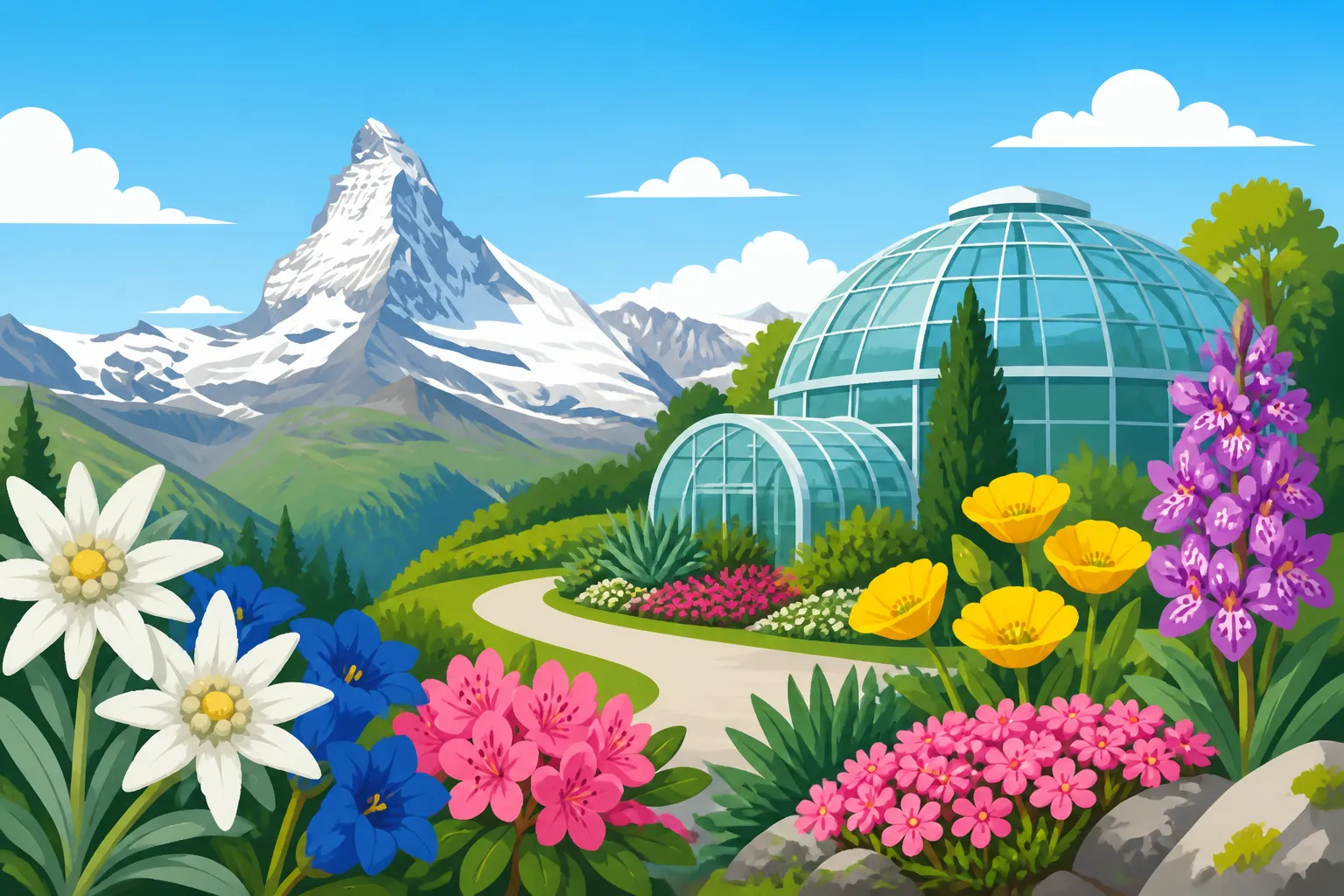
Botanical and Alpine Gardens Worth Visiting in Switzerland
Let's be honest, living in Switzerland is magnificent. You're surrounded by staggering beauty at every turn, from the majestic Alps to serene lakes. But sometimes, you want a different kind of natural escape, a more curated, tranquil experience than battling the crowds on a popular peak or a busy city park. If you're looking to slow down, breathe deeply, and immerse yourself in the incredible diversity of plant life this country offers, then you've come to the right place. This guide is your personal tour through Switzerland's most enchanting botanical and alpine gardens, designed to help you discover these hidden (and not-so-hidden) gems.
The Unique Allure of Swiss Botanical and Alpine Gardens
Switzerland is a country of extreme geographical contrasts, and nowhere is this more beautifully demonstrated than in its botanical and alpine gardens. These aren't just pretty parks; they're living laboratories, conservation sanctuaries, and tranquil havens, each telling a unique story of adaptation, biodiversity, and human dedication. For us expats, they offer a chance to connect with the natural world here on a deeper level, to understand the intricate ecosystems that thrive from the valley floors to the highest mountain passes.
The beauty of these gardens lies in their specific focus. Alpine gardens, as the name suggests, specialize in showcasing the flora that flourishes in harsh mountain environments. Think tiny, resilient wildflowers that cling to rocky slopes, defying the elements, or delicate mosses and lichens that paint vibrant tapestries. These plants have evolved incredible strategies to survive short growing seasons, intense UV radiation, and freezing temperatures. Walking through an alpine garden is like taking a concentrated hike through the high Alps without the strenuous climb – you get to appreciate the intricate beauty up close. Meanwhile, the general botanical gardens, often found in larger cities or lower altitudes, boast a wider array of plants from around the globe, often with dedicated sections for specific climates, medicinal herbs, or historical species. They serve as vital centers for research, education, and the preservation of rare and endangered plants. It’s a wonderful way to spend an afternoon, learning something new in a peaceful setting.
One of the greatest joys of exploring these gardens is witnessing the sheer resilience and diversity of life. You'll find plants with leaves like velvet, flowers that glow with impossible intensity, and ancient trees that have stood sentinel for centuries. Many gardens also play a crucial role in international conservation efforts, participating in seed exchange programs and working to protect species threatened by climate change or habitat loss. It’s truly fascinating to see how much care and scientific expertise goes into maintaining these living collections.
Exploring Switzerland's Premier Alpine Sanctuaries
If you're eager to see the tough beauties of the high mountains without needing crampons, Switzerland's alpine gardens are an absolute must. These special places are usually located at higher elevations, mimicking the natural habitat of their residents, and offer breathtaking views alongside their floral treasures.
One of the most renowned is the Alpine Garden Schynige Platte near Interlaken. Oh, the views from up here! Getting there is an adventure in itself, typically involving a charming cogwheel railway ride, which is half the fun. Once you arrive, you’re greeted by a stunning panorama of the Eiger, Mönch, and Jungfrau peaks. The garden itself hosts over 600 species of alpine plants from Switzerland and other mountain regions around the world. It’s managed by the University of Bern, so you know the science behind it is solid. They even have little signs in multiple languages explaining the plants, which is incredibly helpful for us non-botanists! If you're planning a trip to this region, consider linking it with other activities in the Jungfrau region, and definitely check Weather Apps and Webcams for Planning Swiss Mountain Trips before heading up – mountain weather can change in a flash!
Another fantastic spot is the Botanical Alpine Garden Flore-Alpe in Champex-Lac, Valais. This one feels a bit more secluded and intimate, tucked away in the Valais Alps. It's home to nearly 4,000 species of alpine plants, including many rare and protected varieties. The setting is just magical, right by the serene Champex Lake, surrounded by pine forests. It's a fantastic place to wander slowly, breathe in the crisp mountain air, and just be present. You can easily spend a couple of hours here, identifying different species and marveling at their adaptability. Getting to Champex-Lac can involve a combination of train and bus, but the journey itself is part of the charm of exploring the Valais region. If you’re looking to make a day trip out of it, Switzerland by Train: The SBB Network, Scenic Routes, and Day Trips offers great insights into planning your journey with the SBB.
Then there’s the Botanical Garden of the Col du Lautaret – though technically just over the border in France, it’s a popular day trip for many in western Switzerland, especially those in the Geneva and Valais cantons. It’s one of the highest botanical gardens in Europe, sitting at 2,100 meters above sea level. The collection focuses on alpine and Arctic plants. The drive up (or bus journey) is spectacular, and the garden itself is a testament to the hardiness of mountain flora. It's a bit of a trek, but absolutely worth it if you’re keen on seeing a truly unique collection. Remember, when planning such cross-border adventures, tools like Omio can be incredibly useful for comparing train and bus options to get you there efficiently.
These alpine retreats are often less crowded than the main tourist attractions, providing a peaceful escape. They are also excellent places to take children, as the smaller scale and labeled plants make for an engaging and educational experience. Pack a picnic from your local Coop or Migros – you can find lovely spots for Picnicking in Switzerland: Where to Buy Supplies and Sit near many of these gardens.
Botanical Diversity: Gardens in Lower Altitudes and Urban Settings
While the alpine gardens are about rugged mountain beauty, Switzerland's botanical gardens at lower altitudes, often nestled within cities, offer a vastly different and equally captivating experience. These are places where you can encounter flora from various continents, often arranged by climate zone or botanical family, providing a fantastic educational journey for all ages.
Take, for instance, the Botanischer Garten Zürich. Located close to the city center, it's easily accessible and offers a superb collection of plants, including a wonderful array of tropical and subtropical species housed in impressive domed greenhouses. On a grey, rainy Zurich day, stepping into these warm, humid domes is like being transported to a faraway jungle – a much-needed escape from the Swiss winter! The outdoor areas feature everything from an arboretum to systematic beds and even a lovely pond. It's a great spot for a stroll, a quiet read, or simply observing the diverse plant life. If you’re based in Zurich, this garden makes for an easy Day Trips from Zurich: Rhine Falls, Rapperswil, and Lucerne (or rather, a city escape) via public transport. Information on how to use the local network can be found in a guide like Public Transport in Zurich: ZVV Zones, Tickets, and Night Service.
In the French-speaking part of Switzerland, the Jardin Botanique de Genève (Conservatoire et Jardin botaniques de la Ville de Genève) is an absolute treasure. This expansive garden is a true institution, combining a botanical garden, a conservatory, and even a small animal park (don't worry, it's tastefully done and not overwhelming). Its collection is immense, featuring over 12,000 species. They have fantastic thematic gardens, including a rose garden, a rock garden, and a collection of medicinal plants. The herbarium, with over 6 million specimens, is one of the largest in the world. It’s a wonderful place to spend an entire afternoon, perhaps combined with exploring other parts of Geneva. For those arriving from further afield, Day Trips from Geneva: Montreux, Gruyères, and the Lavaux Vineyards can offer ideas for nearby excursions, and for accommodation, you might consult Booking.com if you decide to stay overnight.
Another fantastic urban oasis is the Botanischer Garten Bern. While smaller than Zurich or Geneva’s, it’s charmingly laid out on a slope leading down to the Aare River, offering beautiful views. It has several greenhouses dedicated to tropical, sub-tropical, and succulent plants, as well as outdoor areas with regional flora and an alpine garden section. It's a serene spot for a break from sightseeing in the capital, easily reachable on foot from the city center.
These city botanical gardens are often free to enter, making them a budget-friendly option for a day out. They’re also typically well-equipped with amenities like cafes or restrooms, perfect for families or those needing a bit more comfort than an untamed mountain trail provides. They often host events, workshops, and exhibitions too, so it's always worth checking their websites before you go!
Planning Your Visit: Practical Tips for a Garden Getaway
Visiting Switzerland’s botanical and alpine gardens is usually a very rewarding experience, but a little planning can make it even better. As always, embracing the Swiss way of efficiency helps!
Best Time to Visit
Timing is everything, especially for alpine gardens. The best time to see most alpine flowers in full bloom is typically from late June to early August. This is when the snow has largely melted, and the plants burst into life to make the most of the short summer season. However, urban botanical gardens are lovely year-round. Greenhouses provide warmth and exotic blooms even in winter, while spring brings vibrant colors and autumn offers stunning foliage. If you visit outside of peak bloom, you'll still enjoy the tranquility and unique landscapes. Always check the specific garden’s website for their peak bloom times or any special events.
Transportation and Accessibility
Swiss public transport is, as we all know, a marvel. Most gardens, whether urban or alpine, are well-connected. For those in cities like Zurich or Geneva, a short tram or bus ride will get you there. For alpine gardens, a scenic train ride, often followed by a PostBus or cable car, is part of the adventure. Services like Mountain Railways and Cable Cars: Reaching Switzerland's Peaks are often part of the route. I highly recommend purchasing a The Half-Fare Travelcard (Halbtax): The Must-Have Pass for Swiss Residents if you don't already have one, as it cuts travel costs significantly. For longer trips, consider if a SBB Travelcards: Is the Generalabonnement (GA) Worth the CHF 4000+ Cost? might be beneficial, especially if you plan many excursions.
Some alpine gardens may have limited accessibility due to their terrain. If you or someone in your party has mobility challenges, check the garden's website or call ahead. Many urban botanical gardens, however, often have paved paths and are Accessible Nature Trails for Wheelchairs and Prams in Switzerland. Don't forget, you can use Omio to plan and book your entire public transport journey to most of these locations, streamlining your travel logistics.
Entry Fees and Opening Hours
While many city botanical gardens are free, alpine gardens and certain specialized gardens may have an entrance fee. These fees usually go towards maintaining the collection and supporting conservation efforts, so it's money well spent. Always check the official website for current opening hours, as these can vary seasonally, especially for mountain gardens which might close entirely during winter. Some gardens offer discounts for students, seniors, or families, so have your relevant ID ready.
What to Bring
Comfortable walking shoes are a must, regardless of the garden type. For alpine gardens, layers of clothing are essential, as mountain weather can be unpredictable, even in summer. A small backpack with water, snacks, sunscreen, a hat, and a camera will serve you well. Binoculars can enhance your experience in alpine settings, allowing you to spot distant peaks or even wildlife. If you're hoping to take home a living souvenir, check their gift shop. Most gardens have strict rules against picking plants.
Guided Tours and Learning Opportunities
Many gardens offer guided tours, often included in the entrance fee or available for a small extra charge. These tours can provide incredible insights into the plants, their habitats, and the garden's history and mission. It's a fantastic way to learn more than you would just by reading the labels. For some of the more popular gardens, you might even find experiences offered through platforms like GetYourGuide, which can sometimes include transportation or combined tickets. Additionally, keep an eye out for workshops on topics like herbal medicine, horticulture, or ecological conservation. These are great ways to deepen your connection with the natural world and meet fellow plant enthusiasts.
| Garden Name | Location | Type | Key Highlights | Estimated Entry Fee (CHF) |
|---|---|---|---|---|
| Alpine Garden Schynige Platte | Brienz, Berner Oberland | Alpine | 600+ species, stunning Eiger/Mönch/Jungfrau views, cogwheel railway access | 8 – 10 (plus railway) |
| Botanischer Garten Zürich | Zurich | Urban Botanical | Impressive tropical greenhouses, arboretum, systematic beds | Free |
| Jardin Botanique de Genève | Geneva | Urban Botanical | Vast collection, thematic gardens, herbarium, small animal park | Free |
| Botanical Alpine Garden Flore-Alpe | Champex-Lac, Valais | Alpine | 4000+ species, tranquil lake setting, rare alpine flora | 5 – 10 |
| Botanischer Garten Bern | Bern | Urban Botanical | Aare river views, tropical/succulent greenhouses, regional flora | Free |
Note: Entry fees are approximate and subject to change. Always verify current prices and opening hours on the official garden websites.
Exploring Switzerland's botanical and alpine gardens is a truly unique experience that offers a different perspective on this stunning country. Whether you're a seasoned botanist or just looking for a peaceful escape into nature, these living museums of plant life are sure to inspire and delight.
Disclaimer
Please note that the information provided in this guide is for general informational purposes only and may not be entirely exhaustive or up-to-date. While we strive to provide accurate and current details, opening hours, prices, and regulations for botanical and alpine gardens in Switzerland can change without prior notice. We strongly recommend checking the official websites of individual gardens, as well as public transport providers, for the most current information before planning your visit.