Camping in Switzerland: Best Sites and Wild Camping Rules
Let's be honest, living in Switzerland is absolutely incredible, but it certainly isn't cheap. Many of us expats arrive here, fall head over heels for the stunning landscapes, and then gasp a little (or a lot!) when we see the price tag on hotels or even just a casual meal out. If you've been longing to truly explore this country's breathtaking lakes and majestic mountains without completely blowing your budget, then it's time to talk about camping. This guide is going to walk you through everything you need to know about embracing the Swiss outdoors, from finding the best official campsites to understanding the often-misunderstood rules of wild camping, so you can enjoy Switzerland's natural beauty without the crippling cost.
Why Embrace Camping Life in Switzerland as an Expat?
When you first think of Switzerland, you probably picture pristine chalets, luxury watches, and perfectly manicured towns. While that's certainly a part of it, the real soul of Switzerland, for many of us who live here, lies in its unparalleled natural beauty. And the best way to truly connect with that, honestly, is to sleep right in the middle of it. Camping isn't just a budget-friendly alternative; it's an entirely different, incredibly rewarding way to experience your adopted home.
Escaping the Price Tag: The Financial Freedom of Camping
Let's not beat around the bush: the cost of living in Switzerland is notoriously high. A night in a simple hotel can easily set you back a couple of hundred francs, and that's before you've even thought about dinner or breakfast. This is where camping shines as an absolute game-changer for your wallet. Whether you pitch a modest tent, rent a glamping pod, or roll up in your own campervan, the nightly costs are dramatically lower. You can expect to pay anywhere from CHF 20-50 per night for a pitch at a well-equipped campsite, which often includes facilities, stunning views, and a sense of community. This significant saving allows you to allocate your hard-earned francs to other experiences, like that delicious Swiss chocolate, a scenic boat trip, or a fancy fondue dinner you wouldn't normally splurge on. It transforms weekend getaways from an occasional luxury into a regular, accessible pleasure. For those budgeting for singles and families, camping can make all the difference in truly experiencing Switzerland.
Deeper Connection: Immersing Yourself in Swiss Nature
Beyond the financial benefits, camping offers an unparalleled opportunity to truly immerse yourself in the natural world that Switzerland is so famous for. Imagine waking up to the sound of cowbells echoing through an alpine valley, stepping out of your tent to a crisp mountain breeze, or watching the sunrise paint the sky over a glassy lake. These aren't just postcard moments; they become your lived reality. You're not just observing nature from a hotel window; you're living in it. This direct connection often fosters a greater appreciation for the environment and the local wildlife. It's an antidote to the hustle and bustle of city life, a chance to slow down, breathe fresh air, and remember why you moved to this stunning country in the first place. For many expats, it's finding that sense of peace and wonder that initially drew them here, rediscovered on a quiet morning by a Swiss lake.
Beyond the Tent: Exploring Diverse Camping Styles
When I say "camping," don't just picture a tiny pop-up tent and instant noodles. The Swiss camping scene is incredibly diverse and caters to a wide range of preferences and comfort levels. Yes, you can absolutely go old-school with a small tent and a sleeping bag, embracing minimalist living. But there are also fantastic options for those who prefer a little more luxury or convenience. Many campsites offer comfortable glamping options, from fully-equipped safari tents with real beds to charming wooden pods or tiny houses. If you have a campervan or a motorhome, Switzerland is a dream, with numerous dedicated pitches, often with electricity and water hookups. Even if you don't own one, you can easily rent a campervan for a weekend or a longer trip. So, whether you're a seasoned outdoors enthusiast or a complete novice who usually prefers four-star hotels, there’s a camping style here that will suit you. It's about finding your way to enjoy the great outdoors.
Official Campsites: Your Comfortable Home Base
For most expats diving into the Swiss camping scene, starting with official, registered campsites is definitely the way to go. They offer a blend of comfort, safety, and convenience that makes for a stress-free holiday. Plus, they ensure you're always on the right side of any local regulations.
What to Expect from Swiss Campsite Amenities
Swiss campsites are generally incredibly well-maintained and offer a high standard of facilities, far from the rough-and-ready image some might have. Think clean, modern shower blocks (often with hot water included), proper toilets, and dedicated washing-up areas. Many larger sites will boast on-site shops for basic groceries, a restaurant or snack bar, and often a communal laundry room – a lifesaver if you're traveling with kids or on a longer trip. You'll frequently find playgrounds, swimming pools, or direct access to lakes or rivers for swimming, making them ideal for families. Electrical hook-ups for tents, caravans, or campervans are standard, as is access to fresh water. Some even offer Wi-Fi, though don't expect blazing speeds in every corner of the site. The attention to detail, much like everything else in Switzerland, is usually impeccable, ensuring a pleasant and comfortable stay for everyone.
Booking Your Spot: Key Platforms and Peak Season Prep
Switzerland's beauty draws visitors from all over, and that includes campers. During peak season, especially July and August, as well as public holidays and school vacations, popular campsites can fill up incredibly fast. So, planning ahead and booking your spot in advance is not just a good idea – it’s often essential. Most official campsites have their own websites where you can check availability and book directly. However, for a broader overview and easier comparison, you'll find plenty of options on platforms like Booking.com, which lists many Swiss campsites alongside hotels and apartments. Other specialized camping portals are also very helpful. I've often used platforms dedicated to camping or even just Google Maps to find nearby sites and then checked their individual reviews. Don't forget to look at the site's rules and check-in/check-out times, and if you have specific needs (like a shady spot or proximity to a lake), make sure to mention it when booking!
Respecting the Rules: Quiet Hours and Site Etiquette
Just like apartment living, Swiss campsites come with their own set of rules, and adhering to them is crucial for a harmonious stay. The most important one, hands down, is the Ruhezeiten (quiet hours). These are typically enforced in the evenings (often from 10 PM) and sometimes during lunchtime, and they mean quiet. No loud music, no boisterous conversations, no running engines. It's about respecting your neighbors and ensuring everyone can relax. Beyond quiet hours, general campsite etiquette includes keeping your pitch tidy, disposing of waste properly (and separating recycling!), and keeping communal areas clean. Most sites will have clear signs detailing their specific rules upon arrival. You'll find that Swiss everyday rules, even when camping, often involve a sense of order and consideration for others. If you’re ever unsure, just observe what the locals are doing, or politely ask at reception. A little respect goes a long way in ensuring a pleasant experience for everyone.
The Call of the Wild: Understanding Wild Camping in Switzerland
The thought of escaping the crowds and pitching your tent wherever you please, under a canopy of stars, is undeniably romantic. And in Switzerland, with its vast natural landscapes, it's often a tempting idea. However, the reality of wild camping here is a bit more nuanced than just finding a pretty spot. It's crucial to understand the rules and responsibilities before you venture out.
The Legal Realities: Where Wild Camping is (and isn't) Allowed
Unlike some countries, Switzerland doesn't have a blanket "right to roam" that permits wild camping everywhere. The legal situation is complex and varies significantly by canton, municipality, and even specific landowners. Generally speaking, wild camping is discouraged or outright forbidden in many areas, particularly below the tree line, in protected zones (like national parks, nature reserves, hunting areas), and on private land without explicit permission.
However, there are exceptions. In certain alpine regions, typically above the tree line (around 2,000 meters altitude), where the landscape is harsh and fewer people frequent, wild camping for one night (a single bivouac) is often tolerated or explicitly allowed, provided you are respectful and leave no trace. Even then, you need to check specific cantonal or communal regulations. For example, some cantons like Valais or Graubünden might be more permissive in their high alpine areas than, say, a canton in the lowlands. Areas around mountain huts might have their own restrictions. It's a bit of a legal minefield, so my advice is always to research the specific area you plan to visit. Websites of local tourism offices or even direct inquiries to the local Gemeinde (municipality) can provide clarity. Ignorance of the law isn't an excuse here, and fines can be substantial.
Practicing 'Leave No Trace': Being a Responsible Wild Camper
If you do find a legitimate spot for wild camping, the "Leave No Trace" principles are not just guidelines; they are absolute commandments. The Swiss value their pristine environment incredibly highly, and any damage or littering is taken very seriously. This means:
- Plan Ahead and Prepare: Know the regulations for your chosen area. Pack out everything you pack in.
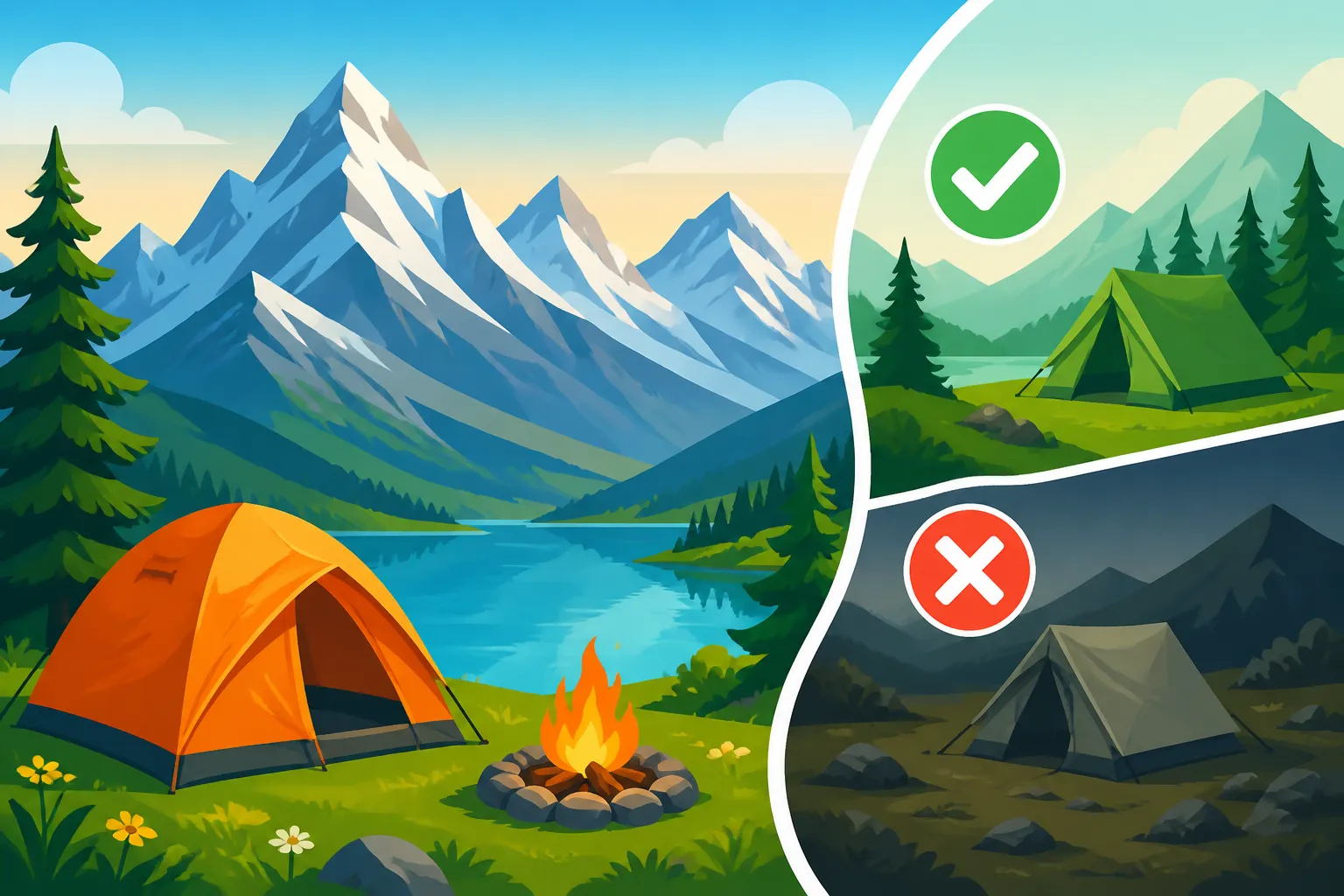
- Travel and Camp on Durable Surfaces: Stick to existing paths. When camping, choose a spot that won't be damaged by your presence. Avoid sensitive vegetation.
- Dispose of Waste Properly: Carry out all your trash, including food scraps. Human waste should be buried at least 15-20 cm deep and 60 meters away from water sources, trails, and campsites.
- Leave What You Find: Don't take natural objects, carve on trees, or build structures.
- Minimize Campfire Impacts: Campfires are often prohibited or require special permits. If allowed and safe, use existing fire rings and ensure fires are completely out before leaving.
- Respect Wildlife: Observe animals from a distance. Store food securely to prevent attracting wildlife.
- Be Considerate of Other Visitors: Keep noise down and respect others' solitude.
Seriously, if you're not prepared to adhere to every single one of these principles, wild camping in Switzerland isn't for you. Our beautiful Alps and lakes depend on everyone doing their part.
Safety First: Essential Considerations for Remote Camping
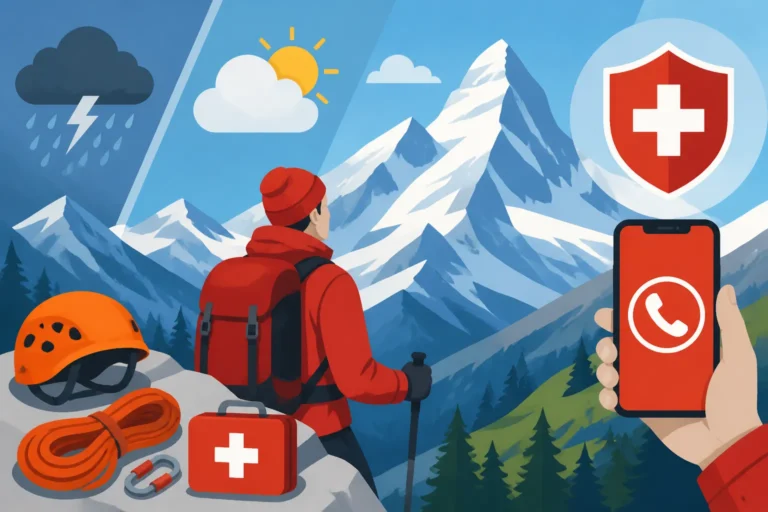
Wild camping in the Swiss Alps, while breathtaking, also comes with inherent risks that demand careful preparation. Weather conditions in the mountains can change dramatically and rapidly, even in summer. A sunny morning can quickly turn into a thunderous downpour or even unexpected snowfall. Always check the local weather forecast from reliable sources (like MeteoSwiss) before heading out, and be prepared for all four seasons in one day. Ensure you have appropriate gear for cold, wet, and windy conditions, including warm layers, waterproof clothing, and a sturdy tent capable of withstanding mountain winds.
Navigation is another critical aspect. Don't rely solely on your phone; bring a physical map and compass, and know how to use them. Cell phone reception can be patchy or non-existent in remote valleys. Always inform someone of your itinerary and expected return time. In case of an emergency, remember the general emergency number 144 for ambulances or the mountain rescue service REGA (1414, though 144 will connect you to local services too). Having a REGA Membership: Why Expats Need Air Rescue Insurance in the Alps is highly recommended for anyone venturing into the high mountains, as basic health insurance doesn't always cover complex mountain rescue operations. Remember, the beauty of the wild also means you're far from immediate help. Being prepared means you can truly enjoy the solitude safely.
Top Camping Destinations and Must-Know Tips for Your Adventure
Now that we've covered the basics, let's talk about where to go and how to make your Swiss camping trip truly unforgettable. This country offers such a diverse range of landscapes, you're truly spoilt for choice.
Iconic Regions: Lakes, Mountains, and Hidden Gems
Switzerland has an abundance of incredible places to pitch a tent or park your camper.
- Lake Regions: For serene waters, warm swimming, and charming lakeside towns, the lake regions are fantastic. You'll find many campsites dotted around Lake Thun and Lake Brienz near Interlaken, offering stunning views and easy access to alpine adventures. Lake Lucerne is another gem, with campsites providing a base for exploring the city of Lucerne and famous mountains like Pilatus and Rigi. And of course, the vibrant Lake Geneva region, with its vineyards and lively cities, has some great spots. Imagine camping by the water and then taking a boat trip across the lake for a day exploring a historic town – pure bliss.
- Alpine Escapes: If soaring peaks, fresh mountain air, and hiking are your priority, head to the Alps. Valais, Graubünden, and the Bernese Oberland offer countless opportunities. Zermatt, while car-free, has campsites just outside the village (in Täsch) with easy train access, allowing you to wake up to Matterhorn views. The Engadine Valley, near St. Moritz, also offers incredible alpine camping. Many campsites are perfectly positioned for easy access to cable cars and incredible hiking trails, whether you're looking for Swiss Hiking for Beginners: Trail Grades and the SAC System or more challenging routes.
- Hidden Gems: Don't just stick to the famous spots! Explore lesser-known valleys in Ticino for a Mediterranean vibe, or the Jura region for rolling hills and tranquil forests. These areas often have smaller, more intimate campsites and offer a different side of Switzerland, often with fewer crowds and more local charm. Using platforms like GetYourGuide can help you find unique local activities and tours around these regions if you're looking for more than just hiking.
Getting There: Public Transport vs. Car for Campers
One of the great joys of Switzerland is its unparalleled public transport system. Many campsites, particularly those in popular tourist regions or near towns, are surprisingly accessible by train and bus. The SBB network is so efficient that even with camping gear, it's often a viable and enjoyable option, especially if you have a Half-Fare Travelcard (Halbtax): The Must-Have Pass for Swiss Residents or even a SBB Travelcards: Is the Generalabonnement (GA) Worth the CHF 4000+ Cost? for extensive travel. Apps like Omio can also help you compare train, bus, and even carpooling options if you're traveling across borders or just within Switzerland to your camping destination.
However, if you're planning to venture into more remote areas, wild camping (where allowed), or simply prefer the flexibility of carrying more gear, a car or campervan offers undeniable advantages. You can easily stock up on groceries at larger supermarkets, carry bulky items like chairs and tables, and access trailheads that are less serviced by public transport. Just remember that driving in Switzerland means adhering to strict traffic laws and potentially dealing with mountain passes. Always check road conditions before heading into the high Alps.
Smart Packing and Seasonal Considerations
Packing smart is key to a comfortable camping trip, especially in Switzerland where weather can be unpredictable. Here's a quick checklist:
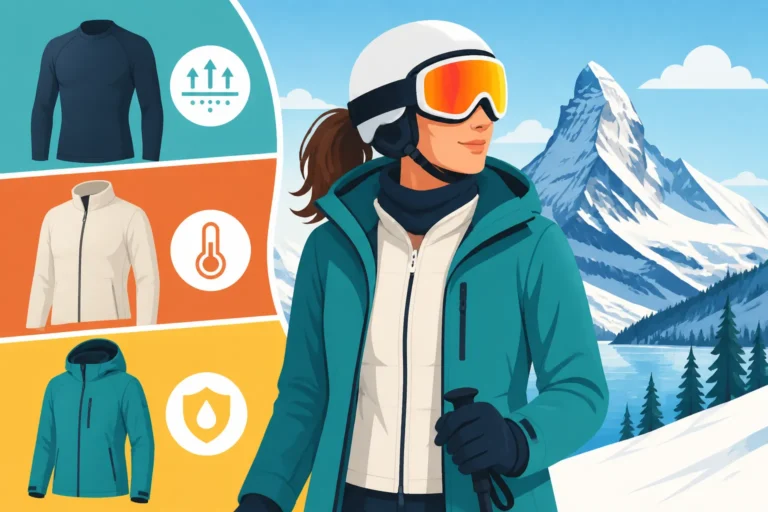
- Layers, layers, layers: Even in summer, evenings can be cool, especially in the mountains. Pack fleeces, light jackets, and warm sleeping clothes.
- Waterproofs: A good rain jacket and trousers are non-negotiable.
- Sturdy footwear: Hiking boots are essential for anything more than strolling around the campsite.
- Sleeping gear: A sleeping bag rated for lower temperatures than you expect, and a good sleeping mat for insulation and comfort.
- Cooking supplies: A portable stove, pots, pans, and basic utensils if you plan to self-cater. This is another big money-saver!
- First-aid kit: Essential, especially for remote trips.
- Headlamp/torch: Campsites can be dark, and it’s crucial for walking around at night.
- Sun protection: Sunscreen, sunglasses, and a hat – the alpine sun is strong!
- Power bank: For charging phones, as outlets might be limited.
Seasonal Considerations:
- Summer (June-August): The most popular time. Book well in advance. Expect warm days, but be prepared for afternoon thunderstorms. High-altitude camping is best in summer.
- Spring/Autumn (April-May, September-October): Beautiful shoulder seasons. Fewer crowds, often pleasant temperatures during the day, but nights can be cold. Many mountain campsites will only open in late spring or close by early autumn. Check opening dates. This is a fantastic time for Autumn Hikes for Fall Colors in Switzerland.
- Winter (November-March): Limited camping options. Some campsites catering to winter sports enthusiasts remain open, often with heated facilities. Wild camping is generally not advisable or safe due to snow and extreme cold.
Remember, a little preparation goes a long way in ensuring your Swiss camping adventure is filled with happy memories, not unexpected frustrations!
Disclaimer
The information provided in this guide is for general informational purposes only and does not constitute legal, financial, or medical advice. While we strive to provide accurate and up-to-date information, rules and regulations in Switzerland, particularly concerning topics like wild camping, can change and vary by canton and municipality. We strongly advise you to verify all information with official sources and local authorities before making any decisions or plans. We are not responsible for any actions taken based on the information presented here.