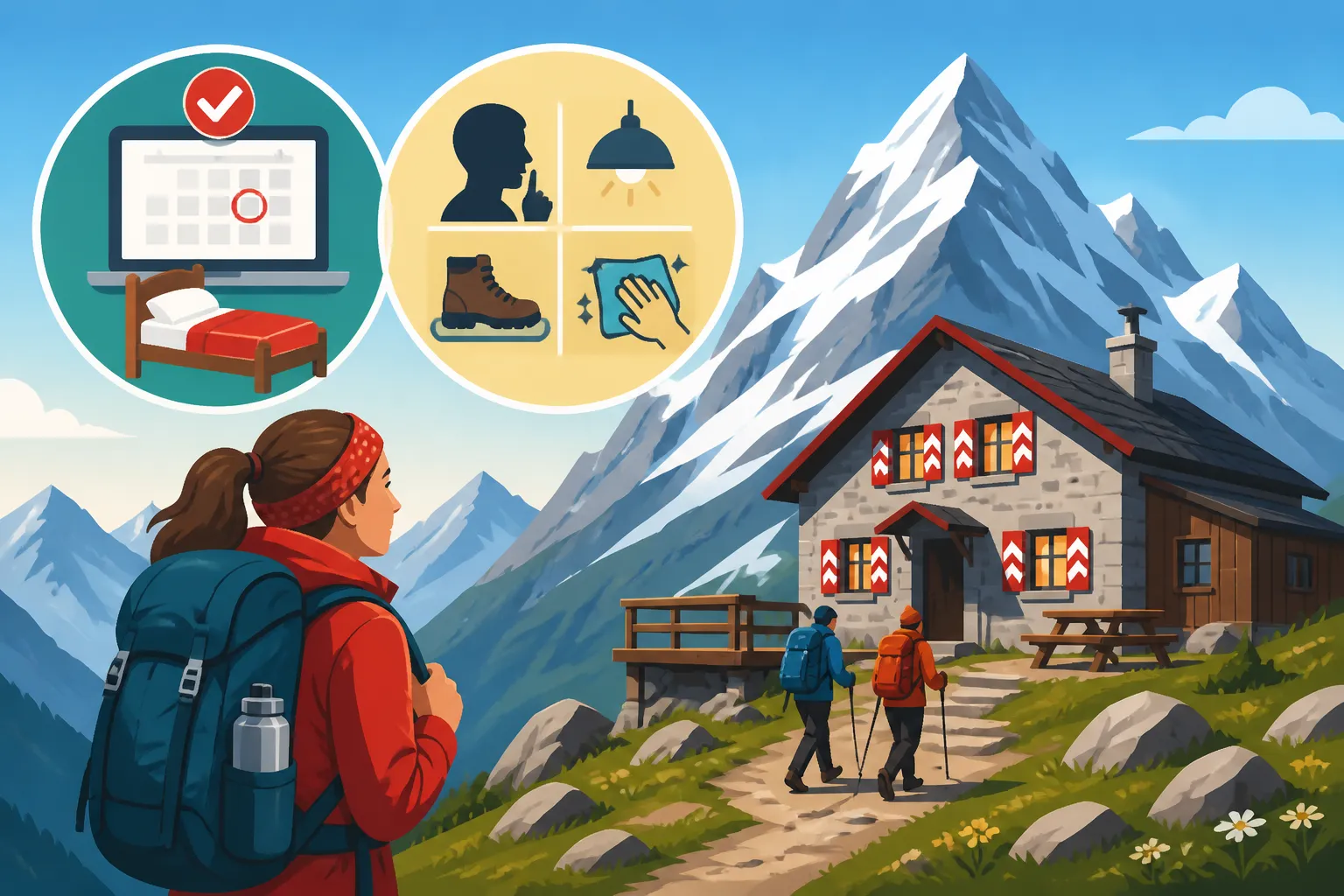
Swiss Alpine Club (SAC) Huts: Booking and Etiquette for Overnights
Ah, the Swiss Alps! Everyone dreams of those breathtaking peaks and pristine valleys, right? But what many newcomers don't realize is that truly immersing yourself in that majestic landscape often involves more than just a day trip from Zurich or Geneva. Eventually, you'll feel the pull to go deeper, higher, and stay a while. That's where the iconic Swiss Alpine Club (SAC) huts come in – they're not just shelters; they're an integral part of the Swiss mountain experience, a right of passage even. But navigating the booking process and understanding the unspoken rules can feel a bit like trying to read a Swiss German train schedule with a map from 1950. Don't worry, I've been there, and I'm here to demystify everything you need to know about booking an overnight stay and making the most of your time in these incredible mountain sanctuaries.
What Exactly Are SAC Huts and Why Are They Special?
So, you've seen the pictures: rustic stone buildings perched precariously on a ridge, often with snow still clinging to the slopes even in summer, and views that stretch for miles. These are the SAC huts, or Hütten as they’re known in Swiss German. Run by the Swiss Alpine Club, a venerable institution with over 160 years of history, these aren't your typical hotels. Forget bellboys, room service, or even private bathrooms. These are authentic, no-frills mountain refuges designed to provide essential shelter, food, and camaraderie for hikers, climbers, and mountaineers. They're often located in places so remote that the only way to reach them is by foot, sometimes after a grueling multi-hour ascent.
The magic of SAC huts lies precisely in their simplicity and location. You're out there, in the raw, untamed Alps, sharing a meal and a roof with fellow adventurers from all walks of life. The hut wardens (or Hüttenwarte) are often experienced mountaineers themselves, founts of local knowledge, and the keepers of a unique mountain culture. They’re usually friendly, but firm, especially when it comes to hut rules – which you’ll soon learn are there for good reason, primarily safety and harmony in a shared, often crowded, space. Think of them as a blend of a hostel, a community center, and a vital lifeline in the high mountains. They're heated, offer simple but hearty food, and provide a roof over your head, which, when a storm rolls in unexpectedly, feels like the greatest luxury imaginable. You'll typically find shared dormitories (Lager) with bunk beds, communal dining areas, and basic washrooms. Showers are rare, and if they exist, they're usually cold and coin-operated. This is about roughing it, Swiss style.
Planning Your Stay: Booking an SAC Hut
Now, to the nitty-gritty: how do you actually get a spot in one of these coveted mountain havens? The days of just showing up and hoping for a bed are mostly over, especially during peak hiking season (July and August) or on popular routes. Pre-booking is absolutely essential.
The Official Channels: SAC Website and App
The primary and most reliable way to book an SAC hut is directly through the Swiss Alpine Club's official website or their dedicated app. Most huts have their own individual booking pages linked from the main SAC portal. Here’s what you need to know:
- When to Book: As soon as you have your dates, book it! For popular huts or weekends, slots can fill up months in advance. Many huts open their booking systems for the upcoming season in late winter or early spring. If you're planning a multi-day hike involving several huts, try to book them all at once to ensure continuity.
- Sleeping Arrangements: Most huts offer Lager (dormitory-style sleeping). This means multiple bunk beds in one large room, sometimes sleeping 10, 20, or even more people. Some larger or more accessible huts might have a few smaller rooms (Zimmer), which offer a bit more privacy but come at a higher price and are snapped up even faster. When booking, you'll usually select the number of people and the type of accommodation desired.
- SAC Membership Perks: If you’re serious about hiking in Switzerland, consider becoming an SAC member. It’s an investment that quickly pays off. Members receive discounts on overnight stays in SAC huts and often in other alpine clubs' huts across Europe (like DAV in Germany or CAI in Italy). Beyond financial savings, membership supports the maintenance of these vital mountain infrastructures. Plus, members often get priority during busy periods, which can be a lifesaver. You can find more information about joining the club on their website.
- Payment and Confirmation: You'll typically pay a deposit or the full amount upfront when booking online. Always, always print out your confirmation or save it on your phone. You'll need to show it to the hut warden upon arrival.
Alternative Ways to Access Huts and Backup Plans
Sometimes, despite your best efforts, the hut you want is fully booked. Or perhaps you're simply not ready for the full rustic experience just yet. Here are some alternative approaches:
- Guided Tours: For those new to alpine hiking or who prefer not to deal with logistics, a fantastic option is to join a guided multi-day trek. Companies and independent mountain guides often pre-book entire huts or significant portions of them for their groups. You might find such packages on platforms like GetYourGuide{:target="_blank"} where local tour operators offer unique mountain experiences that include accommodation, meals, and expert guidance. This can be a great way to experience hut life without the initial booking stress.
- Valley Accommodation: Don't underestimate the charm and convenience of staying in the valleys! If a hut is fully booked, or if the weather forecast suddenly looks grim (which can happen, trust me), having a Plan B in a nearby village is smart. Sites like Booking.com{:target="_blank"} are invaluable for finding hotels, guesthouses, and apartments in towns like Grindelwald, Zermatt, or Engelberg. From these bases, you can still embark on incredible day hikes and retreat to a warm shower and a private bed at night.
- Transport to Trailheads: Getting to the starting point of your hike is often half the adventure. Switzerland's public transport system is legendary. Once you've booked your hut, you might use services like Omio{:target="_blank"} to seamlessly plan your train and bus connections to the nearest village or cable car station that serves as your trailhead. Remember, even the most remote huts usually have a public transport link that gets you reasonably close. You can also look into options like the SBB Travelcards: Is the Generalabonnement (GA) Worth the CHF 4000+ Cost? or the indispensable The Half-Fare Travelcard (Halbtax): The Must-Have Pass for Swiss Residents to save on these journeys.
The SAC Hut Experience: Etiquette and Expectations
Staying in an SAC hut is a communal experience, and there are unwritten (and sometimes explicitly written!) rules of engagement that everyone is expected to follow. Understanding these will not only make your stay more enjoyable but also ensure you're a considerate fellow hiker.
What to Bring and What to Expect
First off, pack light but smart. Remember you’re carrying everything on your back, often uphill!
- Hüttenschlafsack (Hut Sleeping Bag Liner): This is non-negotiable. Huts provide blankets and pillows, but for hygiene, you must bring your own lightweight sleeping bag liner, typically made of silk, cotton, or fleece. Don't show up without one; they'll often rent them to you, but it’s better to have your own.
- Hut Slippers (Hüttenfinken): You absolutely cannot wear your hiking boots inside the hut. There will be a designated area, often near the entrance, to store your muddy or snowy boots. Bring a pair of lightweight slippers or indoor shoes. Some huts provide communal Crocs, but having your own is more hygienic and comfortable.
- Earplugs: This is my personal top tip. You'll be sleeping in a dormitory with other people, some of whom snore like freight trains after a long day of hiking. Earplugs are a godsend.
- Headlamp/Torch: Essential for navigating the dorms or using the bathroom after dark without disturbing others. Do not turn on the main lights.
- Cash: Many huts, especially the more remote ones, prefer cash for drinks, snacks, or even sometimes for your stay, as card machines might not work reliably or at all.
- Water Bottle/Camelbak: Crucial for staying hydrated on your hike. Huts often have potable water available for refilling.
- First Aid Kit: Always a good idea when in the mountains. For more comprehensive safety advice, check out Mountain Safety in Switzerland: Weather, Gear, and Emergency Numbers.
Unspoken Rules and Courtesies
- Quiet Hours (Ruhezeiten): These are strictly enforced, usually from 10 PM to 6 AM. This means no loud talking, rustling bags, or unnecessary noise. Everyone needs their rest for the next day's adventures. Respect it.
- Meal Times: Dinner (Halbpension) is usually served communally at a set time, often between 6:00 PM and 7:00 PM. Breakfast is early, usually from 6:00 AM to 7:30 AM. Be punctual, as the hut wardens often have a tight schedule.
- Leave No Trace: This is a core principle of alpine culture. Pack out everything you pack in. Do not litter. Respect the fragile mountain environment.
- Be Mindful of Space: Huts are compact. Keep your gear tidy and don't spread out. Share the benches, the drying racks, and the limited table space.
- Bring Your Own Snacks: While huts sell drinks and some snacks, bringing your favorite trail mix or energy bars can save you a few francs.
- The Warden is King/Queen: The hut warden has the final say on everything from meal portions to sleeping arrangements to whether a specific route is safe given current conditions. Their word is law.
Practical Considerations for Your Overnight
Beyond booking and etiquette, there are a few other practicalities that can make or break your hut experience.
Costs and What's Included
The costs for an SAC hut overnight can vary depending on the hut's size, accessibility, and whether you are an SAC member. Here’s a general breakdown:
| Item | SAC Member (Approx. CHF) | Non-Member (Approx. CHF) | Notes |
|---|---|---|---|
| Overnight in Dormitory | 25 – 40 | 35 – 55 | Prices vary by hut, higher for smaller rooms if available |
| Half-Board (Dinner & Breakfast) | 40 – 55 | 40 – 55 | Dinner usually a 3-course meal; breakfast basic (bread, cheese, jam) |
| Water (per liter) | 2 – 5 | 2 – 5 | Tap water usually free for refilling bottles where available |
| Tea/Coffee | 4 – 6 | 4 – 6 | |
| Beer/Wine | 7 – 10 | 7 – 10 | |
| Hut Sleeping Bag Liner Rental | 5 – 10 | 5 – 10 | If you forget yours |
| Total per night (Half-Board) | 65 – 95 | 75 – 110 | Excludes additional drinks/snacks |
As you can see, becoming an SAC member definitely helps reduce the cost of lodging, making those longer treks more affordable. The prices for food and drinks are typically the same for everyone, reflecting the logistical challenges of getting supplies up the mountain.
Weather and Safety Considerations
The mountains are beautiful but unforgiving. Weather conditions can change in a heartbeat, even in summer. Always check the forecast rigorously before heading out. Don't rely solely on a general city forecast; use specialized mountain weather apps and websites. The hut wardens are also an excellent source of up-to-the-minute local conditions. If the weather looks bad, it's always better to postpone or choose an alternative, safer route. Many huts are equipped with emergency radios and are part of the larger mountain rescue network, but prevention is always key. Familiarize yourself with trail classifications as discussed in Swiss Hiking for Beginners: Trail Grades and the SAC System to ensure you pick a hike appropriate for your skill level.
Cancellation Policies and No-Shows
SAC huts often have strict cancellation policies. If you need to cancel, do so as early as possible. Many huts will charge a cancellation fee, especially if it’s last-minute. This is because a no-show means a bed that could have been given to another hiker is left empty, impacting the hut's finances and potentially leaving someone else stranded. Always communicate directly with the hut warden if your plans change.
What to Do If Things Go Wrong
Despite meticulous planning, things can go awry. You might get lost, an injury could occur, or the weather could take a dramatic turn.
- Emergency Numbers: Always have the Swiss emergency number 1414 for REGA (Swiss Air-Rescue) and 144 for ambulance services saved in your phone.
- Inform the Hut Warden: If you're delayed or have an issue on your way to the hut, try to call ahead if you have signal. If you're staying in a hut and plan a day trip from there, it’s good practice to let the warden know your planned route and estimated return time. They keep an eye out for missing hikers, especially in bad weather.
- Flexibility is Key: The most important trait of any mountain adventurer is flexibility. If your planned route is unsafe, be ready to change it. If a hut is full, embrace the valley accommodation and enjoy a different perspective. Sometimes the best adventures are the ones that didn’t go to plan.
Staying in an SAC hut is truly a bucket-list experience for anyone living in or visiting Switzerland. It strips away the comforts of modern life and connects you directly with the raw beauty and challenging reality of the Alps. With a little planning and respect for the unwritten rules, you’ll forge memories and friendships that last a lifetime. So, grab your What to Pack for a Day Trip to the Swiss Alps essentials, pack your Huttenfinken, and get ready for an unforgettable night under the stars, high above the everyday hustle.
Disclaimer
The information provided in this guide is for general informational purposes only and does not constitute professional advice. While we strive to keep the content up-to-date and accurate, regulations, prices, and availability of services in Switzerland can change frequently. Always verify current details with official sources such as the Swiss Alpine Club (SAC) or relevant service providers. Mountain activities carry inherent risks; always prioritize your safety, assess conditions, and be prepared.