Pilatus Golden Round Trip: Boat, Cogwheel, and Cable Car
Trying to figure out which Swiss mountain excursion is truly worth the splurge, especially with our notoriously complex transport system and unpredictable weather, can feel like navigating a labyrinth. You've heard whispers of the "Golden Round Trip" to Mount Pilatus, a name that sounds intriguing but might leave you wondering about the practicalities. This comprehensive guide will peel back all the layers, detailing every step of this iconic journey so you can confidently plan a memorable day (or two!) from Lucerne, ensuring you get the most out of every franc and every breathtaking view.
What Exactly is the Pilatus Golden Round Trip?
For us expats, the name "Golden Round Trip" evokes images of luxury, but in Switzerland, it often refers to a multi-modal journey that forms a perfect loop, starting and ending at the same point without retracing your steps. The Pilatus Golden Round Trip is the quintessential example of this, offering a full spectrum of Swiss transport experiences combined with jaw-dropping alpine scenery. It’s more than just getting to a mountain; it’s about the journey itself, a seamless blend of lake, rail, and air travel.
Understanding the Route: A Multi-Modal Adventure
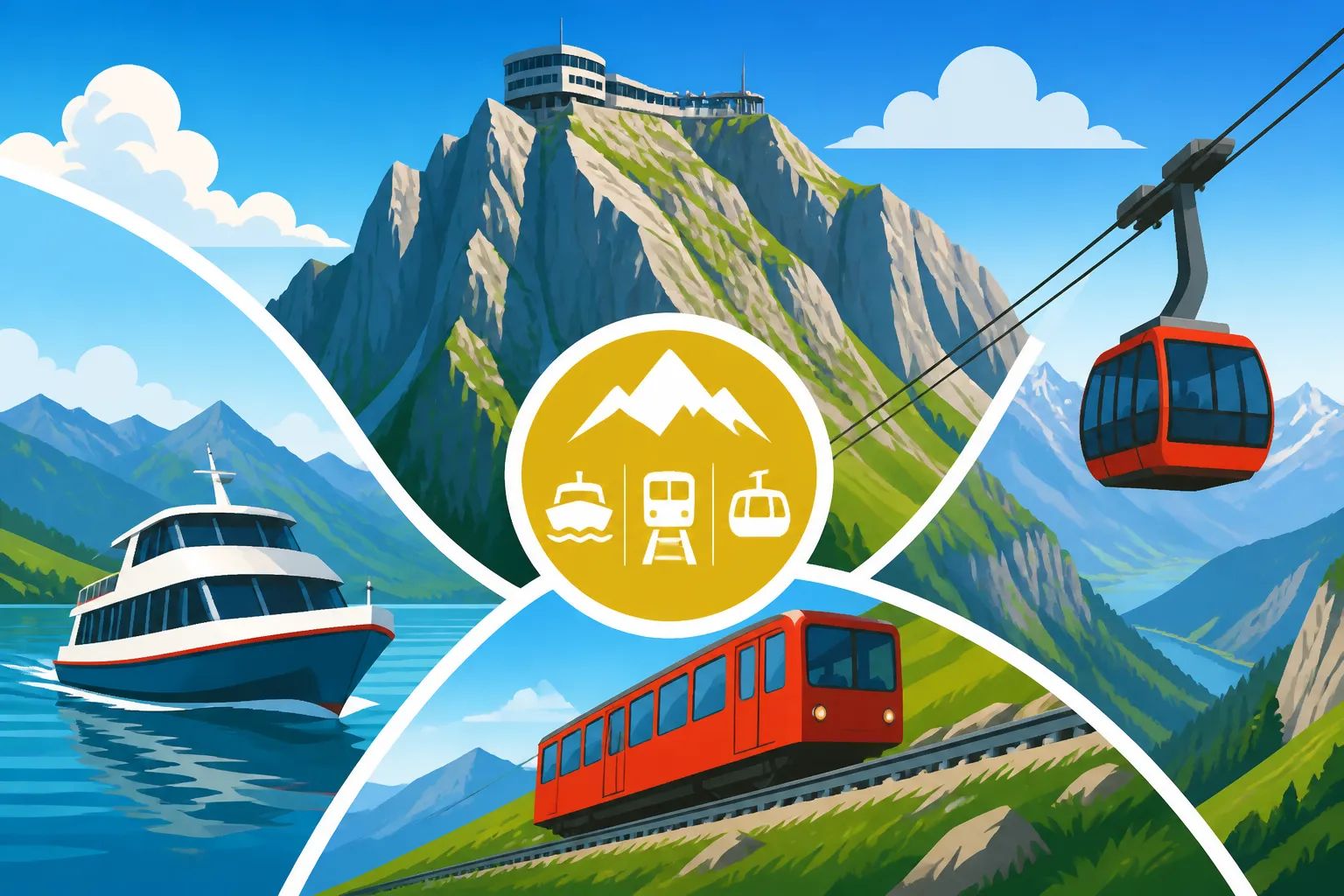
Imagine starting your day cruising across a pristine lake, then ascending a mountain on the steepest cogwheel railway in the world, spending time soaking in panoramic views, and finally descending by aerial cable car and panoramic gondola before hopping back on a bus to your starting point. That, my friends, is the Pilatus Golden Round Trip in a nutshell. It’s a carefully curated experience designed to showcase the diverse beauty of central Switzerland, transitioning from the tranquil waters of Lake Lucerne to the dramatic peaks of the Alps. The journey typically begins and ends in Lucerne, making it incredibly convenient for tourists and residents alike.
The route is segmented and can be done in either direction, but the "classic" Golden Round Trip starts with a boat trip on Lake Lucerne, heading towards Alpnachstad. From there, you board the incredibly steep cogwheel railway, which will chug its way up to Pilatus Kulm, the summit of Mount Pilatus. After you’ve had your fill of the views and the fresh mountain air, you’ll descend via a series of cable cars: first the "Dragon Ride" aerial cable car down to Fräkmüntegg, then a panoramic gondola from Fräkmüntegg to Kriens. A short bus ride from Kriens brings you right back into the heart of Lucerne, completing the spectacular loop. Each segment offers a distinct perspective and a different kind of thrill, from the gentle sway of the boat to the exhilarating glide of the cable car.
Why "Golden"? The Name's Origin and Appeal
The "Golden" in the Pilatus Golden Round Trip isn't about gold-plated carriages or exclusive luxury, though the experience certainly feels premium. The name primarily refers to the cyclical nature of the journey – a perfect, uninterrupted circle (or "round trip") that takes you through the stunning landscape, often bathed in the golden light of the sun at various points, especially during early morning or late afternoon. It's truly a golden opportunity to see diverse aspects of Switzerland in one go.
Beyond the literal interpretation, the "golden" aspect also hints at the invaluable experience it offers. For many of us living here, or those visiting, it’s a golden standard for mountain excursions. It combines the serene beauty of the lake, the marvel of Swiss engineering with the cogwheel railway, and the modern thrill of the cable cars. It’s designed to be comprehensive, ensuring you don’t miss any part of the journey or the views. Plus, it cleverly integrates public transport – the boat, train, and bus – into one seamless ticket, which is a testament to Swiss efficiency and makes planning much less of a headache, especially for those who find the Swiss ticketing system a bit daunting at first.
Planning Your Trip: Logistics, Tickets, and Best Times to Go
Alright, so you’re convinced. Now, how do you actually make this happen without losing your mind in the planning stage? As seasoned expats, we know Swiss logistics can be precise, but they're usually incredibly well-organized once you get the hang of it. This trip is no exception, but a little preparation goes a long way.
Breaking Down the Transport Segments and Timing
The beauty of the Golden Round Trip is its integrated nature, but understanding each leg helps.
-
Boat Trip (Lucerne to Alpnachstad): This is usually the first leg. You'll depart from Pier 1 at the Lucerne Bahnhofquai. The scenic boat ride across Lake Lucerne (Vierwaldstättersee) takes about 1 to 1.5 hours, depending on the boat and stops. It's a wonderful way to ease into the day, watch the city skyline recede, and get those first magnificent mountain views. The schedule for these boats is seasonal, so always check the SBB website or the Lake Lucerne Navigation Company (SGV) timetable. You could also book this portion via a platform like Omio for convenience, though direct booking often works too.
-
Cogwheel Railway (Alpnachstad to Pilatus Kulm): Once you arrive in Alpnachstad, it’s a short walk to the cogwheel railway station. This is where the real adventure begins! The world's steepest cogwheel railway, with gradients of up to 48%, takes about 30-40 minutes to ascend to the summit. It’s an unforgettable experience, seeing the track disappear beneath you as you climb higher and higher. This railway operates only from May to November, so if you're planning a winter trip, you'll need to adjust your route (more on that later!).
-
Pilatus Kulm (Summit): You’ll want to spend a good 1-3 hours at the top, depending on your interests. There are various viewpoints, walking paths (including the Dragon Path, a short, accessible trail with interpretive signs about the legends of Pilatus), restaurants, and even hotel options if you want to stay overnight. The views stretch across the Alps and Lake Lucerne – truly spectacular on a clear day.
-
Dragon Ride Aerial Cable Car (Pilatus Kulm to Fräkmüntegg): This modern panoramic cable car offers a thrilling descent, often giving you a bird's-eye view of the landscape you just climbed. It takes about 3-5 minutes. At Fräkmüntegg, you'll find a restaurant, a large adventure park (ropes course, toboggan run – usually open in summer), and a fantastic playground for kids.
-
Panoramic Gondola (Fräkmüntegg to Kriens): From Fräkmüntegg, you transfer to smaller panoramic gondolas for a slower, more leisurely descent down to Kriens. This segment takes about 20-25 minutes, gliding over forests and residential areas, offering lovely views of Lucerne and the surrounding countryside.
-
Bus (Kriens to Lucerne City Centre): Once you disembark the gondola in Kriens, it's a short 5-10 minute walk to the Kriens Zentrum Pilatus bus stop (Bus no. 1, direction "Bahnhof"). The bus ride back to Lucerne train station takes about 10-15 minutes, completing your circle.
For an efficient trip, I usually budget around 5-7 hours in total, including travel time and a decent amount of time at the summit. If you want to check out the adventure park or linger longer at the top, plan for a full day.
Navigating Tickets and Passes for Expats
This is where many newcomers to Switzerland often stumble. The standard price for the Golden Round Trip can be quite high, but for us residents, there are definite ways to save money.
First, let's talk about the Half-Fare Travelcard (Halbtax): The Must-Have Pass for Swiss Residents. If you live here, you absolutely need one. It gives you 50% off almost all public transport, including the boat, cogwheel railway, cable cars, and the bus for this trip. Without it, you'll pay full price, which can easily be double. A standard Golden Round Trip ticket costs around CHF 120-140 at full price. With a Halbtax, it's roughly half that.
If you have a SBB Travelcards: Is the Generalabonnement (GA) Worth the CHF 4000+ Cost?, then the entire Golden Round Trip is usually covered, except for any special reservations or potential adventure park activities. Always double-check the specifics for your GA, but generally, this is one of those trips where a GA really shines.
For those without these passes, or if you're a tourist, you can buy a single "Pilatus Golden Round Trip" ticket directly from the Pilatus Bahnen website, at the Lucerne train station, or at the boat/cable car stations. These tickets cover all segments. You can also look into package deals on sites like GetYourGuide, which sometimes combine the trip with other Lucerne attractions or offer guided tours, which might be helpful if you prefer everything arranged for you.
Tip: Children aged 6 to 16 with an SBB Junior Travelcard or a Swiss Family Card travel for free when accompanied by a parent with a valid ticket. This is a huge money-saver for families!
Here's a quick summary table of approximate costs (subject to change in 2026):
| Segment | Full Price (approx. CHF) | With Half-Fare (approx. CHF) | Covered by GA |
|---|---|---|---|
| Lucerne – Alpnachstad (Boat) | 28 | 14 | Yes |
| Alpnachstad – Pilatus Kulm (Cogwheel) | 36 | 18 | Yes |
| Pilatus Kulm – Fräkmüntegg (Dragon Ride) | 30 | 15 | Yes |
| Fräkmüntegg – Kriens (Panoramic Gondola) | 20 | 10 | Yes |
| Kriens – Lucerne (Bus) | 4 | 2 | Yes |
| Total Golden Round Trip (Full Loop) | 120-140 | 60-70 | Mostly |
(Note: These are individual segment breakdowns, a combined "Golden Round Trip" ticket might have slightly different overall pricing, but the discount principles apply.)
Best Seasons and Weather Considerations
Mount Pilatus is often referred to as "Dragon Mountain" due to the ancient legends of dragons residing in its caves. But like any mountain in Switzerland, it has its moods, heavily influenced by the weather.
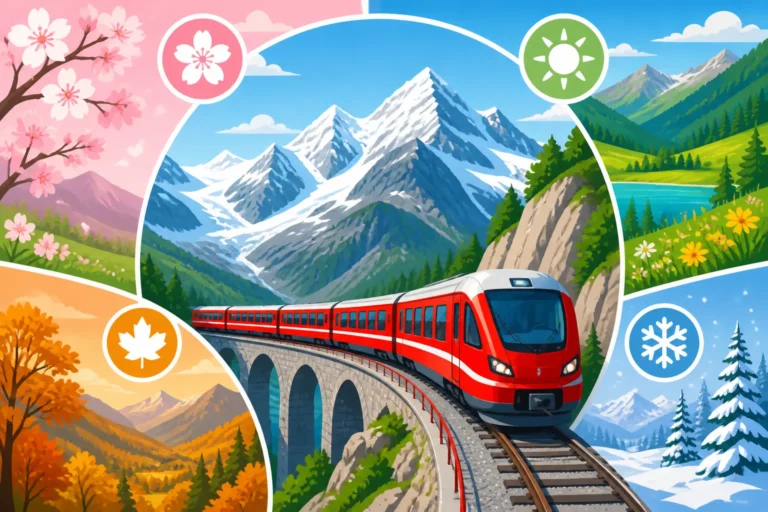
- Summer (May – October): This is the prime time for the full Golden Round Trip as described above. The cogwheel railway operates, the lake is inviting for cruises, and the temperatures at the summit are generally mild. The adventure park at Fräkmüntegg is also open. However, summer also means more crowds and the possibility of afternoon thunderstorms, which can obscure views. Always check the weather forecast and the Pilatus webcam before you go. Remember to pack layers, even in summer, as it can be significantly cooler at 2,132 meters (7,000 feet) than in Lucerne.
- Winter (November – April): The cogwheel railway closes for winter maintenance, typically from mid-November to mid-May. During these months, the "Silver Round Trip" is your alternative. You still travel from Lucerne to Kriens by bus, take the panoramic gondola and Dragon Ride cable car up to Pilatus Kulm, and then return the same way. The lake cruise is still an option from Lucerne, but it won't connect directly to the Pilatus ascent. While the summit is often covered in snow and offers stunning winter wonderland views, make sure you're prepared for cold temperatures and potential white-out conditions. This is a fantastic time for Snowshoeing and Winter Hiking in Switzerland for Non-Skiers at lower altitudes around Fräkmüntegg.
- Shoulder Seasons (April/May and October/November): These months can be a mixed bag. You might get clear, crisp days with fewer crowds, but you also run the risk of sudden weather changes, including snow even in late spring or early autumn. Always check the Pilatus website for operating status, as certain attractions or segments might close due to adverse weather.
Pro-Tip: The official Pilatus Bahnen website has live webcams from the summit. Always, always check these on the morning of your planned trip. There's nothing worse than paying for a mountain trip only to find yourself in a cloud. For broader weather planning, sites like MeteoSwiss are your best friend in Switzerland.
The Journey Itself: What to Expect at Each Stage
Now, let's dive into the actual experience. Each leg of the Pilatus Golden Round Trip is a mini-adventure in itself, offering distinct delights and perspectives. You're not just moving from A to B; you're immersed in the Swiss landscape and its ingenious transport solutions.
Lake Lucerne Cruise: Setting Sail with Scenery
Your Golden Round Trip often begins with a leisurely boat ride on the exquisite Lake Lucerne, departing right from the heart of Lucerne city. This is your moment to truly relax and soak in the pre-mountain anticipation. The elegant steamers and motor vessels operated by the SGV (Schifffahrtsgesellschaft des Vierwaldstättersees) offer comfortable seating, both indoors and on open-air decks. As the boat pulls away from the pier, you'll be treated to a receding panoramic view of Lucerne's charming Old Town, the iconic Chapel Bridge (Kapellbrücke), and the surrounding mountains like Rigi and Bürgenstock.
The lake itself is mesmerizing. Its deep blue waters are flanked by picturesque towns, rolling green hills, and dramatic cliffs. Keep an eye out for the occasional traditional paddle steamer, adding a touch of old-world charm to your journey. You can grab a coffee or a light snack from the onboard restaurant, making the hour to an hour and a half journey fly by. This initial segment is a stark contrast to the thrilling ascent that follows, offering a serene start that builds excitement. For those interested in seeing more of the region's stunning lakes, remember that Lake Lucerne: Cruises, Mountains, and the Swiss Path offers many other fantastic excursions. If you're sensitive to motion, pick a seat in the middle of the boat, but generally, the lake is quite calm.
The World's Steepest Cogwheel Railway: An Engineering Marvel
Stepping off the boat in Alpnachstad, you'll feel an immediate shift in energy. The air is often a bit crisper, and the imposing presence of Mount Pilatus looms large. It’s here that you board the famous cogwheel railway – an astonishing feat of engineering that first opened in 1889. The bright red carriages are designed to handle the incredible gradients, which reach an astounding 48% (that's nearly a 1-in-2 slope!). As the train begins its ascent, you'll quickly realize why this railway is so legendary.
The journey up to Pilatus Kulm is a slow, steady climb, but never dull. You’ll pass through lush meadows, dark forests, and dramatic rock formations. The views out of the window become progressively more spectacular, offering glimpses of the surrounding valleys, Lake Lucerne, and distant alpine peaks. There are moments when the track seems to disappear directly beneath the nose of the train, creating a thrilling sensation of defying gravity. This railway operates a unique Abt rack system, with horizontal twin-gear racks that engage with vertical cogwheels, preventing slippage on such steep inclines. It's truly a marvel of late 19th-century Swiss ingenuity and still operates with incredible precision today.
Dragon Mountain Peak: Activities and Views from Pilatus Kulm
Once the cogwheel railway pulls into Pilatus Kulm station, you've arrived at the summit, 2,132 meters above sea level. This isn't just a viewpoint; it's a small mountain complex designed for visitors to fully experience the "Dragon Mountain." The immediate draw is, of course, the panoramic views. On a clear day, you can see up to 73 alpine peaks, including Eiger, Mönch, and Jungfrau, stretching across central Switzerland, often extending all the way to the Jura mountains and even the Black Forest in Germany. It’s genuinely breathtaking.
There are several viewpoints and terraces around the station. Don't miss the "Dragon Path" (Drachenweg), a short, easy paved walk carved into the rock face. It’s accessible and leads to various lookout points, telling the legends of dragons that supposedly inhabited the mountain. For the more adventurous, there are other, slightly more challenging hiking trails, but always check conditions and wear appropriate footwear – after all, this is the Alps!
For food and drink, you have a few options. There’s a self-service restaurant, a more formal restaurant (Restaurant Bellevue), and a café. Prices, as expected on a Swiss mountain, are on the higher side, but the views often make up for it. Many people bring their own snacks or picnic lunches to enjoy at one of the many benches. If you're planning a longer stay, the Pilatus Kulm hotel or Hotel Bellevue offers incredible overnight experiences, allowing you to witness sunrise or sunset from the summit, long after the day-trippers have departed. It's an experience worth considering for a truly immersive visit.
Panoramic Gondola and Aerial Cable Car Descent: Kriens to Lucerne
After soaking in the high-altitude splendor, your descent begins, marking a transition from historical engineering to modern comfort. First up is the "Dragon Ride" aerial cable car, a sleek, glass-enclosed cabin that glides swiftly down to Fräkmüntegg. This journey is much faster than the cogwheel railway and offers wide, unobstructed panoramic views as you drop down the mountainside. The cabins feel incredibly stable and provide a thrilling perspective.
At Fräkmüntegg, you have the option to linger. This mid-station is particularly popular with families during the warmer months, as it hosts a massive adventure park (Rope Park) and Switzerland's longest summer toboggan run (Fräkigaudi). If you have kids, or if you're a big kid yourself, factor in time for these activities. There's also a restaurant for refreshments.
From Fräkmüntegg, you transfer to the smaller, more charming panoramic gondolas for the final leg of the aerial descent to Kriens. These gondolas move at a more leisurely pace, allowing you to enjoy the changing landscape, from alpine forests to the outskirts of Lucerne, before gently touching down. Once you disembark in Kriens, it's a short, well-signposted walk to the bus stop "Kriens Zentrum Pilatus," where public bus number 1 (direction Lucerne Bahnhof) will whisk you back to the Lucerne train station, completing your "golden" loop. The whole system is incredibly efficient, a prime example of Swiss public transport mastery. Remember, you can always check current schedules and options on sites like Booking.com if you're looking for last-minute hotel deals in Lucerne after your trip, or to plan your transport links.
Insider Tips for a Flawless Pilatus Experience
Having done this trip a fair few times, and having guided countless visiting friends and family through the Swiss public transport maze, I've picked up a few tricks. Getting the most out of the Pilatus Golden Round Trip isn't just about showing up; it's about smart planning and knowing a few insider secrets.
Saving Money with the Right Travel Pass
As I mentioned earlier, for those of us living in Switzerland, the Half-Fare Travelcard (Halbtax) is an absolute game-changer. It instantly cuts the cost of your Golden Round Trip by 50%. If you don't have one and plan to do even a few trips on Swiss public transport within a year, it often pays for itself very quickly. Don't underestimate this! Many visitors, especially from outside the EU/EFTA, might opt for a Swiss Travel Pass, which also fully covers the boat, bus, and Pilatus mountain transport (cogwheel, gondola, and cable car) for a specific number of days. If you’re touring Switzerland extensively, this is often the most convenient option.
Another trick, if you don't have a Halbtax or Swiss Travel Pass, is to check for Saver Day Passes (Spartageskarte) on the SBB website, especially for the bus and boat segments. These are limited, cheaper tickets for specific dates. However, they are generally not available for the mountain transport itself, but could reduce your overall cost. Lastly, always keep an eye out for regional passes like the Lucerne & Lake Lucerne Region Guest Card if you're staying in a local hotel, as these sometimes offer minor discounts on certain segments. Don't just blindly buy the full-price ticket; take a moment to assess your pass situation. Every franc counts when you're living here!
What to Pack and Wear for the Alpine Air
This is a classic rookie mistake, and one that even experienced expats can forget when the sun is beaming down in Lucerne. The weather at Pilatus Kulm can be drastically different from the city below, even on the same day. As a rule of thumb for What to Pack for a Day Trip to the Swiss Alps, layering is your best friend.
Even in summer, temperatures at the summit can be surprisingly chilly, especially if there's a breeze or if a cloud rolls in. I always recommend:
- Base Layer: A light t-shirt or long-sleeve top, preferably moisture-wicking.
- Mid-Layer: A fleece jacket or a warm sweater.
- Outer Layer: A waterproof and windproof jacket. This is non-negotiable. Mountain weather changes rapidly!
- Bottoms: Comfortable trousers, not shorts, unless it's a scorching summer day and you're confident you won't feel the chill.
- Footwear: Comfortable, closed-toe shoes with good grip. While the Dragon Path is paved, if you venture onto any other trails, you'll be thankful for sturdy shoes. No flip-flops, please!
- Accessories: A small backpack to shed layers, sunglasses, sunscreen (the sun at altitude is intense!), and a reusable water bottle. A hat or beanie can be a lifesaver in cooler weather.
Don't be that person shivering at the top, wishing they'd brought an extra jacket. Trust me, the views are much more enjoyable when you're comfortable!
Food Options and Dragon Legends at the Top
While the views are the main attraction, sustenance is important. At Pilatus Kulm, you’ll find a few dining options ranging from casual to more formal. The self-service restaurant, located near the station, offers typical Swiss mountain fare like sausages (Cervelat or Bratwurst), Rösti, soups, and various snacks and drinks. It’s practical, relatively quick, and offers indoor seating with large windows, perfect for when the weather isn't cooperating. For a slightly more upscale experience, there's the à la carte Restaurant Bellevue, which requires a bit more time but offers stunning views and a more refined menu. Prices, as in most Swiss mountain restaurants, are higher than in the valleys, but this is pretty standard.
A clever expat hack is to bring your own picnic. Grab some delicious Swiss cheese, fresh bread, and fruit from a Coop or Migros in Lucerne before you depart. There are plenty of benches and scenic spots around the summit where you can enjoy your meal with an unparalleled view, saving a few francs in the process.
Beyond the views and food, take some time to delve into the Dragon Legends of Mount Pilatus. The mountain’s name is believed to come from the Latin "Pileatus," meaning "cloud-capped," but local folklore has long associated it with dragons, spirits, and mysterious creatures. The Dragon Path (Drachenweg) at the summit has interactive displays that tell these stories, making for a fun and engaging exploration, especially if you have kids. These legends add a magical, ancient layer to the already stunning natural beauty of the mountain, reminding you that Switzerland is not just about precision and efficiency, but also rich cultural history and folklore. It's these little details that transform a simple mountain trip into a truly golden experience.
Disclaimer
Please note that while this guide provides comprehensive information based on current knowledge and typical experiences, details such as prices, operating hours, and specific transport schedules are subject to change. Always verify the latest information directly with Pilatus Bahnen, SBB, and local tourism boards before planning your trip. Weather conditions in the mountains can change rapidly, and some attractions or transport segments may close without prior notice for safety reasons. This guide is for informational purposes only and does not constitute official advice.