Alpabzug (Cattle Descent): Autumn Festivals in the Mountains
You've just moved to Switzerland, maybe you've been here a little while, and you've probably heard snippets about "cow parades" or "Alpabzug" events. It sounds quaint, right? Maybe even a bit cheesy. But let me tell you, dismissing it as just a bunch of cows walking down a mountain would be missing out on one of the most authentic, vibrant, and surprisingly emotional cultural experiences Switzerland has to offer. This isn't just a spectacle for tourists; it's a deep-seated tradition, a harvest festival, and a celebration of life that truly anchors you to the rhythm of the Alps. This guide is going to peel back the layers of the Alpabzug, helping you understand its true significance, know what to expect, and how to make the most of experiencing this unique autumn spectacle.
The Heart of Alpabzug: What is the Cattle Descent?
The Alpabzug, or "désalpe" in French-speaking Switzerland, and "rientro dell'alpeggio" in Ticino, is far more than just cattle returning from their summer pastures. It's a fundamental part of Swiss agricultural life, marking the end of the summer grazing season in the high Alps. For months, from late May or early June until September or early October, farmers ("Älpler" or "bergers") move their herds to the lush, nutrient-rich alpine meadows. This practice, known as transhumance, allows the cows, goats, and sheep to feed on diverse alpine grasses and herbs, which, incidentally, is what gives Swiss cheese its distinctive flavor.
The Seasonal Migration Cycle
Imagine the sheer effort and planning involved in this centuries-old tradition. In spring, the "Alpaufzug" (cattle ascent) sees the animals, still in their everyday working gear, moving up to the mountains. It's a practical journey, often less ceremonial, driven by the need for fresh pastures. The summer months are spent in relative isolation, the farmers living in rustic huts, making cheese, and tending to their animals, a lifestyle that demands hard work and resilience. Then comes autumn, when the days shorten, temperatures drop, and the first snow often dusts the peaks. This is the signal for the descent. The cattle, heavier and healthier, are brought back down to the valley farms, ready for the winter months in the barns. It’s a moment of reunion for the farmers with their families and communities, a sigh of relief after a demanding summer, and a time for celebration.
The Return of the Herds
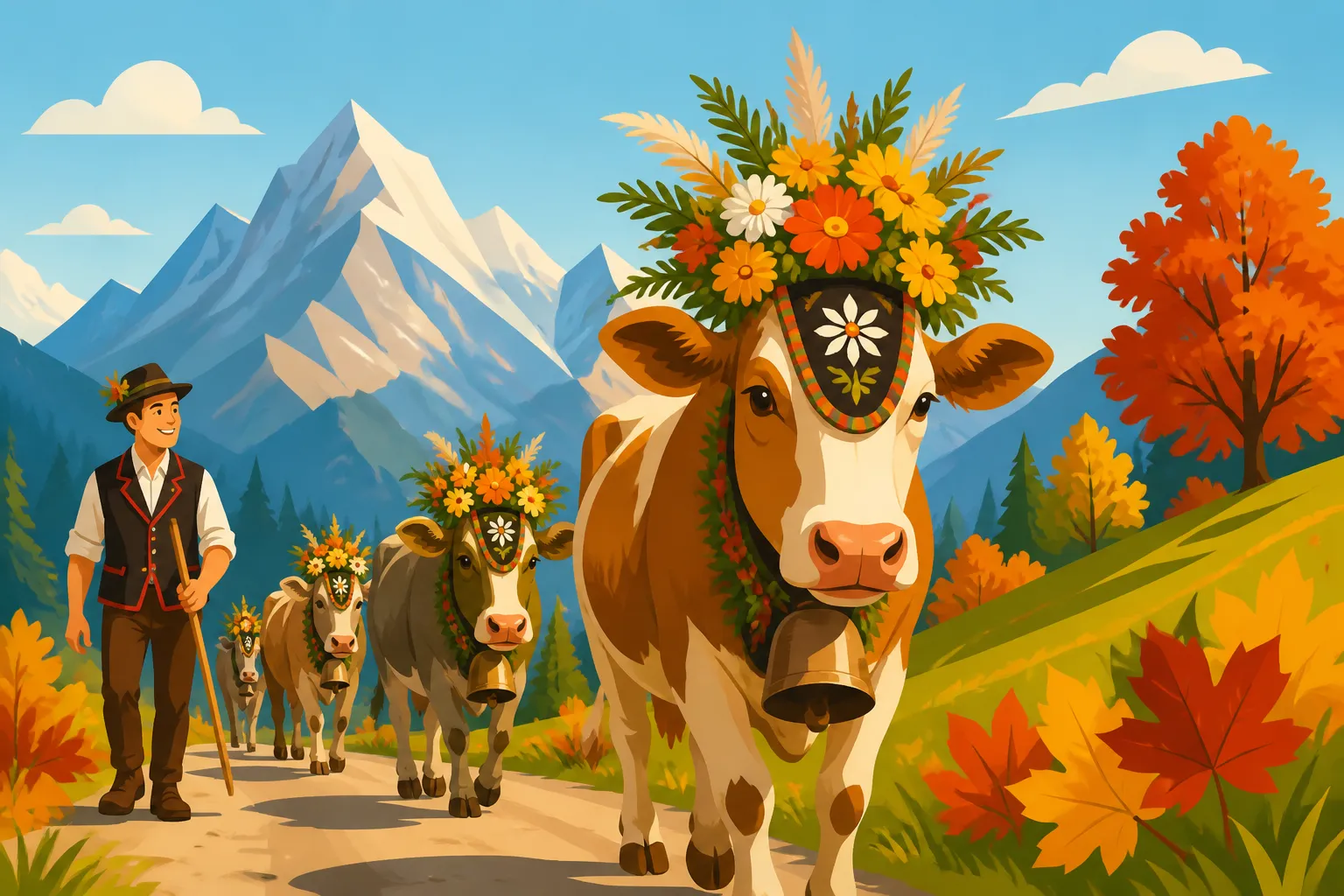
The Alpabzug itself is a moment of immense pride and gratitude. If the summer has been successful – no serious accidents, good weather, healthy animals – the herds are adorned with magnificent floral headdresses, often crafted from hundreds of fresh flowers and branches gathered from the alpine meadows. The farmers themselves dress in traditional attire, often lederhosen or traditional embroidered shirts, carrying their wooden milk pails and leading the procession. The enormous, intricately carved cowbells, often family heirlooms, clang rhythmically as the animals make their way down, echoing through the valleys. It’s a sensory feast: the vibrant colors of the flowers, the deep resonant clang of the bells, the earthy smell of the animals, and the festive atmosphere of the crowds lining the streets. It’s a testament to a way of life that, despite modernization, remains deeply cherished.
More Than Just Cows: The Deep Cultural Roots of Alpabzug
To truly appreciate an Alpabzug, you need to understand its historical and social context. This isn't just about agriculture; it's a living piece of Swiss heritage, a community event that binds generations and celebrates the very essence of rural Swiss identity. It's an affirmation of connection to the land, the animals, and the demanding rhythms of nature.
Historical Significance and Evolution
The practice of transhumance dates back millennia, long before Switzerland was even a concept. It was born out of necessity: utilizing seasonal pastures to sustain livestock and, in turn, human communities. Over the centuries, these practical movements evolved into ritualized events, infused with superstition, religious blessings, and eventually, public celebration. The "good luck" aspect of a successful Alpabzug is still very real for many communities; it signifies a season well-managed, a winter secured, and a continuation of tradition. In a world of fast-paced change, the Alpabzug stands as a powerful reminder of enduring values and practices. It's a point of pride, connecting modern Swiss citizens to their agrarian ancestors.
A Community Affair: Beyond the Farmers
While the farmers and their animals are the stars of the show, the Alpabzug is truly a community-wide event. Entire villages often participate in the preparations, from decorating the streets to baking traditional breads and setting up market stalls. Local bands play folk music, children eagerly await the arrival of the cows, and neighbors gather to chat, eat, and drink. It’s a time when community bonds are strengthened, and newcomers, like us expats, are given a chance to witness and even participate in a tradition that is both local and profoundly Swiss. You'll often find local societies (Vereine) setting up food and drink stands, raising money for their clubs while sharing their culture. It's a wonderful opportunity to experience Swiss Festivals and Traditions: A Year-Round Cultural Calendar firsthand.
Symbolism and Superstition
Every element of the Alpabzug is steeped in symbolism. The elaborate floral headdresses aren't just for beauty; they're believed to protect the cattle from evil spirits and ensure fertility and health for the coming year. The largest, most beautiful cow, often referred to as the "Kuhreihen" or "leader cow," wears the most impressive adornment and the largest bell, symbolizing her status and the success of the herd. The bells themselves serve multiple purposes: to help locate cows in the vast alpine pastures, to warn other animals, and to announce the safe return of the herd. It’s a symphony of good fortune ringing through the valley.
Experiencing the Festival: What to Expect on Alpabzug Day
So, you've decided to dive in and experience an Alpabzug. Fantastic! But what does the day actually look like, and how can you immerse yourself without feeling like an outsider? It’s a day of vibrant celebration, mouth-watering food, and a truly unique atmosphere.
The Parade and Its Spectacle
Most Alpabzug events typically kick off in the morning, usually between 9 AM and 11 AM, though this varies by location. The main event is, of course, the procession of the decorated cattle. Depending on the village and the number of participating farms, this can last anywhere from an hour to several hours. Each farm’s herd forms its own distinct group, often led by the farmer and his family, followed by the magnificently adorned cows, then goats or sheep. The animals are usually calm, accustomed to the route and the crowds, but remember they are still large animals, so keeping a respectful distance is always wise.
The sheer effort put into decorating the cows is breathtaking. Think intricate floral arrangements, ribbons, and even small mirrors that reflect light, believed to ward off evil. The distinct clanging of the bells, from the enormous ones on the lead cows to the smaller ones on the younger animals, creates an unforgettable soundtrack. It’s loud, it’s vibrant, and it’s deeply moving. You'll often see families patiently waiting, children clutching miniature cowbells, their faces lighting up as the first animals come into view.
Market Stalls and Local Delights
Alongside the parade, most Alpabzug events feature bustling local markets, known as "Bauernmärkte" (farmer's markets). This is where the culinary magic happens. You’ll find stalls laden with regional specialties, many made from the very milk produced by the cows you just saw. Think hearty grilled sausages (Bratwurst), Rösti, fresh alpine cheese, cured meats, and sweet treats. This is your chance to sample authentic Swiss Food and Drink Culture: Regional Specialties and Dining Etiquette and support local producers. You might even find some artisanal crafts, from hand-carved wooden figures to local textiles. Don't be shy; try a bit of everything! It’s also a perfect opportunity to enjoy a warming Glühwein (mulled wine) if the autumn air is crisp, or a local apple juice.
Music and Entertainment
No Swiss festival is complete without music, and the Alpabzug is no exception. Local brass bands, folk music ensembles, and yodelers often provide entertainment throughout the day. The atmosphere is generally joyous and convivial. You might find stages set up in the village square, or musicians simply strolling through the crowds, adding to the festive vibe. Children's activities are also common, from small petting zoos to traditional games. It’s a wonderful opportunity to see the lighter, celebratory side of Swiss culture. The sheer joy and relief after a successful summer on the Alp is palpable, and everyone is there to share in it.
Planning Your Alpabzug Adventure: When and Where to Go
With so many Alpabzug events happening across Switzerland, choosing one can be a delightful challenge. They vary in size, atmosphere, and accessibility, so a little planning goes a long way to ensure you have the best experience.
Best Regions and Villages for Alpabzug
Alpabzug events take place primarily in the alpine regions, meaning you’ll find the most authentic and numerous celebrations in cantons like Bernese Oberland, Valais, Appenzell, Fribourg, Vaud, and the Grisons (Graubünden).
Here's a quick overview of some popular and well-regarded Alpabzug locations:
| Village/Region | Canton | Typical Date Range | Vibe/Atmosphere | Accessibility & Tips |
|---|---|---|---|---|
| Charmey | Fribourg | Last Sat of Sept / Early Oct | Large, vibrant, lots of food and crafts, very family-friendly, French-speaking. | Accessible by bus from Bulle (train connection). Can get very crowded. Parking limited. |
| Entlebuch | Lucerne | Mid to Late September | Traditional, UNESCO Biosphere Reserve, authentic Swiss German experience. | Train to Schüpfheim, then local buses. Great for a more rural, scenic feel. |
| Plaffeien | Fribourg | Late September | Smaller, more local, rustic charm. Often less touristy than Charmey. | Bus from Fribourg. Good for a quieter, more intimate experience. |
| Urnäsch | Appenzell Inn. | Mid September | Very traditional, known for ornate costumes and unique bells. Distinct culture. | Train to Urnäsch station. Can be extremely crowded. Arrive early. |
| Jaun | Fribourg | Late September | Picture-perfect setting in the Gruyère region, beautiful valley. | Bus from Bulle. Combines well with a visit to Gruyères. |
| Bleniotal | Ticino | Early October | Italian-speaking, unique regional traditions, great food. | Bus from Biasca (train connection). Enjoy the warmer, southern ambiance. |
Many of these places are easily reachable by public transport. Remember, Switzerland by Train: The SBB Network, Scenic Routes, and Day Trips is incredibly efficient. Consider purchasing a The Half-Fare Travelcard (Halbtax): The Must-Have Pass for Swiss Residents if you plan to travel by train frequently. For specific routes and timings, check the SBB website or consider using platforms like Omio to compare transport options, which can be super handy when trying to figure out bus connections to smaller villages.
Timing Your Visit
Alpabzug events generally occur from mid-September to early October, though some can happen as early as late August or as late as mid-October. The exact dates are dependent on the weather, the health of the pastures, and the individual farmers' schedules. It's crucial to check local tourism office websites or the specific village websites for confirmed dates, as these are often announced only a few weeks in advance. A simple Google search for "Alpabzug [Year] Schweiz" or "Désalpe [Year] Suisse" will usually bring up lists of events.
Because these are popular events, especially the larger ones like Charmey or Urnäsch, the best strategy is to arrive early. Not only will you secure a better viewing spot, but you'll also have more time to explore the market stalls and soak in the atmosphere before the main procession. If you plan to stay overnight, booking accommodation well in advance is essential, as local guesthouses and hotels fill up quickly. Websites like Booking.com are excellent for finding places to stay, but don’t forget to check directly with local tourist offices, too, for smaller, family-run options.
Logistics: Transport and Accommodation
Getting to an Alpabzug by public transport is usually the easiest and most stress-free option. Roads to smaller alpine villages can become very congested, and parking is often extremely limited, if available at all. If you are planning to drive, be prepared for significant delays, early starts, and potentially long walks from designated parking areas. My personal advice? Embrace the Swiss public transport system! It’s part of the experience. Many villages will run special bus services for the event.
As mentioned, accommodation can be tight. If you prefer not to battle the crowds on event day, consider staying in a nearby larger town and taking an early train or bus. For example, if you're aiming for Charmey, staying in Bulle or even Fribourg and taking an early bus connection is a viable option. For Urnäsch, staying in Appenzell or St. Gallen makes sense.
Beyond the Parade: Other Autumn Alpine Traditions
While the Alpabzug is undoubtedly the highlight of autumn in the mountains, it's part of a broader tapestry of seasonal traditions and experiences. Your visit can extend beyond just the parade, allowing you to immerse yourself deeper into Swiss alpine culture.
Käseteilet: The Cheese Sharing Tradition
Closely related to the Alpabzug, especially in regions like the Emmental and Justistal (near Lake Thun), is the "Käseteilet" or "cheese sharing." This tradition takes place when the cheese that was produced on the Alp throughout the summer is divided among the farmers according to the amount of milk each cow contributed. It’s a centuries-old custom, often done in a very ceremonial manner. For example, in Justistal, the Käseteilet is celebrated with a large public festival, where spectators can watch the traditional sharing of the cheese wheels and then purchase the delicious alpine cheese directly from the producers. This isn't just a commercial transaction; it's the culmination of months of hard work and a fair division of the "summer's gold." This tradition underscores the economic importance of alpine farming and the value placed on local, artisanal products.
Harvest Festivals and Local Markets
Autumn is naturally a time for harvest festivals across Switzerland. While not always directly linked to the cattle descent, many towns and villages hold "Herbstfeste" (autumn festivals) or "Erntedankfeste" (Thanksgiving harvest festivals) around the same time. These festivals celebrate the bounty of the harvest season, showcasing local produce like apples, grapes, pumpkins, and walnuts. You'll find expanded farmers' markets, often featuring apple juice pressing, wine tasting (especially in grape-growing regions like Valais or Lavaux), and general community celebrations. These events offer a wonderful opportunity to explore the local gastronomy beyond dairy products and enjoy the rich colors and flavors of Swiss autumn. They're often less intense than an Alpabzug but equally charming.
Hiking Amidst Autumn Colors
The Swiss Alps in autumn are a sight to behold. The larch trees turn a brilliant golden hue, contrasting beautifully with the evergreens and the first dusting of snow on the peaks. Combining an Alpabzug visit with a hike in the surrounding mountains is a fantastic way to experience the season. Imagine hiking along a trail, the air crisp and clear, with panoramic views of valleys dotted with charming villages, and then descending into a village just as the Alpabzug is about to begin. You might even catch glimpses of cows on their journey down. Check out topics like Best Autumn Hikes for Fall Colors in Switzerland for inspiration. Just remember that mountain weather can change quickly in autumn, so always be prepared with layers, good hiking boots, and check weather forecasts beforehand. Websites like GetYourGuide can sometimes offer guided autumn hikes, which can be helpful if you're new to the area.
Navigating the Day: Practical Tips for Expats and Tourists
Experiencing an Alpabzug is truly unforgettable, but like any popular event, a few insider tips can make your day smoother and more enjoyable. From what to wear to how to interact with the locals, preparation is key.
What to Wear and Bring
Autumn weather in the Swiss mountains can be unpredictable. Mornings can be chilly, especially if you arrive early, but the sun can warm things up quickly by midday.
- Layers are your best friend: Think a warm base layer, a fleece or sweater, and a waterproof/windproof outer shell. A warm hat and gloves might also be appreciated, especially if you're standing around for a while.
- Comfortable, sturdy shoes: You'll likely be standing for extended periods and possibly walking on uneven surfaces. If you plan to combine it with a hike, make sure your footwear is appropriate for both.
- Cash: While many market stalls accept card payments, having small denominations of Swiss Francs (CHF) for quick purchases like a coffee, a snack, or a souvenir is always a good idea.
- Camera: This is an incredibly photogenic event! Make sure your phone or camera is fully charged.
- Water and snacks: While there's plenty of food available, having your own water bottle is smart, especially if you're avoiding plastic.
- A small folding chair or blanket: If you arrive early and want to secure a prime viewing spot, a compact chair or blanket can make waiting much more comfortable.
Respecting the Animals and Traditions
Remember, while it's a festive event, it’s also a serious undertaking for the farmers and their animals.
- Keep a respectful distance from the cattle: These are working animals, not pets. Give them space as they pass, especially if you have children or dogs with you. Never try to touch or feed the animals without explicit permission from the farmer.
- Control your pets: If you bring your dog, keep it on a leash and away from the cattle to avoid startling them.
- Be mindful of crowds: Some Alpabzug events draw thousands of spectators. Be patient, move slowly, and be aware of your surroundings.
- Support local: Buy your food and crafts from the local stalls. This directly supports the farmers and artisans who keep these traditions alive.
- Learn a few local phrases: Even a simple "Grüezi" (Swiss German for hello) or "Merci" (thank you) will be appreciated, especially in the more rural areas.
Combining with Other Activities
An Alpabzug can easily be a full-day or even a weekend trip. Consider combining it with:
- A visit to a nearby cheese dairy: Many regions are famous for their cheese, and seeing how it's made can provide deeper insight into the Alpabzug's purpose.
- Exploring a charming old town: Many Alpabzug villages have beautiful historic centers that are worth a stroll.
- A lake cruise: If you're near a lake, a post-Alpabzug boat trip can be a relaxing way to enjoy the autumn scenery. You can often combine train and boat journeys for a truly scenic day.
- Checking Day Trips by Train: The Best Swiss Destinations Within Two Hours for ideas on what else is nearby.
By being prepared, respectful, and open to the experience, you'll find that the Alpabzug is much more than a cow parade. It's a genuine window into the soul of Switzerland, a vibrant celebration of hard work, community, and the enduring connection between people, land, and animals. Go, embrace the clang of the bells, savor the local flavors, and let yourself be swept up in this truly Swiss tradition.
Disclaimer
The information provided in this guide is for general informational purposes only and does not constitute professional advice. While we strive to keep the information up-to-date and accurate, details such as specific event dates, transport schedules, and local regulations can change rapidly. Readers are strongly advised to verify all critical information, especially event dates, times, and accessibility, with official local tourism boards, event organizers, or public transport providers (e.g., SBB) before making any plans. We assume no liability for any inconvenience or loss incurred by reliance on this information.