Swiss Food and Drink Culture: Regional Specialties and Dining Etiquette
Stepping into Switzerland, you quickly realize the culinary scene is a world away from what you might expect, often leaving expats scratching their heads about what to order, what the various regional specialties truly entail, and how to navigate the intricate dining customs. It’s a common frustration to feel like you're missing out on the "real" Swiss experience because you’re unsure how to approach the food and drink culture. This guide is here to demystify the rich tapestry of Swiss cuisine, offering an empathetic, realistic look at the regional delights and essential dining etiquette that will help you eat and drink like a local, or at least like a very savvy expat.
The Culinary Landscape of Switzerland: More Than Just Cheese and Chocolate
When most people think of Swiss food, their minds instantly jump to glorious cheese and decadent chocolate. And while those are certainly cornerstones of the national diet, the truth is, Switzerland’s culinary landscape is far more diverse and fascinating than a few famous exports might suggest. As an expat, it’s easy to feel a bit overwhelmed by the sheer variety, especially when each canton seems to have its own unique twist on traditional dishes. This diversity isn’t just for show; it’s a deeply ingrained part of Swiss identity, reflecting the country's multilingual heritage and varied geography. You’ll quickly discover that eating your way through Switzerland is like embarking on a mini-European tour, with each region offering its own distinct flavors and traditions.
A Mosaic of Flavors: French, German, and Italian Influences
Switzerland, a landlocked country nestled at the crossroads of Europe, has absorbed culinary influences from its larger neighbors for centuries. This isn't just a casual borrowing; it's a fundamental aspect of the country's gastronomic identity. You'll find distinct differences as you travel from one language region to another, making each meal an exploration of cultural fusion. It's a delightful experience, but it can also be a bit confusing for new arrivals trying to figure out what to expect.
In the French-speaking Romandie, which includes cantons like Geneva, Vaud, and Neuchâtel, the food leans heavily into the elegance and finesse of French cuisine. Think delicate pastries, rich sauces, and an emphasis on fresh, seasonal ingredients often prepared with a lighter touch than in the German part of the country. Here, you'll encounter dishes that wouldn't feel out of place in a Parisian bistro, from expertly prepared freshwater fish from Lake Geneva to exquisite tarts and terrines. The portions might be a tad more refined, and the presentation often takes center stage.
Move into the German-speaking cantons, encompassing much of central and eastern Switzerland, and you’ll find a heartier, more rustic approach to cooking. This region embraces the comfort food traditions of Germany and Austria, with dishes featuring robust flavors, often heavy on potatoes, sausages, and rich gravies. Think substantial meals designed to fuel a day of hard work or mountain climbing, where generosity of portion is as important as taste. Sauerkraut, various types of Wurst, and potato-based dishes are staples, embodying a no-nonsense approach to eating that prioritizes satisfying hunger.
Then there's Ticino, Switzerland’s Italian-speaking canton, a sun-drenched region south of the Alps that feels like a little piece of Italy transplanted onto Swiss soil. Here, the food is unmistakably Mediterranean, with pasta, risotto, polenta, and exquisite olive oils taking pride of place. You'll find vibrant flavors, fresh herbs, and an abundance of local produce like tomatoes, grapes, and chestnuts. The emphasis is on simple, high-quality ingredients allowed to shine, often enjoyed al fresco with a glass of local Merlot. Navigating these regional differences means you'll never get bored, but it does require a willingness to embrace the distinct character of each area. For a deeper dive into the cantonal cultures, you might find our guide on Switzerland's Four Language Regions: Culture, Customs, and Travel helpful.
Seasonal and Local Produce: The Farm-to-Table Ethos
One of the beautiful things about Swiss food culture, which you’ll notice quickly if you frequent markets or pay attention to restaurant menus, is its deep connection to the seasons and local produce. This isn't just a trendy concept here; it's a way of life, dictated by the country's varied climate and long-standing agricultural traditions. Swiss people genuinely value eating what's fresh, what's grown nearby, and what's in its prime, which makes the dining experience here incredibly vibrant and ever-changing. You'll rarely find strawberries in December, for instance, and if you do, they won't be from Switzerland.
This farm-to-table ethos means that chefs and home cooks alike base their meals around what the land provides at any given moment. In spring, expect to see delicate white asparagus, fresh herbs, and vibrant greens appearing on plates. Summer brings an abundance of berries, stone fruits, and crisp salads, perfect for light meals enjoyed outdoors. As autumn rolls in, the focus shifts to heartier fare: pumpkins, game meats, mushrooms foraged from the forests, and rich root vegetables. Winter, naturally, brings out the comforting classics—think long-simmered stews, roasted meats, and, of course, the communal joy of fondue and raclette.
The emphasis on seasonality also translates into a strong support for local farmers and producers. Many Swiss families rely on weekly trips to farmers’ markets, where they can buy directly from the source, knowing exactly where their food comes from and that it's at its peak freshness. This practice not only ensures high quality but also helps sustain the traditional agricultural landscape, which is so vital to Switzerland’s identity. It’s a cycle of respect for nature and tradition that profoundly shapes the culinary experience. If you are keen to experience this, visiting a local market is a must, and our guide to Swiss Farmers' Markets: Where and When to Shop Local can point you in the right direction.
The Importance of Tradition and Regional Identity
Food in Switzerland isn't just sustenance; it's a powerful expression of tradition, history, and regional identity. Every canton, and often even smaller valleys or towns, seems to have its own specialty, a dish or product that locals are fiercely proud of and will happily tell you the detailed history behind. This isn't mere provincialism; it's a deep-seated cultural reverence for heritage, passed down through generations. As an expat, understanding this can help you appreciate why certain dishes are prepared in specific ways, and why deviating from tradition might raise a few eyebrows, however subtly.
Take for example, the Appenzeller Biberli, a spiced honey cake, or the Engadiner Nusstorte, a rich nut cake from the Engadine valley in Graubünden. These aren't just desserts; they are edible landmarks, symbols of their place of origin, often protected by strict recipes and traditional production methods. The same goes for local cheeses, which are often named after the specific mountain pastures where the cows graze or the village where they are ripened, each with a distinctive flavor profile reflecting its unique terroir. This strong connection to place is what makes Swiss food so authentic and special.
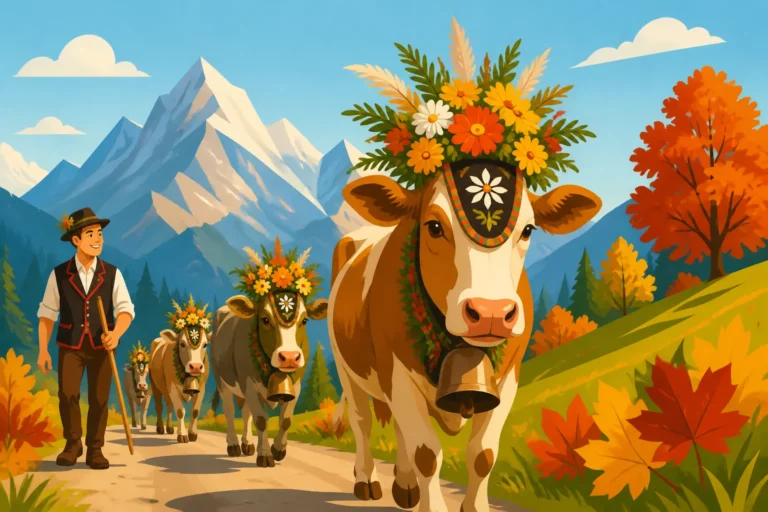
Participating in these culinary traditions is one of the quickest ways to feel more integrated into Swiss life. Whether it’s attending an Alpabzug festival where decorated cows descend from mountain pastures, or simply sharing a communal fondue with friends, food is often at the heart of social gatherings and celebrations. It’s a way to connect with the local culture, to understand the rhythm of life, and to appreciate the pride people take in their culinary heritage. Don't be afraid to ask about the story behind a dish; you'll often be rewarded with fascinating insights into Swiss history and local customs.
Iconic Swiss Cheese Dishes: Beyond Fondue and Raclette
When you move to Switzerland, it's pretty much a given that you'll be initiated into the cult of cheese. And yes, fondue and raclette are absolute staples, providing much-needed warmth and cheer during the colder months, or just a fantastic excuse for a social gathering. But reducing Swiss cheese culture to just these two titans would be a disservice to the incredible variety and tradition that exists. As an expat, you’ll soon discover there’s a whole universe of cheesy goodness waiting to be explored, each with its own quirks and customs.
The Art of Swiss Fondue: Varieties and Proper Etiquette
Fondue is more than just melted cheese; it’s a communal ritual, a symbol of Swiss hospitality, and frankly, an experience everyone living here must try at least a few times. It’s comforting, social, and inherently Swiss. But don’t just dip your bread willy-nilly; there are unwritten rules, and understanding them will save you from some awkward glances (and perhaps a round of schnapps).
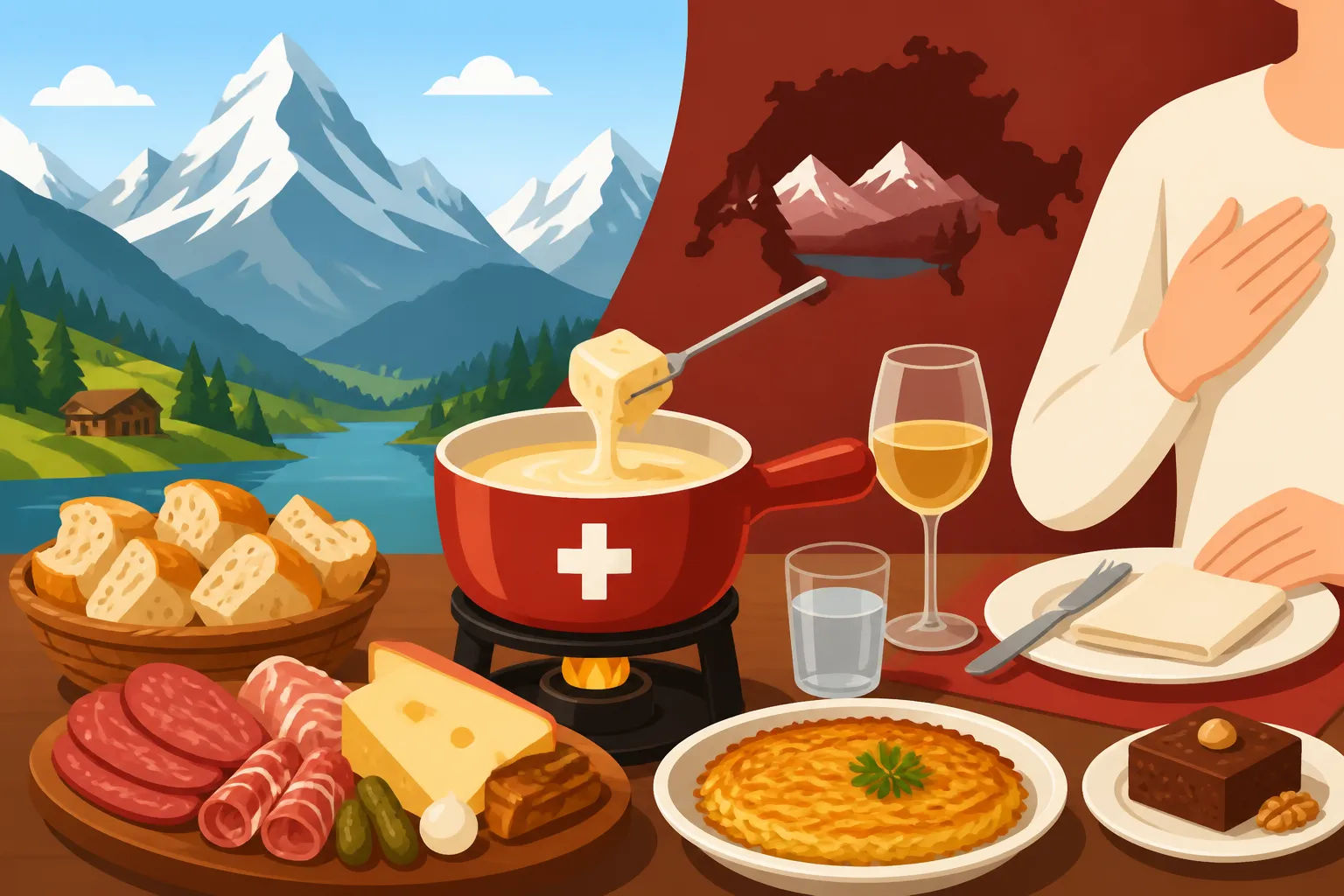
Typically, a classic Moitié-Moitié (half-and-half) fondue from Fribourg is made with Gruyère and Vacherin Fribourgeois cheeses, often with a splash of white wine, a hint of garlic, and a touch of kirsch. Other regions have their own versions; in Valais, you might find a fondue with three or even four types of cheese, incorporating raclette cheese or Appenzeller. The beauty is in the subtle variations, each offering a slightly different flavor and texture. The pot, or caquelon, is usually kept warm over a small flame, ensuring the cheese stays perfectly molten and ready for dipping.
Now, for the etiquette. The golden rule: never, ever lose your piece of bread in the pot! It’s a common faux pas for newcomers, and depending on your company, the "penalty" can range from buying the next round of drinks, to telling a joke, or even, traditionally, a woman kissing the men at the table or a man buying a bottle of wine. It’s all in good fun, but the fear of dropping your bread certainly adds to the suspense! Always use your long fondue fork to spear a piece of crusty bread (or boiled potato, if offered), swirl it gently in the cheese, and then bring it to your plate before eating it with a regular fork. Double-dipping is, predictably, a no-go. And don’t forget to scrape the crispy, caramelized cheese at the bottom of the pot, known as the Religieuse in French or Grossmutter (grandmother) in German, which is considered a delicious treat. If you're planning a trip around these traditions, services like Omio can help you find the best train routes to famous fondue cantons like Fribourg.
Raclette: A Social Gathering and a Melty Delight
While fondue is about communal dipping, raclette is a more interactive, personal melting experience that’s equally beloved in Swiss homes and restaurants, particularly in the French-speaking regions and Valais. It's less formal than fondue, often enjoyed with friends and family gathered around a special raclette grill, which itself becomes a centerpiece of conversation and culinary creativity.
The star of the show is, of course, raclette cheese – a semi-hard, savory cow's milk cheese that melts beautifully. Traditionally, a large half-wheel of raclette cheese is placed under a heating element, and as the surface melts and bubbles, it's scraped directly onto your plate (the name "raclette" comes from the French verb racler, meaning "to scrape"). In modern homes, however, individual raclette grills are more common, where each person has a small pan, or coupelle, to melt their own slice of cheese. This allows for personalized melting preferences, from just softened to gloriously browned and bubbling.
What do you eat with it? Boiled new potatoes are essential, served hot and ready to be covered in melted cheese. Cornichons (small pickled gherkins) and pickled onions provide a welcome acidic tang to cut through the richness of the cheese. Some people also enjoy serving it with cured meats like viande des Grisons or raw ham. The beauty of raclette lies in its relaxed, customizable nature. You control your own portion, you mix and match your accompaniments, and the whole process encourages slow eating and plenty of chatter. It's a perfect meal for a casual evening, a chance to unwind and enjoy good company over delicious, gooey cheese.
Lesser-Known Cheese Delicacies: Alpkäse, Hobelkäse, and More
Beyond the big two, Switzerland boasts a mind-boggling array of regional cheeses, each with its own story, flavor profile, and often, a Protected Designation of Origin (PDO) status. Exploring these lesser-known varieties is where you truly start to understand the depth of Swiss cheese craftsmanship, and it's an adventure worth taking for any cheese lover. Don't be shy to ask at your local Käserei (cheese shop) or market; the staff are usually passionate about their products and eager to share.
One such gem is Alpkäse, or Alpine cheese. These are hard or semi-hard cheeses produced exclusively during the summer months when cows graze on high-altitude alpine pastures, feeding on nutrient-rich grasses and wildflowers. This unique diet imparts distinct flavors to the milk, resulting in cheeses that are often complex, nutty, and wonderfully aromatic. Many Alpkäse varieties are ripened for several months, sometimes even years, in mountain cellars, developing deep, earthy notes. Each alpine dairy produces its own unique Alpkäse, reflecting the specific flora of its pasture, so no two are exactly alike. It’s a true taste of the mountains, and something quite special to seek out.
Related to Alpkäse is Hobelkäse, particularly from the Bernese Oberland. This is a very hard, extra-matured Alpkäse, typically aged for a minimum of 18 months, often much longer. Its name means "planing cheese," as it's traditionally served by shaving delicate, paper-thin curls using a Girolle or a special cheese plane. These almost transparent shavings melt in your mouth, releasing an incredibly intense, savory, and complex flavor. It's a sublime experience, often enjoyed as a standalone snack or as part of a sophisticated cheese platter.
Then there’s Tête de Moine (monk's head), a semi-hard cheese from the Jura region, famous for how it's served. Instead of slicing, it’s placed on a Girolle (a special turning blade) which shaves off beautiful rosettes, intensifying its delicate, slightly nutty, and fruity flavor. It's a cheese that transforms eating into an art form. And don't forget the tangy Appenzeller, or the robust Sbrinz, often called the "Parmesan of Switzerland," which is excellent grated over pasta or simply broken into chunks and savored. These diverse cheeses showcase the incredible skill and tradition of Swiss cheesemakers, offering a richness of flavor that goes far beyond the familiar fondue pot.
| Cheese Type | Region of Origin | Main Flavor Profile | Typical Use | Serving Suggestion |
|---|---|---|---|---|
| Gruyère AOP | Fribourg, Vaud, Bern | Nutty, earthy, sweet, complex | Fondue, baking, cheese platters | Often found in classic fondue; excellent on its own. |
| Vacherin Fribourgeois AOP | Fribourg | Creamy, mild, slightly tangy | Fondue, cheese platters | Essential for Moitié-Moitié fondue; also good as table cheese. |
| Raclette AOP | Valais | Mild, aromatic, salty | Raclette, grilling | Melted over potatoes with cornichons. |
| Appenzeller | Appenzell | Strong, spicy, herbaceous | Grating, cooking, cheese platters | Adds a kick to gratins or enjoyed with fresh bread. |
| Tête de Moine AOP | Jura | Delicate, nutty, fruity | Cheese platters, aperitifs | Shaved into rosettes with a Girolle. |
| Sbrinz AOP | Central Switzerland | Hard, very salty, intense | Grating, snacking, cooking | Broken into shards; grated over pasta (like Parmesan). |
| Alpkäse | Swiss Alps | Complex, nutty, earthy | Cheese platters, snacking | Varies by specific Alpine dairy; often consumed as a snack. |
| Hobelkäse | Bernese Oberland | Very intense, complex, savory | Cheese platters, aperitifs | Planed into thin curls, often with pear bread. |
Hearty Mains and Meat Dishes: Sustenance for Alpine Living
While cheese might dominate the Swiss stereotype, the country’s meat and main dishes are equally compelling, reflecting a long history of agricultural self-sufficiency and a need for hearty, energy-rich meals. Given the mountainous terrain and traditionally cold winters, Swiss cuisine has perfected the art of comforting, flavorsome dishes that stick to your ribs. As an expat, these are the meals you'll crave on a chilly evening, providing a true taste of Alpine living.
Zürcher Geschnetzeltes: Zurich's Creamy Veal Specialty
If there’s one dish that epitomizes the elegance and comfort of German-Swiss cuisine, it’s Zürcher Geschnetzeltes. This classic from Zurich is a must-try, especially if you find yourself dining in the city's traditional restaurants. It's a dish that manages to be both refined and utterly satisfying, a perfect illustration of how simplicity and quality ingredients can create something truly memorable.
At its heart, Zürcher Geschnetzeltes consists of thinly sliced veal, typically from the tenderloin or shoulder, sautéed quickly until just cooked through. The meat is then bathed in a creamy white wine sauce, often enriched with mushrooms (especially porcini or button mushrooms), shallots, and a touch of cream. The key here is the delicate balance of flavors—the subtle sweetness of the veal, the earthy notes of the mushrooms, and the slight acidity from the wine, all brought together by the smooth, luxurious sauce. It’s not a heavy dish in the way some German dishes can be; rather, it’s rich yet surprisingly light, allowing the quality of the veal to shine.
Traditionally, Zürcher Geschnetzeltes is served with Rösti (more on that in a moment), a crispy fried potato cake that acts as the perfect vehicle for soaking up every last drop of the delectable sauce. You might also find it accompanied by Spätzli, small egg noodles, or even rice, depending on the establishment. It’s a meal that evokes a sense of tradition and homeliness, and it's a firm favorite among locals and expats alike. Trying this dish in a historic restaurant in Zurich offers not just a meal, but a genuine cultural experience. If you are looking for specific places to enjoy the food in Zurich, our guide, Zurich Expat Healthcare Guide: Hospitals, Clinics, and Emergency Contacts, might also help you locate clinics, many of which are near excellent dining spots.
Berner Platte: A Feast of Meats and Sausages
For those with a truly hearty appetite, the Berner Platte (Bernese Platter) is an experience you won't soon forget. Hailing from the canton of Bern, this dish is less a single plate and more a lavish spread, a veritable celebration of cured and cooked meats. It’s a testament to the Swiss appreciation for robust flavors and generous portions, originally conceived as a celebratory meal following the victory of Bernese troops in the Battle of Neuenegg in 1798.
The Berner Platte is essentially a mountain of different meats, boiled or braised, served alongside sauerkraut, green beans, and boiled potatoes. The exact composition can vary, but typically it includes a variety of traditional Bernese charcuterie: smoky Zungenwurst (tongue sausage), savory Speck (bacon), Geräucherter Bauch (smoked pork belly), and often a succulent piece of boiled beef or pork shoulder. Sometimes, you'll even find Rippli (cured and smoked pork loin) or a Schweinshaxe (pork hock). Each component brings its own texture and flavor to the platter, creating a symphony of savory delights.
The sheer volume of food is impressive, making it an ideal dish for sharing among a group or for a truly epic solo feast. It’s the kind of meal that demands a long, leisurely afternoon and perhaps a post-meal nap. The accompanying sauerkraut and green beans provide a refreshing counterpoint to the richness of the meats, while the potatoes ensure you won't leave hungry. Trying the Berner Platte is more than just eating; it's engaging with a significant piece of Swiss culinary history, offering a glimpse into the hearty sustenance that has long fueled life in the Swiss plateau.
Rösti: The Versatile Potato Staple
If Switzerland has a national potato dish, it's undoubtedly Rösti. Simple yet incredibly satisfying, this crispy, golden potato cake is a staple across the German-speaking cantons, loved for its versatility and comforting familiarity. For expats, it quickly becomes a go-to side dish, and often, a meal in itself.
At its most basic, Rösti is made from grated raw or boiled potatoes, which are pan-fried in butter or oil until they form a large, flat, crispy cake with a soft interior. The magic lies in achieving that perfect contrast: a beautifully browned, almost brittle crust encasing fluffy, tender potato strands within. The sound of the sizzling potatoes as they cook is almost as delightful as the taste itself. It's usually seasoned simply with salt and pepper, allowing the natural flavor of the potato to shine.
But Rösti is rarely just plain; it's a fantastic canvas for various additions. You'll find countless regional variations. Often, it's served as a side to dishes like Zürcher Geschnetzeltes or sausages. However, it also frequently appears as a main course, topped with a fried egg and bacon (Spiegelei und Speck), or covered in melted cheese and ham, transforming it into a hearty, delicious meal. In some mountain huts, you might even encounter Älplermagronen (Alpine macaroni), which is basically Rösti's cheesy pasta cousin, often served with caramelized apple sauce. Learning to make your own Rösti at home is a skill many expats quickly pick up, as it's a relatively easy, cost-effective, and incredibly comforting dish that brings a taste of Switzerland right to your kitchen.
Sweet Indulgences: Swiss Chocolate, Pastries, and Desserts
Okay, let's be honest, the moment many of us think of Swiss food, chocolate comes immediately to mind. And for good reason! Switzerland's reputation for exquisite chocolate is well-earned, but it's just the tip of the iceberg when it comes to sweet treats. From delicate pastries to rich cakes and wholesome breakfast options, the Swiss know how to satisfy a sweet tooth. As an expat, exploring this sugary side of the culture is one of the most delightful aspects of living here.
The World of Swiss Chocolate: Brands and Bean-to-Bar
Swiss chocolate is legendary, a benchmark for quality and craftsmanship worldwide. It’s not just a product here; it's an art form, a source of national pride, and a daily indulgence for many. You’ll find chocolate everywhere, from high-end boutiques to supermarket aisles, each offering a distinct experience. Understanding the nuances, from mass-produced favorites to artisanal bean-to-bar creations, is part of the fun.
Brands like Lindt & Sprüngli and Cailler are global powerhouses, known for their smooth, creamy milk chocolate, a texture often attributed to the invention of the conching process by Rodolphe Lindt. Lindt is widely available, with its iconic gold bunnies and truffle balls, while Cailler, one of Switzerland's oldest chocolate brands, offers a distinctly Swiss flavor, using alpine milk. Visiting the Lindt Home of Chocolate near Zurich or the Cailler factory in Broc is a fantastic way to learn about the history and production process—you can even book tours through platforms like GetYourGuide for a convenient experience!
Beyond these giants, there's a thriving world of smaller, artisanal chocolatiers. Confiserie Sprüngli in Zurich, for instance, is famous for its luxurious pralines, truffles, and particularly, the "Luxemburgerli" (tiny, delicate macarons). These are often pricier but offer an unparalleled quality and intricate flavors. Many local bakeries and independent chocolatiers also produce their own unique creations, focusing on single-origin beans, unusual flavor combinations, or traditional recipes. Don't be afraid to step into a local Confiserie and try a few different pieces; it's a delicious way to support local businesses and discover new favorites. The focus on high-quality ingredients, particularly Swiss milk, and meticulous processing truly sets Swiss chocolate apart, making it a truly indulgent treat. For a deeper dive into these sweet factories, check out our guide on Chocolate Factory Tours in Switzerland: Lindt, Cailler, and More.
Traditional Swiss Pastries and Breads: Zopf, Birchermüesli, and Leckerli
While chocolate gets most of the international fame, the everyday pastries and breads are equally integral to Swiss culinary life. From breakfast tables to afternoon coffee breaks, these baked goods are a constant, comforting presence, showcasing the country’s diverse regional baking traditions.
The most iconic Swiss bread is arguably Zopf, a beautifully braided, rich egg bread, similar in texture to brioche but less sweet. It’s traditionally eaten on Sundays, often with butter and jam, and its golden crust and fluffy interior make it an absolute delight. You'll find it in every bakery on Saturday mornings, often still warm from the oven, filling the air with its irresistible aroma. Making Zopf at home is a cherished weekend ritual for many families, highlighting its role as a symbol of comfort and tradition.
For a wholesome breakfast that originated in Switzerland, you can't go past Birchermüesli. Invented by Dr. Maximilian Bircher-Benner around 1900 as a health food, it’s a refreshing mix of rolled oats soaked overnight (often in milk or yogurt), grated apple, nuts, and condensed milk or honey. It's ubiquitous in Switzerland, found on hotel breakfast buffets, in supermarket ready-to-eat sections, and made fresh in countless homes. It’s a fantastic way to start the day, providing sustained energy, and a testament to Swiss practicality and focus on well-being.
Then there are regional specialties like Basler Läckerli, a spiced biscuit from Basel. These chewy, honey-sweetened biscuits are flavored with cinnamon, cloves, candied orange and lemon peel, and often topped with a sugar glaze. They're a classic souvenir and a beloved treat, especially around Christmas. Each region has its own variations of spiced breads, fruit tarts, and delicate cookies, reflecting local ingredients and long-held baking secrets. Exploring these bakeries is a wonderful way to experience the local culture, one delicious bite at a time.
Dessert Delights: Meringues, Zuger Kirschtorte, and Fruit Tarts
Beyond chocolate and breakfast staples, Switzerland offers a tempting array of desserts that range from simple, rustic preparations to sophisticated, multi-layered cakes. These treats often feature local fruits, dairy, or the country's famous spirits, showcasing the clever ways Swiss bakers use their natural larder.
In the French-speaking regions, particularly in the Gruyère area, you’ll frequently encounter Meringues with Gruyère Double Cream (Meringues à la Crème Double). This dessert is deceptively simple: crisp, airy meringues served with a generous dollop of incredibly rich, thick, slightly tangy double cream, often from cows grazing on alpine pastures. The contrast between the crunchy, sweet meringue and the cool, unctuous cream is simply divine, a classic example of how two high-quality ingredients can create a sublime experience. It's a dessert that speaks of rustic elegance and a deep appreciation for dairy products.
For something more elaborate, the Zuger Kirschtorte from Zug is a true masterpiece of Swiss confectionery. This round layer cake consists of two thin sponge cake layers (often made with ground almonds), sandwiched with a rich buttercream and a hazelnut meringue. The real star, however, is the generous soaking of each layer with Kirsch, a clear cherry brandy, giving the cake a distinctive, boozy aroma and flavor. It's elegant, potent, and utterly delicious, often decorated with flaked almonds around the sides and a delicate sugar glaze on top. It’s a dessert that certainly lives up to its reputation and is a highlight for those who appreciate sophisticated, spirited cakes.
Throughout the country, especially in summer and autumn, you'll also find an abundance of beautiful fruit tarts (Fruchtwähen or Tarte aux Fruits). These typically feature a shortcrust pastry base filled with seasonal fruits – think plums, apricots, cherries, apples, or berries – often baked with a light custard or almond cream. They're simple, fresh, and a wonderful way to enjoy the seasonal bounty, whether purchased from a local bakery or enjoyed at a café with a cup of coffee. These desserts, both humble and grand, perfectly encapsulate the sweet side of Swiss culinary culture, ensuring there's always something delightful to finish a meal.
Swiss Beverages: Wine, Beer, and Spirits
Just as diverse as its food, Switzerland's beverage culture offers a fascinating journey for expats. While not as internationally famous as French or Italian wines, or German beers, the local offerings are fiercely proud and incredibly high quality. Exploring these drinks is another layer of understanding Swiss life, from the hidden vineyards to the robust schnapps that warm the soul after a long day in the Alps.
Exploring Swiss Wines: Hidden Gems from Valais and Vaud
You might be surprised to learn that Switzerland is a significant wine-producing country, with a rich viticultural heritage that dates back to Roman times. The reason Swiss wines aren’t widely known internationally is simple: the Swiss drink most of it themselves! Less than 2% of Swiss wine is exported, making it a true hidden gem for those living within its borders.
The two largest and most important wine regions are Valais and Vaud, both in the French-speaking part of the country. Valais, nestled in the heart of the Alps, boasts the driest climate in Switzerland, with vineyards clinging to steep, sun-drenched terraces. Here, you'll find a remarkable diversity of grape varieties, many of which are indigenous or rare elsewhere. Petite Arvine, Amigne, and Humagne Blanc are white wines with distinct mineral notes and rich textures, while Cornalin and Humagne Rouge offer robust, characterful reds. The Fendant, a local Chasselas clone, is the quintessential aperitif wine, light, crisp, and perfect for sipping.
In Vaud, along the terraced vineyards of Lavaux (a UNESCO World Heritage site), the primary grape is also Chasselas. The wines here are known for their freshness, delicate fruit, and ability to express the unique terroir of their lakeside slopes. While often subtle, they are incredibly food-friendly and widely enjoyed with local dishes. Ticino, in the south, primarily focuses on Merlot, producing full-bodied, fruit-forward reds that reflect its Mediterranean climate. Exploring these regions by train, perhaps using a SBB Travelcards: Is the Generalabonnement (GA) Worth the CHF 4000+ Cost? to get around, is a fantastic way to discover the local wineries. Many offer tastings, and it’s a wonderful way to spend a sunny afternoon. For more detailed information on these regions, refer to our guide on Swiss Wine Regions: Valais, Vaud, Geneva, and Ticino Explained.
Local Beers and Craft Brewing Scene
While wine reigns supreme in some regions, beer holds its own, particularly in the German-speaking cantons. Switzerland has a long tradition of brewing, with many small, local breweries alongside larger, more established brands. The craft beer scene has also exploded in recent years, offering an exciting range of innovative brews.
Mainstream Swiss beer brands like Feldschlösschen, Eichhof, and Chopfab are widely available and produce solid lagers, pilsners, and specialty beers. You’ll find these in every supermarket, bar, and restaurant. They are reliable, refreshing, and often the default choice for many locals. However, for those who appreciate more adventurous flavors, the independent and craft brewing scene has truly taken off. Microbreweries are popping up in cities and even smaller towns, experimenting with IPAs, stouts, saisons, and other styles that cater to a growing demand for unique, high-quality beers.
Visiting a local brewpub or a smaller brewery can be a really enjoyable experience. Places like Brasserie des Franches-Montagnes (BFM) in the Jura, or Brauerei Baar in Zug, are known for their distinctive creations. Many restaurants also offer a rotating selection of local craft beers, providing an excellent opportunity to sample the regional brewing talent. Whether you prefer a crisp, traditional lager or a hoppy, experimental IPA, Switzerland's beer scene offers something for every palate, making it a delightful exploration for any beer enthusiast.
Schnapps and Kirsch: The Fiery Alpine Spirits
No discussion of Swiss beverages would be complete without mentioning its formidable array of spirits, particularly the clear fruit brandies known as schnapps (Schnaps in German, Eau-de-vie in French). These potent distillates are deeply embedded in Swiss culture, often served as a digestif after a heavy meal or used as an ingredient in baking and cocktails.
Kirsch, a clear cherry brandy, is perhaps the most famous. Produced primarily in Central Switzerland (especially around Zug and Lucerne), it’s made from fermented cherry mash and distilled to a high proof. Good quality Kirsch has a distinctive fruity aroma and a smooth, warming finish. It’s not sweet like a liqueur; rather, it's dry and intensely flavorful, capturing the essence of ripe cherries. Kirsch is a crucial ingredient in traditional fondue, where it’s added to the cheese mixture, and also in famous desserts like the Zuger Kirschtorte.
Beyond Kirsch, you’ll find a wide variety of other fruit schnapps, each distilled from a specific fruit: Zwetschgenwasser (plum brandy), Mirabellen (yellow plum brandy), Himbeergeist (raspberry spirit), and Birnel (pear spirit), among others. These are typically consumed in small sips, often from a delicate glass, to fully appreciate their complex aromas and warming properties. In agricultural regions, it’s not uncommon for families to have their own small stills, producing homemade schnapps from their fruit harvests, a true testament to the ingrained nature of this tradition. Don't underestimate their strength; they pack a punch but offer a wonderful conclusion to a traditional Swiss meal.
Dining Out in Switzerland: Etiquette and Practicalities
Dining out in Switzerland, much like navigating any new culture, comes with its own set of unspoken rules and practical considerations. It’s easy to feel a bit out of your depth, especially when everything from making a reservation to paying the bill seems to operate differently from what you’re used to. As an expat, understanding these nuances will not only save you from potential awkwardness but also enhance your overall enjoyment of the Swiss culinary scene.
Reservations and Punctuality: Swiss Precision at the Table
One of the first things you'll learn about Swiss life is the value placed on punctuality and planning, and dining out is no exception. Unlike some cultures where walking into a popular restaurant without a reservation is common, in Switzerland, especially for dinner, a reservation is almost always expected, and often essential. This isn’t just for high-end establishments; even casual eateries can fill up quickly, particularly on weekend evenings.
Making a reservation beforehand is a sign of respect for the restaurant and its staff. Many restaurants now offer online booking systems (which is incredibly convenient if your language skills aren't quite up to a phone call yet), but a quick phone call during off-peak hours usually works best. It's polite to state the number of people, your preferred time, and a contact number. If you need to cancel or change your booking, do so as soon as possible. It's considered extremely rude to simply not show up without informing the restaurant, as they might have turned away other guests.
And speaking of punctuality, arriving on time for your reservation is paramount. "Swiss time" is real, and it means being on the dot, if not a few minutes early. Arriving late without prior notification is considered impolite, disrupting the restaurant's flow and potentially impacting service for other diners. While a few minutes of leeway might be acceptable in some places, don't push it. Embracing this Swiss precision, even when it comes to a meal, shows respect for the local culture and will make your dining experiences much smoother.
Tipping Culture and Service Charges
One aspect of dining out that often confuses new expats is the tipping culture, largely because it differs quite a bit from places like North America. In Switzerland, service charges are generally included in the price of the meal and drinks by law. This means you are not obligated to leave a large tip, or any tip at all, in the same way you might in other countries. The staff are paid a living wage, and tips are truly an extra gesture of appreciation, not a supplement to their basic income.
However, while not mandatory, it is customary to round up the bill or leave a small additional tip for good service. For example, if your bill is CHF 57.50, you might round it up to CHF 59 or CHF 60. For excellent service on a larger bill, you might leave 5-10% of the total. The key here is discretion and the quality of service received. If you’ve had fantastic service, a visible appreciation is always welcome. If the service was mediocre, a small round-up or no extra tip is perfectly acceptable.
When paying with a card, you can usually tell the server the total amount you wish to pay, including the tip, before they process the payment. For example, if the bill is CHF 85, you can say "CHF 90, please." This is quite common and understood. If you pay with cash, you can either say "Stimmt so" (keep the change) if you're rounding up, or simply leave the exact amount. The directness might feel a bit unusual at first, but it quickly becomes second nature. For a deeper dive into how this all works, check out our article on Tipping in Switzerland: Is Service Included in Restaurant Bills?
Deciphering the Menu and Ordering
Navigating a Swiss restaurant menu can be a linguistic adventure, especially when you’re in a different language region. Many restaurants, particularly in tourist areas or larger cities like Zurich and Geneva, will offer menus in English. However, if you venture off the beaten path, or into more traditional local eateries, you'll likely encounter menus in German, French, or Italian, often with local dialect terms thrown in for good measure. Don't be shy about asking for help!
A good phrase to learn, no matter the language, is "Could you help me with the menu?" (e.g., Können Sie mir bitte mit der Speisekarte helfen? in German). Most servers, especially in expat-dense areas, will be happy to assist, or at least point out vegetarian options or explain unfamiliar terms. Having a translation app on your phone can also be a lifesaver, though sometimes the local dishes have names that even Google Translate struggles with!
When ordering, it's generally polite to maintain eye contact with your server and be ready with your choices when they approach your table. Don't snap your fingers or wave wildly; a subtle nod or raised hand is usually sufficient to catch their attention if they are busy. Also, be aware that many Swiss restaurants have "warm kitchen" hours, meaning hot meals are only served during specific lunch (e.g., 11:30-14:00) and dinner (e.g., 18:00-21:30) times. Outside of these hours, you might only be able to order cold plates (kalte Platte) or salads. This is a common practice and something to be aware of when planning your meals. Dining at these times can be a lovely cultural experience, often leading to fuller discussions and longer mealtimes. Our guide, Dining Out in Switzerland: Reservations, Tipping, and Mealtimes, offers more insights into planning your culinary adventures.
Everyday Eating: Groceries, Markets, and Budget-Friendly Options
Living in Switzerland means embracing a certain reality: food can be expensive. For expats used to more budget-friendly grocery runs or endless takeaway options, the initial sticker shock can be real. However, with a little savvy and an understanding of the local landscape, you can eat well without completely blowing your budget. It’s all about knowing where to shop, what to prioritize, and how to embrace local habits.
Navigating Swiss Supermarkets: Coop, Migros, and Discount Stores
Your local supermarket will quickly become a central part of your expat life, and understanding the main players is key to efficient and budget-conscious shopping. The two dominant chains are Coop and Migros, which are essentially omnipresent across Switzerland, much like a supermarket duopoly. Both offer a vast range of products, from fresh produce and meat to household goods and often even clothing or electronics.
Migros is particularly known for its own-brand products, which are generally high quality and cover almost every category imaginable. They have various formats, from smaller "Migros Sélection" for gourmet items to larger "Migros MMM" or "Migros Supermarkt." A fun fact: Migros traditionally doesn't sell alcohol or tobacco in its main stores, though you can find alcoholic beverages in their "Migrolino" convenience stores or separate "Denner" stores, which Migros partially owns.
Coop also offers an extensive range, with a strong focus on fresh produce, organic options ("Coop Naturaplan"), and a good selection of international brands. They also operate "Coop Pronto" convenience stores, "Coop Bau+Hobby" for DIY, and have a strong loyalty program. While both are excellent, many expats develop a preference for one over the other based on specific product availability or loyalty programs.
For more budget-friendly options, look for Denner, Aldi, and Lidl. These discount supermarkets offer significantly lower prices on many staples, though their product range might be smaller and they focus heavily on their own brands. Mixing and matching your shopping—buying essentials at a discount store and specialty items at Coop or Migros—is a common strategy for savvy expats to manage the high cost of living. For a detailed comparison, our article on Grocery Shopping: Coop, Migros, Aldi, Lidl, and Denner Compared will be very helpful.
Farmers' Markets and Regional Specialties
While supermarkets are convenient, for a truly authentic Swiss shopping experience and access to the freshest seasonal produce, you must visit a local farmers' market (Wochenmarkt or Marché). These markets are a vibrant hub of community life, offering not just food but also a direct connection to local farmers and producers.
You'll find an array of seasonal fruits, vegetables, artisan cheeses, fresh bread, homemade jams, local honeys, and often various meats and flowers. The quality is usually exceptional, and while prices might sometimes be similar to or even higher than supermarkets for certain items, you're paying for freshness, local origin, and often organic cultivation. It's also a fantastic opportunity to practice your German, French, or Italian, and to chat with the producers about their wares. Don't be afraid to try samples, and always bring your own reusable bags!
These markets are also the best place to discover true regional specialties that you might not find in a regular supermarket. From unique types of Wurst to locally baked goods or seasonal wild game, they offer a constantly changing bounty. Visiting them is not just about shopping; it's a cultural experience, a chance to observe local life, and an excellent opportunity to source ingredients for your own culinary experiments. For finding the best local markets, our guide on Swiss Farmers' Markets: Where and When to Shop Local is an invaluable resource.
Budgeting for Food: Realistic Costs and Smart Choices
Let's not sugarcoat it: food in Switzerland is expensive. This is a common point of frustration for many new arrivals. The average cost of living in Switzerland is notoriously high, and groceries and dining out contribute significantly to that. However, with some strategic planning, you can certainly mitigate the financial impact and still enjoy the rich culinary offerings.
Firstly, embrace home cooking. Eating out regularly, especially in restaurants, will quickly deplete your budget. Learning to cook Swiss dishes or adapting your own cuisine with local ingredients is not only more economical but also a fantastic way to engage with the culture. Utilize those supermarket loyalty cards (Cumulus for Migros, Supercard for Coop) to collect points and take advantage of special offers and weekly discounts. Pay attention to the "Aktionen" (specials) or "Promotions" flyers that come in the mail or are available in stores; these can offer significant savings on rotating products.
Secondly, consider cross-border shopping if you live near the French, German, or Italian borders. Many expats routinely drive across to stock up on staples like meat, toiletries, and certain packaged goods, where prices can be significantly lower. However, be mindful of customs regulations and import limits, especially for meat and alcohol.
Finally, manage your expectations for dining out. Instead of multiple fancy restaurant meals, prioritize an occasional treat or explore more casual, budget-friendly options like takeaway stalls (Imbiss), bakeries that offer sandwiches, or the self-service restaurants found in larger Coop or Migros stores, which often have reasonably priced hot meals. Picnicking, especially in summer, is a wonderfully Swiss and economical way to enjoy meals outdoors. Grab some local cheese, fresh bread, and fruit from a market, find a scenic spot, and enjoy the views! This approach won't just save you money, it will immerse you more fully into the Swiss lifestyle. Our comprehensive Cost of Living in Switzerland 2026: Budgeting for Singles and Families guide offers even more practical tips for managing your finances.
Disclaimer
Please note that while this guide aims to provide accurate and helpful information based on current knowledge and common practices for expats in Switzerland, circumstances can change. Culinary traditions, dining etiquette, and product availability may vary by region, season, or individual establishment. We recommend verifying specific details, such as restaurant opening hours or market schedules, locally. This information is for general guidance only and does not constitute professional advice.