The Swiss Alps for Expats: Hiking, Skiing, and Mountain Access
Ah, the Swiss Alps! For so many of us expats, the majestic peaks are the very image that drew us to this incredible country. You arrive, you settle, and then that deep yearning for the crisp air, the breathtaking vistas, and the sense of adventure truly kicks in. But navigating the vast, often complex, world of Alpine access, from those initial hikes to full-blown ski excursions, can feel overwhelming. This guide is here to cut through the postcard-perfect facade and give you the realistic, nitty-gritty details you need to truly embrace the Swiss mountains, just like a seasoned local.
Understanding the Swiss Alps for Expats
When you first land in Switzerland, images of snow-capped peaks, Heidi-esque chalets, and maybe even a stray cow with a bell often dance in your head. And while those idyllic scenes are absolutely real, the practicalities of accessing and enjoying the Swiss Alps as an expat can be a bit more nuanced than simply showing up with hiking boots. It’s not just a backdrop; it’s a lifestyle, an ecosystem, and a serious commitment to planning and respect.
The Alpine Dream vs. Reality: More Than Just Postcards
Let's be honest: your Instagram feed from Switzerland is probably filled with impossibly blue lakes and towering mountains. It’s beautiful, it's inspiring, but it can also set up unrealistic expectations. Many new expats imagine spontaneous weekend trips to remote mountain huts, only to discover the last train leaves at 5 PM, or that the cost of a gondola ride to a viewpoint can rival a small plane ticket. The "dream" is about effortless beauty; the "reality" involves knowing the transport schedules, understanding weather patterns (and the infamous Föhn winds), booking in advance, and, yes, often budgeting a bit more than you might expect for those spectacular experiences. It's about preparedness, not just picturesque views.
But don’t let that deter you! This initial dose of reality is actually a good thing. It helps you appreciate the Swiss efficiency and the pristine nature even more. Once you understand the system, those seemingly complex logistics become second nature. You learn to check the SBB app obsessively, scan the forecast, and pack layers like a pro. And then, the dream truly begins to merge with reality in the most fulfilling way.
Geographic Overview: Where Are "The Alps" in Switzerland?
Switzerland is often synonymous with the Alps, and for good reason. Roughly 60% of the country's territory is covered by these magnificent mountains. But it's not one monolithic range; it's a vast network of distinct regions, each with its own character, dialects, and even microclimates.
The main areas you'll likely hear about and visit include:
- The Bernese Oberland: Home to iconic peaks like the Eiger, Mönch, and Jungfrau, and famous for destinations like Interlaken, Grindelwald, Wengen, and Lauterbrunnen. This region is a hiker's paradise in summer and a ski mecca in winter, often drawing the most international tourists.
- Valais (Wallis): In the south, bordering Italy and France, this canton boasts the highest concentration of 4,000-meter peaks, including the Matterhorn, and is home to ski resorts like Zermatt and Verbier. It's also Switzerland’s largest wine-producing region.
- Graubünden (Grisons): Switzerland's largest canton, in the east, is characterized by its rugged, expansive landscapes and home to resorts like St. Moritz, Davos, and Flims-Laax. It’s where you’ll hear Romansh spoken alongside German and Italian.
- Central Switzerland: Around Lucerne, you'll find the "pre-Alps" and iconic peaks like Mount Pilatus and Mount Rigi, which offer stunning views without the extreme altitudes or remoteness of the high Alps. These are often easier day trips.
- Eastern Switzerland/Appenzell: Closer to the German border, this region offers rolling hills and unique cultural traditions, with mountains like Säntis providing accessible alpine experiences and famous hikes around Ebenalp and Seealpsee.
Each region has its own charm, accessibility, and preferred activities, so understanding where you are and what you want to do will guide your planning.
Seasonality and Accessibility: Year-Round Mountain Life
One of the great joys of living in Switzerland is that the Alps aren't just a winter playground; they're a four-season wonder. Your approach to visiting them, however, will drastically change depending on the time of year.
- Spring (April-June): This is the shoulder season. Lower valleys burst into bloom, perfect for gentle walks, while higher elevations are still very much under snow. Some mountain railways might have reduced schedules or be closed for maintenance. It’s a beautiful time for waterfall hikes and enjoying the quiet before the summer rush. You might even still be able to ski at very high-altitude resorts like Zermatt or Saas-Fee in late spring.
- Summer (July-September): Peak hiking season! All trails are generally open (barring unexpected snowfall at high altitudes), the weather is usually warm, and the days are long. Mountain huts are fully operational, and every cable car is running. This is when you can tackle those multi-day treks or enjoy crystal-clear lake swims surrounded by peaks. Expect crowds at popular spots, so book accommodation and popular attractions well in advance.
- Autumn (October-November): My personal favorite. The larch trees turn a spectacular golden, making for breathtaking scenery. The air is crisp, and the crowds begin to thin out. Many mountain huts and some cable cars will close by mid-October or early November, but the lower and mid-level hiking remains fantastic. It's often dry and clear, offering stunning visibility.
- Winter (December-March): Ski and snow sports season! Resorts are buzzing, mountain roads are kept clear (mostly!), and the entire landscape is transformed into a winter wonderland. While skiing and snowboarding dominate, it's also perfect for snowshoeing, winter hiking, and sledding. Accessibility is still excellent thanks to the transport infrastructure, but costs can be higher and accommodation books up quickly.
Being flexible and checking conditions (weather and cable car status) is paramount, no matter the season. The mountains are powerful, and respect for their ever-changing nature is key to a safe and enjoyable experience.
Essential Mountain Access and Travel
Getting to the Alps, and then around the Alps, is an art form in Switzerland. The infrastructure is world-class, but knowing how to leverage it efficiently can save you time, money, and a whole lot of stress. Forget about last-minute decisions unless you’re okay with high prices or limited options. Preparation is your best friend here.
Navigating the Swiss Public Transport to the Alps
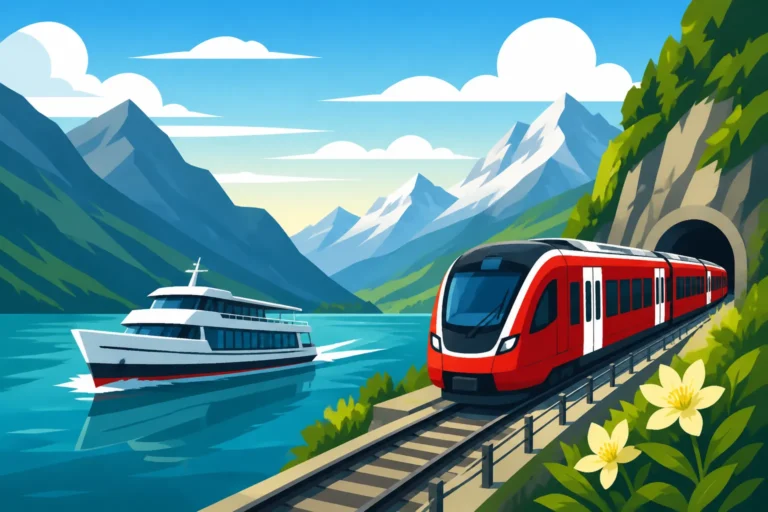
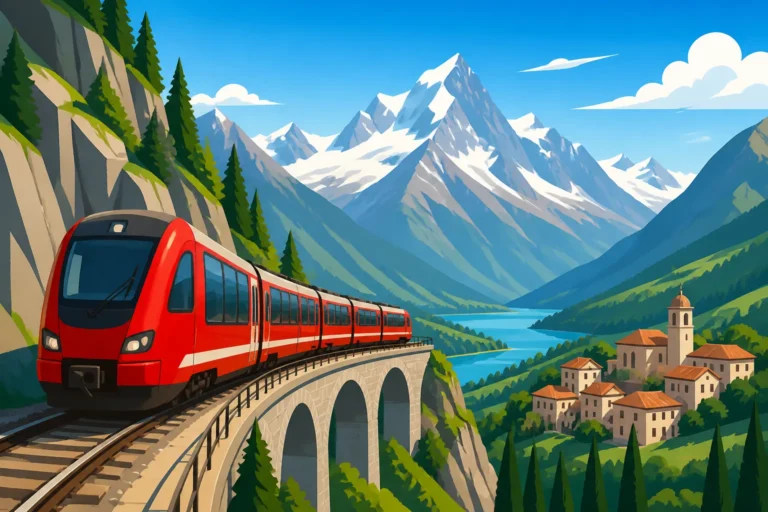
The Swiss public transport system, primarily SBB (Swiss Federal Railways), is legendary for a reason. It's incredibly punctual, comprehensive, and often integrated directly with bus lines, post buses, and even boat services that reach deep into the mountains. For expats, this is often the most sensible and relaxing way to travel.
First things first: get yourself a The Half-Fare Travelcard (Halbtax): The Must-Have Pass for Swiss Residents. Seriously, it's a game-changer. It halves the cost of almost all train, bus, and boat tickets, including many mountain railways. If you plan to make more than a couple of mountain trips a year, it will pay for itself quickly. For those who travel almost daily, say for work, then consider whether a SBB Travelcards: Is the Generalabonnement (GA) Worth the CHF 4000+ Cost? makes sense for you, as it covers everything.
When planning your journey, the SBB Mobile app is your digital best friend. It provides real-time schedules, platform changes, and often even shows you the current capacity of trains. Type in your mountain destination, and it will often map out the entire journey, including the bus connection from the train station to the cable car, or the cogwheel train up the mountain. For example, getting to Grindelwald from Zurich involves a scenic train journey to Interlaken Ost, then a connection directly to Grindelwald Terminal, from which cable cars depart.
Don't be afraid of connections; they are usually seamless, with clear signage. Swiss PostBus (PostAuto) yellow buses are iconic and serve even the most remote villages, often driving incredible scenic routes. Embrace the journey – the views from the train and bus windows are part of the experience.
Mountain Railways and Cable Cars: Your Gateway to Peaks
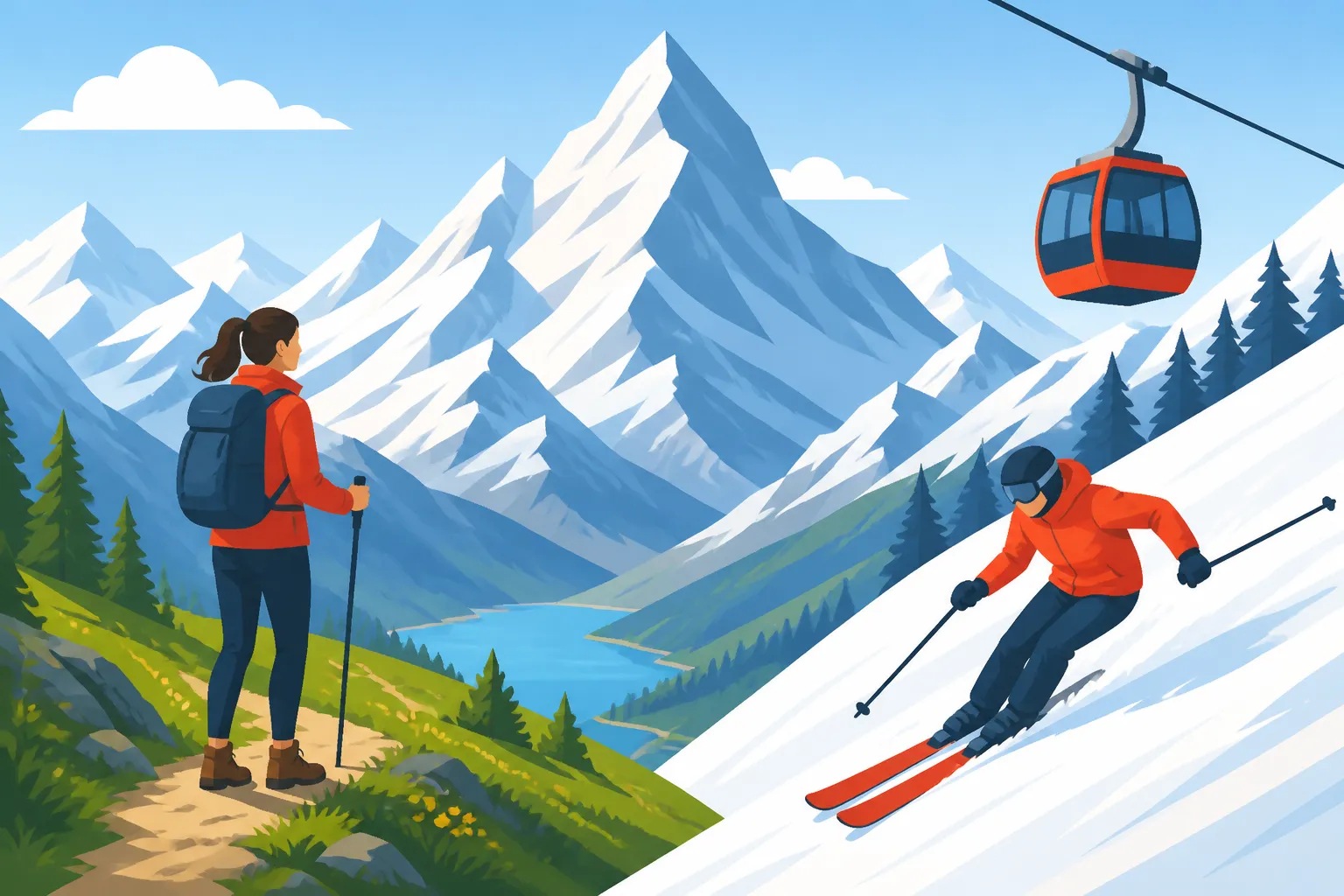
Once you've reached the foot of a mountain, you'll often encounter another layer of Swiss ingenuity: the intricate network of mountain railways (cogwheel trains) and cable cars (gondolas, aerial tramways, chairlifts). These are essential for accessing high-altitude hiking trails, ski slopes, and panoramic viewpoints.
Each mountain area usually has its own local transport company operating these lifts. For instance, the Jungfrau Region has Jungfraubahnen, while Zermatt has Zermatt Bergbahnen. Most of these accept the Half-Fare Card, giving you a 50% discount, but it's always wise to check their specific websites. Children often travel at significantly reduced rates or even free with a Junior Travelcard, which you can purchase for about CHF 30 per year.
Be aware that these mountain transports can be expensive, especially for popular destinations like Jungfraujoch or Gornergrat, where a return ticket can cost upwards of CHF 100-200 without a discount. Always check the weather forecast before you go; there's nothing worse than paying a hefty sum to ascend into a cloud and see nothing! Many mountain stations have webcams on their sites, so you can literally "see before you go." Consider buying passes specific to a region if you plan to stay for several days and use the lifts extensively. For example, the Jungfrau Travel Pass offers unlimited travel on certain lifts and trains in that region for 3-8 days.
Sometimes, especially in summer, you can combine a thrilling ascent by cable car with a beautiful hike back down to a mid-station or even the valley. This breaks up the cost and offers a more immersive experience. Sites like GetYourGuide often offer combined tickets for popular peaks, which can sometimes save you a bit of hassle, if not always money.
Driving in the Alps: When a Car Makes Sense (and When It Doesn't)
While Switzerland's public transport is excellent, there are times when having a car can offer a different kind of flexibility, especially if you're traveling with a lot of gear (like ski equipment for a family) or want to reach truly off-the-beaten-path trailheads.
When a car makes sense:
- Remote trailheads: Some less-popular hiking routes start from villages or parking spots not easily served by public transport.
- Carrying lots of gear: If you're going for a multi-day ski trip with kids and all their equipment, the convenience of loading it into your own car might outweigh the public transport benefits.
- Exploring multiple small villages: For a driving holiday, hopping between charming, lesser-known Alpine villages can be easier by car, especially in areas like the Engadine or Valais.
- Scenic drives: Switzerland boasts some incredible mountain passes (like Furka, Grimsel, Susten) that are spectacular to drive in summer (usually June-October, weather permitting).
- Grocery runs: In smaller mountain villages, car access to larger supermarkets in nearby towns might be useful.
When a car doesn't make sense (or is actively discouraged):
- Car-free resorts: Destinations like Zermatt and Wengen are entirely car-free. You'll have to park your car in a nearby town (Täsch for Zermatt, Lauterbrunnen for Wengen) and take a train the rest of the way, which adds cost and logistics.
- Traffic and parking: Popular areas, especially on sunny weekends, can have heavy traffic and extremely limited, expensive parking.
- Winter driving: Mountain roads in winter can be challenging, requiring winter tires (legally mandatory in specific conditions, but highly recommended everywhere from October-April) and sometimes snow chains. Passes often close entirely.
- Cost: Fuel, parking fees, and the annual Autobahn vignette (mandatory for Swiss highways) add up. You also need to ensure your Buying a Car: Leasing, Autoscout24, and Mandatory Auto Insurance is adequate.
If you do drive, always check road conditions (especially in winter) and plan your route. Google Maps is generally reliable, but local signage for mountain passes can be more accurate.
Hiking in the Swiss Alps: A Complete Guide
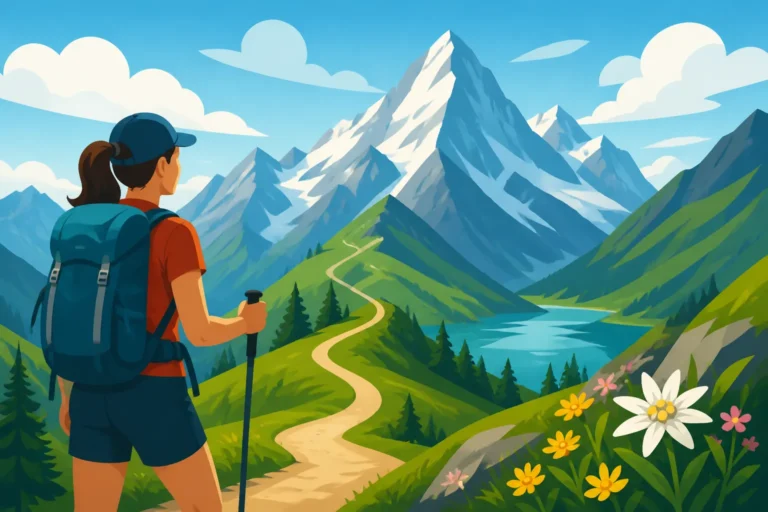
Hiking in the Swiss Alps is truly a transformative experience. Whether you’re a casual stroller or an avid mountaineer, there’s a trail for you. But, like all things Alpine, it requires respect for nature, proper preparation, and a good understanding of the local system. Don't underestimate the mountains; they are stunningly beautiful but can also be unforgiving if you're unprepared.
Choosing Your Trails: From Gentle Strolls to Challenging Treks
Switzerland has a meticulously signposted hiking network covering over 65,000 km, making it incredibly easy to navigate. But knowing what kind of trail you're looking for is the first step. You'll encounter three main types of marked trails:
- Yellow Hiking Trails (Wanderwege): These are the easiest, often wide, well-maintained paths suitable for almost anyone, including families with children or those less experienced. They usually have gentle gradients and pass through meadows, forests, and charming villages. You'll find these near lakes or lower-altitude areas, perfect for a relaxed afternoon. These are great starting points for anyone new to Swiss hiking.
- White-Red-White Mountain Hiking Trails (Bergwanderwege): These are moderate trails, often narrower, steeper, and can involve rocky sections, roots, and uneven terrain. They demand sure-footedness, a good level of fitness, and appropriate hiking boots. You might encounter some exposed sections, but they generally don't require special climbing gear. This is where most casual "Alpine" hiking happens. They lead to stunning viewpoints, mountain lakes, and traditional Alpine huts.
- White-Blue-White Alpine Hiking Trails (Alpinwanderwege): These are serious routes for experienced mountaineers. They are often unpathed, involve scrambling, crossing snowfields (even in summer), and may require ropes, crampons, or other alpine equipment. These are not for the faint of heart or the inexperienced. Only attempt these if you have extensive alpine experience, are properly equipped, and ideally, are with a guide.
My advice for new expats: start with the yellow trails, then gradually progress to white-red-white as your confidence and fitness grow. Websites like SwitzerlandMobility or AllTrails are excellent resources for finding routes, checking difficulty, and downloading maps. Don’t forget to check out Swiss Hiking for Beginners: Trail Grades and the SAC System for a deeper dive into understanding these classifications.
Essential Gear and Safety Considerations for Alpine Hiking
Underestimating the Alps is a common, and potentially dangerous, mistake. Even on a seemingly easy summer hike, weather can change rapidly. Here's what you absolutely need to consider:
- Layers, Layers, Layers: The golden rule of mountain dressing. Even if it's warm at the bottom, it can be cold, windy, or even snowing at the top. Bring a base layer, a fleece or mid-layer, and a waterproof/windproof outer shell.
- Footwear: Sturdy, ankle-supporting hiking boots with good grip are essential for white-red-white trails. For yellow trails, good walking shoes might suffice, but never open-toed sandals or fashion sneakers.
- Navigation: A fully charged phone with offline maps (like SwitzerlandMobility app, Komoot, or AllTrails) is a must. A portable power bank is also a smart idea. While signage is excellent, it's easy to get disoriented in fog or if you wander off-path.
- Water and Snacks: Always carry more water than you think you'll need. High-energy snacks (nuts, dried fruit, chocolate) are crucial. Don't rely solely on mountain restaurants or fountains, as they might be closed or dry.
- Sun Protection: Even on cloudy days, UV radiation is much stronger at altitude. Sunscreen, sunglasses, and a hat are non-negotiable.
- First-Aid Kit: Blister plasters, pain relievers, antiseptic wipes, and any personal medications.
- Emergency Plan: Tell someone your route and expected return time. Know the emergency numbers: 144 for medical emergencies, 112 for general European emergency. Consider getting REGA Membership: Why Expats Need Air Rescue Insurance in the Alps – it's a small annual fee for peace of mind, as air rescue costs can be astronomical.
Popular Hiking Regions and Trails for Expats
There are countless incredible hikes, but a few regions consistently stand out for expats due to their accessibility, varied trails, and sheer beauty:
- Jungfrau Region: This is the big one. From easy strolls around Lake Bachalpsee (accessible via gondola from Grindelwald First) to challenging multi-day treks, it has it all. The Panorama Trail from Männlichen to Kleine Scheidegg offers iconic views of Eiger, Mönch, and Jungfrau without extreme effort.
- Zermatt: While famous for skiing, Zermatt offers some of the most spectacular summer hiking, all with the Matterhorn as your constant companion. The 5 Lakes Walk (5-Seenweg) is a classic, offering multiple reflection shots of the iconic peak.
- Appenzell: For a taste of traditional Switzerland, the Appenzell region is fantastic. The hike from Wasserauen up to Seealpsee and then to the famous Aescher cliff restaurant is a must-do, though it can get crowded.
- Engadine (St. Moritz/Pontresina): Offers a more dramatic, high-alpine experience with stunning glacial lakes and pristine valleys. The Muottas Muragl ridge hike above Pontresina provides incredible panoramic views.
- Stoos (Central Switzerland): Home to the steepest funicular in the world, Stoos offers stunning ridge walks (Stoos Ridge Walk – Gratwanderung Klingenstock) with views over Lake Lucerne. It's an accessible and hugely rewarding day trip.
Remember, the best hike is the one you enjoy safely. Don't push your limits, and always listen to your body and the mountains.
Skiing and Snow Sports: Embracing the Swiss Winter
Winter in Switzerland is synonymous with skiing and snowboarding, and for good reason. The Alps transform into a powdery paradise, and the Swiss infrastructure ensures world-class access to breathtaking slopes. For many expats, this is the season they fall in love with Switzerland all over again.
Deciphering Swiss Ski Resorts: Beginner to Expert
Switzerland boasts over 200 ski resorts, ranging from small, family-friendly hills to vast, interconnected domains with hundreds of kilometers of pistes. This abundance can be overwhelming, but understanding the general categories can help you choose:
- Beginner-Friendly Resorts: Look for resorts with dedicated "magic carpet" areas for kids and absolute beginners, gentle blue slopes, and good ski school options. Often, smaller, lower-altitude resorts or specific areas within larger resorts are ideal. Examples include Melchsee-Frutt in Central Switzerland, Sattel-Hochstuckli for its "family fun" vibe, or even specific beginner zones in larger resorts like Flumserberg.
- Intermediate Skiers: Most Swiss resorts offer plenty of red (intermediate) runs, which make up the bulk of the terrain. Resorts like Lenzerheide-Arosa, Flims-Laax, or Verbier (the 4 Vallées area) offer diverse red runs, wide pistes, and good connections.
- Advanced and Expert Skiers: If you're looking for challenges, resorts with plenty of black runs, ungroomed freeride areas, and demanding off-piste opportunities are your playground. Verbier, Zermatt, and Engelberg (especially for freeride on Titlis) are famous for their steep terrain and deep snow. Always respect avalanche warnings and consider a guide for off-piste.
Remember that Swiss piste ratings (blue, red, black) are often considered a notch harder than their counterparts in North America. A Swiss "red" might feel like a "black" to someone used to US resorts. It's always best to start a bit easier and work your way up.
Equipment, Lessons, and Lift Passes: Budgeting for Winter Fun
Skiing in Switzerland can be an expensive hobby, but smart planning can make it more accessible.
- Equipment:
- Renting: For beginners or infrequent skiers, renting is often the best option. You can rent directly at most resorts (e.g., Intersport shops), often online in advance for a discount, or from sports shops in larger towns. Prices vary but expect around CHF 50-80 per day for a full set (skis, boots, poles, helmet). Consider multi-day rentals for better value.
- Buying: If you plan to ski frequently, buying your own gear will eventually save you money. Look for end-of-season sales (March/April) or second-hand markets (Brockis or online platforms like Tutti.ch).
- Lessons: Essential for beginners and helpful for improving technique. Group lessons are more affordable (around CHF 80-120 per day) than private lessons (CHF 400+ for a half-day). Most ski schools offer multi-day packages. Don't be shy about booking lessons; they make the experience much safer and more enjoyable. Check out Skiing for Beginners in Switzerland: Lessons, Gear, and Resorts for more detailed advice.
- Lift Passes: This is where costs add up fastest.
- Daily Passes: Expect to pay CHF 60-90 for a full-day pass at a medium-sized resort.
- Multi-Day Passes: Better value if you're staying for a weekend or longer.
- Seasonal Passes: For frequent skiers, a seasonal pass for your local mountain or a regional pass like the Magic Pass (which covers many resorts in French-speaking Switzerland and parts of German-speaking Switzerland) can be a huge saver. Keep an eye out for early bird deals in autumn.
- Dynamic Pricing: Many resorts use dynamic pricing, meaning prices are cheaper if you book well in advance online and often more expensive at the ticket counter on a sunny Saturday. Use this to your advantage!
- Omio can sometimes bundle train tickets with lift passes for certain destinations, making booking a bit smoother for day trips.
Beyond Skiing: Snowboarding, Sledding, and Winter Hiking
While skiing dominates, the Swiss Alps offer a plethora of other winter activities:
- Snowboarding: Most ski resorts are equally welcoming to snowboarders, with terrain parks, half-pipes, and designated freeride areas.
- Sledding (Schlitteln/Luge): This is hugely popular with families and adults alike. Many resorts have dedicated sledding runs, some several kilometers long, often accessible by a specific gondola or chairlift. Some even offer night sledding, which is an exhilarating experience.
- Winter Hiking (Winterwanderwege): Resorts and mountain areas groom specific paths for winter hikers. These are usually wide, flat, and don't require snowshoes, just good winter boots. It's a fantastic way to enjoy the tranquil snowy landscape without the speed and gear of skiing.
- Snowshoeing (Schneeschuhwandern): For those who want to venture off the groomed paths, snowshoeing allows you to explore deeper into silent, untouched winter landscapes. You can rent snowshoes at most sports shops or resorts and either follow marked trails or join a guided tour.
- Cross-Country Skiing (Langlauf): A beautiful, endurance-focused sport, cross-country skiing is popular in flatter Alpine valleys. Resorts like Engelberg, Davos, and Lenzerheide have extensive cross-country trail networks.
- Ice Skating: Many mountain villages and towns set up outdoor ice rinks in winter, offering a classic winter pastime.
Remember that even for non-skiing activities, warm, waterproof clothing, good gloves, a hat, and sturdy winter boots are essential. The mountains in winter are cold!
Living and Staying in the Mountains
For many expats, the Swiss Alps are a destination for day trips or weekend escapes. But for some, the dream extends to actually living in a mountain village, or at least staying for an extended period. Understanding the realities of Alpine accommodation and local life is key.
Accommodation Options: From Mountain Huts to Luxury Chalets
When planning your mountain adventures, you'll find a wide range of accommodation to suit every budget and style.
- Mountain Huts (SAC Hütten/Refuges): Operated by the Swiss Alpine Club (SAC) or similar organizations, these rustic huts are nestled high in the mountains, often only accessible by several hours of hiking. They offer basic dormitory-style accommodation, simple meals (breakfast, dinner), and a truly authentic alpine experience. They're popular for multi-day treks. Booking.com won't help you here; you usually book directly through the SAC website or the individual hut's page. Be prepared for shared facilities, no internet, and the requirement to bring your own sleeping bag liner.
- Hotels & Guesthouses: From charming, traditional guesthouses (Gasthäuser) in village centers to luxurious 5-star hotels in St. Moritz or Zermatt, hotels offer varying levels of comfort. You can often find great deals in the shoulder seasons (late spring, late autumn) or by booking well in advance. Booking.com is an excellent resource for comparing prices and options.
- Holiday Apartments & Chalets: For families or groups, self-catering apartments (Ferienwohnung) or entire chalets can be a more economical and flexible option, especially for longer stays. They often come with kitchens, allowing you to save money on dining out. Sites like Booking.com or local tourism office websites are good for finding these.
- Hostels: In larger mountain towns like Interlaken or Zermatt, hostels offer budget-friendly dormitory beds or private rooms, popular with younger travelers or those on a tight budget.
- Camping: In summer, many valleys offer organized campsites, which are the most budget-friendly option. Wild camping is generally prohibited or heavily restricted, especially above the tree line or in nature reserves, so always check local regulations.
No matter where you stay, book ahead, especially during peak season (July-August and December-March). Popular places fill up fast!
Practicalities: Food, Supplies, and Emergency Services in Remote Areas
Life in the mountains, especially in smaller villages, comes with its own set of practical considerations that differ from city living.
- Food and Supplies:
- Grocery Stores: Most larger mountain villages will have at least a small Coop or Migros, but selection might be limited and prices can be higher than in cities. Stocking up on essentials in a larger town before heading deep into the mountains is a smart move, especially if you're self-catering.
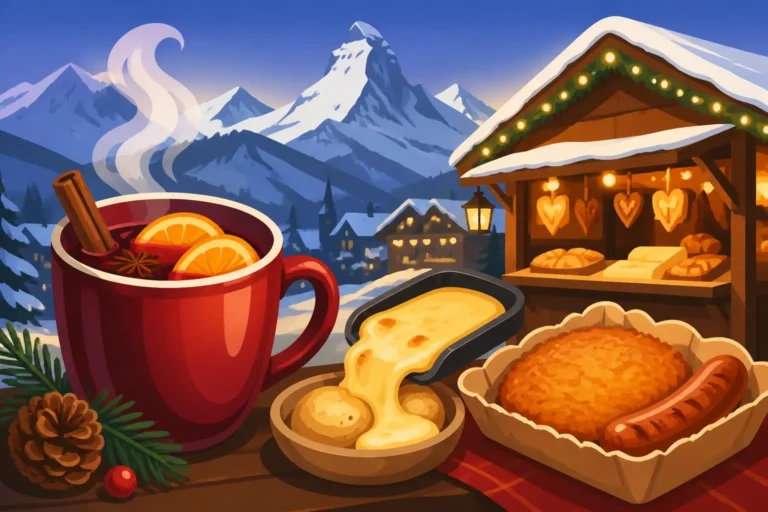
- Restaurants: You'll find everything from cozy family-run restaurants serving traditional Swiss fare (think fondue, raclette, Rösti) to gourmet establishments. Dining out in mountain resorts is generally expensive, so factor this into your budget.
- Water: The tap water in Switzerland is generally safe and delicious, even in most mountain villages. You'll also find plenty of public fountains. Carrying a reusable water bottle is a must.
- Emergency Services:
- Medical: Larger resorts and towns will have medical centers or doctors' offices, but for serious emergencies, you'll be transported to a regional hospital. Know the emergency numbers: 144 for ambulance.
- Mountain Rescue (REGA): This is crucial. REGA is Switzerland's air rescue service. While basic health insurance (KVG) covers some costs, having REGA Membership: Why Expats Need Air Rescue Insurance in the Alps is highly recommended. For a small annual fee, you become a patron, and REGA waives the remaining costs not covered by insurance for search, rescue, and air ambulance services. This is invaluable peace of mind when exploring the Alps.
- Pharmacies: Even small villages usually have a pharmacy (Apotheke), but hours might be limited. For after-hours needs, there's usually an emergency pharmacy rotation, which will be posted on the door.
- Mobile Phone Coverage: While generally good, especially in valleys and near resorts, you will encounter dead zones, particularly on remote hiking trails or in deep valleys. Don't rely solely on your phone for navigation or emergencies.
Respecting the Alpine Environment and Local Culture
The Swiss Alps are a precious natural and cultural heritage. As visitors or temporary residents, it's our responsibility to respect them.
- Leave No Trace: Pack out everything you pack in. Dispose of waste properly in designated bins. This means wrappers, fruit peels, tissues – everything.
- Stay on Marked Trails: This protects fragile flora and fauna, prevents erosion, and keeps you safe from hazards like rockfalls or unmarked dangers.
- Respect Wildlife: Observe animals from a distance. Do not feed them.
- Quiet Hours: Even in the mountains, Swiss quiet hours apply, especially in residential areas or near chalets. Sundays are traditionally quiet days.
- Farming Culture: Many Alpine areas are still actively farmed. Respect pastures, farm animals, and fences. Close gates behind you. If you encounter cows with bells, walk calmly around them; do not disturb them.
- Local Customs: A friendly "Grüezi" (Swiss German) or "Bonjour" (French) goes a long way. In smaller, more traditional villages, observe local customs and traditions. A smile and an attempt at local language will always be appreciated.
- Weather: Always check the Weather and Geography: Föhn Winds, Winter Readiness, and Alpine Living before heading out. The mountains are beautiful, but they demand respect for their power.
Budgeting for Your Alpine Adventures
Let's be real, Switzerland is famously expensive, and the Alps are no exception. From lift tickets to mountain meals, costs can add up quickly. But with a bit of savvy planning, you can absolutely enjoy the magic without completely emptying your wallet.
Cost of Transport: Maximizing Your Passes
Transportation is often one of the biggest costs, especially if you're not within walking distance of the slopes or trails.
- SBB Passes are Your Saviors: As mentioned, the Half-Fare Card is almost non-negotiable for expats who plan any regular mountain excursions. It will cut your train, bus, and many mountain railway costs by 50%. If you're really hardcore, a GA Travelcard offers unlimited travel, but the upfront cost is substantial.
- Saver Day Passes (Spartageskarte): These can offer significant discounts on train travel across Switzerland, but you must buy them well in advance, and they're limited in quantity. Keep an eye on the SBB website; they're perfect for planned day trips.
- Regional Passes: If you're staying in a specific region for several days, look into local passes. For example, the Jungfrau Travel Pass, the Regional Pass Bernese Oberland, or the Graubünden Pass offer unlimited travel on many trains, buses, and lifts within their respective areas for a set number of days. They can be excellent value if you plan extensive exploration.
- Ski Passes: As discussed, seasonal passes (like the Magic Pass) or dynamic pricing for daily passes can save you a bundle. Always compare day pass prices with multi-day or regional offerings.
Consider the "value" of public transport beyond just the price: it's stress-free, often incredibly scenic, and environmentally friendly. For specific examples on how to save, check out Budget Travel in Switzerland: Seeing the Country Without Overspending.
Hidden Costs: Insurance, Gear Rental, and Mountain Meals
Beyond the obvious transport and lift tickets, several "hidden" costs can sneak up on you.
- Insurance: This isn't really a "hidden" cost, but it's often overlooked in terms of its potential impact. While you're required to have basic Swiss health insurance, remember the recommendation for REGA Membership: Why Expats Need Air Rescue Insurance in the Alps. A mountain rescue operation can easily run into five figures, and REGA patronage ensures you won't be left with a crippling bill after your basic insurance contribution.
- Gear Rental: If you don't own your own equipment for hiking (e.g., proper boots, poles) or skiing (skis, boots, helmets), rental costs add up. While hiking gear can often be borrowed or purchased cheaply second-hand, ski/snowboard rentals are a recurring expense. Factor in around CHF 50-80 per day per person for ski/snowboard equipment.
- Mountain Meals and Drinks: Dining at a mountain restaurant (Bergrestaurant) or a hut is part of the experience, but be prepared for "mountain prices." A main dish can easily cost CHF 25-40, and even a coffee or a soft drink will be more expensive than in the valley. Pack your own snacks and drinks whenever possible to save money. A packed lunch (or Znüni) of bread, cheese, and fruit is a Swiss tradition and a budget-friendly way to fuel your adventures.
- Parking: If you choose to drive, parking fees in mountain towns and at trailheads can be steep, ranging from CHF 5-20 per day.
Finding Deals and Saving Money on Alpine Experiences
Living in Switzerland doesn't have to mean breaking the bank to enjoy the Alps. Here are a few expat-tested tips:
- Go in Shoulder Season: As mentioned, spring and autumn offer incredible beauty with fewer crowds and often lower prices for accommodation and some activities.
- Pack Your Own Food: This is the single biggest money-saver. Bring sandwiches, drinks, and snacks from a Coop or Migros in the valley. A thermos of hot tea in winter is a lifesaver.
- Look for Combo Deals: Sometimes, resorts offer packages that include a lift ticket, a meal, or even equipment rental at a slightly reduced price. Check local tourism websites.
- Utilize Free Activities: Hiking and sledding (if you have your own sled, or can rent cheaply) can be very low-cost activities. Many resorts have free playgrounds for kids or specific free areas.
- Stay in Hostels or Self-Catered Apartments: These are generally more budget-friendly than hotels, especially for groups.
- Check Local Cantonal Promotions: Sometimes cantons offer specific discounts for residents or during certain events. Keep an eye on local Gemeinde (municipality) newsletters or tourism websites.
- Second-Hand Gear: For ski boots (if you know your size) or hiking backpacks, check out local Brockis (thrift stores) or online marketplaces like Tutti.ch or Ricardo.ch. You can often find excellent quality items for a fraction of the new price.
- Volunteer: Some mountain organizations (like the SAC) occasionally look for volunteers at huts, which can offer unique, low-cost stays.
Remember, even small savings add up, allowing you more opportunities to explore. While the overall Cost of Living in Switzerland 2026: Budgeting for Singles and Families is high, thoughtful planning helps.
Regional Highlights: Popular Alpine Destinations for Expats
While all the Swiss Alps are breathtaking, certain regions and destinations consistently draw expats for their iconic status, accessibility, and sheer variety of experiences. Let's dive into a few of the perennial favorites.
The Jungfrau Region: Iconic Peaks and Family Fun
The Jungfrau Region, nestled in the Bernese Oberland, is perhaps the most famous and photographed part of the Swiss Alps. Dominated by the trio of the Eiger, Mönch, and Jungfrau peaks, it's a UNESCO World Heritage site and an absolute must-visit for any expat.
- Why it's popular: Its sheer grandeur is unparalleled, with towering peaks, dramatic valleys (like Lauterbrunnen, known as the "Valley of 72 Waterfalls"), and charming villages like Grindelwald, Wengen, and Mürren. The infrastructure is incredibly well-developed, offering easy access to high-altitude experiences even for those with limited mobility.
- Summer Highlights:
- Jungfraujoch – Top of Europe: This is the highest railway station in Europe. It's expensive, but the views of the Aletsch Glacier (Europe's longest) and the surrounding peaks are unforgettable. Book in advance, and check the webcams before you go!
- Grindelwald First: Accessible by gondola, this area offers the First Cliff Walk, a thrilling suspension bridge, and activities like First Glider, Mountain Cart, and Trottibike scooters, making it a hit with families.
- Hiking: Countless trails, from the Panorama Trail (Männlichen to Kleine Scheidegg) with its iconic Eiger views, to the idyllic Bachalpsee hike, are waiting.
- Winter Highlights:
- Skiing: A vast interconnected ski area covering Grindelwald, Wengen, and Mürren, offering diverse pistes for all levels.
- Sledding: Several long, exhilarating sled runs, some accessible by train, including the famous Eiger Run.
- Winter Hiking: Beautifully groomed trails winding through snowy landscapes, like the one from Kleine Scheidegg to Wengen.
- Practical Tips: This region can be very crowded, especially in summer and peak ski season. Book accommodation and Jungfraujoch tickets well in advance. The Half-Fare Travelcard is essential for making transport more affordable. Consider the Jungfrau Travel Pass if you plan multiple lift and train rides over several days.
Zermatt and the Matterhorn: A Car-Free Alpine Icon
Zermatt is instantly recognizable by the majestic Matterhorn, which looms over the village in truly spectacular fashion. This car-free resort town in Valais offers a unique blend of traditional charm and high-end tourism, making it a perennial favorite.
- Why it's popular: The Matterhorn, of course! But beyond the iconic peak, Zermatt offers an incredibly picturesque village, pristine air (due to its car-free status), world-class skiing, and superb hiking. The feeling of being completely surrounded by 4,000-meter peaks is truly special. For a deeper dive, read our guide on Exploring Zermatt: Car-Free Living Under the Matterhorn.
- Summer Highlights:
- Gornergrat Railway: A historic cogwheel train offering breathtaking panoramic views of the Matterhorn and 28 other 4,000-meter peaks, culminating in a viewpoint directly opposite the Matterhorn.
- 5 Lakes Walk (5-Seenweg): A moderate hike offering incredible Matterhorn reflections in several pristine mountain lakes.
- Matterhorn Glacier Paradise: Europe's highest cable car station, offering year-round snow, an ice palace, and panoramic views stretching to France and Italy.
- Winter Highlights:
- Skiing: Zermatt boasts one of the largest and highest ski areas in the world, with slopes extending into Italy, offering guaranteed snow and varied terrain.
- Sledding & Winter Hiking: Numerous prepared winter hiking trails and sled runs, all with the Matterhorn as your backdrop.
- Practical Tips: Zermatt is expensive, but worth it. You must park your car in Täsch and take a shuttle train (or taxi) to Zermatt. Book accommodation, especially during peak season, far in advance. Even with a Half-Fare Card, the mountain railways are pricey, so plan your ascents strategically. Look into specific Zermatt ski passes if you're staying for several days of skiing.
Engadine Valley: St. Moritz, Glamour, and Untamed Nature
The Engadine Valley in Graubünden offers a different, more exclusive, and often wilder Alpine experience. From the glitz and glamour of St. Moritz to the tranquil beauty of its pristine lakes and vast national park, it's a region of striking contrasts.
- Why it's popular: The Engadine is known for its "champagne climate" (over 300 sunny days a year), its unique culture (including the Romansh language), and its vast, unspoiled landscapes. St. Moritz is a world-famous luxury resort, but the valley also offers charming traditional villages like Pontresina, Silvaplana, and Sils Maria, which cater to nature lovers and outdoor enthusiasts.
- Summer Highlights:
- Hiking: Endless trails, from easy lakeside strolls around Lake St. Moritz or Lake Sils to challenging high-alpine treks in the Bernina massif. The Muottas Muragl panorama trail is a classic.
- Watersports: The Engadine lakes are famous for windsurfing, kitesurfing, and sailing, thanks to the reliable "Maloja wind."
- Swiss National Park: Switzerland's only national park offers untouched wilderness and strict rules, perfect for wildlife spotting and experiencing nature in its purest form.
- Winter Highlights:
- Skiing: St. Moritz's Corviglia, Corvatsch, and Diavolezza areas offer diverse, high-altitude skiing with spectacular views.
- Cross-Country Skiing: The Engadine Valley has some of the best cross-country trails in Switzerland, including the famous Engadin Skimarathon route.
- Winter Hiking & Snowshoeing: Vast networks of groomed trails and marked snowshoe routes through pristine forests and along frozen lakes.
- Practical Tips: The Engadine is more spread out than the Jungfrau or Zermatt, so public transport (including buses and trains, often free for hotel guests with specific passes) is important. St. Moritz can be very expensive, but more affordable accommodation can be found in nearby villages like Pontresina or Samedan. Don't miss trying a local Engadine Nusstorte (nut cake)!
Each of these regions, and indeed many others across the Swiss Alps, offers a unique window into the natural splendor and outdoor lifestyle that makes Switzerland so special. Embrace the planning, respect the mountains, and you'll create memories that last a lifetime.
Integrating into Alpine Life and Community
Beyond the scenery and activities, truly embracing the Swiss Alps as an expat also involves understanding and engaging with the local culture. Mountain communities, while often welcoming to tourists, have their own distinct rhythms and traditions that differ from the bustling cities in the lowlands.
Language and Local Dialects in Mountain Regions
This can be a delightful, albeit sometimes challenging, aspect of Alpine immersion. While standard German, French, or Italian (depending on the region) are officially spoken and understood, local dialects are often fiercely proud and can sound quite different from what you learn in language school.
- Swiss German (Schwiizertüütsch): In the German-speaking Alps (Bernese Oberland, Graubünden, Central Switzerland), Swiss German dialects are predominant. These vary significantly from canton to canton, and even valley to valley. For instance, the dialect in Valais (Walliserdeutsch) is notoriously distinct. Don't be surprised if your carefully learned High German lessons only get you so far initially.
- French: In the French-speaking Alps (Valais, Vaud), standard French is generally spoken, but you'll still encounter regional accents and expressions.
- Italian: In Ticino and parts of Graubünden, Italian is the primary language, again with local nuances.
- Romansh: Uniquely in Graubünden, Romansh is spoken by a small population and is one of Switzerland's four national languages.
How to approach it as an expat:
- Learn the basics of the local official language: "Grüezi," "Merci," "Ciao," and essential phrases will always be appreciated.
- Don't be afraid to ask: Most Swiss are polite and will switch to High German, standard French/Italian, or even English if they sense you're struggling.
- Embrace the differences: View the dialects as part of the rich cultural tapestry. You might even pick up a few local words over time!
- For deeper insights, check out Language Skills for the Workplace: German, French, and English Demands for general Swiss language advice, which applies to mountain regions too.
Joining Local Clubs and "Vereine": A Gateway to Connection
One of the best ways to integrate into any Swiss community, especially in smaller mountain villages where expat bubbles are less common, is through local clubs, or "Vereine." The Swiss love their clubs, and there's one for almost every interest imaginable.
- Sports Clubs: Ski clubs, hiking clubs, climbing clubs, cycling clubs – these are fantastic ways to meet like-minded locals who share your passion for the outdoors. You'll not only get to explore amazing places with experienced guides but also build genuine friendships.
- Cultural & Traditional Clubs: From local music associations (Harmonie, Jodlerclub) to shooting clubs, these offer a glimpse into traditional Swiss life and are often at the heart of village events.
- Volunteer Groups: Many communities have volunteer groups focused on local conservation, trail maintenance, or community events. Giving back is a great way to feel connected.
How to find them: Check local Gemeinde (municipality) websites, bulletin boards in village centers, or simply ask at the local post office or tourist information center. Don't be shy; while initial approaches might be formal, the Swiss are often very warm once you've made the effort to join. These clubs are where real connections are forged, and where you'll get insider tips on the best local trails, events, and hidden gems.
Overcoming Isolation: Building a Social Life in Rural Areas
Moving to a bustling city as an expat can be challenging enough for building a social life, but moving to a smaller mountain village can sometimes feel even more isolating. The pace of life is slower, communities are often close-knit, and there might be fewer "fellow expats" to instantly connect with.
- Be Proactive: Don't wait for invitations; actively seek out opportunities. Join those clubs! Attend local festivals, markets, and village events. Even just going to the local bakery or café regularly can start conversations.
- Learn the Language: This cannot be stressed enough. Even a basic ability to communicate in the local language (dialect or standard) will open doors and help you understand the nuances of social interaction.
- Patience is Key: Swiss friendships, especially in rural areas, tend to build slowly. Don't expect instant best friends. Consistency, reliability, and genuine interest in local life will eventually pay off.
- Manage Expectations: Understand that the social scene in a mountain village might not be as dynamic as in Zurich or Geneva. Embrace the quieter moments, the connection to nature, and the strong community bonds that are often found there.
- Maintain City Connections: Don't neglect your friends and networks in larger towns if you've moved from one. Regular visits can offer a balance.
- Online Expat Groups: While fewer in deep mountain regions, there are still Switzerland-wide expat groups where you can connect, ask questions, and sometimes find meetups.
Living in the Alps is a privilege and a unique lifestyle choice. By understanding the cultural landscape as much as the physical one, you can truly integrate and make the Swiss mountains your home, not just your playground.
Disclaimer
The information provided in this guide is intended for general informational purposes only and does not constitute professional advice. While we strive to ensure accuracy, details such as prices, schedules, regulations, and availability of services can change rapidly in Switzerland. We recommend cross-referencing information with official sources, such as SBB, cantonal tourism boards, or specific service providers, before making any travel or financial decisions. Mountain activities carry inherent risks; always assess your own capabilities, check weather conditions, and ensure you have appropriate insurance and safety equipment. The author and publisher assume no responsibility for any loss or damage incurred as a result of relying on the information presented herein.