E-Bike Categories in Switzerland: Helmets, Plates, and Speed Limits
Ah, the trusty e-bike! When you first arrive in Switzerland, you might think it’s just a bicycle with a bit of extra oomph. But trust me, that little boost can come with a surprisingly complex set of rules and regulations, especially concerning helmets, license plates, and speed limits. It’s not as straightforward as it seems, and missteps can lead to unexpected fines or even bigger headaches. This guide will cut through the Swiss legal jargon and help you understand the different e-bike categories, what's required for each, and how to safely and legally enjoy your ride, whether you're commuting through Zurich or exploring the lakeside paths of Geneva.
The Basics of E-Bike Classification in Switzerland
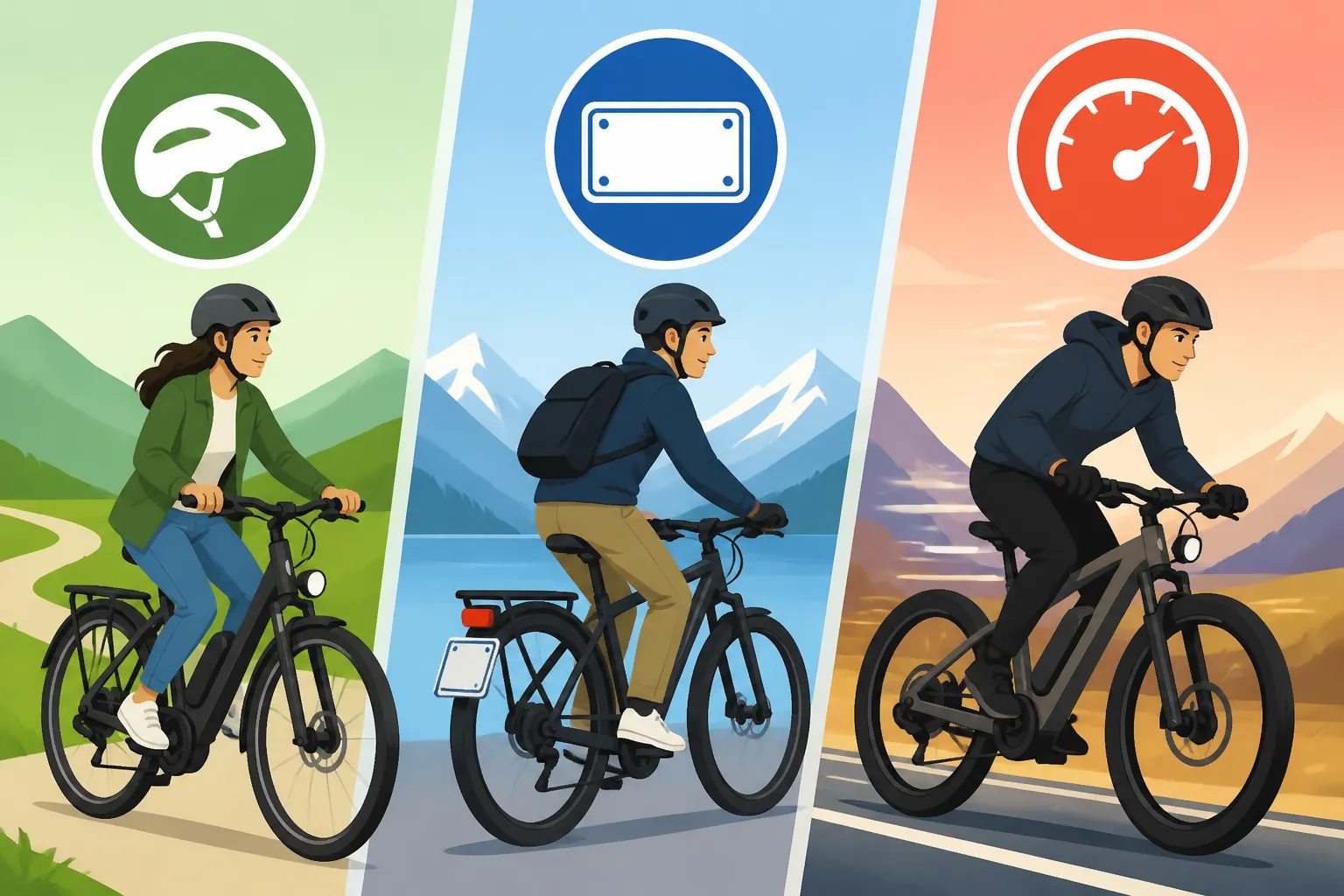
Switzerland has a very clear, and often strictly enforced, system for classifying e-bikes, and understanding it is absolutely paramount for anyone looking to use one. It's not just a matter of how fast it goes; these classifications dictate whether you need a helmet, a special license plate, or even a driving license. The key distinction lies in the maximum speed at which the motor provides assistance and its power output. Ignore these categories at your peril, as Swiss authorities are not shy about handing out fines for non-compliance.
Light E-Bikes Elektrovelos or E-Bikes up to 25 km/h
These are what most people picture when they think of an e-bike, and they are by far the most common type you’ll see zipping around Swiss cities and towns. Officially known as "Elektrovelos" or sometimes just "E-Bikes," their defining characteristic is that the electric motor assistance cuts off as soon as you reach a speed of 25 km/h. Beyond that, you're relying purely on your own pedal power. The motor's continuous rated power typically doesn't exceed 500 watts.
For adults (those aged 16 and over), the rules for light e-bikes are blessedly similar to those for traditional bicycles. You don't need a license plate, nor do you require a driving license of any kind. A helmet, while not legally mandatory for adults, is highly recommended. Seriously, please wear one. The roads can be unpredictable, and that extra bit of speed can lead to bigger tumbles than on a regular pushbike. If you’re under 16, a helmet is actually mandatory. These e-bikes are fantastic for daily commutes, leisurely rides along the lake, or even tackling some of those charming, yet deceptively steep, Swiss hills without breaking too much of a sweat. They integrate seamlessly with the existing Cycling Infrastructure in Swiss Cities: Bike Lanes and E-Bike Rules, making them a popular choice for many expats.
Fast E-Bikes Schnelle E-Bikes, S-Pedelecs, or E-Motorräder up to 45 km/h
Now, this is where things get a bit more serious and often catch newcomers off guard. These powerful machines go by several names: "schnelle E-Bikes," "S-Pedelecs," or even "E-Motorräder" (electric motorcycles) in some contexts. The critical difference is their motor assistance. It doesn't cut out until you hit a whopping 45 km/h, and their motor power can be significantly higher, often up to 1000 watts. Because of their speed and power, the Swiss government classifies them much closer to mopeds or light motorcycles, and the legal implications are substantial.
If you opt for a fast e-bike, you must wear an approved helmet, specifically one conforming to ECE R 22.05/22.06 standards (the kind used for motorcycles) or a dedicated S-Pedelec helmet. This is non-negotiable. Furthermore, your fast e-bike needs a yellow moped license plate and an annual insurance vignette, just like a small motorcycle or scooter. This means registration with your cantonal Road Traffic Office (Strassenverkehrsamt) is essential. And yes, you absolutely need a driving license. A Category M (moped) license is the minimum, but don't fret too much – if you hold a car driving license (Category B), you're automatically covered. The minimum age to ride one is 14, provided you have the appropriate license. These e-bikes are often chosen for longer commutes, especially where you want to keep up with urban traffic, but they come with significant responsibilities that mirror those of other motorized vehicles. For a deeper dive into vehicle licenses, you might find our guide on Driving in Switzerland: Licenses, Buying Cars, and Strict Traffic Laws helpful.
Navigating the Mandatory Requirements: Plates, Helmets, and Licenses
The administrative hurdles for fast e-bikes can feel a bit like a mini-relocation project in themselves, but they're absolutely necessary. Many expats arrive here, buy a snazzy S-Pedelec, and then get hit with a stern lecture and a fine because they didn't realize it needed the same registration as a Vespa. It’s a classic Swiss trap for the unwary! This strictness is all about safety and ensuring that faster vehicles are properly identified and insured, fitting into the country's highly regulated traffic system.
Registering Your Fast E-Bike and the Annual Vignette
Getting that little yellow plate for your fast e-bike is your first big step. You'll need to visit your cantonal Road Traffic Office (Strassenverkehrsamt). This is the same place where people register cars and motorcycles, so be prepared for a similar level of bureaucracy.
Here's a breakdown of what you'll typically need to bring:
- Proof of Purchase: Your original invoice or receipt from where you bought the e-bike.
- Certificate of Conformity (CoC): This is a crucial document that proves your e-bike meets Swiss and EU standards. Reputable dealers will provide this. If you buy privately or from abroad, ensure you get it.
- Personal ID and Residence Permit: Your passport or ID card, and your Swiss residence permit (B, C, L permit).
- Driving License: To prove you're legally allowed to operate such a vehicle.
Once registered, you’ll receive the yellow plate and an annual insurance vignette, which covers your mandatory liability insurance. This vignette usually needs to be renewed annually by May 31st (or sometimes March 1st, depending on the canton), and the cost is typically in the range of CHF 60-80 per year. For newcomers, understanding all the various administrative steps after moving can be overwhelming. Services like Sirelo, which focuses on relocation, can sometimes offer resources or guidance on administrative tasks like vehicle registration, though specific e-bike registration is usually a local cantonal process. Remember, riding without this plate and vignette is akin to driving an uninsured, unregistered moped and carries significant penalties. This annual cost is another one of those regular expenses, much like what you'd find detailed in an article about Annual Car Costs in Switzerland: Insurance, Tax, and Servicing, highlighting how these 'bike-like' vehicles share more in common with cars than with pedal bikes.
Helmet Types and Safety Gear Considerations
The rules on helmets are probably one of the most visible differences between light and fast e-bikes.
- For Fast E-Bikes (45 km/h): A helmet is mandatory. It must meet the ECE R 22.05 or ECE R 22.06 standard, which are the same safety standards for motorcycle helmets. There are also specific "S-Pedelec helmets" on the market that look more like cycling helmets but offer enhanced protection and meet these certification requirements. Do not compromise on this; a standard cycling helmet is not sufficient or legal for a fast e-bike. The police will check.
- For Light E-Bikes (25 km/h): While not legally required for adults (16+), a helmet is highly recommended. Even at 25 km/h, an unexpected fall can lead to serious head injuries. Many Swiss riders, even on light e-bikes, opt to wear a helmet as a matter of course. For those under 16, it is mandatory.
Beyond helmets, visibility is key. Especially if you're commuting in urban areas, good lights (front and rear) are essential, even during the day. Reflective clothing or accessories can also significantly increase your safety, particularly during the darker winter months or in less-lit areas. It might feel like overkill sometimes, especially if you come from a country with laxer cycling laws, but Swiss roads demand a high level of caution and adherence to safety protocols.
Driving Licenses and Age Restrictions
The driving license requirement for fast e-bikes is another element that makes them distinct from regular bicycles.
- For Fast E-Bikes (45 km/h): You need at least a Category M driving license (for mopeds). However, if you possess a Category B (car) license, you're automatically covered for S-Pedelecs. This is usually the case for most expats who drive. If you're a new arrival and planning to use a fast e-bike, ensure your foreign driving license is valid here, or that you've started the process of Converting Your Foreign Driver's License to a Swiss Fahrausweis.
- Minimum Age: You must be at least 14 years old to operate a fast e-bike, and between 14-16, you specifically need the Category M license. From 16 onwards, the Category M or B license suffices.
- For Light E-Bikes (25 km/h): No driving license is required at any age. The minimum age to ride one unchaperoned is generally 16, though younger riders can use them with adult supervision.
The stringent rules here reflect the Swiss view of road safety – if it's motorized and can go fast, it needs proper authorization and qualified riders. It's a system designed for order and accident prevention, and as frustrating as it might seem to jump through these hoops, it's part of living here.
E-Bike Insurance and Road Rules You Can't Ignore
Once you've got your head around the categorization and mandatory gear, the next crucial step is understanding how e-bikes fit into the broader traffic landscape, especially concerning insurance and where you can actually ride. It's not just about what you have to do, but what you can and cannot do on the roads.
Liability Insurance for E-Bikes
Insurance might not be the most exciting topic, but it's critically important in Switzerland, where accidents can lead to significant financial consequences.
- Fast E-Bikes (45 km/h): As mentioned, the annual yellow license plate and vignette includes the mandatory third-party liability insurance. This is a huge relief, as it means you don't need to shop around for a separate policy. This insurance covers damages you might cause to other people or property while riding your fast e-bike. Imagine accidentally dinging a parked car or causing a collision with another cyclist – this insurance is your safety net.
- Light E-Bikes (25 km/h): For these less powerful e-bikes, the liability coverage is typically included in your Private Liability Insurance (Privathaftpflicht): Why Expats Need It. This is one of those "must-have" insurances in Switzerland that pretty much every expat needs from day one. Make sure your policy explicitly states coverage for bicycles, and ideally, e-bikes. If you're unsure, check with your insurance provider. It's a small detail that can save you thousands of francs if you ever have an unfortunate incident.
Regardless of your e-bike type, comprehensive insurance (Kaskoversicherung) to cover damage or theft of your own e-bike is always optional. Given the high cost of e-bikes, many people choose to add this, either as part of their household contents insurance (Household Contents Insurance (Hausratversicherung): Burglary and Fire Coverage) or a standalone bike insurance policy. It's definitely something to consider if you've invested in a high-end model.
Where You Can (and Can't) Ride Your E-Bike
The freedom of an e-bike can sometimes feel exhilarating, but it's vital to know where those wheels are actually allowed to roll. Swiss traffic rules are precise, and e-bikes, especially the faster ones, have specific designations.
- Cycle Paths (Radwege): Where available, cycle paths are generally mandatory for all types of e-bikes, just like regular bicycles. Ignoring a dedicated cycle path when one is present will land you a fine.
- Roads (Strassen): If there's no cycle path, e-bikes ride on the road. Fast e-bikes are expected to integrate with other motorized traffic, riding in the flow of traffic.
- Pedestrian Zones (Fussgängerzonen): In many pedestrian zones, cycling is either forbidden or only allowed at walking pace (Schritttempo). Always look for signage. It's a common mistake for tourists and expats to zoom through these areas, leading to unhappy locals and fines.
- Forests and Nature Trails: This is where it gets tricky and often cantonal/communal specific. Generally, in forests, you can only ride on designated forest roads or trails marked for cycling. Riding off-path or on narrow hiking trails is often forbidden to protect nature and other users. Always check local signs.
- Sidewalks (Trottoirs): Absolutely no riding on sidewalks. This is for pedestrians only. If you need to use a sidewalk, dismount and push your e-bike.
A quick reference table for riding rules:
| Feature | Light E-Bike (up to 25 km/h) | Fast E-Bike (up to 45 km/h) |
|---|---|---|
| License Plate | No | Yes (yellow moped plate) |
| Vignette | No | Yes (annual insurance sticker) |
| Driving License | No (for adults 16+) | Yes (min. Category M or B car) |
| Helmet | Recommended (mandatory for <16) | Mandatory (ECE R 22.05/06) |
| Liability Insurance | Covered by Private Haftpflicht | Included with vignette |
| Cycle Path Use | Mandatory if available | Mandatory if available |
| Road Use | Yes (if no cycle path) | Yes (integrates with traffic) |
| Sidewalk Use | Never | Never |
| Lights | Mandatory at night (recommended daytime) | Mandatory day & night |
Important Traffic Regulations and Fines
Swiss traffic laws are incredibly detailed, and their enforcement is… well, Swiss. Don't expect a warning; expect a fine.
- Lights: For all e-bikes, lights are mandatory from dusk till dawn, and in poor visibility. For fast e-bikes (45 km/h), the lights must be on even during the day. Many S-Pedelecs have integrated daytime running lights.
- Hand Signals: You must use clear hand signals when turning or changing lanes.
- Alcohol Limits: This is crucial: the same alcohol limits apply to e-bike riders as to car drivers (0.5 per mille). Riding an e-bike under the influence is not treated as a minor offense; it's considered operating a vehicle while impaired and can lead to hefty fines, loss of your driving license, and even a criminal record. So, after an Apéro Riche with friends, consider walking or taking public transport.
- Mobile Phones: Using a handheld mobile phone while riding is strictly forbidden and will result in a fine. If you need to check a map or take a call, pull over safely. Having a good data plan, maybe with an Airalo eSIM, means you can quickly check local regulations or maps on the fly, but always pull over to do so!
- Fines: Fines (Bussen) for e-bike infractions can range from CHF 30 for minor offenses (like forgetting lights at night) to several hundred francs for more serious violations (like ignoring red lights, riding on sidewalks, or speeding on a fast e-bike). For those higher speed e-bikes, just like with cars, Speeding Tickets in Switzerland: Income-Based Fines and Strict Radars can be quite substantial and even income-dependent for very serious offenses.
These regulations are designed to keep everyone safe and maintain order on Switzerland's often narrow and busy paths. Adhering to them will save you money, stress, and potentially injury.
Choosing Your E-Bike and Practical Tips for Expats
So, you've understood the rules, navigated the bureaucracy, and now you're ready to embrace e-bike life in Switzerland. Fantastic! But before you splash out on a shiny new ride, let's talk about choosing the right e-bike for your Swiss life and a few practical tips to make the experience smooth.
Deciding Between Light and Fast E-Bikes
This isn't just about speed; it's about lifestyle, commute, and comfort with regulations.
- Light E-Bikes (25 km/h):
- Pros: Easier to manage legally (no plate, no license needed for adults), often lighter and more agile for city riding, less expensive to buy and maintain, perfect for recreational rides, running errands, or short to medium commutes (up to 15-20km). They are also ideal for combining with public transport as some trains allow bikes. If your daily commute involves navigating busy city streets or enjoying a leisurely ride along Lake Zurich, this is likely your best bet. Many cargo e-bikes also fall into this category, making them popular for families.
- Cons: May feel slow on longer commutes or if you want to keep up with faster traffic, less "oomph" for very steep hills if heavily loaded.
- Fast E-Bikes (45 km/h):
- Pros: Significantly faster commute times, better for longer distances (20km+), can keep up with mopeds and some car traffic in urban areas, provides serious assistance on even the steepest alpine roads. If you're commuting from a suburban area into a city like Basel or Bern and want to minimize travel time, an S-Pedelec could be a game-changer.
- Cons: Stricter legal requirements (helmet, license plate, driving license), higher purchase price, higher maintenance costs, insurance vignette fees, generally heavier, can be overkill for short, leisurely rides. They also often face more restrictions on cycle paths or forest roads.
Consider your daily routine: Do you have a long commute? Are you looking for a fun way to explore the region on weekends, maybe tackling some of the gorgeous routes on the Cycling Routes in Switzerland: The National Bike Network? Or do you just need a boost for groceries? Your answers will guide your choice.
Where to Buy Your E-Bike and Essential Accessories
The Swiss market for e-bikes is vibrant, reflecting the country's love for quality and efficiency.
- Specialized Bike Shops: This is often the best starting point, especially for expats new to the Swiss system. Shops like Bike World, Veloplus, or local independent dealers offer expert advice, allow test rides, and handle assembly. They'll also guide you through the registration process for fast e-bikes and offer excellent after-sales service and warranty support. This is invaluable, especially when you're navigating new regulations.
- Online Retailers: Websites like Galaxus vs Digitec: Ordering Electronics and Homeware Online or Microspot offer a vast selection, often at competitive prices. However, you miss out on the personal advice, test rides, and immediate support. If you buy online, make sure you understand the warranty and return policies, and check if the bike comes fully assembled or if you need to do some work yourself.
- Second-Hand Markets: Websites like Tutti.ch or Ricardo.ch, or even local "Brockenhaus" (thrift stores) and expat Facebook groups, can be great for finding a bargain. However, be cautious. Check the battery health (a new battery can cost a fortune), inspect for damage, and ensure you get all necessary documents, especially the CoC for fast e-bikes. If the seller doesn't have the CoC, you might struggle to register it.
Beyond the bike itself, invest in some essential accessories:
- A High-Quality Lock: Bike theft, while not rampant, does happen. Don't skimp on a good lock, preferably a U-lock or a sturdy folding lock.
- Lights: Even if your e-bike comes with integrated lights, consider additional, brighter ones for extra visibility, especially if you ride in low light conditions.
- Rain Gear: It's Switzerland! You'll encounter rain. A good waterproof jacket, trousers, and possibly shoe covers will make a huge difference.
- Helmet: As discussed, mandatory for fast e-bikes, highly recommended for light ones.
- Panniers or Basket: For groceries, laptop bags, or picnic supplies, these are incredibly practical.
Maintenance and Winter Readiness
Just like any vehicle, e-bikes require regular care to keep them running smoothly and safely, especially in a country known for its varied terrain and weather.
- Regular Servicing: Your e-bike, particularly a fast one, is a complex machine. Regular servicing at a reputable bike shop (at least once a year, or after every 1000-2000 km) is crucial. They'll check brakes, gears, tires, and, critically, the motor and battery systems. This helps prevent costly breakdowns and ensures your bike remains safe and compliant.
- Battery Care: The battery is the heart of your e-bike. Treat it well! Avoid extreme temperatures (don't leave it in direct sun or freezing cold for long periods). Store it at around 50-70% charge if you're not using it for an extended period. And always use the manufacturer's charger.
- Cleaning: Swiss roads can get quite mucky, especially in wet weather. Regular cleaning, particularly of the drivetrain (chain, cassette, derailleur), will prolong component life. Just be careful not to spray high-pressure water directly at electrical components.
- Winter Riding: Switzerland in winter can be magical, but also challenging for e-bikes.
- Tires: Consider winter-specific tires with better grip if you plan to ride on icy or snowy roads. While not legally mandatory like Winter Tires in Switzerland: Are They Legally Mandatory in 2027? for cars, they significantly enhance safety.
- Battery Performance: Cold weather reduces battery range. Expect to charge more often. Bring the battery indoors when not riding.
- Visibility: Winter means shorter days and often foggier conditions. Ensure your lights are bright and consider reflective clothing.
- Road Salt: Salt used on roads can be corrosive. Clean your bike thoroughly after winter rides to prevent rust and damage.
Embracing the e-bike in Switzerland is a fantastic way to explore, commute, and stay active. Yes, the rules can feel a bit much at first, but with a bit of understanding and preparation, you'll be zipping around like a local in no time.
Disclaimer
The information provided in this article is intended for general guidance only and does not constitute legal, financial, or professional advice. While we strive to ensure the information is accurate and up-to-date, rules and regulations in Switzerland can change and may vary by canton. Always consult official government sources, legal professionals, or relevant service providers for advice specific to your personal situation. We do not assume any liability for decisions made based on the content of this article.