Finding a Reliable Handyman (Hauswart) for Small Repairs in Switzerland
Moving to Switzerland often feels like diving into a beautifully complex clockwork, where every gear has its place and function. But then, suddenly, a small, mundane household repair pops up – a leaky tap, a finicky light switch, or a picture that absolutely must be hung – and the whole delicate system seems to grind to a halt. Who do you call? Is it the landlord, a specialist, or can you even fix it yourself? The administrative labyrinth, coupled with potential language barriers and the very specific "Swiss way" of doing things, can turn a simple fix into a monumental headache for any expat. This guide is here to shed some light on the sometimes-mystifying process of finding and dealing with handymen and specialized tradespeople for small repairs in your Swiss home, offering practical advice and realistic expectations.
Understanding the Swiss Repair Landscape: Hauswart vs. Fachkraft
In many countries, the term "handyman" conjures images of a versatile individual who can tackle anything from a leaky faucet to a wonky shelf installation. Switzerland, however, operates with a more defined, and sometimes rigid, division of labor. Understanding these distinctions is crucial to getting your repairs done efficiently and without unnecessary cost or conflict.
The average expat often arrives with a mental image of a single, all-encompassing "fix-it" person. You know, the kind of professional who can unclog a drain, hang a picture, and troubleshoot a tricky washing machine all in one go. That image, while comforting, often clashes with the reality of Swiss service provision. Here, specialisation is key, and even for minor issues, there's a specific chain of command or a particular type of professional you're expected to engage. It's not about being unhelpful; it's about structured responsibility and, very often, certified expertise.
The Hauswart's Role and Limits
In larger apartment buildings or residential complexes, you'll frequently encounter the Hauswart (often translated as building superintendent or concierge). This individual is a pivotal figure in Swiss communal living, and they play a significant role in day-to-day building maintenance. Their primary responsibilities typically revolve around the upkeep of common areas – think tidying the entrance, ensuring the laundry room is clean, managing the heating system, and often maintaining the garden.
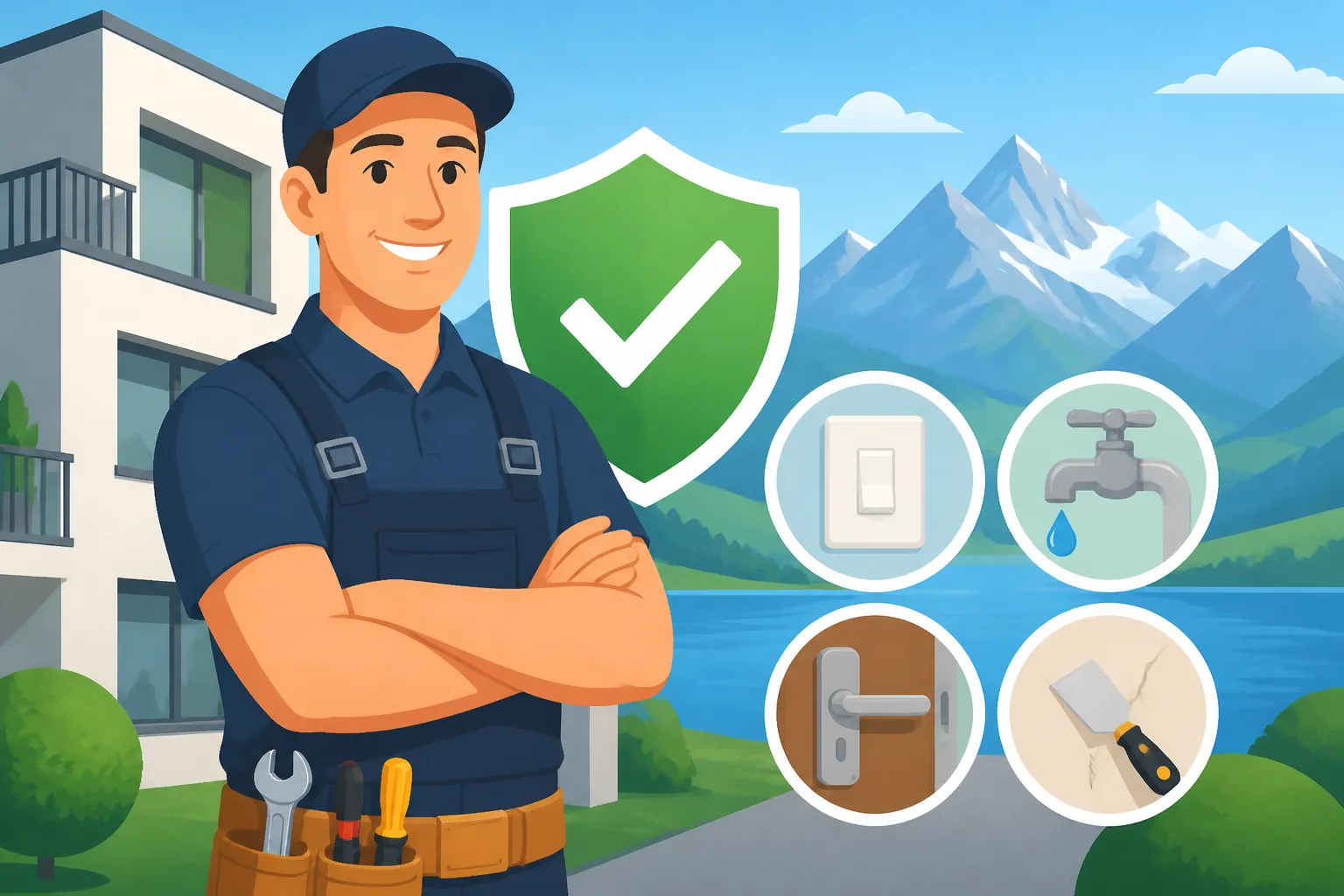
For residents, the Hauswart can also be your first point of contact for very minor repairs within your apartment that don't require specialized skills. This could be something as straightforward as tightening a loose screw on a door handle, advising on a simple drain clog, or showing you how to operate a communal appliance. They are the eyes and ears of the building, often acting as the intermediary between tenants and the property management (régie) or landlord. However, it's essential to understand their limitations. They are not your personal, on-call private handyman for every single issue. Their time is often allocated to the entire building, and their expertise might not extend to complex electrical, plumbing, or structural problems. Over-relying on them for personal issues can lead to friction, as their main job is to ensure the smooth operation of the building as a whole. Trying to get them to fix your personal, broken coffee machine, for example, is definitely outside their scope.
When You Need a Specialized Tradesperson
When a repair goes beyond the most superficial fix, you're stepping into the realm of a Fachkraft – a specialized tradesperson. This is where the Swiss system really shows its focus on specific, certified expertise. For anything involving wiring, you need a licensed electrician (Elektriker). For significant leaks, burst pipes, or issues with your hot water heater, it's a certified plumber (Sanitärinstallateur). If a window breaks or a custom shelf needs to be installed, you'll be looking for a carpenter (Schreiner).
These professionals are highly skilled, formally trained, and often hold specific certifications. Their professionalism means adherence to strict Swiss standards, which ensures safety and quality. However, this also means their services come at a premium, reflecting the high cost of living and labor in Switzerland. The implications are clear: you won't be calling a "general handyman" for a faulty light fixture that requires opening up a wall. You'll need an electrician, and that will involve specific charges for their time, travel, and materials. Understanding this distinction early on can save you considerable frustration and ensure that your repairs are handled correctly and safely. Trying to cut corners with an unqualified individual for complex tasks could not only void your insurance but also lead to dangerous situations or even disputes with your landlord during future Swiss Apartment Handovers (Wohnungsübergabe): Protocols and Deposits.
Your Quest for a Trustworthy Fixer: Where to Look
Finding a reliable professional in Switzerland, especially when you're navigating a new language and culture, can feel like a daunting task. The good news is that there are established avenues to explore, and with a bit of persistence, you'll connect with the right help.
Even for long-term expats, the search for a new tradesperson can be a mini-adventure. It's not like back home where you might just Google "best plumber near me" and pick the top result. Here, trust, local knowledge, and specific recommendations often trump generic online searches. It’s less about a quick transaction and more about finding a professional who understands the specificities of Swiss building regulations and material quality, and who operates with the punctuality and precision the country is known for.
Leveraging Your Network: Word-of-Mouth is Gold
This piece of advice cannot be overstated: personal recommendations are the absolute gold standard for finding any service provider in Switzerland, and handymen or specialized tradespeople are no exception. The Swiss value trust and reliability above almost all else, and a personal endorsement from a satisfied customer carries immense weight.
Start by asking your existing network: colleagues at work, friends you've made (especially other expats who have gone through similar experiences), or even trusted Swiss neighbors. Don't be shy; people are generally happy to share contacts for professionals they've had good experiences with. Local expat Facebook groups are also fantastic resources for this. Simply post your query, being specific about your canton or city (e.g., "Looking for a reliable electrician in Basel" or "Does anyone have a good plumber recommendation in Geneva?"). You'll often find a wealth of suggestions and even direct contact details for English-speaking services. Remember to be courteous and specific about the nature of your repair to get the most relevant recommendations.
Online Platforms and Local Directories
If your personal network doesn't yield immediate results, the internet is your next port of call. Several Swiss online platforms and directories are designed to connect you with tradespeople. Websites like local.ch are a great starting point for general searches, allowing you to filter by category (e.g., Elektriker, Sanitär, Schreiner) and location. You'll find business listings, contact information, and sometimes customer reviews, though not always as detailed as on specialized platforms.
For more specific repair work or when you need multiple quotes, platforms such as renovero.ch and buildigo.ch are invaluable. These sites allow you to post your job description, and local professionals can then submit offers. This method fosters competition and provides you with different price points and approaches. Always scrutinize the customer reviews on these platforms, paying attention to recent feedback and the specific type of work performed. Some sites might have a primarily German interface, so a translation tool will be your friend here. While browsing, keep an eye out for mentions of services catering to expats; some professionals explicitly state they have English-speaking staff. For new arrivals who might be overwhelmed, platforms that assist with the moving process, such as Sirelo, sometimes offer complementary services or can point you towards general handymen who specialize in helping expats settle in with initial home fixes. It's worth checking their offerings beyond just removals.
Here's a quick overview of some popular online platforms:
| Platform | Type of Service | Key Features | Pros for Expats | Cons |
|---|---|---|---|---|
| local.ch | General Directory | Listings by category, location, basic reviews | Broad range of services, easy to navigate | Reviews can be sparse, less tailored for specific quotes |
| renovero.ch | Quote Platform | Post job, receive multiple offers from pros | Competitive pricing, review system, project management tools | Requires a clear, detailed job description, primarily German/French |
| buildigo.ch | Quote Platform (Craftsmen) | Focus on quality craftsmen, project coordination | Verified professionals, insurance assurance | Primarily German interface, might be less for very small, urgent fixes |
| taskrabbit.ch | Gig Economy (smaller tasks) | Book individuals for small, hourly tasks | Quick, flexible help for minor jobs, often English speakers | Availability varies by city, less for complex or certified trades |
Approaching Regie (Property Management) or Landlords
For certain types of repairs, especially those related to the structural integrity of the building, major appliances provided by the landlord (like an oven or dishwasher), or issues with communal systems (heating, plumbing in walls), your landlord or régie (property management company) is unequivocally responsible. This isn't a situation where you should be calling your own handyman.
It's crucial to report these issues immediately and in writing to your landlord or régie. Keep a clear record of all communication, including dates, times, and a description of the problem. They will then arrange for their own network of contractors to perform the necessary work. While this removes the burden of finding someone yourself, be aware that if the damage is ultimately deemed to be your fault (e.g., due to negligence), you could be billed for the repairs. Always refer to your Renting in Switzerland: The Complete 2027 Guide for Expats and your lease agreement. Swiss rental law outlines tenant responsibilities for "kleiner Unterhalt" (small maintenance), which typically means you're responsible for very minor repairs up to a certain financial threshold (often CHF 100-150, varying by canton and contract) that don't require specialized skills. For clarity on such matters, consult our guide on Tenant Rights for Repairs: Who Fixes a Broken Appliance in Switzerland.
Navigating the Repair Process: Costs, Communication, and Contracts
Once you've identified a potential professional to fix your issue, the next phase involves clear communication, managing expectations, and understanding the financial and legal implications. This is where many expats encounter the unique challenges of the Swiss service landscape.
The initial relief of finding someone quickly turns into a new set of questions: How much will this cost? Will they understand me? What if something goes wrong? These are all valid concerns, and addressing them upfront is key to a smooth experience. The directness and precision of Swiss professionals extend to their pricing and agreements, so be prepared to ask clear questions and expect clear answers.
The Reality of Swiss Costs: Get Quotes!
Let's address the elephant in the room right away: labor costs in Switzerland are among the highest in the world. Even for a seemingly minor fix, the bill might seem disproportionately high compared to what you're used to. This isn't about price gouging; it's simply the reality of wages and operational costs here. This is precisely why obtaining multiple quotes (Kostenvoranschlag in German, Devis in French) is not merely advisable, it's absolutely essential. Never agree to work without a written estimate, especially for anything beyond the most basic, hourly task.
A reputable professional will be happy to provide a detailed estimate that breaks down hourly rates, material costs, and any call-out fees (Anfahrtspauschale). Yes, simply traveling to your apartment might incur a charge, even if no work is ultimately performed. Be sure to clarify if the quote is binding or an estimate that might fluctuate by a certain percentage. Factor these potential costs into your household budget, as unexpected home repairs can significantly impact your finances, a topic we touch on in our guide about the Cost of Living in Switzerland 2026: Budgeting for Singles and Families. Don't be afraid to compare quotes; it's standard practice.
Bridging the Language Gap
This can easily be the biggest stumbling block for expats trying to explain a technical problem. Describing a flickering light or a strange plumbing noise in a foreign language can be incredibly frustrating and lead to misunderstandings that result in incorrect fixes or higher costs.
If your German, French, or Italian isn't yet fluent, here are a few strategies:
- Seek English-Speaking Professionals: Prioritize services that explicitly advertise English-speaking staff. Many international cities like Zurich, Geneva, and Basel have tradespeople who cater to the expat community.
- Written Descriptions: Write down the problem in your native language, then use a reliable translation tool (like DeepL or Google Translate) to create a clear, concise description in the local language. You can send this via email or show it to the professional upon arrival.
- Visual Aids: Photos and short videos of the problem can be incredibly helpful and transcend language barriers.
- Ask for Help: If possible, have a Swiss friend, colleague, or even a helpful neighbor make the initial call or be present during the first visit to ensure clear communication.
- Stay Connected: And if you're still getting your local phone plan sorted, a temporary eSIM from a provider like Airalo can be a lifesaver for staying connected while coordinating quotes and appointments. While you're working on improving your Language Skills for the Workplace: German, French, and English Demands, don't hesitate to lean on translation tools or friends.
Insurance and Liability
Accidents can and do happen. What if the professional accidentally drills through a pipe, floods your bathroom, or causes damage to your property? This is where understanding insurance and liability becomes paramount in Switzerland.
Firstly, ensure that any professional you hire carries their own business liability insurance (Betriebshaftpflichtversicherung). This protects you in case they cause damage while working. Don't hesitate to ask for proof, especially for larger jobs. Secondly, for your own peace of mind, make sure you have Private Liability Insurance (Privathaftpflicht): Why Expats Need It. This insurance is considered almost mandatory for anyone living in Switzerland and covers damages you might accidentally cause to third parties or rented property. For instance, if you accidentally break something belonging to your landlord while trying to fix something yourself, your private liability insurance would typically cover it. Knowing both parties are adequately insured provides a layer of protection against unexpected financial burdens. If an issue turns into a dispute, remember that tenant associations like The ASLOCA / Mieterverband: Why Every Swiss Tenant Must Join can offer advice and mediation.
When to DIY and When to Report to Your Landlord
One of the trickiest aspects of renting in Switzerland is deciphering the precise line between what you, as a tenant, are responsible for, and what falls under the landlord's purview. Misunderstanding this can lead to unnecessary costs or, worse, disputes.
Many expats come from countries where tenant responsibilities are more loosely defined, or where a blanket "maintenance fee" covers most issues. In Switzerland, the rental contract is a highly detailed document, and specific clauses regarding repairs are common. Knowing your rights and obligations, and when to act, is key to a harmonious rental experience and protecting your security deposit.
Tenant's Small Repair Obligations (Kleiner Unterhalt)
Swiss rental law is quite clear that tenants are responsible for "Kleiner Unterhalt" – minor maintenance and small repairs that can be carried out without special technical knowledge or specialized tools. This concept is often baffling to newcomers. Generally, this includes simple tasks like replacing light bulbs, maintaining ventilation filters, replacing a worn-out shower hose, tightening loose screws on door handles, or replacing a faucet washer to stop a drip.
The unspoken rule of thumb is that if the repair costs less than a certain amount (typically CHF 100-150, but check your specific lease for exact figures or a percentage of rent) and doesn't require a specialist, it's on you. However, proceed with caution: if you attempt a DIY fix and inadvertently cause more significant damage, you could be held liable. Your Private Liability Insurance (Privathaftpflicht): Why Expats Need It might cover such accidental damages, but it's always better to avoid creating new problems. For a deeper dive into these responsibilities, our article on Tenant Rights for Repairs: Who Fixes a Broken Appliance in Switzerland provides excellent clarity.
Landlord's Responsibility: Major Defects and Wear & Tear
Conversely, the landlord (or régie) is responsible for major repairs, structural defects, and repairs due to normal wear and tear (normale Abnutzung). This includes problems like a broken oven (if it was supplied by the landlord), a malfunctioning heating system, a significant plumbing leak that isn't due to your negligence, or structural issues with the building itself.
It is absolutely crucial to report these issues immediately and in writing to your landlord or property management. Delaying a report could potentially make you liable for any further damage that occurs as a result. Keep meticulous records of all communications, including dates, times, and detailed descriptions (with photos or videos) of the problem. When you first move into an apartment, a thorough inspection and detailed Handover Protocol (Übergabeprotokoll): Documenting Damages to Protect Deposits are vital. Documenting any existing damage or defects can prevent you from being held responsible for them when you eventually move out. Use our guide What to Check During a Swiss Apartment Viewing (Besichtigung) to prepare for your initial inspection.
Document Everything and Be Proactive
Regardless of who is responsible for the repair, always maintain a clear paper trail. Document the issue with photos and videos, note the date it occurred, and keep copies of all communications with your landlord, Hauswart, or chosen tradesperson. This documentation is your best friend if any disputes arise down the line.
If you suspect a problem is the landlord's responsibility but they are unresponsive, remember that tenant associations like the ASLOCA / Mieterverband can offer legal advice and support. Never hire your own professional for a landlord's responsibility without explicit written consent, as you might end up footing the bill yourself. Being proactive and understanding your rights and obligations, including adherence to the Building House Rules (Hausordnung): What Swiss Tenants Must Follow), can significantly reduce stress and financial surprises during your rental journey in Switzerland.
Disclaimer
The information provided in this guide is for general informational purposes only and does not constitute legal or professional advice. While we strive to provide accurate and up-to-date information, regulations and practices in Switzerland can change and vary by canton and commune. We recommend consulting with local authorities, legal professionals, or relevant service providers for advice tailored to your specific situation. We are not responsible for any actions taken based on the information in this guide.