What to Check During a Swiss Apartment Viewing (Besichtigung)
Finding an apartment in Zurich, Geneva, or Basel often feels like a competitive sport where the prize is a 40-square-meter studio and the entry fee is your sanity. When you finally land a coveted invitation to a Besichtigung, the pressure to impress the landlord while simultaneously inspecting the property in a ten-minute window is overwhelming. This guide breaks down the essential checkpoints to ensure you don’t sign a lease on a place that looks great in photos but hides structural or social headaches.
The High Stakes of the Swiss Besichtigung
The first thing any veteran expat will tell you is that a Swiss apartment viewing is rarely a private affair. Unless you are looking at luxury penthouses, you will likely be shuffled through the rooms alongside thirty other hopeful applicants. In this chaotic environment, it is easy to miss the very details that will cost you money or sleep later on. You are not just looking for a place to put your bed; you are looking for potential liabilities that could affect your Swiss Apartment Handovers (Wohnungsübergabe): Protocols and Deposits when you eventually move out. Swiss landlords are notoriously meticulous, and any damage you don't spot now might be blamed on you later.
Because the market moves so fast, you need to arrive prepared with your Bewerbungsmappe (Application Dossier) Essentials ready to hand over or upload the moment the viewing ends. While you are trying to make a good impression on the current tenant or the "Regie" (property manager), you must keep a cold, analytical eye on the physical space. If you are moving from overseas, you might have used a service like Sirelo to coordinate your international shipping, but those boxes won't fit through a narrow 19th-century hallway in an Altbau. Checking the dimensions of the entrance and the lift is a logistical must that many forget in the heat of the moment.
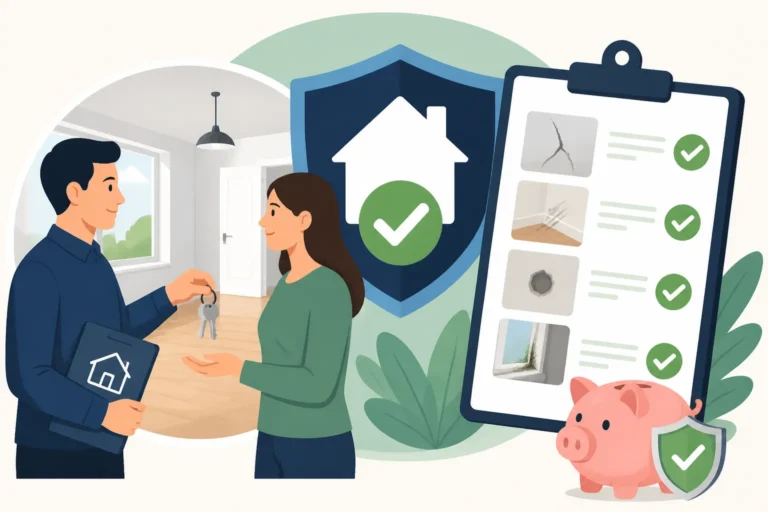
Finally, remember that in Switzerland, the "as-is" condition is a legal starting point. If you notice a cracked tile or a stained carpet and you don't mention it, the landlord assumes it happened on your watch. It is highly recommended to take photos—with permission—of any existing defects. This level of diligence is what separates the successful expats from those who spend their first month in a new country arguing with a property management firm over a scratched parquet floor.
Examining the Interior Hardware and Infrastructure
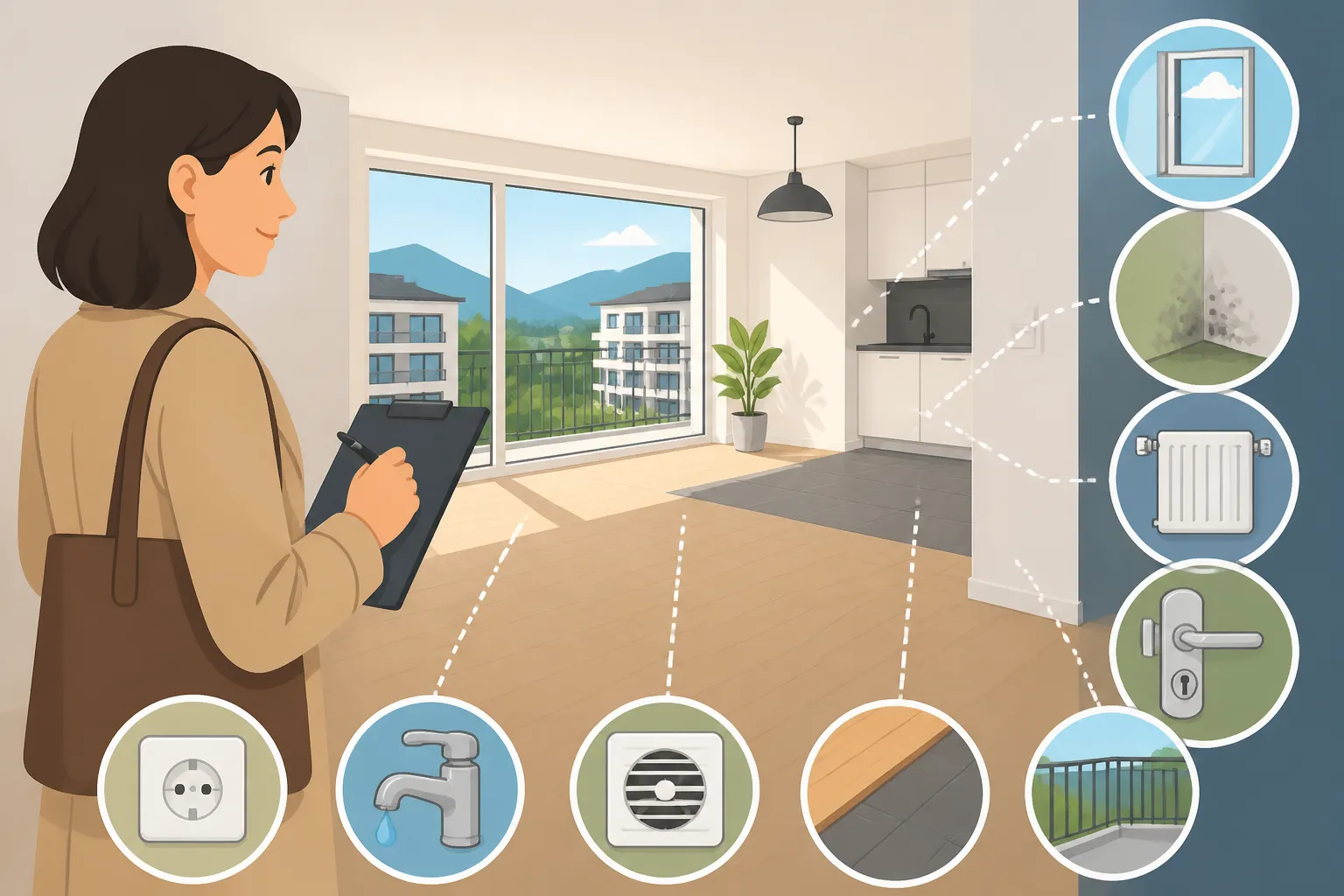
The kitchen and bathroom are the most expensive rooms in any Swiss apartment, and they are where most "hidden" issues reside. In Switzerland, apartments are almost always rented with appliances included, which is a relief compared to countries like Germany where you might have to buy your own kitchen. However, this means you are responsible for the "proper use" of the landlord's machines. Check the brand and age of the oven and dishwasher. High-end brands like V-Zug or Miele are standard in newer builds, but in older apartments, an ancient fridge might result in a surprisingly high electricity bill.
Windows and insulation are another critical factor, especially if you are sensitive to the "Föhn" winds or the biting Swiss winter. Open and close every window. Are they triple-glazed? If the apartment is near a tram line or a church with active bells, the quality of the window seals will define your quality of life. Look closely at the corners of the window frames for black spots. Mold is a common point of contention in Switzerland due to the way buildings are insulated. You should be aware of Reporting Mold or Damp in a Swiss Rental: Your Legal Options before you sign, as landlords often try to blame tenant "ventilation habits" for structural dampness.
Don't forget the digital infrastructure. While most modern Swiss flats have fiber optic connections, older buildings might still rely on copper wires that struggle with high-speed demands. Check where the router socket is located. If you are working remotely, a poorly placed socket can mean trailing cables across your beautiful new living room. If the internet setup isn't ready the day you move in—which is common given the Setting up Swisscom Internet Before You Move In: Typical Lead Times—you might want to have a backup like an Airalo eSIM to keep your home office running while the technician finds your basement connection point.
Apartment Viewing Comparison: Altbau vs. Neubau
| Feature | Altbau (Historic Building) | Neubau (Modern Build) |
|---|---|---|
| Noise Insulation | Often poor; you will hear your neighbors' footsteps. | Usually excellent; concrete floors minimize impact noise. |
| Electrical Sockets | Few and often in awkward corners. | Plentiful, usually including USB-C ports in 2026 builds. |
| Storage (Keller) | Might be damp or have wooden slats (dusty). | Usually dry, secure, and includes a power outlet. |
| Kitchen | Characterful but potentially cramped. | Open-plan, high-efficiency appliances. |
| Windows | Check for drafts and double-glazing status. | Triple-glazed, often with electric external blinds. |
The Shared Spaces and Communal Politics
In Switzerland, the apartment doesn't end at your front door. The communal areas are governed by strict Swiss Everyday Rules: Recycling, Quiet Hours, and Neighborhood Etiquette that can make or break your experience. The most famous of these is the "Waschküche" or shared laundry room. If the apartment doesn't have a private washing machine, you must inspect the shared facility. Look for the "Waschplan" (washing schedule). Is it a free-for-all, or are you assigned a specific Thursday every two weeks? For a working professional, a rigid schedule can be a nightmare.
While in the basement, ask to see the "Keller" (cellar) or "Estrich" (attic storage). In many Swiss cities, space is at a premium, so these storage units are essential. Check for dampness and security. Some older buildings use simple wooden slats for dividers, which offers very little privacy or protection from dust. If you have expensive hobby gear like skis or e-bikes, you need to know if the Storage Rental (Estrich and Keller) in Swiss Apartment Buildings is actually up to the task of keeping your gear safe and dry.
Also, keep an eye out for the bunker. Most Swiss residential buildings built during a certain era have a "Schutzkeller" (nuclear fallout shelter). While it’s unlikely you’ll need it for its intended purpose, these rooms are often used for extra storage or bicycle parking. Understanding the rules for these spaces is part of the "integration" process. If the bike cellar is overflowing and disorganized, it’s a sign that the "Hauswart" (caretaker) might not be very active, which could lead to other maintenance frustrations down the line.
Neighborhood Dynamics and Hidden Costs
The final layer of your viewing should be an assessment of the "Nebenkosten." These are the ancillary costs for heating, water, and building maintenance that are added to your base rent. When viewing the apartment, ask the current tenant what their actual Nebenkosten (Ancillary Costs): Heating, Water, and Annual Adjustments looked like over the last year. Landlords sometimes set the monthly "Akonto" (prepayment) low to make the apartment look cheaper, only for the tenant to receive a CHF 1,000 bill at the end of the year because the heating was more expensive than expected.
Pay attention to the immediate surroundings. Is there a "Wertstoffhof" (recycling point) nearby? In many cantons, you must use expensive, taxed garbage bags, so having a convenient place for glass, aluminum, and paper recycling is a major time-saver. Also, check the proximity to public transport. Even if you have a car, parking in Swiss cities is notoriously difficult and expensive. If the apartment doesn't come with a "Parkplatz," you will need to look into Blue Zone permits, which vary significantly by commune.
Lastly, try to get a feel for the neighbors. Is it a building full of families, or is it mostly young professionals? This will dictate how strictly the Quiet Hours (Ruhezeiten): Sunday Rules for Laundry, Mowing, and Noise are enforced. In a "family" building, a late-night dinner party on a Tuesday might result in a sternly worded letter in your mailbox the next morning. Knowing How to Stand Out at a Crowded Swiss Apartment Viewing isn't just about your salary; it's about proving you are a quiet, reliable neighbor who understands the delicate social fabric of Swiss apartment living.
What to Ask the Current Tenant During the Viewing
While the landlord or agent is the one who decides your fate, the current tenant is your best source of honest information. They are usually leaving for a reason—often just a job move or a bigger space—but they will tell you the truth about the building if you ask politely.
Key questions to ask:
- How high are the actual heating costs in winter?
- Are the neighbors sensitive to noise?
- How responsive is the property management (Regie) when something breaks?
- Is there a "Nachmieter" (replacement tenant) situation where you can buy some of their furniture?
- What is the sun situation? (A "sunny" apartment in the Swiss winter is worth its weight in gold).
By going into your Besichtigung with a structured plan, you move from being a passive observer to an informed applicant. This not only helps you avoid bad apartments but also shows the landlord that you are a serious, detail-oriented person—exactly the kind of tenant the Swiss system prizes above all else.
Disclaimer
The information provided in this guide is for informational purposes only and does not constitute legal or professional advice. Rental laws and local customs in Switzerland vary by canton and municipality. Always consult with the Mieterverband (Tenants' Association) or a qualified legal professional before signing a lease agreement or engaging in disputes with a landlord. While every effort is made to ensure the accuracy of the information regarding third-party brands and services, users should verify current rates and terms directly with providers like Airalo or Sirelo.