Lake vs Mountain Living in Switzerland: What Expats Should Know
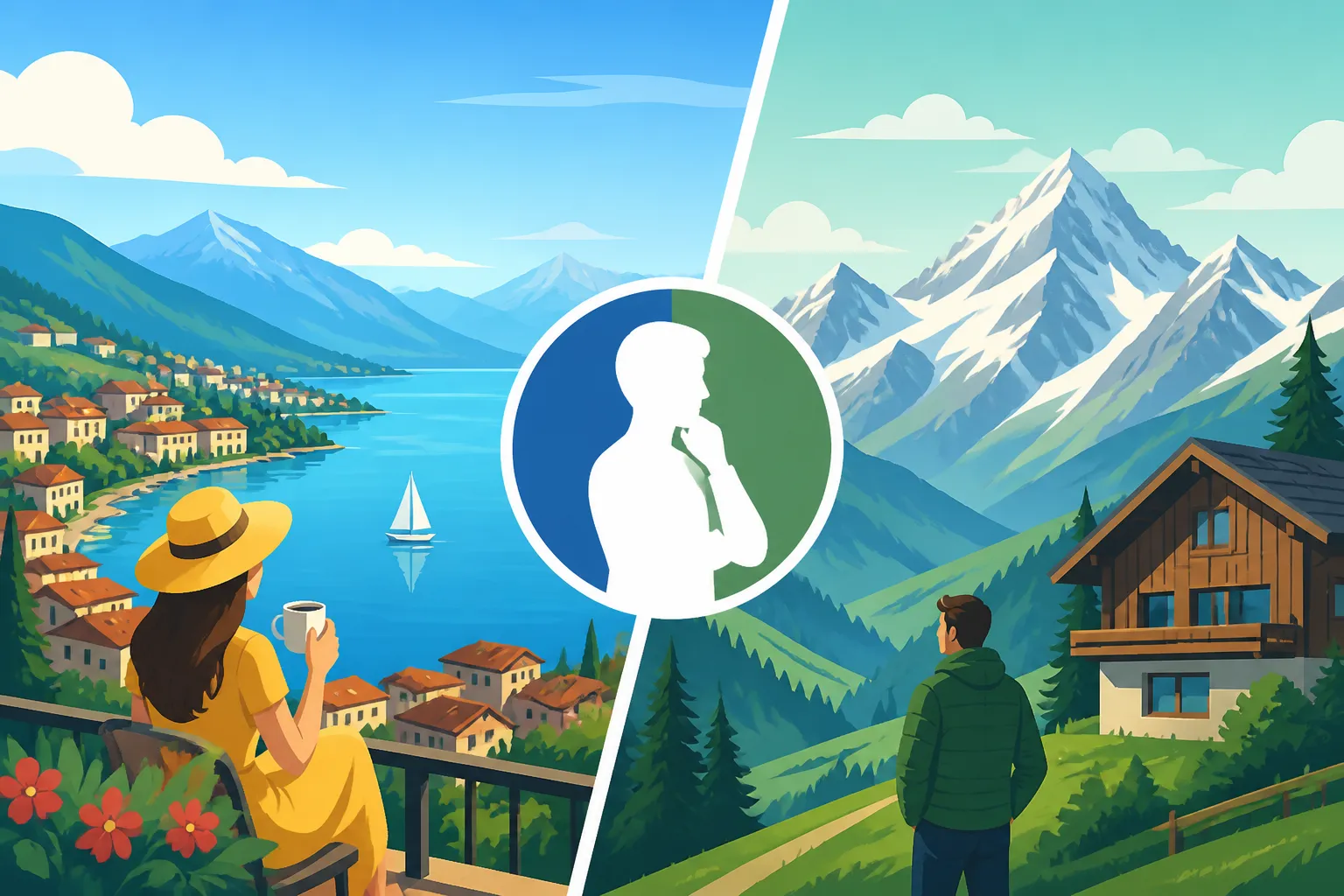
One of the most agonizing decisions you will face when relocating to Switzerland is choosing between the serene, turquoise appeal of the lakes and the dramatic, snow-capped majesty of the mountains. This choice dictates more than just your morning view; it fundamentally reshapes your commute, your social life, and your tax bill. This guide explores the logistical and cultural realities of lake versus mountain living to ensure your Swiss home aligns with your lifestyle goals.
The Allure of the Lake: Connectivity, Lifestyle, and Costs
Living near Lake Zurich, Lake Geneva, or Lake Lucerne is the quintessential expat dream, offering a blend of cosmopolitan flair and natural beauty. However, this lifestyle comes with specific trade-offs that go beyond the high price of rent. When you are first Finding an Apartment in Zurich: Relocation Agents vs Flatfox vs Homegate, the competition for a "Seeview" (lake view) can be demoralizing.
Accessibility and Career Opportunities
The primary reason many expats gravitate toward the lakes is the sheer convenience of infrastructure. Most major multinational corporations and financial hubs are clustered around the water. If you live in a lakeside town like Thalwil, Horgen, or Nyon, you are usually looking at a 15-to-20-minute train ride into the city center. The connectivity is so seamless that many residents find they can survive without a car entirely. While scouting these areas, staying connected is vital for checking live train updates; using an eSIM from Airalo is often the most efficient way to maintain data coverage while you are still navigating the initial permit hurdles.
Furthermore, the social landscape of lakeside living is decidedly more international. Because these areas attract high-earning expats, you will find a higher density of English-speaking doctors, international schools, and networking events. If you are worried about the initial isolation of moving to a new country, the lakes provide a softer landing. However, you should still consult a guide on Where to Live in Switzerland: Cantons, Cities, and Commuter Zones to see which lakeside towns offer the best balance of commute time and local amenities.
The Badi Culture and Summer Vibes
In the summer months, lakeside living transforms into a Mediterranean-style vacation. The "Badi" (lakeside swimming bath) culture is the heartbeat of Swiss social life from June to September. These are communal spaces where people gather after work to swim, grill, and have an "Apéro." Living within walking distance of a Badi means your summer evenings are filled with paddleboarding and lake-swimming, which is a significant mental health boost after a day in the office.
This vibrant summer energy is a stark contrast to the winter months. One reality many newcomers aren't prepared for is the "Hochnebel"—a thick, grey layer of high fog that can sit over the Swiss plateau and lakes for weeks at a time during November and December. While the sun may be shining brilliantly just a few hundred meters up in the mountains, the lakeside can feel perpetually overcast and damp during the coldest months.
The Premium Price of Water Views
The financial reality of lake living is the most significant hurdle. You are not just paying for a flat; you are paying for the privilege of the location. In cantons like Zurich or Geneva, a 3.5-room apartment with a glimpse of the water can easily cost 20% to 50% more than a similar unit further inland. It is essential to understand How Much Does It Cost to Rent a 3.5-Room Apartment by Canton before setting your heart on a specific shore.
Beyond the rent, the cost of living in these high-demand zones extends to everything from grocery prices at the local "Coop" to the cost of a gym membership. If you are moving a large household from abroad, the logistics of these high-density areas can be tricky. Using a platform like Sirelo can help you find movers who are experienced in navigating the narrow, crowded streets often found in historic lakeside "Altstadt" districts.
Living the Alpine Dream: Privacy, Nature, and Winter Realities
Choosing to live in the mountains—whether in the Bernese Oberland, the Valais, or the Graubünden—offers a level of tranquility and proximity to nature that is hard to find anywhere else in Europe. It is the dream of every hiking and skiing enthusiast, but it requires a much higher level of logistical planning and resilience.
Immersion in Nature and Outdoor Sports
The most obvious benefit of mountain living is having a world-class playground at your doorstep. If your idea of a perfect Saturday is stepping out of your front door and onto a hiking trail or a ski lift, then the Alps are calling. Unlike the lakes, where you might have to check SBB Travelcards: Is the Generalabonnement (GA) Worth the CHF 4000+ Cost? to justify the weekend trips to the mountains, alpine residents simply walk outside.
The air quality is noticeably better, and the noise pollution is almost non-existent. However, you must be prepared for the cultural norms of quietude. Swiss mountain villages take Quiet Hours (Ruhezeiten): Sunday Rules for Laundry, Mowing, and Noise very seriously. The peace is a double-edged sword; while it offers a restorative environment, the silence can feel isolating for those used to the buzz of a city.
The Logistical Hurdles of Mountain Life
Mountain living demands a degree of self-sufficiency. Public transport, while excellent by global standards, is less frequent in the high Alps. You might be reliant on the yellow "PostBus," which may only run once an hour. This often makes owning a car a necessity rather than a luxury. If you do drive, you must be aware that Winter Tires in Switzerland: Are They Legally Mandatory in 2027? is a question with significant safety and legal implications. Navigating steep, icy switchbacks in January is a skill every mountain expat must master quickly.
Infrastructure can also be a challenge. In smaller villages, your options for Grocery Shopping: Coop, Migros, Aldi, Lidl, and Denner Compared might be limited to a small local shop with higher prices and limited selection. You will likely find yourself making "down valley" trips to larger towns once a week to stock up on essentials. Before making the leap, ensure your chosen village has the digital infrastructure you need; a scouting trip with an eSIM from Airalo can help you test signal strength in remote valleys before you sign a lease.
Community and Cultural Differences
Integration in a mountain village is a slower, more deliberate process than in the lakeside cities. While the lakes are melting pots of different cultures, mountain communities are often deeply rooted in tradition. You will likely need to make a more concerted effort to learn the local dialect or high language to be accepted. Joining a local "Verein" (club) is the fastest way to break the ice.
The social life here revolves around the seasons. Winter is high season, with a festive atmosphere as tourists arrive, while "Zwischensaison" (the periods between summer and winter) can be very quiet, with many restaurants and shops closing for a few weeks. If you thrive on a consistent social calendar and Dating in Switzerland: Cultural Norms and Popular Apps for Expats, you might find the mountain dating pool quite limited compared to the lakeside hubs.
Comparing the Practicalities: Climate, Infrastructure, and Taxes
To help you visualize the differences, consider the following comparison of day-to-day life in these two distinct environments.
| Feature | Lake Living (e.g., Zurich, Geneva) | Mountain Living (e.g., Zermatt, Glarus) |
|---|---|---|
| Winter Climate | Grey, foggy, damp, rarely snows. | Sunny (above fog), cold, heavy snow. |
| Commute | Excellent rail links; car-free possible. | Often car-dependent; PostBus routes. |
| Property Costs | High to extreme; small spaces. | Variable; more "house" for your money. |
| Social Scene | International, diverse, fast-paced. | Traditional, local, quiet, seasonal. |
| Outdoor Access | Swimming, boating, urban parks. | Skiing, hiking, climbing at the door. |
| Language | English widely spoken in business. | Local language/dialect more essential. |
Weather Extremes: Fog vs. Föhn
A phenomenon unique to the Swiss mountains is the "Föhn"—a warm, dry wind that can roar through the valleys. While it brings exceptionally clear views and warm temperatures, many residents complain of "Föhn-related" headaches and irritability. Conversely, as mentioned, lakeside residents must contend with the "Hochnebel." This often leads to a mass exodus of lakeside dwellers heading to the mountains on winter weekends just to see the sun, which can make the trains and roads incredibly crowded.
Tax Implications by Location
Taxation in Switzerland is decentralized, meaning your "Gemeinde" (municipality) and canton determine your tax rate. Often, lakeside communities in cantons like Zug or Schwyz have some of the lowest rates in the country, attracting high-net-worth individuals. Mountain villages in more remote cantons may have higher tax rates to compensate for the lower population density and the high cost of maintaining alpine infrastructure. It is wise to research Lowest Tax Cantons: Moving to Zug, Schwyz, or Nidwalden for Tax Benefits to see if your dream mountain view comes with a surprise tax hike.
Infrastructure and Utility Reliability
While Switzerland's infrastructure is legendary, extreme mountain weather can occasionally cause disruptions. Heavy snowfall can lead to road closures or, in rare cases, train delays. Lakeside infrastructure is generally more resilient to the weather but can be overwhelmed by the volume of people during major events or heatwaves. When planning your move, consider that Cost of Living in Switzerland 2026: Budgeting for Singles and Families will look very different depending on whether you are paying for a mountain-grade heating system or a lakeside apartment with expensive air conditioning (which is still rare and regulated in Switzerland).
Making the Final Decision: Which One Suits Your Expat Journey?
Ultimately, the choice between lake and mountain living depends on your "Tolerance for the Quiet." If you are a young professional looking to build a career and a social network, the lakes offer an energy and a safety net that is hard to beat. If you are a family or an individual seeking a total reset, with a focus on physical health and a slower pace, the mountains provide a sanctuary that is genuinely life-changing.
Testing the Waters
Before committing to a long-term lease, I highly recommend "test-living" in both environments. Rent a short-term serviced apartment or an Airbnb for a week in both a lakeside town and a mountain village. Pay attention to how you feel on a Tuesday morning—not just a sunny Saturday. Does the mountain commute drain you? Does the lake fog depress you? Use a service like Sirelo to gather quotes for different regions; you might find that the cost of moving your furniture to a high-altitude chalet is a significant factor in your budget.
Moving Logistics
Once you've made your choice, the physical move requires different strategies. Moving to a lakeside apartment often involves booking "Blue Zone" parking permits for the moving truck and coordinating with a "Hauswart" (building manager). Moving to the mountains requires a moving company that understands "Bergtransport"—knowing how to handle steep inclines and ensuring their trucks can actually fit through the tunnels and bridges leading to your village. When you are Moving to Switzerland: Shipping Your Belongings and Customs Clearance, being transparent about the altitude and accessibility of your new home is crucial.
Disclaimer
The information provided in this guide is for general informational purposes only. While I strive to keep the facts and figures up to date, Swiss regulations, tax rates, and housing market conditions can change rapidly. Always consult with official cantonal authorities or a professional relocation advisor before making significant financial or legal decisions regarding your residency in Switzerland.