Lowest Tax Cantons: Moving to Zug, Schwyz, or Nidwalden for Tax Benefits
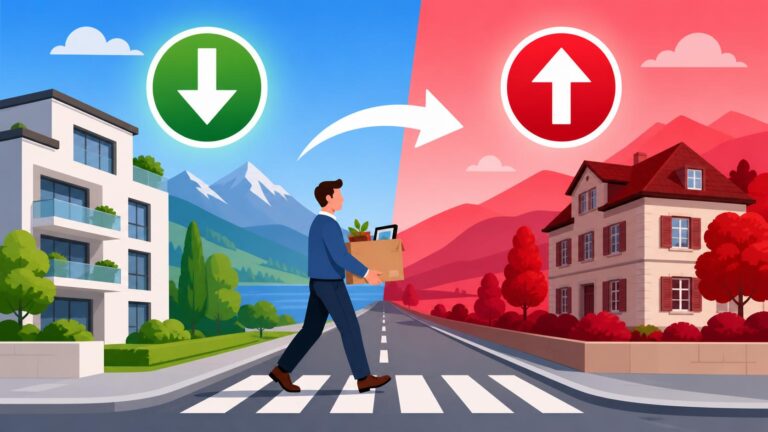
The sticker shock of your first Swiss tax bill can be a jarring welcome to the land of chocolate and watches. I remember staring at my first assessment in Zurich, realizing that my choice of postcode was costing me the price of a mid-sized sedan every single year. This guide explores how moving to low-tax havens like Zug, Schwyz, or Nidwalden can drastically improve your financial landscape.
The Reality of the Swiss Tax System: Why Geography is Everything
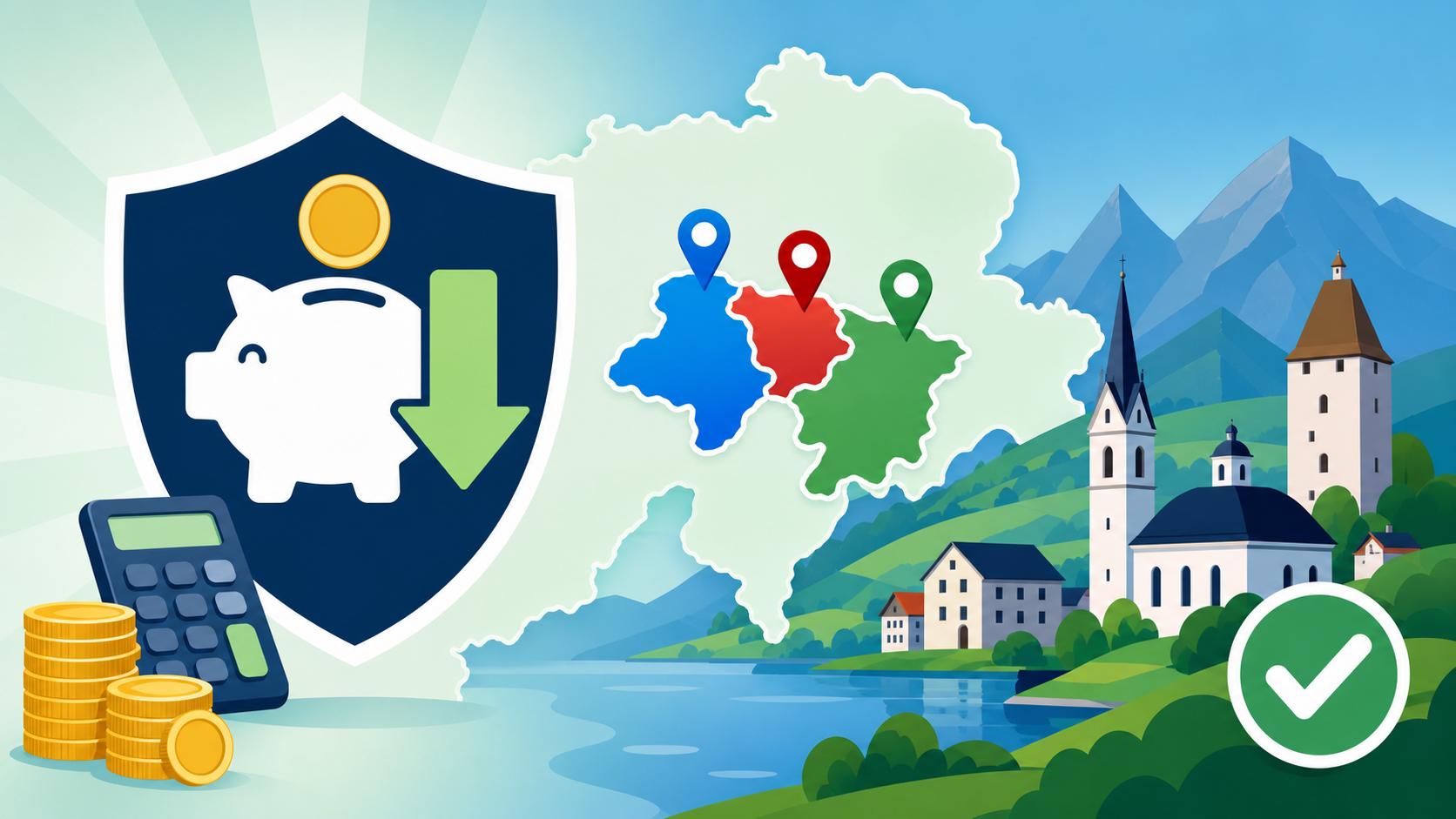
In most countries, moving ten miles down the road might change your commute, but it won’t change your tax bracket. Switzerland is different. Because of the country's federalist structure, taxes are levied at three distinct levels: federal, cantonal, and communal. While the federal tax remains consistent regardless of where you live, the cantonal and communal portions fluctuate wildly. This creates a phenomenon known as "tax competition," where cantons lower their rates to attract high-earning individuals and successful businesses.
When you first arrive, you’ll likely hear the term "Steuerfuss" or tax multiplier. This is the figure that determines how much of the "basic" cantonal tax you actually pay in your specific town. For example, living in the city of Zurich is significantly more expensive from a tax perspective than living in a neighboring village like Kilchberg or Rüschlikon. Understanding Swiss Taxes Explained: Federal, Cantonal, and Municipal Rates is the first step in realizing that your "gross salary" is only a small part of the equation; your "net-net" income is determined by your Swiss GPS coordinates.
For many expats, the realization of these differences comes too late. Some newcomers move into beautiful apartments in Lausanne or Neuchâtel, only to find out six months later that they are paying 10% to 15% more in annual taxes than they would have in Zug. This isn't just pocket change; for a high-earning household, we are talking about a difference of CHF 20,000 to CHF 50,000 per year. That is money that could be sitting in your savings or being invested through platforms like Trade Republic to secure your long-term future.
Zug: The Crypto Valley Tax Haven
Zug is the undisputed heavyweight champion of Swiss tax optimization. It is consistently ranked as the canton with the lowest corporate and individual tax rates. But Zug is more than just a tax haven; it has transformed into a global hub for innovation, earning the nickname "Crypto Valley." If you are involved in fintech or blockchain, living here feels like being at the center of the universe. It’s a place where you can pay for your government services in Bitcoin and see major industry players like Binance and various Ethereum-based startups operating just around the corner.
The financial benefit of living in Zug is most apparent for high earners. If you are Earning Over CHF 120,000: Transitioning to Standard Taxation, the move to Zug can be transformative. While the federal tax remains progressive, Zug’s cantonal tax is incredibly flat and low. However, there is a catch that I learned the hard way: the "Zug Premium" on real estate. Because everyone wants to live in the lowest-taxed canton in the country, the housing market is one of the most competitive in the world. You might save CHF 30,000 in taxes but find yourself paying an extra CHF 2,000 a month in rent for a smaller apartment than you had in Aargau.
Despite the high rents, the math usually works out in favor of the move if your income is high enough. Beyond the numbers, Zug offers an incredibly high quality of life. The lake is pristine, the infrastructure is top-tier, and the international community is vast. When moving large sums of money to cover your first few months of high rent or a security deposit, using a service like Wise can help you avoid the hidden exchange rate markups that traditional Swiss banks often charge for international transfers.
Schwyz: Lakeside Luxury with Minimal Rates
If Zug is the bustling hub of Crypto Valley, the Canton of Schwyz—particularly the areas bordering Lake Zurich—is the refined, quiet alternative for the ultra-wealthy. Towns like Freienbach, Wollerau, and Feusisberg are legendary in Switzerland for hosting some of the world’s wealthiest individuals, including Formula 1 drivers and global CEOs. The tax rates here are often neck-and-neck with Zug, and in some specific income brackets and wealth levels, Schwyz actually comes out on top.
The big draw for Schwyz is its treatment of wealth tax. While most cantons tax your global assets (savings, property, stocks), Schwyz keeps these rates exceptionally low. This makes it an ideal location for retirees or expats with significant global portfolios. It’s also a perfect example of Why Moving Across the Street Can Drastically Change Your Swiss Tax Rate. If you live on the Zurich side of the border in Richterswil, your tax bill will be significantly higher than if you move just a few hundred meters across the line into Bäch (Canton Schwyz). I’ve known people who moved literally one street over and saved enough to fund a luxury holiday every year.
Living in Schwyz does require a certain lifestyle adjustment. It is more suburban and rural than Zurich or Zug. You will likely need a car, and you’ll find that the "social vibe" is much more private. People move to Schwyz to be left alone and to enjoy the scenery. If you are an active investor, the tax savings here provide a massive capital injection that you can funnel into your portfolio on Trade Republic, allowing your wealth to compound much faster than it would in a high-tax canton like Geneva or Vaud.
Nidwalden: The Under-the-Radar Gem
Nidwalden is the hidden secret of Central Switzerland. Nestled against Lake Lucerne and surrounded by dramatic mountain peaks, it offers tax rates that are nearly as low as Zug and Schwyz but with a much more "authentic" Swiss feel. Because it isn't as internationally famous as Zug, the housing market—while still expensive—isn't quite as frenetic. For an expat who wants the benefits of low taxation without feeling like they are living in a corporate office park, Nidwalden is the answer.
The capital, Stans, and the lakeside villages like Hergiswil offer an incredible tax environment. Hergiswil, in particular, is a favorite for those working in Lucerne who want to optimize their fiscal domicile. The cantonal tax system here is straightforward and highly competitive. However, you must be prepared for a deeper immersion into local Swiss culture. Unlike the English-speaking bubble of Zug, you will find that Swiss German is the primary language of daily life here.
When calculating the benefit of moving to Nidwalden, you have to look at the Cost of Living in Switzerland 2026: Budgeting for Singles and Families. While your tax bill will drop, you might find that your health insurance premiums or commuting costs change. Nidwalden is beautiful, but if your job is in Zurich, you’ll be spending a significant amount of time on the A4 highway or the SBB trains. Always weigh the "time tax" of commuting against the "monetary tax" of your current residence.
Comparing the Top Three Low-Tax Cantons
To give you a clearer picture of how these three heavyweights stack up, here is a comparison of what you can expect when moving for tax benefits.
| Feature | Canton Zug | Canton Schwyz (Höfe/March) | Canton Nidwalden |
|---|---|---|---|
| Primary Tax Benefit | Lowest overall income tax | Exceptional wealth tax rates | High income/wealth balance |
| Housing Market | Extreme competition, very high prices | High prices, luxury focus | Moderate/High, more space |
| Atmosphere | International, tech-focused, busy | Quiet, private, scenic | Traditional, nature-focused |
| Commute to Zurich | 25-40 minutes | 30-45 minutes | 60+ minutes |
| Expat Community | Very Large (English is common) | Moderate (Pockets of English) | Small (Primarily German) |
Financial and Practical Trade-offs of the Move
Moving for tax reasons is a classic "math vs. lifestyle" dilemma. Before you pack your boxes, you need to be honest about the Cost of Living Realities: Groceries, Telecoms, and Household Expenses in these areas. In my experience, the "tax trap" is moving to a low-tax canton only to find that the increased cost of everything else eats up 80% of the savings. You have to run a full simulation.
One often-overlooked factor is the Withholding Tax (Quellensteuer) vs Standard Taxation for Foreigners. If you are on a B Permit and earning less than CHF 120,000, your tax is deducted at source based on the average rate of the canton. In this scenario, moving to Zug or Schwyz still provides an immediate benefit because the "at source" rates are lower than in other cantons. However, once you move to a C Permit or cross the income threshold, you will be Filing a Swiss Tax Return (C Permit or High Earners on B Permit) and will have to deal with the local "Steuerfuss" directly.
There is also the social cost. If all your friends live in Zurich West and you move to a quiet village in Schwyz to save CHF 15,000 a year, you might find yourself feeling isolated. You'll spend your tax savings on late-night Ubers or train tickets back to the city. Some expats move back to higher-tax cantons after just one year, often because they miss the "buzz" of the city. Taxation should be a major factor in your decision, but it shouldn't be the only factor.
How to Calculate if the Move is Actually Worth It
Before committing to a lease, use the official cantonal tax calculators. Every canton has one. You enter your expected gross income, your marital status, the number of children, and your religious affiliation. Don't forget the church tax—opting out can save you an additional 1% to 2% depending on the canton. Once you have your projected tax savings, subtract the difference in rent between your current location and the new one.
You should also look into Pillar 3a in 2026: Tax Deductions, Limits, and Investment Options. Contributing to a 3a account is one of the most effective ways to lower your taxable income regardless of which canton you live in. If you combine a 3a contribution with a move to a low-tax canton, the compound effect on your net wealth is staggering. This is money that you can then put to work in the markets.
Finally, remember the logistics. You are required by law to handle Registering Your Address at the Kreisbüro Within 14 Days of Moving. This registration date is vital because Switzerland usually taxes you based on where you are resident on December 31st of the tax year. If you move from a high-tax canton to Zug on December 15th, you will typically be taxed at the lower Zug rate for the entire year. This "pro-rated" rule is one of the most powerful wealth-building secrets in the Swiss system, provided you time your move correctly.
Disclaimer
The information provided in this article is for informational purposes only and does not constitute professional financial, legal, or tax advice. Tax laws in Switzerland are subject to frequent changes at the federal, cantonal, and communal levels. Always consult with a qualified Swiss tax fiduciary (Treuhänder) before making significant relocation or financial decisions. The author and publisher are not responsible for any financial losses or legal issues arising from the use of this information.