Living in the Countryside vs the City in Switzerland: Trade-Offs
Choosing between the vibrant, international pulse of a Swiss city and the postcard-perfect tranquility of the countryside is a dilemma every newcomer faces. The wrong choice can lead to deep isolation in a silent village or financial burnout in a cramped urban studio. This guide breaks down the realistic trade-offs of both lifestyles to help you find your ideal Swiss home.
The Financial Reality of Rent and Taxation
When you first look at apartment listings in Zurich or Geneva, you might experience a genuine sense of vertigo. The prices are high, the competition is fierce, and the spaces are often smaller than what you’re used to back home. Many expats initially flock to the cities because that is where the jobs and the English-speaking communities are located, but the Cost of Living in Switzerland 2026: Budgeting for Singles and Families often dictates a quick reconsidering of rural options.
Rent Prices and Housing Quality
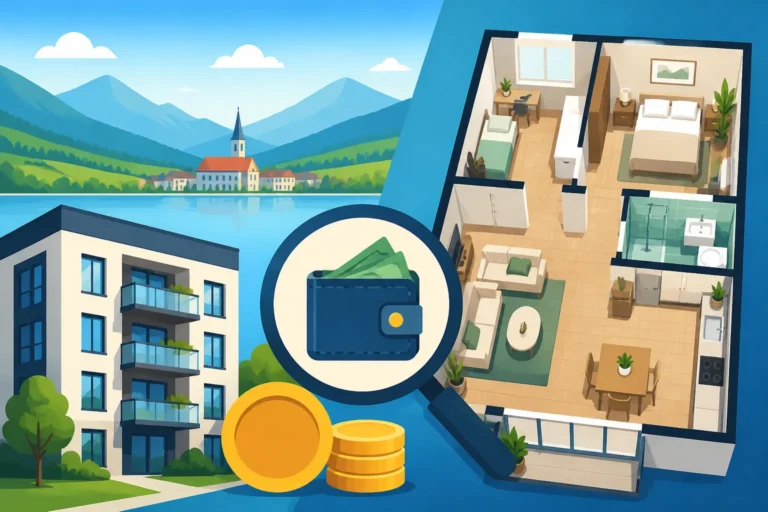
In the city, you are paying for proximity. A 2.5-room apartment in Zurich's Kreis 4 or Geneva's Eaux-Vives can easily cost as much as a detached house with a garden in a rural part of Canton Jura or Glarus. In the urban centers, you are often dealing with "Altbau" buildings—beautiful historic structures that might lack modern insulation or in-apartment laundry. In the countryside, your money stretches significantly further. You can often find modern builds with floor-to-ceiling windows overlooking the Alps for two-thirds of the price of a city flat.
However, the "cheap" rural rent is often a mirage if you don’t account for the logistics of the move itself. Transporting your life to a remote village requires precision. Many veteran expats suggest using a professional moving coordinator like Sirelo to navigate the narrow mountain roads and strict municipal parking rules for moving trucks. If you choose the countryside, you aren't just renting a home; you are investing in a different pace of life, but you must be prepared for the initial overhead of getting there.
The Impact of Cantonal and Municipal Taxes
One of the most surprising things for foreigners to learn is that your "take-home" pay changes depending on your zip code. If you are on a B Permit, you are likely subject to Withholding Tax (Quellensteuer) vs Standard Taxation for Foreigners. This tax is calculated based on the average rate of the canton where you reside.
Living in a "low-tax" canton like Zug or Schwyz can save you thousands of francs a year compared to living in high-tax cantons like Neuchâtel or Geneva. Even within the same canton, the municipal tax multiplier can vary. Moving just ten minutes outside a city boundary into a rural commune can sometimes result in a 2% to 5% difference in your net income. When considering Lowest Tax Cantons: Moving to Zug, Schwyz, or Nidwalden for Tax Benefits, remember that the rent in these areas often rises to meet the tax savings, creating a "break-even" point you need to calculate carefully.
Commuting Costs and Public Transport Logic
In the city, you can survive perfectly well with a local transport pass and a pair of sturdy walking shoes. Once you move to the countryside, your relationship with the SBB (Swiss Federal Railways) changes. You will likely need to evaluate whether SBB Travelcards: Is the Generalabonnement (GA) Worth the CHF 4000+ Cost? makes sense for your daily commute.
A rural lifestyle often necessitates a car for grocery runs or late-night trips when the regional buses stop running at 8:00 PM. This adds insurance, fuel, and maintenance to your monthly budget. While your rent might be CHF 800 lower in the mountains, if you are spending CHF 600 on a car and CHF 300 on a rail pass, the "cheap" countryside life suddenly becomes more expensive than the city.
Quality of Life and Cultural Integration
The psychological gap between a Swiss city and a Swiss village is wider than the geographical one. In Zurich, you can go weeks without speaking a word of German, navigating your life entirely in English. In a village of 500 people in the Emmental, that is simply not an option.
Language Barriers and the Social Bubble
In the urban centers, the "Expat Bubble" is real and very comfortable. You will find English-speaking doctors, international grocery stores, and a rotating door of newcomers looking for friends. However, if you want a truly "Swiss" experience, the countryside is the place to be. This comes with a steep learning curve. You will encounter Language Differences: Navigating Swiss German (Schwiizertüütsch) Dialects that sound nothing like the High German you learned on an app.
Integration in the countryside requires effort. You cannot just move in and wait to be invited for coffee. You must be proactive. The best way to break the ice is through local associations. I always recommend Volunteering and Local Clubs (Vereine): The Best Way to Meet Swiss People. Whether it’s the local fire brigade, a choir, or a hiking club, the "Verein" is the heartbeat of rural Swiss social life. If you aren't willing to join a club, you might find the countryside incredibly lonely.
Urban Convenience vs. Rural Tranquility
The "convenience" of the city in Switzerland is world-class. You have access to "Permanence" walk-in clinics at the train station, shops that stay open until 10:00 PM, and a variety of international cuisines. In the countryside, you must adapt to the "Mittagspause"—the traditional lunch break where shops close from 12:00 PM to 1:30 PM.
The trade-off is the immediate access to nature. In the countryside, your "backyard" is the forest. You can go for a world-class hike or a mountain bike ride directly from your front door without sitting on a crowded tram for 40 minutes. For many, this "mental reset" is worth the lack of a late-night sushi delivery service. If you are moving your family, use a service like Sirelo to handle the logistics so you can focus on exploring your new local trails the very first weekend.
Family Life and Childcare
For parents, the city vs. country debate is particularly heated. Swiss cities offer international schools and a wide variety of "Kitas" (daycares), but they are notoriously expensive and often have long waiting lists. In rural areas, childcare options might be more limited—perhaps only a "Tagesmutter" (day mother) or a local village school—but the environment is exceptionally safe. It is a standard Swiss sight to see five-year-olds walking to school alone with their reflective orange sashes, a level of independence that is much easier to grant in a quiet village than in central Geneva.
Practical Logistics of the Swiss Countryside
Living in the countryside requires a higher level of organization. You cannot "pop out" for a missing ingredient for dinner if the nearest Coop is a 15-minute drive away and closes in five minutes.
| Feature | City Living (e.g., Zurich, Geneva) | Countryside Living (e.g., Appenzell, Valais) |
|---|---|---|
| Housing | Smaller apartments, higher competition | Larger homes, gardens, more availability |
| Language | English widely spoken in business/social | Local dialect is essential for integration |
| Transport | Tram/Bus every 5-7 minutes | Car often required; trains once per hour |
| Social Life | Fast-paced, international, anonymous | Community-focused, slower, club-based |
| Grocery Access | Open late, many options | Limited hours, local farm shops |
| Taxes | Generally higher municipal rates | Often lower, especially in specific cantons |
Connectivity and the Digital Nomad Life
Don't assume that a remote mountain chalet has bad internet. Switzerland has invested heavily in fiber-optic infrastructure even in rural areas. However, while you wait for your home internet to be installed—which can take longer in the country—having a backup is vital. I always suggest picking up a digital SIM from a provider like Airalo to stay connected during those first few weeks.
In the city, you are never far from a public Wi-Fi hotspot or a cafe where you can work. In the countryside, your home is your fortress. If the internet goes down, you are truly "off the grid." For remote workers, this means you need a robust setup. Using Airalo for a secondary data line can be a lifesaver when you're trying to join a Zoom call from a village that is currently experiencing a heavy snowstorm.
Quiet Hours and Neighborhood Etiquette
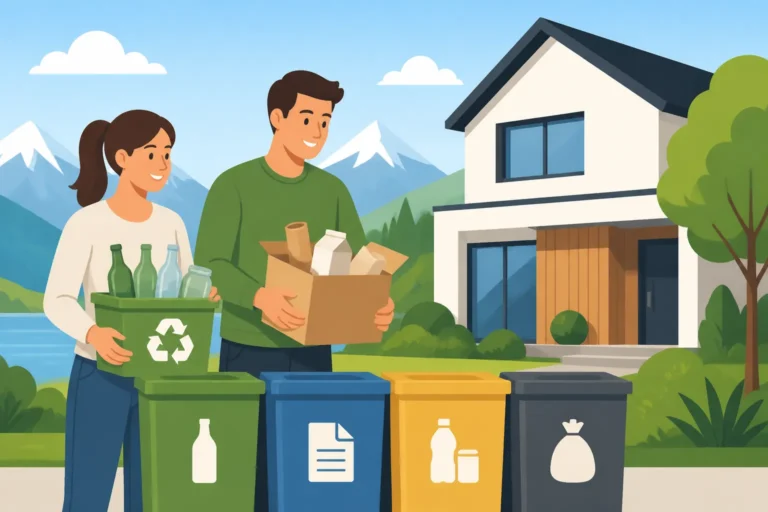
The "Quiet Hours" in Switzerland are legendary, but they are enforced with much more vigor in the countryside. In a city apartment, your neighbors might be fellow expats who don't care if you run your dishwasher at 11:00 PM. In a village, the Swiss Everyday Rules: Recycling, Quiet Hours, and Neighborhood Etiquette are the law of the land.
Sundays are sacred. You do not mow your lawn, you do not hang your laundry outside where neighbors can see it, and you certainly do not wash your car. These rules are designed to maintain the "Ruhe" (peace) that makes the countryside so attractive. If you are the type of person who likes to catch up on loud housework on your day off, the social friction of rural life might frustrate you.
Car Ownership and Maintenance
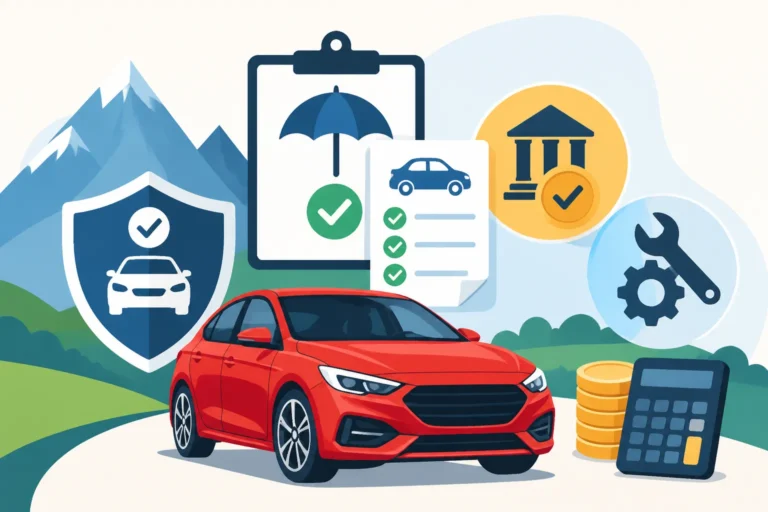
If you choose the rural path, you will likely end up looking into Buying a Car in Switzerland: Leasing vs Financing Financial Comparison. Beyond the purchase price, you must account for the "winter reality." In the city, the trams always run. In the mountains, you need a 4×4 or at least very high-quality winter tires and the knowledge of how to drive on black ice.
Parking is another major difference. City parking is a nightmare of "Blue Zones" and expensive permits. In the countryside, your apartment almost certainly comes with a designated "Abstellplatz" (parking spot) or a garage, often for a fraction of the city price. For many expats, the freedom of having a car and a guaranteed spot is the ultimate luxury that tips the scale toward rural living. Ensure you understand Driving in Switzerland: Licenses, Buying Cars, and Strict Traffic Laws before you make the leap, as the fines for speeding in rural zones are just as high as in the city.
Finding the Middle Ground: The Commuter Towns
If the choice between the extreme urban sprawl and the silent mountain peaks feels too binary, there is a third way: the Where to Live in Switzerland: Cantons, Cities, and Commuter Zones. Towns like Winterthur, Baden, Olten, or Nyon offer a "city-lite" experience.
These areas provide a compromise. You get slightly lower rents and a bit more space, but you are still only 15 to 20 minutes away from a major hub by train. You have a local community that is a bit more used to foreigners, but you still get to see green fields from your kitchen window. For many first-time expats, starting in a commuter town is the safest bet. It allows you to stabilize your life, observe the Swiss culture from a safe distance, and decide later if you want to dive into the deep rural experience or move back into the heart of the city.
Moving Your Life with Confidence
Regardless of where you land, the transition to Switzerland is a massive undertaking. The paperwork, the permit registrations, and the physical move can be overwhelming. If you are planning a move from a city to the countryside, don't underestimate the complexity of mountain logistics. Using a reputable moving platform like Sirelo can take the sting out of the process, ensuring your belongings arrive safely while you navigate the administrative hurdles of your new commune.
And remember, as you travel between potential homes to view apartments, staying connected is key. Using a service like Airalo ensures you have GPS and translation tools at your fingertips, even when you're deep in the valleys of Ticino or high in the Jura mountains looking for your dream home.
Disclaimer
This guide is for informational purposes only and based on personal expat experiences and current Swiss regulations as of 2026. Taxation, rental laws, and immigration rules are subject to change and can vary significantly between cantons and communes. Always consult with official cantonal authorities or a qualified legal professional before making financial or residency decisions.