Bilingual Schools in Switzerland for Expat Families
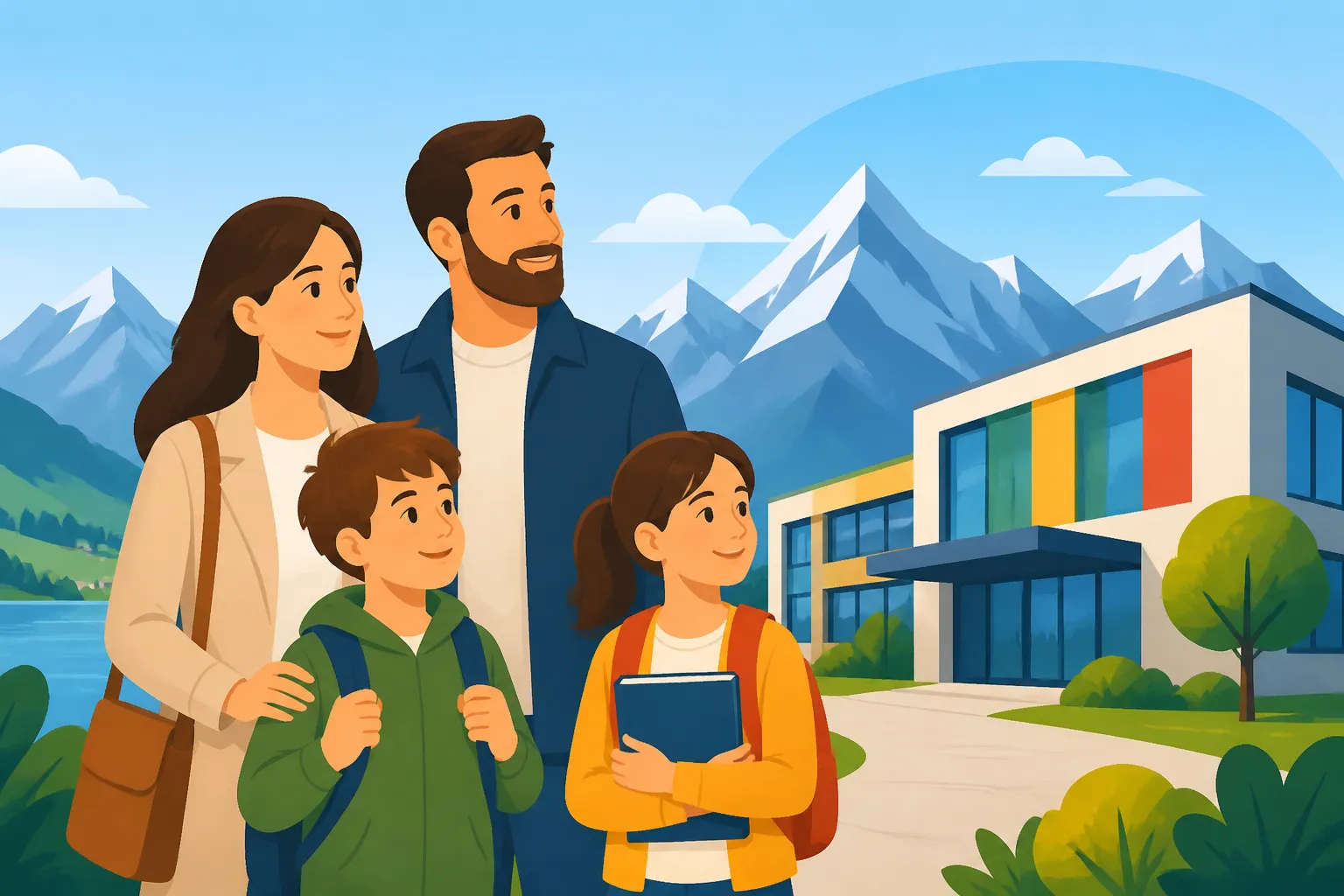
One of the biggest worries for expat families landing in Switzerland, especially with kids of school age, is undoubtedly finding the right education. It’s not just about academics; it's about cultural integration, language acquisition, and ensuring your children thrive in a completely new environment. The Swiss public school system is excellent, but for many international families, the idea of a purely local curriculum, particularly in a language their children don't yet master, can feel daunting. This is where bilingual schools step in, offering a bridge that often feels like a lifeline, blending the best of both worlds and setting your children up for success, no matter where their future takes them. This guide will walk you through the ins and outs of bilingual schooling in Switzerland, from understanding the various models to navigating the application process.
Why Bilingual Education Resonates with Expat Families in Switzerland
When you move your family to Switzerland, you're not just relocating a household; you're transplanting young lives into a new linguistic and cultural landscape. The public school system here is fantastic, truly world-class, but it operates primarily in the local language—German, French, or Italian, depending on your canton. For children arriving with little to no exposure to these languages, the thought of them being immersed entirely can spark understandable anxiety for parents. This is precisely why bilingual education has become such a compelling option for many expat families.
The Allure of Multilingualism
Let's be honest, living in a country like Switzerland, where multilingualism is practically ingrained in the national identity, makes the prospect of your child becoming fluent in multiple languages incredibly appealing. Bilingual schools tap directly into this aspiration. They offer a structured environment where children learn academic subjects not just in one language, but in two, typically English and a local Swiss language (German, French, or sometimes Italian). This isn't just about learning vocabulary; it's about developing cognitive flexibility, cultural understanding, and a deeper appreciation for diverse perspectives. Imagine your child effortlessly switching between English and Swiss German, discussing history in one and solving math problems in the other. It's a powerful tool that opens up so many doors, both academically and socially. It helps them engage with their immediate environment while maintaining a strong connection to their native language or an international lingua franca like English.
Bridging Cultures and Curricula
One of the often-underestimated benefits of bilingual schools for expat families is their ability to bridge cultural gaps. Many international families bring with them specific educational philosophies or curriculum expectations from their home countries. While the Swiss public system is robust, its pedagogical approach and specific curriculum can differ significantly from, say, the British, American, or IB (International Baccalaureate) systems. Bilingual schools frequently incorporate elements of these international curricula, often blending them with Swiss educational standards. This hybrid approach means children aren't completely adrift from what they might have been learning before, nor are they fully isolated from the local educational context. They get the best of both worlds: a familiar academic framework that eases transition, alongside crucial exposure to Swiss culture and values. This can make the move much smoother, not just for the children but for the entire family, reducing stress and fostering a sense of belonging in a new country.
Easing Transition and Future Pathways
The initial transition to a new country is tough for anyone, but for children, it can be particularly overwhelming. Dropping them into a school where they don't understand the teacher or their classmates can be traumatizing. Bilingual schools provide a softer landing. By starting in a language they already know (usually English) while gradually integrating the local language, they build confidence and competence without the immediate pressure of full immersion. This gradual approach allows them to adapt socially and emotionally at their own pace, which is paramount for their well-being. Furthermore, the education received at a reputable bilingual school often provides a versatile pathway for their future. Whether your family eventually moves back to your home country, to another international destination, or chooses to stay in Switzerland, the curriculum often offers recognition across different educational systems. This can be crucial if you're planning for university abroad or even considering the local Swiss higher education system later on. It’s about building foundational skills that transcend borders.
Navigating the Landscape of Bilingual Schools in Switzerland
Switzerland's educational landscape can feel like a labyrinth, especially when you start looking beyond the standard public system. Bilingual schools, while offering a fantastic solution, come in various forms, each with its own characteristics, language focus, and cost implications. Understanding these nuances is key to finding the perfect fit for your family. It's not a one-size-fits-all situation, and what works beautifully for one family might be entirely unsuitable for another.
Common Bilingual Models and Curricula
When you delve into bilingual schools here, you'll encounter a few main models. The most common is the Immersion Model, where subjects are taught entirely in one language for a period, then switch to the other. For instance, half the day might be in English, the other half in German, or specific subjects might be assigned a primary language. Another popular approach is Dual Language Immersion, aiming for equal instruction in both languages, usually 50/50. Some schools operate with one teacher speaking English and another speaking the local language in the same classroom, allowing constant exposure.
In terms of curricula, you'll find a blend. Many private bilingual schools offer internationally recognized programs like the International Baccalaureate (IB), which is highly valued worldwide and often delivered primarily in English, with strong local language support. Others might follow a British Curriculum (IGCSE/A-Levels) or an American Curriculum, again with significant integration of German or French language instruction. Then there are those that blend a Cantonal (Swiss) Curriculum with an international one. For example, a school might follow the Lehrplan 21 (the curriculum for German-speaking Switzerland) but deliver much of the instruction in English, slowly phasing in German as the students progress. This blended approach is particularly good for families considering long-term stays or those who want their children to be fully integrated into Swiss society while retaining English proficiency. When researching, pay close attention to the specific curriculum offered, as it will impact university admissions later on.
Regional Availability and Language Pairs
Switzerland is famously diverse, and this extends to its linguistic regions, which directly impacts the types of bilingual schools available.
- German-speaking Switzerland (e.g., Zurich, Basel, Bern, Zug): Here, the dominant bilingual pairing is English-German. You'll find numerous options, from schools that start heavily in English and gradually increase German, to those that aim for a 50/50 split from an early age. Cities like Zurich and Zug have a high concentration of international families, leading to a wider array of well-established bilingual institutions. For example, schools in the Zurich area often start English-heavy in primary years and introduce more German over time, aiming for strong fluency by secondary school. Basel, with its strong international pharma presence, also offers excellent choices.
- French-speaking Switzerland (Romandie, e.g., Geneva, Lausanne, Vaud): In these cantons, the pairing is predominantly English-French. Geneva, being an international hub, boasts some of the oldest and most respected international and bilingual schools, often with an emphasis on the IB curriculum. Lausanne and the Vaud region also have growing options, catering to the increasing number of expat families in the area.
- Italian-speaking Switzerland (Ticino): While fewer in number, you can find English-Italian bilingual programs here, though they might be less common than in the larger language regions.
It's crucial to research the specific canton and even city you're moving to. What's available in Zurich might not exist in Lugano, and vice-versa. Think about what languages you truly want your child to master and align that with the local offerings.
Understanding the Costs: Public vs. Private Bilingual Options
Here's where the reality check often kicks in. Bilingual education in Switzerland, especially within private institutions, can be a significant financial investment.
- Private Bilingual Schools: These schools typically come with hefty tuition fees. Annual costs can range anywhere from CHF 20,000 to CHF 40,000 or even more, depending on the school's reputation, facilities, and the curriculum offered (IB schools, for instance, tend to be on the higher end). These fees usually cover tuition, materials, and some extracurricular activities but often exclude things like school trips, uniforms, and specialized support. When you're budgeting for family life in Switzerland, this is a major line item to consider, as it contributes significantly to the overall Cost of Living in Switzerland 2026. However, many expat contracts do include an education allowance, so it’s worth checking your employment package.
- Public Bilingual Programs: This is where things get interesting and often more accessible. Some cantons and municipalities, recognizing the growing international population and the value of multilingualism, have started offering public bilingual programs within their state schools. These are significantly cheaper, often only requiring a contribution for materials or optional activities, similar to standard public school fees. These programs are usually German/French-English and aim to integrate foreign children while enhancing the language skills of local Swiss children. The catch? They are often highly competitive, have specific catchment areas, or might only be available in certain cities or within particular school districts. For instance, in cities like Zurich, some public schools offer bilingual streams. This is definitely something to investigate, but be prepared for a rigorous application process or specific residency requirements. They represent a fantastic opportunity for those who can get in, offering a high-quality education without the private school price tag. Remember to check out resources on Enrolling Your Child in a Swiss Public School: Step-by-Step, as the process for bilingual streams might have additional steps.
Key Considerations When Choosing a Bilingual School
Choosing a school for your child is one of the most significant decisions you'll make as an expat parent. It’s not just about what sounds good on paper; it's about finding an environment where your child will flourish, feel supported, and truly belong. With bilingual schools, there are even more layers to peel back.
Academic Rigor and Accreditation
Of course, academics are paramount. You want to ensure the school provides a high-quality education that challenges your child appropriately. When evaluating schools, look beyond the shiny brochures. Inquire about their academic results, especially for external examinations like the IB Diploma or IGCSEs. What percentage of students go on to higher education, and where do they attend? Ask about teacher qualifications – are they certified in both languages of instruction? Are there robust support systems in place for students who might struggle with one of the languages or subjects?
Accreditation is another vital indicator of quality. Many international bilingual schools are accredited by recognized bodies such as the Council of International Schools (CIS), the New England Association of Schools and Colleges (NEASC), or the Independent Schools Inspectorate (ISI) for British curriculum schools. This accreditation signals that the school meets stringent international standards and undergoes regular external review. For blended Swiss-international curricula, ensure they are recognized by the relevant cantonal education authority. This provides reassurance that the education your child receives will be recognized locally and internationally, should your family's journey take you elsewhere.
The Importance of School Culture and Community
Beyond the curriculum and grades, the 'feel' of a school—its culture and community—can make or break your child’s experience. Expats often seek a place that understands the unique challenges of transient international families. Does the school have a strong expat parent community? Are there programs or support groups for new families? A welcoming and inclusive environment can significantly ease your child’s transition and yours. Consider factors like:
- Diversity: Does the student body reflect a diverse international mix, or is it predominantly one nationality? A truly international environment can enrich your child’s global perspective.
- Pastoral Care: What kind of emotional and social support is available for students? Moving is stressful, and children might need extra help adjusting. Are there counselors, mentors, or designated staff members to assist with well-being?
- Extracurricular Activities: A balanced education isn't just about academics. What range of sports, arts, clubs, and other activities are offered? These provide opportunities for your child to explore interests, make friends, and develop new skills. Consider if the school actively promotes integration into local Swiss activities or if it remains largely a separate bubble.
- Parent Involvement: How does the school encourage parent participation? A strong parent-teacher association or regular communication channels can help you stay informed and connected.
Remember, you’re looking for a second home for your child during the school day. It needs to be a place where they feel safe, heard, and excited to learn.
Logistical Practicalities and Location
While ideal educational philosophy is important, don't overlook the practicalities, especially in Switzerland where public transport is excellent but commuting can still eat into your day.
- Location and Commute: Where is the school located in relation to your home and workplace? While a car is an option, public transport is often the most efficient way for children to get to school independently as they get older. Consider travel times and how your child would commute. A long daily commute can be exhausting and reduce time for homework or extracurriculars. If you’re still planning your move, consider how school locations might influence your choice of neighborhoods.
- School Hours and After-School Care: Swiss school days can sometimes be shorter than what many expats are used to, especially in primary years. What are the start and end times? Does the school offer after-school care or a Hort? This can be crucial for working parents. Explore options for After-School Care (Tagesschule and Hort) in Switzerland Explained to manage your child's schedule.
- School Calendar: Be aware of the school holiday schedule. It might differ significantly from public schools or your home country, which can impact family travel plans or childcare arrangements during breaks.
- Food and Facilities: Does the school provide lunch, or do children bring packed meals? What are the facilities like – libraries, sports halls, science labs? Are there outdoor play areas that are well-maintained and accessible?
These seemingly minor details can have a significant impact on your family’s daily life and overall well-being. Don’t hesitate to ask detailed questions during school visits.
The Application Process and What to Expect
Once you've narrowed down your choices, the real work begins: the application process. While generally streamlined, it requires careful attention to detail and a good understanding of Swiss administrative expectations. It's often not as simple as just filling out a form, especially for competitive schools.
Admission Requirements and Timelines
Every school will have its own specific requirements, but some common themes emerge. You'll typically need to provide:
- Application Form: Usually available online.
- Child's Birth Certificate and Passport/ID: For identification and age verification.
- Parental Passports/Residence Permits: To confirm your residency status.
- Previous School Reports: Academic records from the past 2-3 years are usually required to assess your child's academic standing and fit. These often need to be in English, German, or French, or officially translated.
- Teacher References: Some schools request confidential references from current teachers.
- Language Proficiency Proof: For the local language, especially if your child is entering a higher grade and aiming for a 50/50 bilingual split. For English, if it's the primary language of instruction, they'll want to ensure your child can follow.
- Deposit/Application Fee: Many private schools require a non-refundable application fee and a substantial deposit upon acceptance.
Timelines are critical. Popular bilingual schools, especially in cantons like Zurich and Geneva, can have long waiting lists, sometimes even for primary years. Many open applications a year in advance for the following academic year. If you're moving to Switzerland mid-year, securing a spot can be more challenging but not impossible, as places can open up. It’s always best to apply as early as possible. Don't be shy about contacting admissions offices directly to understand their specific deadlines and availability. They understand that expat moves aren't always neatly planned months in advance.
Preparing Your Child for Assessment
Many bilingual schools, particularly for entry into primary grades or higher, will conduct some form of assessment. This is not necessarily about being "tested" in a high-pressure way, but rather to gauge your child's academic readiness, language skills, and social-emotional development.
- Academic Assessment: This might involve short exercises in reading, writing, and math to determine their current level and identify any potential learning gaps. Schools want to ensure your child can cope with the curriculum.
- Language Assessment: For bilingual programs, they'll assess proficiency in both English and the local language. For younger children, this might be a playful interaction to observe their comprehension and communication. For older children, it could be more formal written and oral tests. If your child is new to the local language, schools often look for aptitude and willingness to learn, not necessarily immediate fluency.
- Interview/Observation: Especially for younger children, schools might observe them in a group setting or conduct a friendly interview to see their personality, social skills, and how they interact with adults and peers.
- "Schnuppertag" (Trial Day): Some schools offer a trial day where your child spends a day in a class. This is a fantastic opportunity for them to experience the school environment firsthand and for the school to observe them in a natural setting.
The best preparation is to ensure your child feels comfortable and confident. Reassure them that these assessments are just a way for the school to get to know them better, not a pass/fail exam. Continued exposure to reading in their strongest language, open-ended discussions, and encouraging curiosity will always serve them well. If you're arriving from abroad, consider using services like Airalo for an eSIM to ensure you have connectivity from day one to manage school communications while you sort out local SIM cards.
Beyond Academics: Supporting Your Child's Integration
Getting into a great bilingual school is a huge step, but the journey doesn't end there. Supporting your child's broader integration into Swiss life is equally vital.
- Language Practice Outside School: While school provides formal language instruction, encourage informal practice. This could mean watching local TV shows, reading Swiss children's books, or engaging in local activities. Consider finding an English-Speaking Pediatrician in Zurich Oerlikon who can communicate with both you and your child in a familiar language during check-ups, helping to ease worries in a new healthcare system.
- Extracurriculars and Local Clubs: Enrolling your child in local sports clubs (Vereine), music lessons, or youth groups is a fantastic way for them to make Swiss friends and practice the local language in a fun, pressure-free environment. This is a huge part of Community and Integration: Making Friends and Adapting to Swiss Life.
- Connecting with Other Parents: Seek out parent networks, both expat and local, at the school and in your community. They can offer invaluable advice, support, and friendship.
- Home Support: Create a stable and supportive home environment. Moving is a big change, and children thrive on routine and feeling secure. Be open to discussing their feelings and experiences, both positive and challenging.
- Utilize Relocation Support: If your employer offers relocation services, leverage them. Professionals like Sirelo can assist with the logistics of your move, freeing you up to focus on your family's emotional and educational needs. They can help with everything from shipping your belongings to setting up your new home, reducing overall stress during this demanding time.
Bilingual education in Switzerland truly is a powerful tool for expat families. It offers a unique blend of global connectivity and local integration, equipping children with the linguistic and cultural agility to thrive in this beautiful, complex country and beyond. It’s an investment, not just financially, but in your child’s future.
| School Model | Primary Language(s) of Instruction | Typical Curricula Offered | General Cost (Annual CHF) | Key Benefit for Expats |
|---|---|---|---|---|
| Private Bilingual | English + Local Language (50/50 or immersion) | IB, British, American, Swiss-International blend | 20,000 – 40,000+ | High international recognition, soft landing, diverse community |
| Public Bilingual Stream | Local Language + English (variable split) | Cantonal (Lehrplan 21, Plan d'études romand) | Low (nominal fees) | Cost-effective, strong local integration, high quality |
| International School | Primarily English | IB, British, American | 25,000 – 50,000+ | Familiar curriculum, global cohort, university pathways |
Disclaimer
The information provided in this article is intended for general guidance and informational purposes only. While we strive to offer accurate and up-to-date content based on our experiences as expats and publicly available information, school offerings, admission requirements, costs, and availability can change rapidly and vary significantly by canton and institution. We strongly recommend contacting individual schools and relevant cantonal education authorities directly for the most current and specific details applicable to your family's situation. This article does not constitute professional educational, legal, or financial advice.