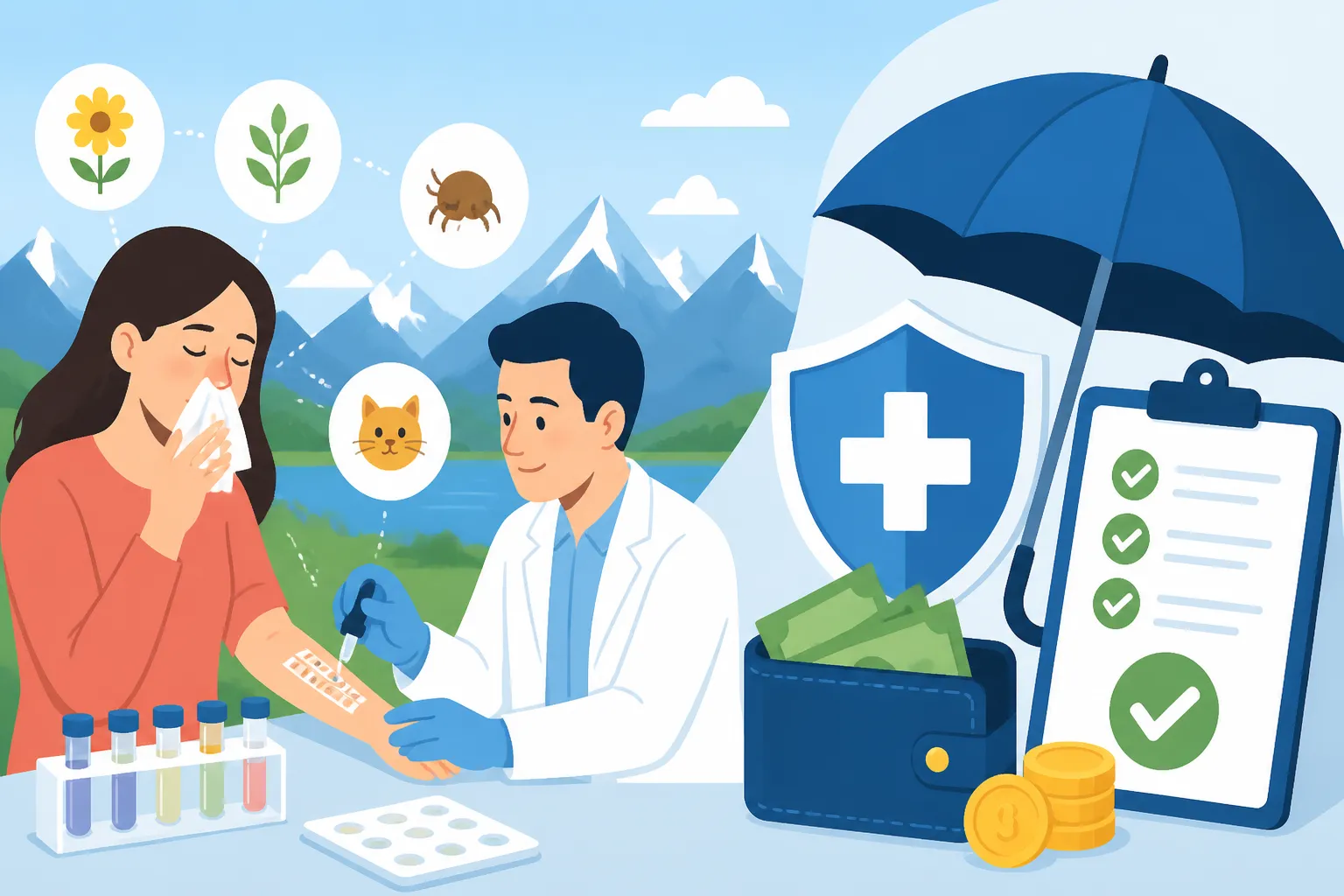
Allergy Testing in Switzerland: Costs and What Insurance Covers
Oh, the joys and mysteries of Swiss healthcare when something as specific as allergies starts to flare up! You’ve probably felt that familiar frustration: symptoms popping up, wondering if it's the famous Swiss pollen, certain foods, or something else entirely, and then the daunting question of "How do I even get this checked here, and what on earth will it cost me?" Trust me, you're not alone. Many of us expats have navigated this maze. This comprehensive guide is here to demystify allergy testing in Switzerland, walking you through what to expect, how the costs work, and exactly what your mandatory health insurance will cover.
Understanding Allergy Testing in Switzerland: What to Expect
When your body decides to declare war on seemingly harmless substances, getting to the bottom of it in a new country can feel overwhelming. But fear not, the Swiss healthcare system, while intricate, is highly efficient once you know the ropes. Allergy testing here is thorough and systematic, much like everything else.
Initial Consultation and Diagnosis
Your journey typically begins not with an allergist, but with your general practitioner, or Hausarzt. This initial consultation is crucial. You’ll sit down with your doctor, often in a calm and measured setting, to discuss your symptoms in detail: when they occur, what seems to trigger them, their severity, and your general medical history. This is where you might feel a language barrier if you haven't yet mastered German, French, or Italian, but many doctors, especially in larger cities and expat-heavy cantons, speak excellent English. Don't be afraid to ask for an English-speaking doctor or even bring a friend to translate if needed. Remember, clear communication is key to getting the right diagnosis.
Your Hausarzt will evaluate if your symptoms truly point towards an allergy and determine the most appropriate next steps. They might suggest some initial tests themselves or refer you directly to a specialist. For more on how to secure a primary care physician, you might find our guide on Finding an English-Speaking Family Doctor (Hausarzt) in Major Cantons particularly useful.
Common Allergy Testing Methods
Once the decision is made to proceed with testing, you’ll encounter a few common methods designed to pinpoint the exact allergens responsible for your discomfort. Each has its own approach and is chosen based on the type of allergy suspected.
Skin Prick Tests (SPT)
This is by far the most common and often the first line of defense in allergy diagnostics. It’s relatively quick, minimally invasive, and provides immediate results.
- How it works: A tiny drop of a suspected allergen extract (think pollen, dust mites, pet dander, or various foods) is placed on your forearm or back. Then, the skin underneath is gently pricked with a small lancet, just enough to allow the allergen to enter the superficial layer of your skin. It’s not a deep puncture, more like a light scratch, and generally causes minimal discomfort.
- What it tests for: Immediate allergic reactions mediated by IgE antibodies, which are common in hay fever, asthma, and food allergies.
- Results: After about 15-20 minutes, the doctor or nurse will check for reactions. A red, itchy bump (wheal) resembling a mosquito bite, often with a surrounding flare, indicates a positive reaction to that specific allergen. The size of the wheal helps the allergist interpret the severity, though it’s not a direct measure of your allergic symptoms in daily life.
Blood Tests (Specific IgE Blood Tests)
Sometimes, a skin prick test isn't suitable, perhaps due to extensive skin conditions, certain medications (like antihistamines that can interfere with SPT results), or if there's a risk of severe reaction. In these cases, your doctor will likely order a blood test.
- How it works: A blood sample is taken, usually from your arm, and sent to a specialized laboratory. The lab then measures the levels of specific IgE antibodies in your blood that react to individual allergens.
- What it tests for: Similar to SPT, these tests identify IgE-mediated allergies to a wide range of substances.
- Pros and Cons: While less immediate than an SPT (results take a few days to a week), blood tests are safer if you have very sensitive skin or are prone to severe reactions. They can also test for a broader spectrum of allergens simultaneously. However, they can sometimes be more expensive and may not always correlate perfectly with real-world symptoms, making clinical interpretation vital.
Patch Tests
If you suspect contact dermatitis—an allergic reaction where your skin touches a substance (like nickel, certain cosmetics, or chemicals) and develops a rash days later—a patch test is the way to go.
- How it works: Small patches containing various potential allergens are applied to your back. These patches remain on your skin for 48 hours. After this time, you return to the clinic, and the patches are removed, with an initial reading taken. A second reading is typically done 24-48 hours later (72-96 hours after initial application) to catch delayed reactions.
- What it tests for: Delayed-type hypersensitivity reactions, primarily contact dermatitis.
- Duration: This test requires multiple visits and patience, as reactions aren't immediate.
Elimination Diets and Oral Food Challenge Tests
For suspected food allergies, especially in complex cases or when other tests are inconclusive, an elimination diet followed by an oral food challenge might be recommended. This is always done under strict medical supervision.
- Elimination Diet: You remove suspected foods from your diet for a period (e.g., 2-4 weeks) to see if symptoms improve.
- Oral Food Challenge (OFC): If symptoms improve on the elimination diet, the suspected food is gradually reintroduced in increasing amounts, typically in a hospital or clinic setting with emergency equipment on hand. This is the "gold standard" for diagnosing food allergies but carries a risk, hence the need for medical oversight.
Finding an Allergist or Specialist
Depending on your health insurance model, you might need a referral from your Hausarzt to see an allergist. If you have a standard or free-choice model, you generally don’t need a referral, but it’s always a good idea to inform your GP for continuity of care. However, if you're on an HMO or family doctor model, skipping this step could mean your insurance won't cover the specialist’s fees. Our article on Accessing Specialists Without a Referral: What Your Insurance Model Allows delves deeper into this.
Allergists (or allergology departments) are typically found in larger hospitals, specialized clinics, or private practices. University hospitals in cities like Zurich (UniversitätsSpital Zürich), Geneva (Hôpitaux Universitaires de Genève – HUG), Basel (Universitätsspital Basel), and Bern (Inselspital) often have excellent allergology and immunology departments that deal with complex cases and research.
The Costs of Allergy Testing: Breaking Down the Bill
Now, let's talk about the elephant in the room for many expats: the cost. Healthcare in Switzerland is undeniably expensive, and allergy testing is no exception. Understanding how the costs are structured and what you're liable for is key to avoiding nasty surprises.
Average Costs Without Insurance Coverage
It’s always difficult to give exact figures because prices can vary significantly between cantons, specific clinics, and even based on the number of allergens tested. However, I can provide you with some realistic ranges based on what I and other expats have experienced. These are uncovered costs, meaning before your deductible and co-pay kick in.
| Type of Allergy Test | Estimated Cost Range (CHF) | Notes |
|---|---|---|
| Initial Consultation | 100 – 300 | This covers the doctor’s time, basic examination, and discussion of symptoms. |
| Skin Prick Test (SPT) | 200 – 600 | Price depends on the number of allergens tested (e.g., 20-30 common allergens vs. 60+). This is in addition to the consultation fee. |
| Specific IgE Blood Test | 300 – 1000+ | Highly variable. Cost depends on how many specific allergens are screened (e.g., individual food allergens vs. broad panels). Laboratory costs are a significant factor here. |
| Patch Test | 400 – 800 | Covers the application, initial reading, and second reading over several days, plus the materials used. |
| Oral Food Challenge (OFC) | 800 – 2000+ | This is typically done in a hospital or specialized clinic setting and can involve several hours of supervision, making it the most expensive diagnostic test. Often includes facility fees and specialist time. |
| Follow-up Consultations | 80 – 250 | To discuss results and treatment plans. |
Keep in mind that these are just estimates for the testing itself. You will also have separate charges for the doctor's consultation time, whether it's your Hausarzt or a specialist. These often include specific charges for documentation, brief examinations, and sometimes even the use of the examination room.
Factors Influencing Cost
Several elements play a role in the final bill you receive for allergy testing:
- Type of Test: As seen in the table, a simple skin prick test is generally less expensive than a comprehensive blood panel or a supervised oral food challenge.
- Number of Allergens: The more substances your body is tested against, the higher the cost, especially for blood tests where each specific IgE measurement adds to the lab fee.
- Provider: Fees can vary between a private practice allergist, a hospital outpatient clinic, or a larger university hospital. Specialists in prime city locations may also charge more.
- Laboratory Costs: For blood tests, the lab fees are a significant component. Swiss labs are known for their high quality, but this comes at a price.
- Consultation Fees: Every visit, whether for the test itself or to discuss results, incurs a consultation fee. These are billed based on time and complexity according to the TARMED tariff system.
The Swiss Billing System: Tiers Garant vs. Tiers Payant
One of the first things you'll notice about Swiss medical bills is that you'll often pay them yourself first. This is primarily due to the Tiers Garant system. Under this system, the healthcare provider (doctor, lab, hospital) sends the bill directly to you. You are responsible for paying it, and then you submit the paid bill (or the original bill and proof of payment) to your health insurance company for reimbursement. Once your deductible (Franchise) has been met, and your co-pay (Selbstbehalt) is calculated, your insurer will transfer the covered amount back to you.
The alternative, Tiers Payant, where the insurer pays the provider directly, is less common for outpatient services like allergy testing, though it can occur, particularly in hospitals or with certain insurance arrangements. To get a handle on how these systems work and how to navigate them, our guide on How to Pay Medical Bills: Tiers Garant vs. Tiers Payant Billing Systems is an absolute lifesaver.
What Basic and Supplementary Insurance Covers
Navigating Swiss health insurance can feel like deciphering ancient hieroglyphs, but for allergy testing, the rules are fairly straightforward, provided the tests are deemed medically necessary.
Mandatory Basic Health Insurance (KVG/LAMal)
Every single resident in Switzerland, including expats, must have basic health insurance, known as KVG (Krankenversicherungsgesetz) in German or LAMal (Loi sur l'assurance-maladie) in French. This mandatory insurance covers a wide range of essential medical services, and thankfully, this includes medically necessary allergy testing.
- "Medically Necessary" is Key: This is the crucial phrase. Your basic insurance will cover allergy tests if a doctor determines that they are required to diagnose a health condition, manage existing symptoms, or guide appropriate treatment. For example, if you're experiencing chronic respiratory issues, severe skin reactions, or anaphylaxis-like symptoms, testing will almost certainly be covered. It won't cover "curiosity" testing or extensive panels for very mild, self-limiting symptoms unless there's a clear medical indication.
- Deductibles and Co-pays: Even with coverage, you won't pay nothing. You are responsible for your chosen annual deductible (Franchise), which can range from CHF 300 (the lowest for adults) to CHF 2,500 (the highest). Once you've paid medical bills up to your Franchise amount within a calendar year, your insurance starts paying. However, you'll still be responsible for a 10% co-pay (Selbstbehalt) on all subsequent bills, up to a maximum of CHF 700 per year for adults. Our detailed article on The Swiss Franchise System: How Deductibles and Copays Work provides an in-depth look at these costs.
- Impact of Your Insurance Model: Your chosen basic insurance model (e.g., Standard, Telmed, HMO, Family Doctor) can influence how you access allergy testing.
- Standard (Free Choice): You can usually go directly to a specialist allergist without a referral from your GP, though informing your GP is good practice.
- Family Doctor (Hausarztmodell): You must see your registered family doctor first, who will then refer you to an allergist if needed. Bypassing them can result in non-coverage.
- HMO (Health Maintenance Organization): Similar to the family doctor model, you must consult your designated HMO center or GP within the network before seeing a specialist.
- Telmed: You typically call a telehealth service first to discuss your symptoms. They will then advise you on whether to see a GP or a specialist.
For a more detailed comparison, check out Comparing Health Insurance Models: Telmed, HMO, Family Doctor, and Standard.
Understanding KVG/LAMal: Mandatory Basic Health Insurance Explained is fundamental to comprehending your coverage. Remember, you have a 90-day window upon arrival to sign up for this mandatory insurance, as detailed in Mandatory Registration: How to Sign Up for Health Insurance Within 90 Days.
Supplementary Health Insurance (VVG)
Beyond the basic KVG, many expats opt for supplementary health insurance, known as VVG (Versicherungsvertragsgesetz). These policies are not mandatory and vary wildly in what they offer. For allergy testing specifically, VVG usually doesn't significantly expand the types of medically necessary diagnostic tests covered beyond KVG. If KVG covers a test, VVG won't make it "more covered" in terms of percentage.
However, VVG can offer benefits that might indirectly relate or enhance your overall healthcare experience with allergies:
- Complementary Medicine: Some VVG policies cover complementary therapies like acupuncture or homeopathy, which some individuals explore for allergy management (though typically not for initial diagnosis).
- Enhanced Hospital Stays: If a severe allergic reaction or an oral food challenge requires an overnight hospital stay, certain VVG policies might cover a semi-private or private room upgrade, offering more comfort and choice.
- Eyewear/Medication: Some VVG plans contribute to prescription eyewear or certain medications not fully covered by KVG, which might include antihistamines or allergy-related eye drops.
It's essential to carefully review your specific VVG policy to understand its benefits. Our guide on Supplementary Health Insurance (VVG): What It Covers and When to Buy It offers more insights into these optional add-ons.
For short-term stays, visitors, or those in transition before their mandatory KVG fully kicks in, a travel health insurance like SafetyWing can be a lifesaver. While it's not a replacement for KVG for residents, it can provide crucial coverage for unexpected medical needs, including acute allergic reactions, when you're traveling or in the initial phase of relocation. Always read the fine print, as its scope differs significantly from KVG.
Navigating Reimbursements and Claims
Once you've had your allergy tests, the paperwork begins. You'll typically receive a detailed bill (a Rückforderungsbeleg or facture) from the doctor or clinic.
- Pay the Bill: As discussed, under Tiers Garant, you usually pay the bill first.
- Submit to Insurer: Gather all original bills, prescriptions, and if possible, any medical reports from your doctor about the necessity of the tests. Send these to your health insurance provider. Many insurers now offer online portals or apps for easy submission.
- Wait for Reimbursement: Your insurer will process the claim. They will apply your deductible, calculate the co-pay, and then reimburse you the remaining amount. This process can take a few days to several weeks.
- Review the Statement: When you receive your reimbursement, you'll also get a detailed statement (an Abrechnung) explaining what was covered, what wasn't, and why. It's vital to review this statement carefully to understand if everything was processed correctly. If you have questions, don't hesitate to call your insurer.
To effectively manage these bills and understand your statements, our article on How to Read a Swiss Medical Bill (Rückforderungsbeleg) and Claim Refunds is highly recommended. For those new to Switzerland or in a temporary status, remember that while comprehensive policies are key for long-term residency, providers like SafetyWing can offer peace of mind for travel and initial periods, covering unforeseen medical emergencies.
Practical Tips for Expats Navigating Allergy Testing
Dealing with healthcare, especially when it involves diagnostics, in a new country can test anyone's patience. Here are some seasoned expat tips to help you sail through the allergy testing process in Switzerland.
Language Barriers and Communication
This is often the biggest hurdle. Even if your doctor speaks some English, explaining nuanced symptoms like "my throat feels scratchy and tight after eating hazelnuts" might be challenging.
- Prepare a List: Before your appointment, write down your symptoms, potential triggers, medical history, and any questions you have in English.
- Use Translation Apps: Tools like Google Translate or DeepL can be helpful for quick translations of specific terms, but don't rely solely on them for complex conversations.
- Bring a Friend: If you have a trusted friend who speaks the local language and can act as a cultural and linguistic bridge, ask them to accompany you.
- Don't Be Afraid to Ask: If you don't understand something, ask the doctor to rephrase it, draw a diagram, or explain it more simply. Your health depends on clear communication. If you find your doctor consistently struggles with English, and you need to discuss sensitive health topics, it might be worth exploring options, as highlighted in What to Do If Your Doctor Refuses to Speak English During a Consultation.
Documentation and Record Keeping
In Switzerland, meticulous record-keeping is your best friend when it comes to healthcare.
- Keep Everything: Retain all doctor's notes, referral letters, lab results, and every single bill and insurance statement you receive.
- Create a Digital File: Scan or take clear photos of all documents and keep them in a digital folder, categorized by year or type of medical service. This makes it easy to retrieve them for insurance claims, follow-up appointments, or if you ever change health insurance providers.
- Medical History Summary: Maintain a concise summary of your medical history, including known allergies (even if not yet confirmed in Switzerland), medications, and past treatments. This saves time and ensures accuracy when consulting new doctors.
Understanding Your Policy
The responsibility for understanding your health insurance policy largely rests on you. While this can feel like a burden, it empowers you to make informed decisions and avoid unexpected costs.
- Call Your Insurer: Before undergoing any significant testing, especially if it's expensive or involves multiple steps, call your health insurance provider. Ask them to confirm if the specific tests are covered, what percentage, and how your deductible and co-pay will apply. Get a name and reference number for the call if possible.
- Know Your Model: Be intimately familiar with the requirements of your chosen basic insurance model (Telmed, HMO, Family Doctor). Following the correct referral path is non-negotiable for coverage.
- Be Aware of Your Franchise: Keep track of how much of your annual deductible you've already met. This will significantly impact how much you pay out-of-pocket for new tests.
Always remember that Swiss healthcare, while excellent, requires active participation from the patient to navigate efficiently. Being prepared and proactive will make your allergy testing experience much smoother. For any emergency situations that might arise from severe allergic reactions, it's also wise to understand Emergency Medical Services: Ambulances, REGA, and Crisis Protocols. And once you have your diagnosis, knowing about Pharmacies and Medication: Prescriptions, Costs, and OTC Regulations will be essential for managing any prescribed treatments.
Disclaimer
This article is for general informational purposes only and does not constitute professional advice. Laws, prices and regulations vary by location and change over time. Consult a qualified professional for guidance on your specific situation.