Travel Vaccinations: Tropical Institutes in Basel and Zurich
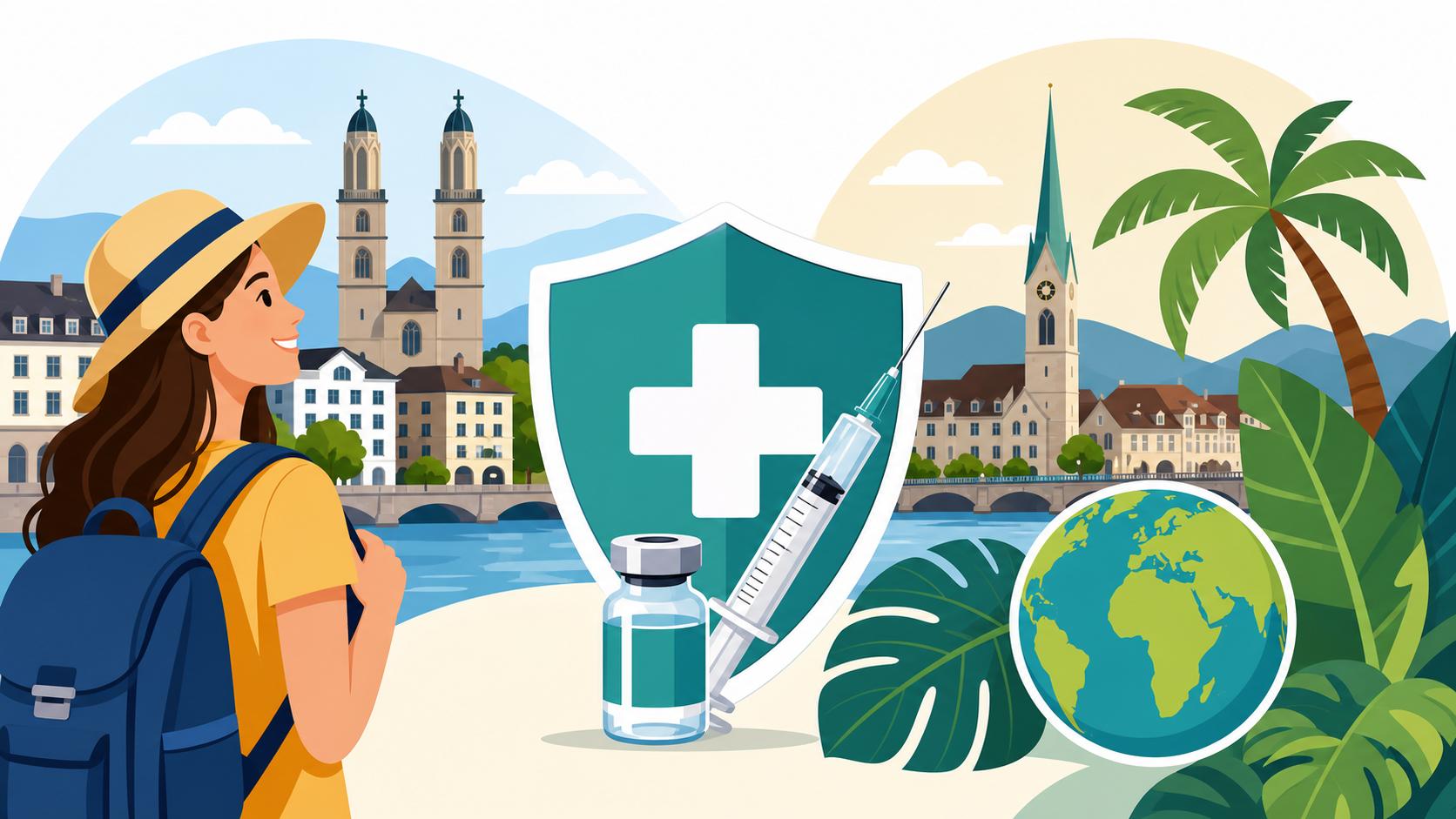
Planning a trip to a tropical destination while living in Switzerland often feels like a secondary administrative job on top of your actual career. When I first moved here, I assumed my regular doctor could handle everything, only to realize that specialized vaccines require specific certifications and clinics. This guide breaks down exactly how to navigate the Tropical Institutes in Basel and Zurich to ensure your health is protected before you head abroad.
Why Specialized Travel Clinics are Essential in Switzerland
In many countries, you might just walk into a local pharmacy or a general practitioner to get a yellow fever shot. In Switzerland, the system is much more stratified. While your local doctor is great for a flu shot or a checkup, travel medicine is treated as a high-level specialty. This is partly due to the strict regulations surrounding the storage and administration of specific vaccines, like those for Japanese Encephalitis or Rabies.
When you are looking at Healthcare in Switzerland for Expats: The Complete System Overview (2027), you will notice that the Swiss prioritize preventative care, but they expect you to go to the right "competence center." If you try to book a travel consultation with a standard Hausarzt, they might be able to do basic Hepatitis A/B boosters, but they will likely refer you to the institutes in Basel or Zurich for the more complex stuff. I learned this the hard way when I waited three weeks for an appointment with my GP, only to be told they didn't stock the Yellow Fever vaccine and I had to start the booking process all over again at a specialist clinic.
Beyond the needles, these institutes provide something your GP often cannot: real-time epidemiological data. They know exactly which province in Vietnam is currently seeing a spike in Malaria or where a new Dengue outbreak has been reported. This level of detail is vital because it prevents you from over-medicating. Taking Malaria pills for a region where the risk is currently negligible is not just expensive; it is a strain on your body. Before you go, I always recommend stocking up on travel essentials like high-quality sunscreens or electrolyte powders from iHerb, as these can be significantly cheaper than what you will find in a local Swiss Apotheke.
Navigating the Swiss Tropical and Public Health Institute in Basel
The Swiss TPH in Basel is arguably the most prestigious institution of its kind in the world. For expats living in the Basel area, or even those in Jura and Solothurn, this is the gold standard for travel prep. Recently, the clinical services moved to a beautiful new facility in Allschwil, just on the outskirts of Basel. It is easily accessible via tram, but do not make the mistake of going to the old buildings near Socinstrasse where they used to be located for decades.
When you book an appointment here, you aren't just getting a jab. You are getting a comprehensive risk assessment. They will ask for your specific itinerary—not just "Thailand," but "three nights in Chiang Mai followed by a week in the islands." This matters because the advice for a city break is worlds apart from a jungle trek. If you are still in the process of Finding Medical Care in Switzerland: Doctors, Specialists, and Referrals, the Swiss TPH is a great example of how efficient the Swiss specialty system can be.
One thing to keep in mind is the "Yellow Booklet" or the International Certificate of Vaccination. If you lost yours during your move to Switzerland, the Basel institute can issue a new one, but you should try to bring any old records you have. If those records are in a language other than German, French, or English, you might want to look into Translating Medical Records from English to German/French for Your Hausarzt or the specialists at the institute to ensure they don't give you a booster you already have. For those who travel frequently for work or live a nomadic lifestyle, having a robust international insurance plan like Cigna Global can be a lifesaver, as they often have much smoother reimbursement processes for these types of specialized clinic visits compared to local providers.
The Centre for Travel Health at the University of Zurich
For those of us living in the Limmat city, the University of Zurich (UZH) operates the Centre for Travel Health, located centrally at Hirschengraben. It is incredibly convenient for a lunch-break appointment if you work in the city center. Unlike Basel’s research-heavy focus, the Zurich clinic feels very much like a high-speed, efficient medical hub designed for the busy professional and the savvy traveler.
Zurich offers both scheduled appointments and, occasionally, limited walk-in hours, though I strongly advise against walking in. The demand in Zurich is massive, especially right before the school holidays in October and July. If you are following a Zurich Expat Healthcare Guide: Hospitals, Clinics, and Emergency Contacts, you should put the Hirschengraben clinic at the top of your list for non-emergency travel needs.
The doctors here are often polyglots. I’ve heard consultations happening in English, Spanish, and French simultaneously in different rooms. They are also very practical about costs. They won't push a vaccine on you if the risk is statistically irrelevant for your trip. However, they will be very firm about things like Tick-borne Encephalitis if you are also planning to hike in the Swiss forests before your tropical trip. If you find the cost of specialized travel gear or post-vaccination care supplements high in the city, iHerb is a reliable resource for getting those items delivered directly to your Swiss address without the Zurich price tag.
Understanding the Costs and Insurance Reality
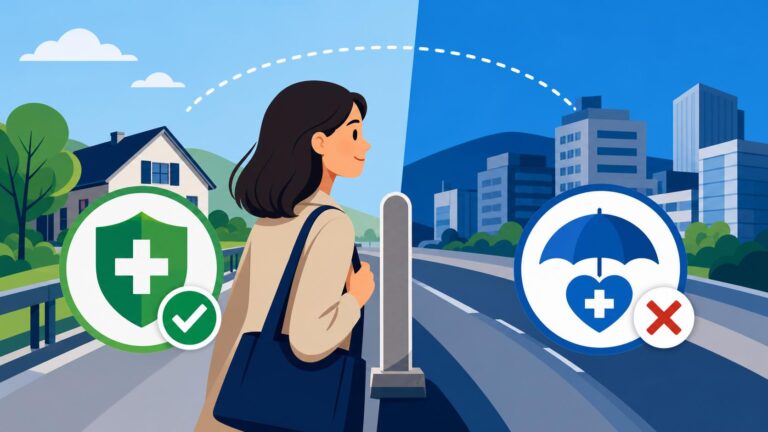
This is where most expats get a bit of a "Swiss shock." In many countries, preventative travel vaccines are either free or heavily subsidized. In Switzerland, the Understanding KVG/LAMal: Mandatory Basic Health Insurance Explained typically does not cover travel vaccinations. Basic insurance is designed to cover illness and accidents within Switzerland, not your voluntary trip to the Amazon.
You will likely be asked to pay at the desk after your consultation. A typical visit including a consultation fee and two or three vaccines can easily run between CHF 200 and CHF 500. This is why understanding Supplementary Health Insurance (VVG): What It Covers and When to Buy It is so important. Many VVG "Ambulatory" or "Wellness" add-ons will cover up to 80% or 90% of travel vaccinations. If you have such a policy, you pay the clinic upfront, get a "Rückforderungsbeleg" (a claim for refund), and send it to your insurer.
| Service / Vaccine | Estimated Cost (CHF) | KVG Covered? | VVG Covered? |
|---|---|---|---|
| Consultation Fee | 60 – 100 | No | Often (up to 90%) |
| Yellow Fever | 60 – 90 | No | Often |
| Hepatitis A/B (Combined) | 80 – 120 | No | Often |
| Rabies (per dose) | 70 – 100 | No | Sometimes |
| Malaria Prescription | 40 – 110 | No | Rarely |
If you are an expat who isn't planning on staying in Switzerland forever, or if you travel so much that the local system feels restrictive, Cigna Global offers plans that can bridge the gap. Their international modules often include better coverage for preventative care and vaccinations globally, which can take the sting out of these high Swiss prices. Additionally, for the everyday medications and "just in case" travel kit items, I’ve found that ordering through iHerb saves me a fortune compared to the local prices for high-end probiotics and travel-sized rehydration salts.
Preparing for Your Appointment and Post-Travel Care
To make the most of your time at the Basel or Zurich institutes, preparation is key. Don't just show up and say you're going to "Africa." Bring a printed itinerary. The risk of Malaria in a coastal resort in Kenya is vastly different from a safari in the Maasai Mara. Also, check your Pharmacies and Medication: Prescriptions, Costs, and OTC Regulations knowledge—some medications prescribed at the tropical institutes might need to be ordered in advance at your local pharmacy if the institute doesn't have them in their small internal dispensary.
If you return from your trip and feel unwell—even if it's just a lingering fever or an unusual rash—do not wait. The institutes in Basel and Zurich aren't just for pre-travel; they are the primary centers for post-travel diagnostics. They have the lab facilities to test for parasites and tropical diseases that a standard hospital might miss. In a crisis, you should know the Emergency Medical Services: Ambulances, REGA, and Crisis Protocols, but for a "slow-burn" illness after a trip, call the Tropical Institute directly first.
For those who are very active in the Swiss outdoors as well, it’s worth asking the doctor at the institute about the FSME (tick) vaccine while you’re there. It’s a local "tropical" problem right here in the Swiss woods. I always tell my friends that a REGA Membership: Why Expats Need Air Rescue Insurance in the Alps is a must for hiking, but the vaccine is what keeps you out of the hospital in the first place.
Finally, keep your records updated. After your appointment, you’ll get your stamps in that little yellow book. Keep it with your passport. Many countries are still strict about showing proof of Yellow Fever vaccination if you are coming from an endemic zone. Losing that book can mean being denied entry at a border or, worse, having to get the live-virus vaccine again sooner than medically necessary. To keep your immune system supported during the heavy vaccination schedule, I often order a round of high-quality Vitamin C and Zinc from iHerb to help my body process the immune response more smoothly. For long-term peace of mind, having a global provider like Cigna Global ensures that no matter where your travels take you after Switzerland, your medical history and coverage follow you seamlessly.
Disclaimer
The information provided in this guide is for informational purposes only and does not constitute professional medical advice, diagnosis, or treatment. Always seek the advice of your physician or a qualified travel medicine specialist at the Swiss TPH or UZH with any questions you may have regarding a medical condition or travel requirements. Reliance on any information provided in this article is solely at your own risk. Insurance coverage varies by provider and individual policy; please verify your specific coverage with your insurance company.