Walk-in Clinics in Lugano: Medical Services Near the Station
Landing in a new country, especially one as organized as Switzerland, can still throw you curveballs when it comes to something as fundamental as healthcare. That sudden cough, a sprained ankle, or a mystery rash that isn't quite an emergency but definitely needs looking at can send you into a spiral of "where do I even go?" I've been there, staring at a government website, utterly lost. This guide is here to untangle the confusion and point you directly to walk-in medical services in Lugano, particularly focusing on convenient options near the station.
Navigating Urgent Care as an Expat in Lugano
One of the biggest anxieties for any expat or tourist is figuring out the local healthcare system, especially when you need medical attention now, but it's not a life-or-death situation. Switzerland, with its highly regarded but complex system, can feel daunting. The good news is that for those "not quite emergency room" moments, walk-in clinics are a fantastic solution, and Lugano offers accessible options.
Why Walk-in Clinics Are Your Go-To for Non-Emergencies
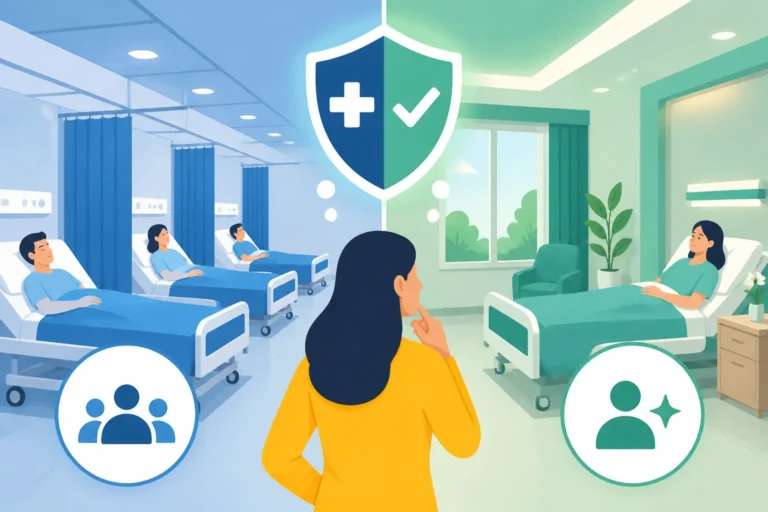
Imagine you've just arrived in Lugano, perhaps for a new job or a long holiday, and you wake up with a nasty ear infection. It's painful, it's disruptive, but it's not something that warrants an ambulance screaming down the street. This is precisely where a walk-in clinic, often called a "Permanence" or "Medbase" in Switzerland, shines. These clinics are designed to bridge the gap between your general practitioner (Hausarzt/medico di famiglia) – who might not have an immediate appointment – and the often overwhelming and expensive emergency room.
They're equipped to handle a wide array of common ailments and minor injuries: think fever, flu symptoms, urinary tract infections, small cuts, minor burns, sprains, or even sudden severe headaches. The beauty of these places is that you don't need an appointment. You literally walk in, register, and wait to be seen. This saves you the headache of trying to explain your symptoms over the phone in a new language to book an appointment with a doctor you don't even have yet. It's all about immediate access to professional medical advice without the drama of a full-blown emergency. While some travel insurance policies, like those from SafetyWing, might guide you on where to go, knowing these local options beforehand gives you a huge advantage.
The Swiss Healthcare System's Take on Walk-ins
The Swiss healthcare system is primarily based on mandatory basic health insurance (KVG/LAMal). For residents, this insurance covers the costs of treatment at walk-in clinics, just like it would for a regular doctor's visit, subject to your chosen deductible (franchise) and copay. If you're new to the country and still trying to grasp the nuances of Understanding KVG/LAMal: Mandatory Basic Health Insurance Explained, rest assured that these clinics are very much part of the official system.
For tourists or short-term visitors, your international travel insurance, such as SafetyWing, will typically cover treatment at these facilities, provided it's deemed medically necessary and within the terms of your policy. It's always a good idea to check your policy details before you travel, but generally, walk-in clinics are accepted for eligible claims. The fees at these clinics are usually lower than those in an emergency room, making them a more cost-effective choice for non-urgent issues, which is something your insurance provider will appreciate as well. The system aims to ensure that emergency rooms are reserved for true emergencies, hence the prevalence of these intermediate options.
Key Walk-in Clinics Near Lugano Station
Lugano, as a significant city in Ticino, has several medical centers, and thankfully, options near the main train station (Lugano FFS) are quite convenient. When you're feeling unwell, the last thing you want is a complicated journey across town.
Lugano's Main "Permanence" Options
Near Lugano station, your primary option for immediate, non-emergency medical care is generally a larger medical center that houses a "Permanence" or similar walk-in service. One notable and highly accessible choice is the Medical Center Medbase Lugano, which is located very centrally, making it quite convenient if you're arriving by train or staying in the immediate vicinity of the station.
Medbase Lugano Centro (Viale S. Franscini 17, 6900 Lugano) is a comprehensive medical center offering general medicine services, which include walk-in consultations for acute, non-life-threatening conditions. Their location is just a short walk or a quick bus ride from the Lugano train station, making it incredibly practical for expats new to the city or tourists. They typically have extended opening hours compared to traditional doctor's offices, often staying open late into the evening and sometimes on Saturdays, though specific hours should always be checked online or by phone. They can handle things like colds, flu, minor infections, minor injuries, and provide basic diagnostic services. Medbase is a well-known network across Switzerland, and their clinics are often equipped with modern facilities and staffed by a range of medical professionals, including general practitioners and nurses. Services often include blood tests, X-rays for minor fractures, and basic wound care, preventing a more time-consuming and expensive trip to a hospital. For more serious conditions, they can also provide referrals to specialists.
Another important, though slightly further, option to be aware of is the Ospedale Regionale di Lugano (Civico & Italiano), the main regional hospital. While you should aim for a walk-in clinic first for minor issues, the hospital's emergency department (Pronto Soccorso) is, of course, available for genuine emergencies. Understanding the difference between these can save you a lot of time and money, as discussed in Emergency Rooms in Switzerland: Triage, Waiting Times, and Billing. The Medbase clinic acts as a crucial first point of contact to alleviate pressure on hospital emergency departments.
What to Expect During Your Visit
Walking into a Swiss medical facility can feel a bit different from what you might be used to, but understanding the process can ease anxieties.
First, upon arrival, you'll head to the reception desk. You'll need to register, providing your personal details, reason for visit, and insurance information. Don't be surprised if there's a queue – patience is key, as walk-in clinics operate on a first-come, first-served basis for non-emergencies. The staff will likely ask for your basic health information and may take some initial measurements like temperature or blood pressure. They'll also typically ask if you have a primary care physician (Hausarzt/medico di famiglia) and if you have Swiss health insurance or travel insurance. Even if you're relying on travel insurance like SafetyWing, present your policy details clearly.
Waiting times can vary significantly depending on the time of day, day of the week, and the severity of other patients' conditions. Mid-mornings and late afternoons can often be busier. Once called, you'll see a doctor who will conduct a consultation, examine you, and discuss treatment options. Don't hesitate to ask questions if anything is unclear, especially regarding medication or follow-up care.
Regarding billing, Switzerland primarily uses the Tiers Garant system, especially for basic insurance. This means you typically receive the bill directly, pay it, and then submit it to your insurance for reimbursement. However, some providers, especially for smaller amounts, might use Tiers Payant, where the clinic bills your insurance directly. For expats, familiarizing yourself with How to Pay Medical Bills: Tiers Garant vs. Tiers Payant Billing Systems is incredibly useful. If you have international travel insurance, you might need to pay upfront and then seek reimbursement from your provider. Always keep all documentation and receipts.
| Aspect | Walk-in Clinic (Permanence/Medbase) | Hospital Emergency Room (Pronto Soccorso) |
|---|---|---|
| Purpose | Non-life-threatening acute illnesses & minor injuries | Life-threatening emergencies, severe trauma, critical conditions |
| Appointment Needed | No (walk-in) | No (walk-in for emergencies) |
| Waiting Times | Variable, depending on patient volume; generally shorter than ER | Can be very long for non-emergencies; triage prioritizes severe cases |
| Cost | Generally lower than ER; covered by basic insurance/travel insurance for eligible cases | Highest cost; covered by basic insurance/travel insurance for eligible emergencies |
| Services Offered | General consultations, minor diagnostics (X-ray, blood tests), basic wound care, prescriptions | Advanced diagnostics, surgery, intensive care, specialist consultations |
| Staff | General practitioners, nurses, medical assistants | Emergency doctors, specialists, surgeons, extensive nursing staff |
| Location in Lugano | Medbase Lugano Centro (near station) | Ospedale Regionale di Lugano (Civico & Italiano) |
Practical Tips for a Smooth Visit to a Lugano Walk-in Clinic
Going to a doctor in a foreign country can be a source of stress, but a little preparation can make the experience much smoother. Here are some pointers to help you navigate a walk-in clinic visit in Lugano.
Documents, Insurance, and Payment
First things first, gather your essential documents. For residents with Swiss health insurance, always bring your Swiss health card (VeKa). This card contains all your crucial insurance information. For tourists or those with international travel insurance, make sure you have your policy documents readily available, either a physical copy or easily accessible on your phone. Note down your policy number and the emergency contact number for your insurance provider, such as SafetyWing. This information will be vital during registration and when processing claims.
You should also bring some form of identification, like your passport or Swiss residence permit. While not always explicitly required for a consultation, it's good practice to have it on hand for registration purposes.
When it comes to payment, be prepared to pay for the consultation and any immediate services (like minor procedures or medication dispensed on-site) out-of-pocket, especially if you're a tourist. As mentioned, Switzerland primarily uses the Tiers Garant system. Hold onto all receipts and detailed invoices (often called a Rückforderungsbeleg or Estratto conto) as you'll need them to claim reimbursement from your insurance provider later. It’s always smart to have a credit or debit card with you, as cash payments might be less common for larger bills. Remember that even with comprehensive health coverage, understanding The Swiss Franchise System: How Deductibles and Copays Work is crucial for managing your out-of-pocket expenses.
Language Barriers and Cultural Nuances
Lugano is in the Italian-speaking canton of Ticino, so Italian is the primary language. While many medical professionals, especially in a city like Lugano, will have a good grasp of English, it's not guaranteed. Don't assume everyone will speak perfect English.
Here are a few tips:
- Basic Italian phrases: Learn a few key medical phrases in Italian, such as "Ho dolore a…" (I have pain in…), "Mi sento male" (I feel unwell), "La mia testa" (my head), "Lo stomaco" (my stomach). Even a little effort goes a long way.
- Google Translate: Have a translation app ready on your phone to help with more complex explanations.
- Write it down: If you have a chronic condition, allergies, or a list of current medications, write them down clearly in English (and ideally, Italian, if you can get help translating) to present to the doctor. This is also helpful for Bringing Prescription Medication into Switzerland: Customs and Legal Limits if you're an expat.
- Be direct: Swiss communication, even in the Italian part, tends to be quite direct and factual. Doctors will be thorough and professional. Don't expect a lot of small talk.
Remember that healthcare providers are there to help, and while language can be a hurdle, they are usually adept at finding ways to communicate effectively.
When to Seek Other Medical Services
While walk-in clinics are fantastic for urgent but non-emergent needs, it's vital to know their limits and when to turn to other services.
- Emergencies: For true life-threatening emergencies (e.g., severe chest pain, major accidents, loss of consciousness, stroke symptoms), you must call an ambulance by dialing 144. Do not go to a walk-in clinic for these situations; head straight to the nearest hospital emergency room, such as the Ospedale Regionale di Lugano. For less severe but still urgent situations that occur after hours when walk-in clinics are closed, the hospital emergency room is your only option. You can learn more about this in our guide on Emergency Medical Services: Ambulances, REGA, and Crisis Protocols.
- Chronic Conditions: For ongoing health management, routine check-ups, or chronic conditions (like diabetes, hypertension), you'll want to establish a relationship with a general practitioner (Hausarzt/medico di famiglia). Finding an English-speaking doctor in Lugano might take some research, but it's important for continuity of care. This will also be the person who provides referrals to specialists if needed.
- Specialist Care: Walk-in clinics are not for specialist consultations (e.g., dermatologist, cardiologist). If the walk-in clinic doctor determines you need specialist attention, they will provide a referral.
- Pharmacies: For minor ailments like a common cold, minor aches, or specific over-the-counter medication, a pharmacy (farmacia) is often your first and best stop. Swiss pharmacists are highly knowledgeable and can offer excellent advice and recommend appropriate remedies. They can also tell you where to find an Emergency Pharmacy (Notfallapotheke) on Sundays or outside regular hours.
- Telemedicine: Some Swiss insurance providers and private services offer telemedicine options (phone or video consultations) for certain conditions. This can be a convenient first step to determine if an in-person visit is necessary. These can sometimes be part of specific insurance models like Telmed.
Understanding the right channel for your medical needs can save you time, stress, and money in the Swiss healthcare landscape. Whether you're a long-term expat or just passing through, knowing about Lugano's walk-in clinics is a valuable piece of information for peace of mind.
Disclaimer
Please note that the information provided in this guide is for general informational purposes only and does not constitute medical or legal advice. Healthcare services and policies can change, and it is always recommended to verify specific details, opening hours, and accepted insurance policies directly with the medical facility or your insurance provider. In case of a medical emergency, please call 144 immediately.