Walk-in Clinics in Lausanne: Centre Médical Lakeside Options
Suddenly feeling under the weather, facing a minor accident, or waking up to an unexpected health issue when you're an expat in Lausanne can be incredibly disorienting. I remember the sheer panic of my first sudden illness here, frantically Googling "doctor near me" and realizing the usual "just pop into your GP" isn't quite how things work in Switzerland. This guide is here to walk you through the excellent walk-in clinic options available in Lausanne, particularly focusing on the Centre Médical de la Gare, ensuring you know exactly where to go for efficient, immediate care without needing an appointment.
Navigating Healthcare in Lausanne When You Need Immediate Care
The Swiss healthcare system is renowned for its quality, but it operates differently than what many of us are used to. For expats, the concept of a "walk-in clinic" might feel familiar, but the specifics – from finding one to understanding billing – can still throw you for a loop. It's not always a straightforward process like back home.
The "I've-Been-There" Moment: Why Walk-ins Matter
Let's be honest, life happens. You might wake up with a nasty cough and fever, twist an ankle during a lakeside stroll, or need a quick prescription refill before your actual family doctor can fit you in. These aren't life-threatening emergencies that warrant a full hospital emergency room visit, but they definitely require attention sooner rather than later. In many countries, you'd head straight to your general practitioner, but here, getting a same-day appointment can be tricky, especially if you haven't yet established yourself with a Finding an English-Speaking Family Doctor (Hausarzt) in Major Cantons. That's precisely where walk-in clinics, known here as permanences or centres médicaux, become your absolute best friend. They bridge the gap between non-urgent situations and full-blown emergencies, offering swift consultations for common ailments and minor injuries.
Understanding the Swiss Healthcare Triage System
It's vital to grasp the Swiss approach to medical care, which emphasizes appropriate channels for different needs. Misusing the system can lead to longer wait times and higher costs. The hierarchy generally looks something like this:
- Family Doctor (Hausarzt/Médecin de famille): Your primary point of contact for routine care, chronic conditions, and general health advice. Always try to see them first if it's not urgent.
- Walk-in Clinics (Permanences/Centres Médicaux): For acute, non-life-threatening issues that require prompt attention but aren't emergencies. These are exactly what we're discussing today.
- Hospital Emergency Rooms (Urgences): Strictly for severe injuries, sudden life-threatening conditions, or symptoms that could indicate a serious medical crisis. Calling 144 is for these situations. Misusing the ER for minor issues often results in incredibly long waits and significantly higher fees.
Many health insurance models in Switzerland, like the Telmed or HMO options, even require you to call a tele-medicine service or consult your family doctor before going anywhere else, unless it's a genuine emergency. Knowing your options for walk-in clinics can actually save you money and hassle by avoiding an unnecessary ER visit. If you're new to Switzerland, make sure you've completed your Mandatory Registration: How to Sign Up for Health Insurance Within 90 Days so you're covered for any eventuality.
Centre Médical de la Gare, Lausanne: Your Primary Walk-in Option
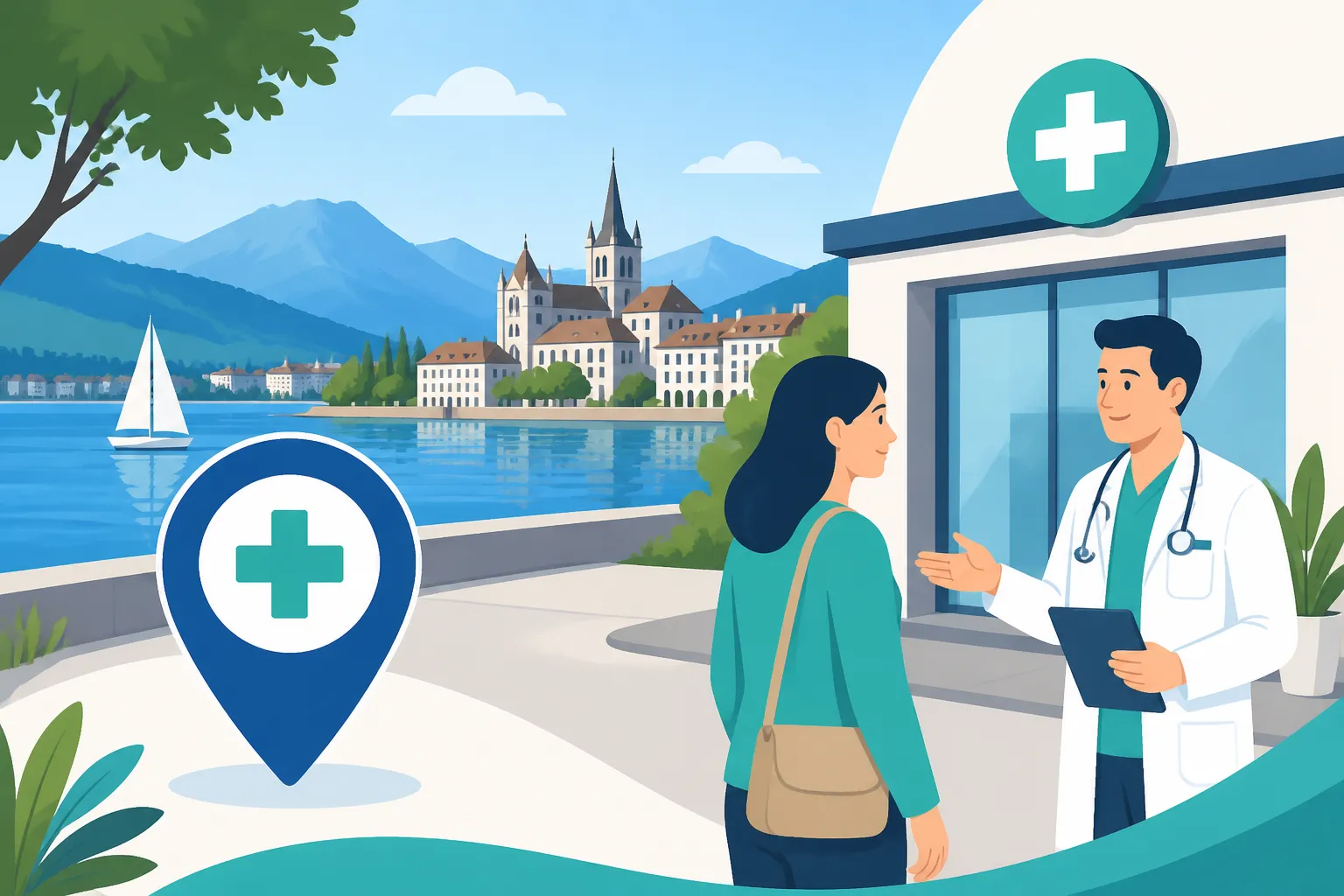
For many expats in Lausanne, the Centre Médical de la Gare, conveniently located right at the train station, quickly becomes the go-to spot for immediate medical needs. It’s exactly the kind of place that provides peace of mind when you're far from home and need quick, reliable medical attention.
Services Offered and What to Expect
The Centre Médical de la Gare operates like a modern polyclinic, offering a wide array of services designed for quick diagnosis and treatment of non-critical conditions. Think of it as a one-stop shop for unexpected ailments. They handle everything from sudden fevers, colds, and flu symptoms to minor cuts, sprains, and infections. You can expect:
- General Consultations: For acute illnesses like sore throats, ear infections, gastrointestinal issues, and urinary tract infections.
- Minor Injuries: Evaluation and treatment for sprains, strains, small wounds, and minor burns. They can often do X-rays on-site for suspected fractures.
- Laboratory Tests: Basic blood and urine tests can be performed quickly, with results often available within hours for urgent cases.
- Prescriptions: Doctors can issue new prescriptions or refill existing ones for acute conditions. There’s a pharmacy conveniently located right in the station.
- Vaccinations: Routine vaccinations or tetanus shots following an injury are often available.
The biggest perk? No appointment is necessary. You simply walk in, register at the reception, and wait to be seen. The waiting times can vary, of course, depending on the time of day and the number of patients, but they are generally much shorter than an emergency room.
Costs, Insurance, and the Tiers Garant System
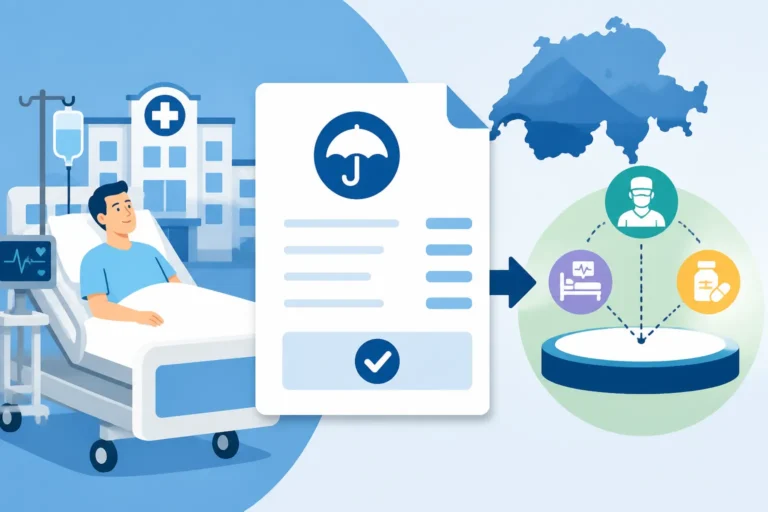
Navigating the financial side of Swiss healthcare can be baffling, especially for walk-in clinics. The Centre Médical de la Gare typically operates on the Tiers Garant system. This means you pay the bill upfront, and then you submit the invoice to your Swiss health insurance provider for reimbursement. I've had countless moments clutching a hefty bill, wondering if my insurance would actually cover it all – and they usually do, minus your deductible (franchise) and co-pay (quote-part).
Here's a breakdown to help you prepare:
- Basic Health Insurance (KVG/LAMal): Your mandatory Swiss health insurance will cover the costs of medically necessary treatments at walk-in clinics, just like any other doctor's visit. Remember, you'll be responsible for your chosen annual deductible (The Swiss Franchise System: How Deductibles and Copays Work) and the 10% co-pay (up to CHF 700 per year for adults).
- Payment: Be prepared to pay by card (credit or debit) or sometimes cash immediately after your consultation. They will then provide you with a detailed invoice (facture in French, Rückforderungsbeleg in German) that you send to your insurer. For a deeper dive into this, check out our guide on How to Pay Medical Bills: Tiers Garant vs. Tiers Payant Billing Systems.
- Transparency: Don't hesitate to ask for an estimated cost if you're concerned, though for simple consultations, the fees are quite standardized.
- Travel Insurance: If you're a recent arrival or on a short-term visa, you might still be relying on travel health insurance. Companies like SafetyWing offer flexible plans that can cover urgent care visits like those at the Centre Médical de la Gare, a real lifeline before your full Swiss KVG coverage kicks in. Just ensure you understand their claims process beforehand. SafetyWing's travel medical insurance is designed for digital nomads and expats, making it a good fit for unexpected medical bills.
It’s always a good idea to confirm with your insurance provider what their exact process is for claiming reimbursements from walk-in clinic visits. Don't forget, even for minor issues, having robust coverage from a provider like SafetyWing can save you significant out-of-pocket expenses, especially if you're not yet fully integrated into the Swiss system.
Finding an English-Speaking Doctor at the Centre
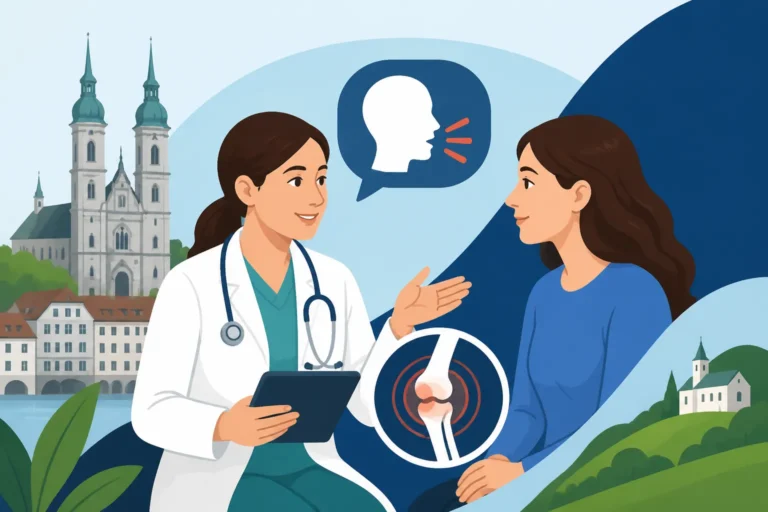
One of the biggest anxieties for expats seeking medical care in a new country is the language barrier. Lausanne is in the French-speaking part of Switzerland (Romandie), and while many medical professionals speak English, it's not always guaranteed, especially in a busy walk-in setting.
At Centre Médical de la Gare, you'll often find doctors and staff who can communicate in English. While you might not be assigned an English-speaking doctor immediately upon arrival, it's absolutely worth asking at the reception when you check in. They will do their best to accommodate your request, though patience is key. I've found that even if the doctor's English isn't perfect, medical terminology often transcends languages, and they are usually very adept at understanding your symptoms. Don’t underestimate the power of a translation app on your phone for key phrases! Remember, good communication is crucial for accurate diagnosis and treatment.
Alternative Walk-in Clinics and Urgences Options in Lausanne
While Centre Médical de la Gare is a fantastic central option, Lausanne offers a few other choices for urgent but non-life-threatening medical care. It's good to know your alternatives, as one clinic might be closer or have shorter wait times depending on your location and the time of day.
Smaller Permanences and Polyclinics
Beyond the main train station clinic, you can find other smaller permanences or polyclinics scattered throughout the city. These are often integrated within larger medical centers or private practices.
- Permanence Flon: This is another popular option, located in the dynamic Flon district. It offers similar services to Centre Médical de la Gare, focusing on general medicine and urgent care without an appointment. Its location might be more convenient if you're in that part of the city. Like other permanences, they accept patients on a walk-in basis, but it's always wise to check their current operating hours online before heading over.
- Local GP Practices (if accepting walk-ins): Some larger group practices in Lausanne might have specific "urgent consultation" slots or accept walk-ins for existing patients. This isn't a guaranteed option, but if you have a registered family doctor, it's worth calling them first, even if you don't have an appointment. They might be able to squeeze you in or direct you to an affiliated permanence.
These smaller centers provide valuable redundancy, ensuring that the burden isn't solely on one facility. They're excellent choices for common issues that don't quite reach emergency status.
When to Head to the Hôpital de l'enfance or CHUV Urgences
Knowing the difference between a minor urgency and a true emergency is paramount in Switzerland. While walk-in clinics are fantastic, there are situations where a hospital emergency room is the only appropriate place to go.
- Hôpital de l'enfance (Lausanne University Hospital, CHUV – Children's Hospital): If your child is experiencing a serious illness or injury, the Hôpital de l'enfance is the dedicated facility. Never try to take a seriously ill child to a general walk-in clinic if their condition is severe. This hospital is equipped with pediatric specialists and emergency services tailored to children. For less severe pediatric issues, some permanences might see children, but if you're ever in doubt, head to the children's hospital.
- Centre Hospitalier Universitaire Vaudois (CHUV) Urgences: The main CHUV hospital in Lausanne houses a comprehensive adult emergency department. This is where you should go for life-threatening conditions such as suspected heart attack or stroke, severe breathing difficulties, major trauma, uncontrollable bleeding, or sudden, severe abdominal pain. Expect long wait times if your case is not deemed critical, as they prioritize patients based on the severity of their condition (triage). Our guide on Emergency Rooms in Switzerland: Triage, Waiting Times, and Billing provides more detail on what to expect.
When in doubt about a true emergency, call 144 for an ambulance. Remember, basic Swiss insurance covers ambulance rides, but usually only 50%, with a cap, so supplementary accident insurance or a travel plan like SafetyWing can be very helpful for the remaining costs. Does Basic Swiss Insurance Cover Ambulance Rides? The 50% Rule Explained explains this in detail. Knowing when to call emergency services versus visiting a walk-in clinic is a crucial piece of expat knowledge.
Practical Tips for Your Walk-in Visit
Even with the best information, your first walk-in clinic experience in Lausanne can be a little daunting. A few practical tips can make the process smoother and less stressful.
What to Bring: Documents and Mindset
Being prepared is half the battle when dealing with unexpected medical issues. Make sure you have the following ready:
- Swiss Health Insurance Card (Carte d'Assurance Maladie): This plastic card (often called VeKa in German-speaking regions) contains all your essential insurance information. It will be scanned at reception.
- Proof of Identity: A valid ID, like your residence permit (B permit, C permit, etc.) or passport, is usually required for identification.
- Payment Method: Your credit or debit card for immediate payment, as discussed with the Tiers Garant system.
- Medication List: If you're currently taking any medications, especially prescription ones, have a clear list with dosages ready. This is incredibly helpful for the doctor.
- Brief Medical History: Be prepared to concisely explain your symptoms, when they started, and any relevant past medical conditions.
- Translation App (Optional but Recommended): Even if staff speak English, having a translation app can help clarify complex symptoms or questions.
Beyond documents, bring a patient mindset. Walk-in clinics can be busy, and wait times are a reality. A book, fully charged phone, or a friend for company can help make the wait more bearable.
Managing Expectations: Wait Times and Follow-up
While walk-in clinics are generally quicker than ERs, they are still busy medical facilities.
- Wait Times: These are unpredictable. Early mornings and late afternoons tend to be busier. Weekends can also see an increase in patients. Expect to wait anywhere from 30 minutes to a couple of hours, especially during peak seasons like flu season. There’s no system for pre-booking a specific time slot when you literally walk-in.
- Triage: Upon arrival, you might be briefly assessed by a nurse who will determine the severity of your condition. This isn't just to make you wait; it's to ensure that patients with more urgent needs are seen first.
- Follow-up: For many minor issues, the walk-in clinic will be a one-off visit. However, if the doctor identifies a more complex problem, they may refer you to a specialist or advise you to follow up with your regular family doctor. Make sure to understand these instructions clearly before you leave. If you're planning any travel soon after, be sure your travel insurance, like SafetyWing, covers any necessary follow-up care or repatriation if the condition worsens abroad.
Considering Travel Insurance: The SafetyWing Advantage
For new arrivals, tourists, or those on specific non-resident visas, ensuring you have adequate health coverage before your comprehensive Swiss KVG insurance fully kicks in is incredibly important. This is where a good travel medical insurance plan truly shines.
Companies like SafetyWing offer policies specifically designed for digital nomads, remote workers, and expats, providing coverage for unexpected illnesses and accidents in Switzerland (and worldwide, depending on the plan). If you're between jobs, waiting for your permit, or simply on a short-term stay, having SafetyWing provides a safety net for those "oops" moments that walk-in clinics are perfect for. Their coverage typically includes urgent medical care, emergency dental, and even emergency medical evacuation – a crucial consideration in a country like Switzerland with its high mountain rescue costs. While your Swiss basic insurance will cover you within Switzerland once you're officially registered, policies like SafetyWing can offer additional benefits or cover you during periods of transition or travel outside the country. This can be especially valuable for anyone who frequently travels in and out of Switzerland, as standard KVG policies have limited international coverage.
| Feature | Centre Médical de la Gare | CHUV Urgences (Hospital ER) |
|---|---|---|
| Purpose | Acute, non-life-threatening | Severe/Life-threatening |
| Appointment | No (Walk-in) | No (Emergency Only) |
| Wait Times | Moderate to High | Very High (unless critical) |
| Cost | Standard medical rates | Higher, emergency surcharges |
| Billing System | Tiers Garant (Pay upfront) | Tiers Garant/Tiers Payant (varies) |
| Language | Often English-speaking staff | Variable, but usually available for critical cases |
| On-site Pharmacy | Yes | Limited (hospital pharmacy) |
Getting sick or having an accident abroad is never fun, but knowing that places like the Centre Médical de la Gare exist in Lausanne, offering accessible, competent care, can genuinely ease the stress. Equip yourself with this knowledge, keep your documents handy, and remember that help is always available.
Disclaimer
The information provided in this guide is for general informational purposes only and does not constitute medical, legal, or financial advice. While we strive to provide accurate and up-to-date information, healthcare regulations, clinic services, and insurance policies in Switzerland can change. Always consult with a qualified medical professional for health concerns, an insurance advisor for specific coverage questions, and official government sources for the latest regulations.