Finding an English-Speaking Dermatologist in Zurich City
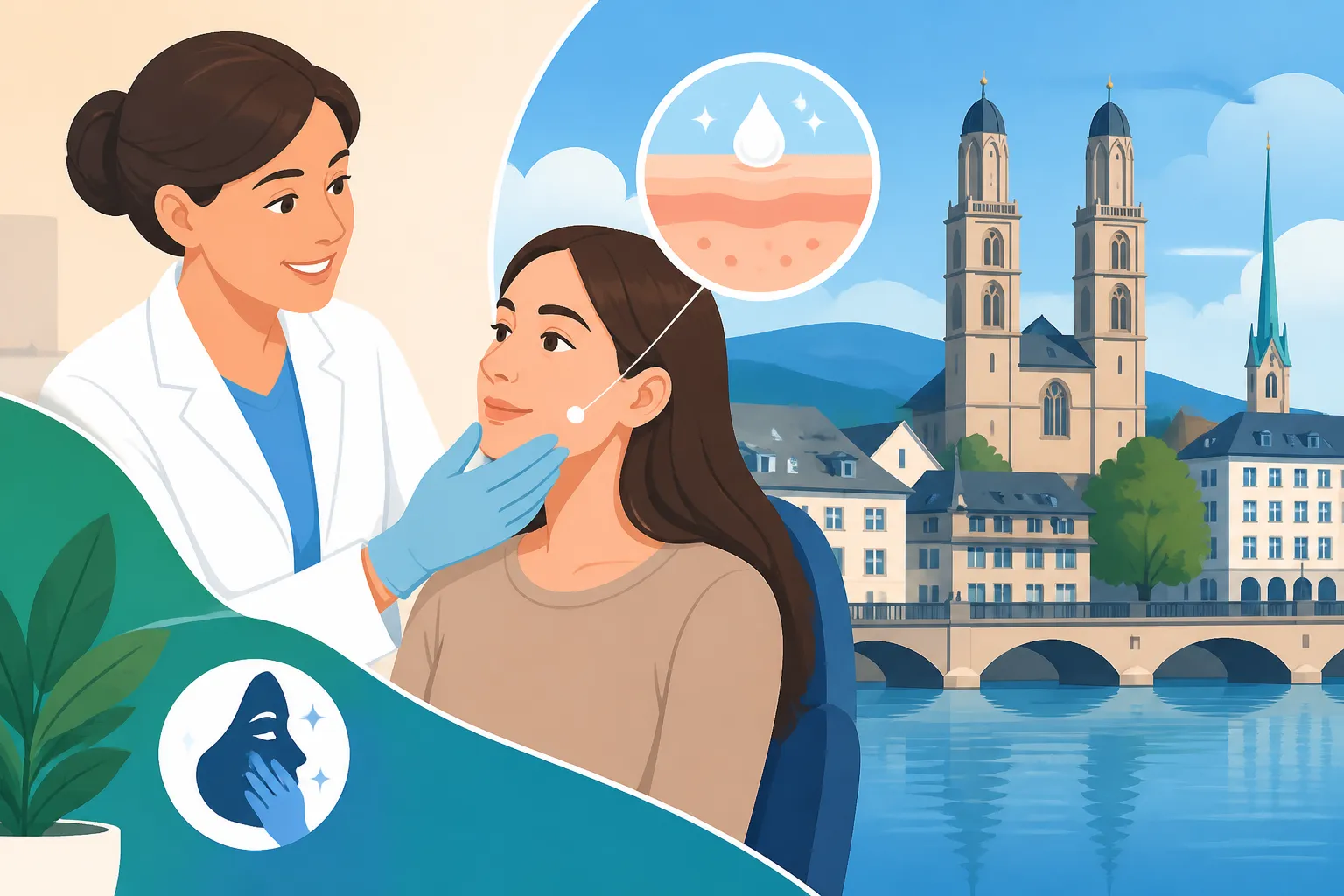
Moving to Zurich is a dream until you develop a mysterious rash or need a mole check and realize your high-school German doesn't cover medical terminology like atopic dermatitis. I remember sitting in a waiting room near Bellevue, sweating because I couldn't explain my symptoms to a stern-looking receptionist. This guide helps you skip that stress and find top-tier, English-speaking dermatological care in Zurich City.
Understanding the Gateway to Specialty Care in Zurich
The Swiss medical system is world-class, but it functions with a precision that can feel rigid to newcomers. Before you start searching for a specific clinic in the Niederdorf or Enge areas, you need to understand how your insurance dictates your access. In Zurich, most specialists, including dermatologists, operate within the framework of the mandatory basic insurance, but your specific policy model determines whether you can call them directly or if you need a gatekeeper.
If you are on a Standard Model, you have the freedom to pick up the phone and book an appointment with any dermatologist in the canton. However, many expats opt for lower-premium models to save money. If you have a Telmed or Family Doctor model, your first point of contact must be a consultation hotline or your GP. For a deep dive into these restrictions, you should read Healthcare in Switzerland for Expats: The Complete System Overview (2027) to ensure you don't accidentally void your coverage by skipping a mandatory referral step.
I’ve seen many friends get hit with unexpected bills because they didn't realize their Telmed Insurance Explained: How Calling First Saves You Premium Costs model required a phone triage before seeing a skin specialist. Once you have that referral in hand—or if your model allows direct access—the search for a provider who speaks fluent English becomes much easier. Most doctors in Zurich have studied or practiced abroad, and English is the lingua franca of the global medical community, but the administrative staff at the front desk might still prefer German.
The Role of the Hausarzt in Dermatology
In many cases, your journey to a dermatologist will start with Finding an English-Speaking Family Doctor (Hausarzt) in Major Cantons. A Swiss GP is highly trained and can handle basic skin issues like simple eczema or minor fungal infections. They act as the "gatekeeper." If the issue is persistent or requires specialized equipment—like a high-tech mole mapping machine—they will write you a "Überweisung" (referral).
Having this referral is often the "fast track" to getting an appointment. Dermatology is one of the most oversubscribed specialties in Zurich; wait times for a non-urgent routine check can sometimes stretch to three or four months. However, when a Hausarzt calls a specialist on your behalf and flags an issue as urgent, you can often get seen within days. This is a crucial nuance of Finding Medical Care in Switzerland: Doctors, Specialists, and Referrals that many expats miss when they try to DIY their medical appointments.
Insurance for New Arrivals and Visitors
It is important to note that if you have just arrived in Switzerland and are still in your first 90 days, you might not have your Swiss insurance card (VeKa) yet. During this transition period, or if you are hosting family members who need skin care, a product like SafetyWing can be a lifesaver. SafetyWing provides travel medical insurance that can cover unexpected skin flares or allergic reactions while you are between permanent systems.
For digital nomads who are spending a few months in Zurich but aren't residents, SafetyWing is particularly useful because it offers flexibility that the local KVG system lacks. Whether you're working from a coworking space in Binz or exploring the lakeside, having that safety net ensures you can access private clinics without worrying about the massive out-of-pocket costs typical of Swiss healthcare.
Top Resources to Find English-Friendly Clinics
Zurich is a hub for medical excellence, and you have several reliable ways to find a dermatologist who can communicate clearly in English. You aren't limited to the yellow pages; in fact, the digital infrastructure for medical bookings in Zurich is quite advanced.
OneDoc and Digital Booking Platforms
The most efficient way to find a specialist today is through OneDoc or Compassana. These platforms allow you to filter doctors by language. When you search for "Dermatologie" in "8001 Zürich" and select "English" as a language filter, you will see a list of available practitioners along with their next open slots. This avoids the awkwardness of calling a clinic and realizing the receptionist doesn't speak English.
When using these platforms, pay close attention to the clinic's location. Zurich is compact, but if you are working near the Prime Tower, you might want a clinic in District 5, whereas if you live in the suburbs, Finding an English-Speaking Family Doctor in Zug might actually be more convenient for you. These platforms also provide reviews, though take them with a grain of salt—the Swiss can be very particular about "Pünktlichkeit" (punctuality).
Recommended Clinics with English Support
If you prefer to go directly to established names, several clinics in Zurich are known for their international clientele.
- Dermis Hautklinik: Located near Enge, they have a large team of specialists who almost all speak excellent English. They are a "private" feeling clinic but are covered under the mandatory KVG.
- Dermatologie am Fluss: Situated near the Limmat, this clinic is highly regarded for its modern approach. Many of their doctors have international certifications.
- Universitätsspital Zürich (USZ) Dermatology: The University Hospital has a dedicated dermatology department. While it can feel a bit more "institutional," you are getting access to the absolute top-tier research and specialists in the country.
Even if you choose a top-tier private clinic, you must understand The Swiss Franchise System: How Deductibles and Copays Work. Your basic insurance will cover the treatment, but you will pay the full cost of the consultation until you have met your annual deductible. For a specialist visit in Zurich, expect the bill to land somewhere between CHF 150 and CHF 400 depending on the complexity and any tests performed.
Costs, Billing, and Insurance Realities
One of the biggest culture shocks for expats in Zurich is how medical billing works. Unlike many countries where you might just pay a small co-pay at the door, the Swiss system involves a lot of paperwork. You will likely encounter two terms: Tiers Garant and Tiers Payant.
Decoding the Bill
In most specialty clinics in Zurich, the system used is Tiers Garant. This means the doctor sends the bill to you. You are then responsible for paying the doctor within 30 days and sending a copy of the bill to your insurance company for reimbursement. Understanding How to Read a Swiss Medical Bill (Rückforderungsbeleg) and Claim Refunds is essential so you don't end up with a stack of unpaid invoices that eventually lead to a "Betreibung" (debt collection).
The bill will be itemized using the TARMED system, which assigns points to every minute the doctor spends with you and every supply they use. It can look like a complex math equation. If your dermatologist prescribes a cream, you'll need to know about Tiers Payant: Which Swiss Insurances Pay the Pharmacy Directly? because some pharmacies will bill your insurance directly, while others will ask you to pay on the spot.
The Financial Safety Net for Non-Residents
If you are a visitor or a nomad using SafetyWing, the process is slightly different. Usually, you would pay the clinic upfront and then submit your itemized receipt to SafetyWing for reimbursement. This is a standard practice for international travelers in Switzerland. Given that Zurich is one of the most expensive cities in the world for medical care, having this coverage is non-negotiable. A single biopsy and lab fee can easily exceed CHF 600, which is a hefty price to pay if you're traveling without insurance.
| Service Type | Estimated Cost (CHF) | Insurance Coverage (KVG) |
|---|---|---|
| Initial Consultation | 150 – 250 | Yes (after franchise) |
| Mole Mapping (Full Body) | 250 – 400 | Usually No (unless high risk) |
| Skin Biopsy | 150 – 300 | Yes |
| Laboratory Fees | 100 – 300 | Yes |
| Emergency Walk-in Fee | 50 – 100 (extra) | Yes |
Skin Health in the Swiss Environment
Living in Zurich presents unique challenges for your skin that you might not have faced back home. The combination of high-altitude sun and the dry, freezing air of "Bise" (the north-easterly wind) can wreak havoc on your complexion.
Sun Protection in the Alps
Switzerland has one of the highest rates of skin cancer in Europe. This is partly due to the mountain culture. When you head to the mountains for a weekend, the UV radiation increases significantly with altitude, and the snow reflects those rays back at your face. Local dermatologists are very proactive about Sunscreen and Dermatologist Checks: Skin Cancer Prevention in the Alps.
I highly recommend booking a "Muttermal-Check" (mole check) once a year. While this is sometimes considered "preventative" and might not be fully covered by basic insurance without a specific reason, it is a standard part of the Swiss health routine. If you have supplementary insurance, check Supplementary Health Insurance (VVG): What It Covers and When to Buy It to see if preventative skin screenings are included in your plan.
Dealing with "Winter Skin" and Local Pharmacies
The Zurich winter is notorious for its gray "Hochnebel" (high fog) and dry indoor heating. Many expats find they develop "winter eczema" for the first time after moving here. If you can't get a dermatologist appointment immediately, your first stop should be a local Apotheke.
Swiss pharmacists are highly trained and can provide many creams that would require a prescription in other countries. If you are in a rush, check Walk-in Clinics in Zurich: Permanence Hautbahnhof Guide. The Permanence at the main station is open 365 days a year and often has a dermatologist on call or at least a generalist who can handle acute skin issues.
Emergency Situations and Acute Care
If you wake up with a severe allergic reaction or a sudden, painful skin infection, you don't have time to wait for a standard appointment. Zurich has excellent emergency infrastructure. You can visit the "Notfall" (emergency) department of the University Hospital (USZ) or one of the many walk-in clinics like Medix or Permanence.
Remember that Emergency Medical Services: Ambulances, REGA, and Crisis Protocols are designed for life-threatening issues. For a skin rash, even a severe one, you should go to a walk-in clinic rather than calling an ambulance. If you do end up in an emergency room, be aware of the billing: Does Basic Swiss Insurance Cover Ambulance Rides? The 50% Rule Explained. Even with the best insurance, Swiss healthcare expects a level of personal financial responsibility.
For those traveling or staying in Zurich on a temporary basis, SafetyWing offers a "crisis" level of support that can be very comforting. If you have an acute reaction to a local plant while hiking or a severe sunburn, their claims process is designed for the modern traveler who needs quick resolution without the bureaucratic hurdles of the local cantonal system.
Practical Tips for Your Appointment
When you finally secure that elusive appointment, a little preparation goes a long way. The Swiss medical culture values efficiency and directness.
- Bring your ID and Insurance Card: This is non-negotiable. If you are using SafetyWing, bring a digital or printed copy of your policy summary.
- Prepare a List of Medications: If you are using Pharmacies and Medication: Prescriptions, Costs, and OTC Regulations from your home country, bring the boxes so the doctor can see the active ingredients. Brand names differ wildly here.
- Be Punctual: In Zurich, if your appointment is at 9:00, you should be checking in at 8:55. Being late is considered disrespectful and may result in a shortened consultation or a "no-show" fee.
- Ask for the "Bericht": Ask the doctor to send a report to your Hausarzt. This ensures your medical history is centralized, which is vital if you ever need to access Mental Health in Switzerland: Accessing Therapists and Psychiatric Care or other specialties where your overall health history matters.
Finding the right care takes a bit of effort, but once you are in the system, you'll find that the quality of dermatology in Zurich is unsurpassed. Whether you are dealing with a chronic condition or just need peace of mind for your annual check-up, the city's English-speaking specialists are there to help you maintain healthy skin while you enjoy your Swiss expat life.
Disclaimer
The information provided in this guide is for informational purposes only and does not constitute medical or legal advice. Swiss healthcare regulations and insurance policies are subject to change. Always consult with a qualified medical professional or your insurance provider regarding your specific health needs and coverage.