Can I Use a Goethe B1 Certificate Instead of fide for Naturalization?
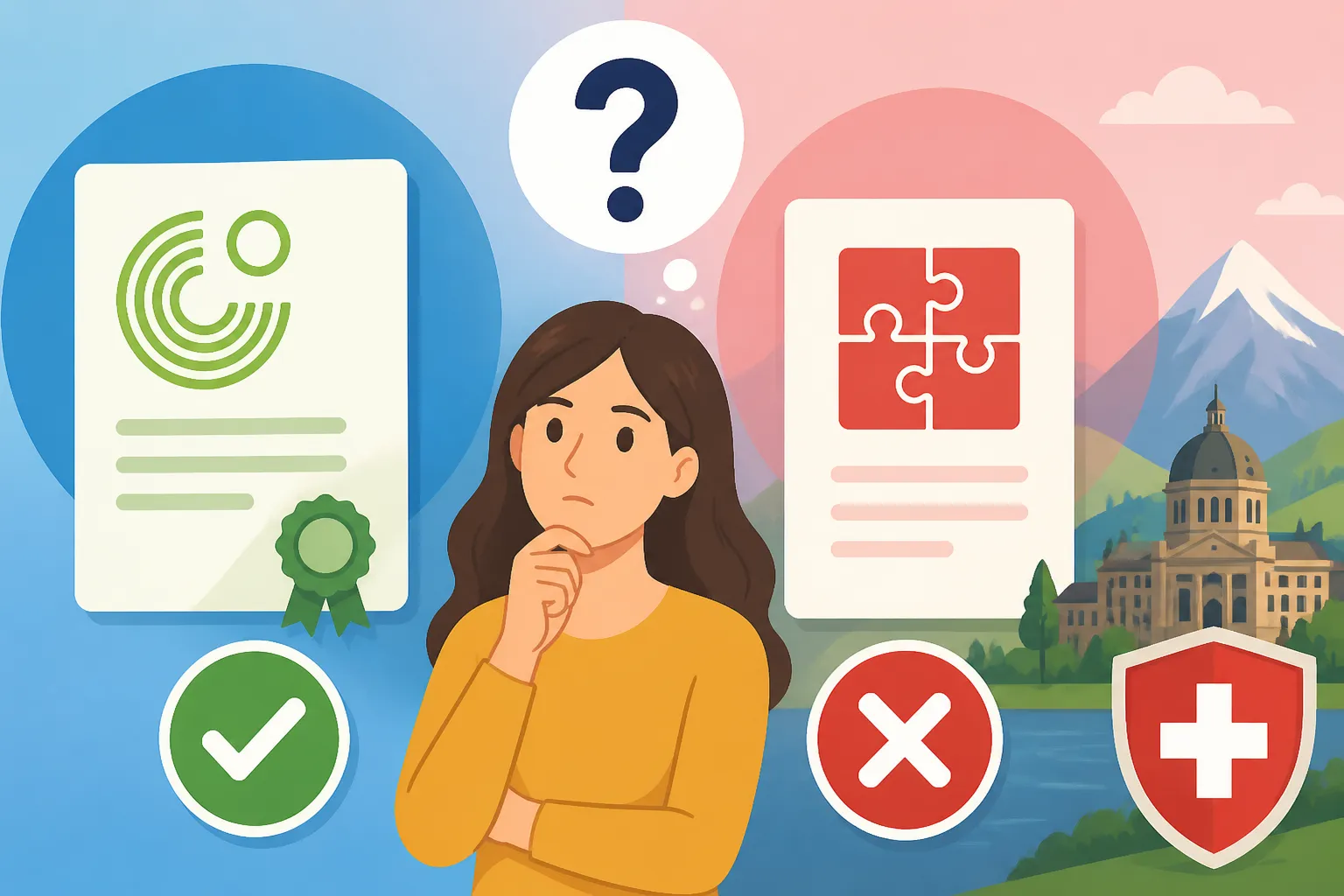
Navigating Swiss naturalization often feels like a test where the questions change halfway through, especially when it comes to proving you actually speak the language. I remember the paralyzing fear that my hard-earned Goethe certificate was just a piece of paper to the local Gemeinde. This guide solves the Goethe versus fide debate once and for all for your citizenship path.
Understanding the Swiss Language Requirements for Naturalization
When you first start looking into Becoming Swiss: Naturalization and Citizenship Process in 2027, the sheer volume of paperwork is enough to make anyone want to retreat to the mountains. One of the most critical pillars of your application is proving your integration, and in Switzerland, integration starts with tongue-twisting grammar. The State Secretariat for Migration (SEM) has set a federal minimum requirement for language proficiency, but because Switzerland loves its cantonal autonomy, the way you prove this can feel unnecessarily complicated.
The federal standard for "regular" naturalization currently requires you to demonstrate a B1 level in speaking and listening (oral) and an A2 level in reading and writing (written). These levels are based on the Common European Framework of Reference for Languages (CEFR). I’ve spoken to dozens of expats who spent years in intensive German or French courses, only to be told by a neighbor that "only the fide test counts." This is a common misconception that causes a lot of unnecessary stress. The Swiss authorities do not strictly require the "fide" test specifically; they require a certificate that is recognized by the fide system.
The fide system is essentially the national office for language evaluation in Switzerland. Think of it as a gatekeeper. While they have their own specific "fide test" developed for Swiss everyday life, they also maintain a list of recognized certificates. This list includes the Goethe-Zertifikat, TELC, and DELF/DALF. If your certificate is on that list, the SEM and your local canton must recognize it as valid proof of your language skills. However, the catch is how you present that certificate to the officials at your local town hall.
Goethe vs fide: Which One Should You Choose
If you are already holding a Goethe B1 certificate, you are likely in a very good position. The Goethe-Zertifikat is globally prestigious and academic. If you learned your German at a university or a traditional language school outside of Switzerland, this is probably what you have. I remember sitting through the Goethe exam, sweating over the "Präsentation" part, and thinking this was the peak of Swiss bureaucracy—only to realize the Swiss had invented their own version called "fide."
The fide test was designed specifically for people living in Switzerland. Instead of asking you to write an essay about the pros and cons of nuclear energy (a classic Goethe-style prompt), the fide test asks you to simulate a conversation with a landlord about a broken heater or to understand a letter from the school regarding your child's field trip. Because it is so scenario-based, many expats find it "easier" or at least more relevant. However, if you already have the Goethe B1, there is no logical reason to sit for another exam. You simply need to ensure your Goethe certificate is current and accepted.
When compiling your dossier, you may also need to provide Translation and Apostille Requirements for Marriage Certificates or other foreign documents. For these highly specific administrative tasks, using a service like RushTranslate can be a lifesaver, as they ensure your non-German or non-French documents meet the strict standards required by the Swiss civil registry. It’s all part of the same puzzle: proving you are who you say you are and that you fit into the local fabric.
| Feature | Goethe-Zertifikat | fide Test |
|---|---|---|
| Focus | Academic and General | Practical Swiss Scenarios |
| Acceptance | International / Global | Switzerland Only |
| Naturalization | Accepted (if on SEM list) | Specifically designed for it |
| Difficulty | Higher (strict grammar) | Moderate (focus on communication) |
| Writing Component | Detailed essays | Practical forms and letters |
| Validity | Permanent (usually) | Permanent |
How to Prove Your Language Proficiency: The Sprachpass System
One of the most confusing parts of the process is the "Language Passport" or Sprachpass. This is a document issued by the fide secretariat that lists your language competencies. If you take the fide test, you get this passport automatically. If you have a Goethe certificate, you don't necessarily need the physical passport in every single canton, but having your Goethe certificate validated by the fide office can make your application bulletproof.
To do this, you submit your Goethe B1 certificate to the fide secretariat in Bern. They review it to ensure it was issued by an accredited center and that it covers the required oral and written levels. Once verified, they can issue you a Swiss Language Passport based on your Goethe results. This "Swiss-ifies" your international qualification. I’ve found that some smaller Gemeinden (communes) are much happier seeing the official Swiss Sprachpass than a foreign Goethe certificate, simply because they recognize the format immediately.
While you are waiting for these administrative wheels to turn—which can take months—make sure your other expat essentials are in order. During the naturalization wait, many expats transition between different types of residency, and ensuring you have continuous, high-quality health coverage is vital. Using a provider like Cigna Global can offer that peace of mind, especially if you are traveling frequently during the years-long naturalization process. It’s important to remember that Language Requirements for Swiss Permits: A1 to B2 Standards Explained can differ slightly from naturalization, so always aim for the higher B1 level to be safe.
The Practical Steps to Using Your Goethe Certificate
First, check the date on your certificate. While Goethe certificates technically do not expire, some cantons (looking at you, Zurich and Aargau) may be skeptical of a certificate that is more than five or ten years old if you haven't been living in a German-speaking environment since then. If your certificate is recent, your first step should be to contact your local naturalization office (Einbürgerungsamt) and ask specifically: "Do you accept the Goethe-Zertifikat B1 directly, or do I need the fide Sprachpass?"
If they require the Sprachpass, you will need to fill out an application on the fide website, pay a fee (usually around CHF 20-50), and send them a high-quality scan of your certificate. If you are also dealing with other foreign documents like birth certificates from your home country, remember that you might need a certified translation. Again, services like RushTranslate are helpful here because they understand the "official" look that Swiss authorities expect.
Once you have your language proof, you can focus on the other parts of The Swiss Citizenship Interview Questions: What the Commune Asks You. Language is just the ticket to enter the room; the interview is where the real integration is tested. They will ask you about your local bakery, the names of the mountains you see from your window, and perhaps even the names of the local council members. It’s a holistic process.
Throughout this journey, don't forget the financial and health-related stability requirements. The authorities will check your debt register and your insurance status. Having a robust international plan from a provider like Cigna Global can sometimes be a helpful bridge if you are an expat who frequently moves cantons or works internationally while your application is pending. They want to see that you are a contributor to society, not a burden.
Cantonal Variations and Context
It is essential to understand that what works in Geneva might not fly in Appenzell Innerrhoden. In 2026, the rules have become even more standardized at the federal level, but the local "feel" of the application remains. For instance, if you are applying for Facilitated Naturalization: Fast-Track Citizenship for Spouses of Swiss Nationals, the language requirements are generally the same, but the scrutiny on your "verbal" integration during the interview might be slightly higher because they expect you to be speaking the language at home with your Swiss spouse.
Some cantons have introduced their own supplementary tests. For example, in some parts of Bern, even if you have a Goethe B1, you might still be asked to take a "citizenship test" that covers history and politics in the local dialect or high language. This is why holding a The Swiss C Permit (Permanent Residency): Fast-Track and Standard Routes is usually a prerequisite for naturalization, and the language requirements you met for that C permit are often the same ones you’ll use for your citizenship. If you already used your Goethe B1 to get your C permit, you are 90% of the way there.
Lastly, always keep a copy of every single thing you submit. The naturalization process is a marathon, and the Naturalization Timeline: How Long It Actually Takes After Applying can stretch from 18 months to three years depending on your commune. If the authorities lose a document or ask for a re-translation of a diploma, you’ll want to have your resources ready. Using a reliable translation partner like RushTranslate ensures that you don't have to worry about the "accuracy" of your translated history being questioned by a pedantic official.
In summary, yes, you can absolutely use a Goethe B1 certificate for Swiss naturalization. It is a highly respected qualification. The key is simply ensuring that it covers both the oral (B1) and written (A2) requirements and, if your canton is particularly traditional, getting it converted into a fide Language Passport to avoid any "lost in translation" moments at the Gemeinde.
Disclaimer
The information provided in this article is for informational purposes only and does not constitute legal or administrative advice. Swiss immigration laws and cantonal requirements are subject to change and can vary significantly between communes. Always consult with your local Cantonal Migration Office or a qualified legal professional before submitting a naturalization application. Professional services like Cigna Global and RushTranslate are mentioned as helpful resources for expats, but their suitability depends on individual circumstances.