Becoming Swiss: Naturalization and Citizenship Process in 2027
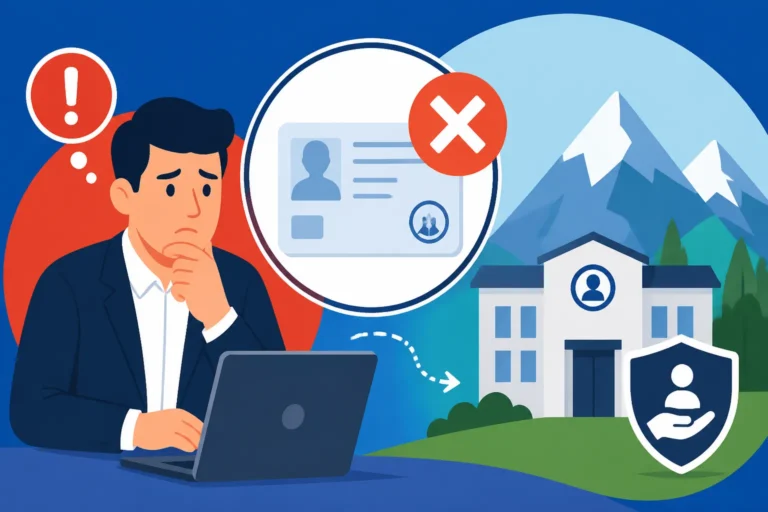
The path to Swiss citizenship is often described as a mountain climb even steeper than the Eiger, leaving many expats feeling like perpetual outsiders despite years of tax-paying and rule-following. I remember sitting in my local Zurich café, staring at a mountain of paperwork and wondering if I would ever truly belong to this land of precision and peaks. This guide breaks down the complex naturalization process, ensuring you have a clear, actionable roadmap to finally securing that coveted red passport.
Understanding the Swiss Citizenship Landscape: The Three-Tier System
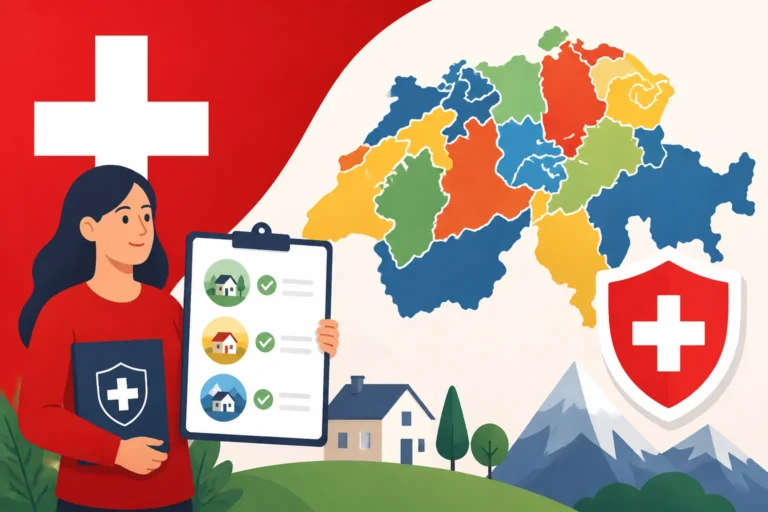
One of the first things you realize when you start looking into becoming Swiss is that you aren't just applying to a country; you are applying to a federation, a canton, and a specific commune. This unique structure is the bedrock of Swiss identity, but for the applicant, it means navigating three distinct sets of criteria simultaneously. It is not uncommon for a person to meet federal requirements perfectly, only to find that their specific village has a localized tradition or rule that adds another layer of complexity to the journey.
Federal, Cantonal, and Communal Requirements
At the federal level, the rules are relatively standardized. The Swiss Confederation sets the baseline for residency years, integration standards, and respect for public order. However, once you pass that baseline, you enter the realm of cantonal law. Each of the 26 cantons has the authority to set its own additional requirements, particularly regarding the length of time you must have lived in that specific canton before applying. For example, some cantons might require five years of local residency, while others are satisfied with two.
Then comes the communal level—your local "Gemeinde" or "Commune." This is where the process becomes deeply personal and, frankly, where most of the "horror stories" originate. Your local neighbors and council members are the ones who will ultimately decide if you have integrated into their specific community. This three-tiered approach means that your experience applying in a cosmopolitan hub like Geneva will be worlds apart from applying in a small village in Appenzell Innerrhoden. Understanding Cantonal vs Federal Citizenship: Understanding the Three-Tier Integration Process is the first step in managing your expectations and preparing your strategy.
The 10-Year Residency Rule
For most expats, the magic number is ten. Under the current federal law, you must have resided in Switzerland for a total of ten years before you can submit your application for ordinary naturalization. This sounds straightforward, but the way these years are calculated can be tricky. Years spent in Switzerland between the ages of 8 and 18 count as double, though the actual physical stay must still be at least six years. This is a massive advantage for "third-culture kids" who grew up navigating Swiss schools and local social circles.
However, simply being physically present in the country isn't enough. You must also prove that you have been a "good resident." This means you haven't been relying on social state benefits for a significant period before your application and that your tax records are spotless. If you are a student or a researcher, you might wonder Do Years Spent on a Student Visa Count Towards Swiss Citizenship?—the answer depends heavily on whether those years were followed by a more permanent residency status. Generally, years on an L permit (short-term) or a student B permit only count if you transitioned to a standard B or C permit later.
Why Your C Permit is the Golden Ticket
You cannot apply for ordinary naturalization unless you already hold a C permit (Permanent Residency). This is a non-negotiable requirement that catch many people off guard. The C permit is essentially the "pre-check" for citizenship. It proves that you have already met high standards of integration, language proficiency, and financial stability. If you are still on a B permit, your primary focus should be on The Swiss C Permit (Permanent Residency): Fast-Track and Standard Routes rather than the naturalization process itself.
The C permit also acts as a shield during the lengthy naturalization process. Since the citizenship application can take anywhere from 18 months to three years, having a permanent right to remain in the country provides the peace of mind needed to endure the bureaucratic marathon. During this transition, maintaining comprehensive health coverage is vital, and many expats look to providers like Cigna Global to ensure they are covered both within Swiss borders and during any international travel while their final status is pending.
Ordinary Naturalization: The Long Road of Integration
Ordinary naturalization is the path taken by the vast majority of foreign residents. It is designed to be a rigorous test of your commitment to the Swiss way of life. It’s not just about how much you earn or how well you speak the language; it’s about whether you have "internalized" the values of the country. This is where the subjective nature of the process often frustrates foreigners who are used to more objective, box-ticking immigration systems.
Proving Integration in Daily Life
The Swiss authorities want to see that you aren't just living in Switzerland, but with the Swiss. This means participating in local life. Are you a member of a "Verein" (local club)? Do you know your neighbors? Do you shop at the local bakery? During the interview process, you might be asked about your involvement in community events or whether you participate in the local recycling program with the required precision.
Integration also means respecting the "Ruhezeit" (quiet hours) and understanding the social etiquette that keeps Swiss society running smoothly. I’ve seen applications slowed down simply because a neighbor gave a lukewarm reference regarding the applicant's friendliness in the hallway. It sounds extreme, but in a country built on consensus and local autonomy, these small social data points matter immensely. You are essentially asking a community to adopt you as one of their own, and they take that responsibility seriously.
Language Proficiency Standards
Language is the most visible hurdle. To become Swiss, you must demonstrate proficiency in one of the national languages (German, French, Italian, or Romansh) relevant to your place of residence. The federal minimum is usually a B1 level for speaking and an A2 level for writing. However, many cantons have raised the bar. It is essential to check C Permit Language Requirements: Do I Need A2 Written and B1 Oral? as these often mirror or serve as the baseline for the citizenship requirements.
Passing a standardized test like the "fide" or a Goethe certificate is the standard way to prove this. But remember, the interview will be conducted in the local language. If you live in a German-speaking canton, being able to understand the local dialect (Schweizerdeutsch) is a massive "plus point," even if you speak High German in the interview. It shows a deeper level of cultural immersion. If you are preparing for these exams, make sure you understand the Language Requirements for Swiss Permits: A1 to B2 Standards Explained to ensure you aren't aiming too low.
The Importance of No Debt or Criminal Record
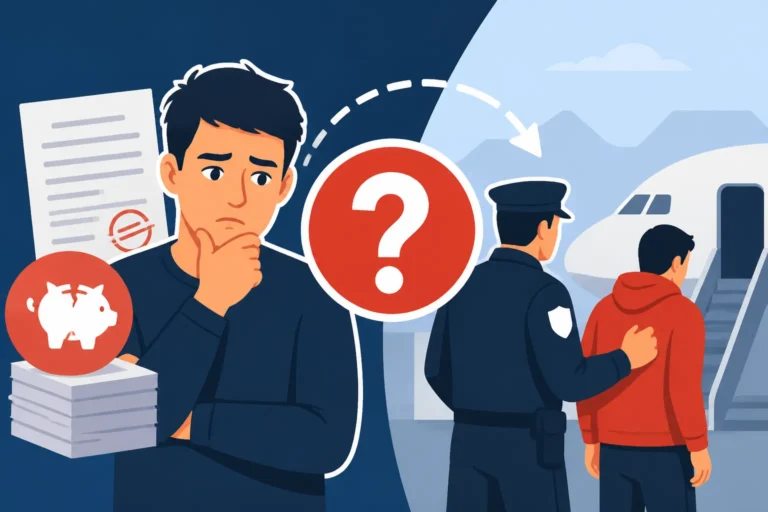
The Swiss have zero tolerance for financial or legal delinquency during the naturalization process. Your "Betreibungsauszug" (debt register extract) must be clean. If you have unpaid bills or ongoing legal disputes, your application will likely be rejected or put on hold until the issues are resolved. This reflects the Swiss value of "reliability." They want citizens who contribute to the stability of the system, not those who draw from it or disrupt it.
Similarly, any criminal record—even minor traffic offenses in some cases—can be a disqualifier. The authorities will check your "Strafregisterauszug" (criminal record extract) thoroughly. It’s important to be completely transparent. Trying to hide a past indiscretion is often viewed more harshly than the indiscretion itself, as it signals a lack of honesty, which is a core trait the Swiss look for in new citizens.
Facilitated Naturalization: The Shorter Route
Not everyone has to wait ten years and jump through every communal hoop. Facilitated naturalization is a streamlined process managed at the federal level, bypassing much of the local communal interference. This path is primarily reserved for people with close ties to Switzerland through marriage or ancestry.
Spouses of Swiss Nationals
If you are married to a Swiss citizen, the process is significantly faster and less burdensome. Generally, you can apply after three years of marriage, provided you have lived in Switzerland for a total of five years. The key difference here is that the decision is made by the State Secretariat for Migration (SEM) in Bern, rather than your local village council.
However, don't mistake "facilitated" for "automatic." You still need to prove integration and language skills. The authorities will also verify that the marriage is genuine and not entered into solely for the purpose of obtaining citizenship. For a detailed breakdown of the timeline and specific forms required, refer to our guide on Facilitated Naturalization: Fast-Track Citizenship for Spouses of Swiss Nationals.
Third-Generation Immigrants
A relatively new law allows for the facilitated naturalization of third-generation immigrants. This applies to young people whose grandparents came to Switzerland and whose parents have lived here for many years. The goal is to integrate those who have never known another home but aren't technically citizens. The requirements focus on school attendance and the residency status of the parents and grandparents.
This path is a recognition of the "Stateless" feeling many young people in immigrant communities face. While it is faster, it still requires a proactive application; being born in Switzerland does not grant automatic citizenship (jus soli is not practiced here). If you are looking into this for your children, it is vital to start the paperwork early, as there are age limits on when this facilitated path can be utilized.
Requirements for Children Born in Switzerland
As mentioned, being born on Swiss soil doesn't make you Swiss. However, children born to foreign parents can often be naturalized alongside their parents during an ordinary application. If a child has lived in Switzerland for five years, they can sometimes apply for their own naturalization, depending on the canton's specific rules. This is often an emotional milestone for expat families who finally feel they have "planted roots" that will protect their children's future.
The Interview and Integration Test
The interview is the part of the process that causes the most anxiety. It is often conducted by a small committee in your commune. In some smaller villages, this might even involve a vote by the local citizens' assembly, though this practice is becoming rarer and more regulated to prevent discrimination.
Common Questions and Cultural Nuances
The questions can range from the highly practical to the surprisingly obscure. You might be asked to name your local council members, describe the process of a "Landsgemeinde," or explain the ingredients in a traditional local dish. The goal isn't just to test your knowledge, but to see your enthusiasm for the local culture.
I remember one friend being asked to name three local mountains visible from the village and to explain the significance of the local "Chlausjagen" festival. It wasn't about geography; it was about showing that he paid attention to the place he called home. For a deeper look at what to expect, check out The Swiss Citizenship Interview Questions: What the Commune Asks You.
Local Knowledge: Geography, History, and Politics
You must have a solid grasp of the Swiss political system—specifically the concept of direct democracy. Know how an "Initiative" differs from a "Referendum." Understand the role of the Federal Council and how the presidency rotates annually. This knowledge proves that you are ready to exercise your upcoming voting rights responsibly.
Geography and history are also key. Knowing the history of the Rütli oath or the significance of the 1848 Federal Constitution is usually expected. Many communes provide a "Civics Handbook" to applicants. My advice: study it like it's the most important book you've ever read. Our resources on Understanding Swiss History and Politics for the Naturalization Test can provide a great head start.
Overcoming the "Swissness" Subjectivity
The challenge for many is the "Swissness" factor. This is the subjective feeling the committee has about whether you "fit." It’s a mix of your language tone, your body language, and your general attitude toward Swiss norms. Be humble, be respectful, and show a genuine love for the country. Don't complain about the high prices or the strict rules during your interview—even if your interviewer does. Your role is to be the "ideal future citizen."
| Feature | Ordinary Naturalization | Facilitated Naturalization |
|---|---|---|
| Residency Requirement | 10 Years (Federal) | 5 Years (Usually) |
| Permit Required | C Permit | B or C Permit |
| Decision Maker | Commune, Canton, & SEM | SEM (Federal Level) |
| Language Level | B1 Spoken / A2 Written | B1 Spoken / A2 Written |
| Interview Type | Local Committee / Commune | Federal Interview (Rare) |
| Costs | CHF 2,000 – 5,000+ | CHF 500 – 1,000 |
Financial Considerations and Fees
Becoming Swiss is not just a time investment; it’s a significant financial one. Between administrative fees, language tests, and document translations, the costs can spiral quickly if you aren't prepared.
Administrative Costs per Canton
The fees for naturalization are split between the three levels of government. The federal fee is actually quite small (around CHF 100-150), but the cantonal and communal fees can be substantial. In some expensive cantons like Zurich or Geneva, you can expect the total bill to land anywhere between CHF 2,000 and CHF 5,000 per person.
It’s important to budget for this well in advance. Some communes offer "family discounts" where children can be naturalized for a lower additional fee if the parents are applying at the same time. Always ask for a clear fee schedule from your "Gemeindekanzlei" before you submit your application to avoid any unpleasant surprises.
Impact of Social Welfare (Sozialhilfe)
This is a critical point: if you have received social welfare in the 3 to 5 years prior to your application (the timeframe varies by canton), you are generally ineligible for naturalization. The Swiss view citizenship as a reward for those who have proven they can be self-sufficient. If you did receive benefits, you may have to pay them back in full before your application can be considered.
This rule emphasizes the importance of financial planning for expats. Maintaining a safety net is vital. This is another reason why many choose to maintain international insurance like Cigna Global even while living in Switzerland; it provides an extra layer of security and ensures that health-related financial shocks don't derail your long-term residency or citizenship goals.
Investment in Language Certifications
Beyond the government fees, don't forget the cost of language training and the exams themselves. A single "fide" test can cost several hundred francs. If you need to take multiple levels of courses to reach B1, the costs add up. However, view this as an investment. Higher language proficiency not only helps your citizenship application but also significantly increases your earning potential and social integration in Switzerland.
Practical Steps: Document Preparation and Timeline
The paperwork phase is where most people feel the "administrative hurdle." You will need birth certificates, marriage certificates, and various proofs of residency from every place you've lived in Switzerland.
Translating Birth and Marriage Certificates
If your documents aren't in a Swiss national language, they must be translated by a certified professional. The Swiss authorities are extremely particular about the quality and "officialness" of these translations. Using a reputable service like RushTranslate can save you a world of trouble, as they provide the certified translations that meet the rigorous standards of Swiss cantonal offices. Don't try to save money here by using an uncertified translator—it will only lead to your documents being rejected and your application delayed.
The Naturalization Timeline: What to Expect
Patience is the most important trait you can have. Once you submit your dossier, it can take 12 to 18 months just to get to the interview stage. After the interview, it might take another 6 to 12 months for the canton and the federal government to give their final stamp of approval. Total time? Usually 2 to 3 years. You can find a more granular breakdown in Naturalization Timeline: How Long It Actually Takes After Applying.
During this time, your life might change. You might change jobs or have a child. You are required to keep the authorities informed of any major life changes. This "waiting game" is often the most stressful part, as you feel your life is on hold while a committee decides your fate.
Leaving Switzerland During the Process
Can you travel or even move house while your application is pending? Traveling is usually fine, but moving can be a disaster. If you move to a different canton—or even a different commune—during your application, you may have to start the entire process over again. This is because your residency "clock" in that specific location resets, and the local committee that was evaluating you no longer has jurisdiction. Always consult with your current commune before signing a new lease if you have a pending application.
Dual Citizenship and Life After Naturalization
The moment you receive that final letter and are invited to your "Einbürgerungsfeier" (citizenship ceremony), everything changes. But what does it mean for your old life?
Keeping Your Original Passport
Switzerland allows dual citizenship without any restrictions on the Swiss side. This is a massive draw for many expats. You can keep your original passport and all the rights that come with it, provided your home country also allows dual nationality. This means you don't have to "choose" between your heritage and your new home. You can simply be both.
Voting Rights and Civic Duties
The biggest change is the right to vote. In Switzerland, this is a serious responsibility. You will receive voting materials several times a year for federal, cantonal, and communal issues. Being a citizen means you finally have a say in the laws that govern your life, from the construction of a new local school to major national immigration policies.
The Impact on Military Service
For male applicants under a certain age (usually up to 24 or 30 depending on the circumstances), Swiss citizenship comes with the requirement for military service or the payment of a military exemption tax. If you are naturalized after the age of 24, you might still be required to pay the tax for a certain number of years. It’s important to understand these obligations before you commit, especially for younger applicants.
Summary of Naturalization Steps
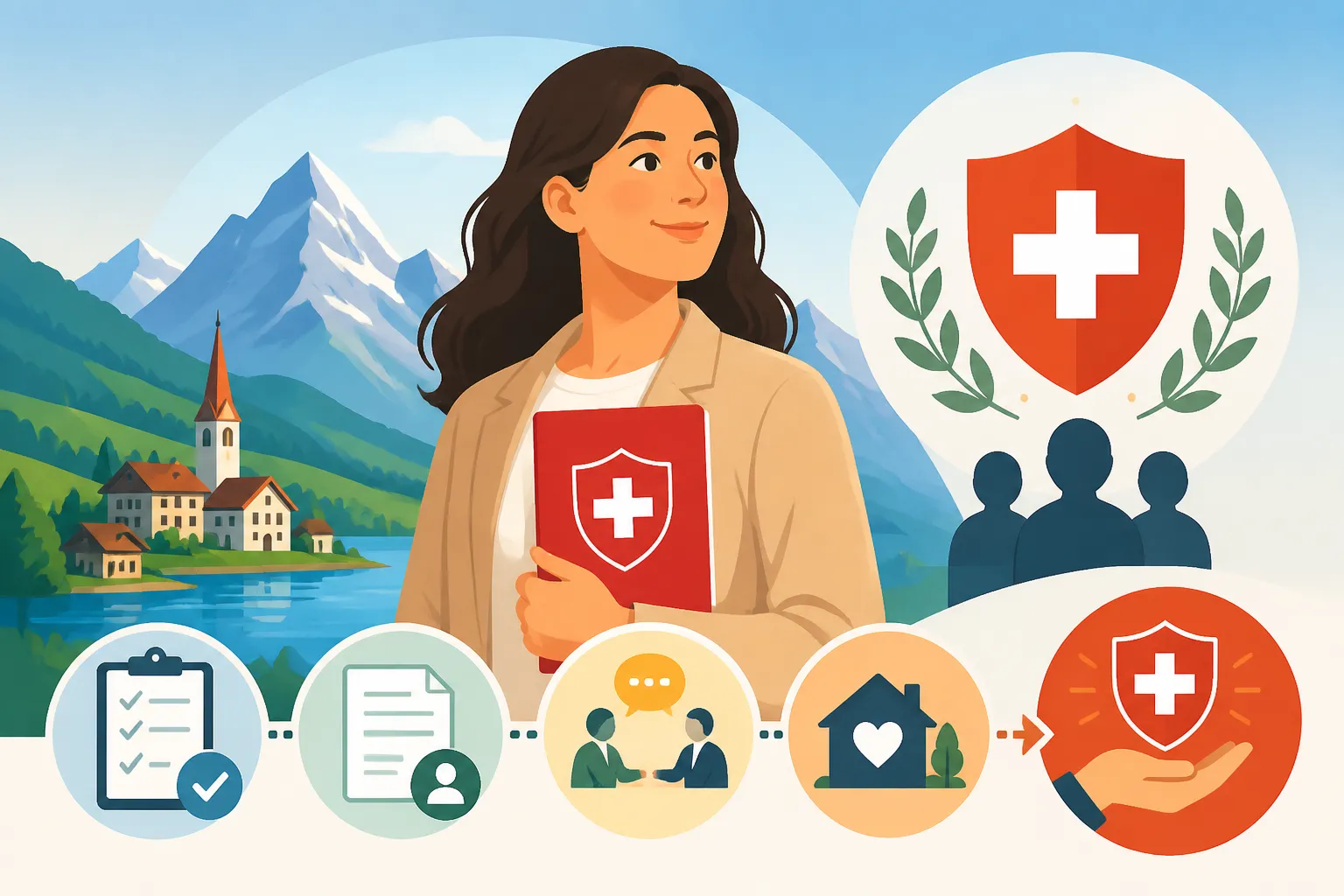
Becoming Swiss is a journey of endurance. It requires you to prove, over a decade, that you are not just a guest, but a vital part of the social fabric. While the bureaucracy can be frustrating and the interviews intimidating, the reward is a lifetime of security in one of the world's most stable and prosperous nations.
- Reach the 10-year residency mark and secure your C Permit.
- Achieve the required language proficiency (B1 spoken/A2 written).
- Gather and certify all necessary documents (using services like RushTranslate).
- Submit your application to your local commune.
- Pass the integration interview and local knowledge tests.
- Wait for the federal and cantonal approvals.
- Attend your citizenship ceremony and receive your Swiss passport.
Disclaimer
The information provided in this guide is for informational purposes only and does not constitute legal advice. Swiss immigration laws and cantonal requirements are subject to change. Always consult with the official State Secretariat for Migration (SEM) or your local cantonal migration office for the most up-to-date and specific information regarding your personal situation.