Applying for an Apartment Without a Debt Register Extract
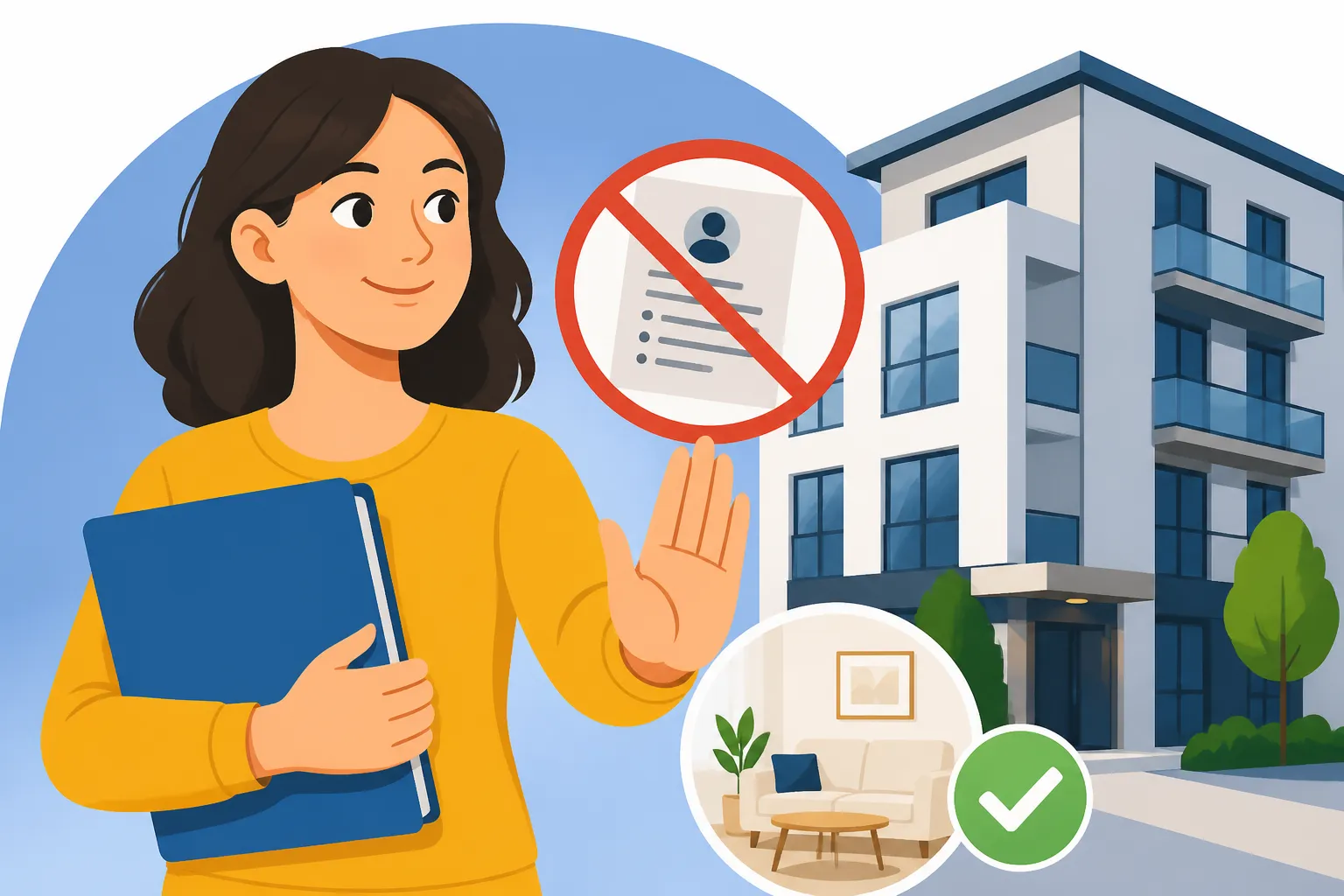
Landing in Switzerland with a fresh job contract and a suitcase full of dreams is an incredible feeling, until you realize that the local housing market is essentially a high-stakes beauty pageant where the most important accessory is a piece of paper you don’t actually have. I remember my first week in Geneva, standing in a crowded hallway with twenty other applicants, feeling a cold sweat break out when the agent asked for my Betreibungsauszug. I had been in the country for exactly seventy-two hours; the debt office didn't even know I existed, let alone whether I owed anyone money. This guide is your survival manual for navigating that exact "Catch-22" and successfully applying for an apartment when you’re a ghost in the Swiss financial system.
Understanding the Swiss Obsession with Financial Purity
To win the housing game, you have to understand why the landlord is asking for this document in the first place. In Switzerland, the debt collection system is highly decentralized and incredibly efficient. A Betreibungsauszug (Debt Register Extract) is a certificate issued by the local debt collection office (Betreibungsamt or Office des Poursuites) that lists any debt enforcement proceedings against you over the last five years. For a Swiss landlord, this isn't just paperwork; it is the ultimate proxy for your character.
The Swiss rental market is notoriously protective of landlords. Because it is relatively difficult to evict a tenant for minor issues once they have moved in, the vetting process at the front end is brutal. They are looking for "Zeroes." If your extract shows even a single disputed bill from a telecom provider or a forgotten medical invoice, your application usually goes straight into the paper shredder. As an expat, your problem isn't that you have "bad" debt; it's that you have "no" debt history, which the system sometimes interprets as a lack of transparency.
This obsession stems from a culture that values punctuality and fiscal responsibility above almost all else. When you are Renting in Switzerland: The Complete 2027 Guide for Expats, you are essentially auditioning to be a reliable part of a community. The extract is the proof that you pay your bills on time. Without it, you are an unknown variable, and in the Swiss Alps, unknown variables are generally viewed with a polite but firm skepticism.
The Newcomer Catch-22 and the Ghost Extract
The most frustrating part of being a new arrival is that you cannot physically produce a standard debt extract until you have officially registered your residence. However, you often cannot find a permanent residence until you have the extract. It is the classic Swiss circle of administrative doom.
If you go to the Betreibungsamt the day after you arrive, they will likely tell you that they cannot issue a certificate because you aren't in their database yet. Even if they do issue one, it will simply state that "no information is available for this person at this address." To a landlord who is comparing you against ten local applicants with five-year-long "clean" records, your "no information" sheet looks incredibly flimsy.
This is where you need to change your strategy. You aren't just looking for an apartment; you are building a case for your own reliability. You have to fill the vacuum of information with high-quality alternatives. While you work on this, many expats find that using platforms like HousingAnywhere for a mid-term serviced apartment is the best way to get a local address first. This allows you to complete the process of Registering Your Address at the Kreisbüro Within 14 Days of Moving, which eventually makes getting that official local document much easier down the line.
Strategic Alternatives to the Debt Register Extract
Since you cannot provide the exact document requested, you must provide a "package of proof" that serves the same purpose. Your goal is to prove three things: you have money, you have a history of paying people, and you are a low-risk human being.
The Foreign Credit Report
If you are moving from a country with a robust credit reporting system—like the US (Experian/Equifax), the UK (Experian), or Germany (SCHUFA)—get an official, up-to-date report before you leave or immediately upon arrival. While a Swiss landlord might not know exactly how to read a FICO score, the presence of a professional-looking, multi-page document showing years of "on-time" payments carries significant weight. Have a brief summary translated into the local language (German, French, or Italian) explaining that this is the equivalent of a Betreibungsauszug in your home country.
The "Attestation of Non-Registration"
Some cantonal offices will provide a letter stating that you have only recently arrived and therefore no debt records exist. This is slightly better than a blank extract because it provides context. It tells the landlord, "This person isn't hiding debt; they are simply new." Combine this with a copy of your entry visa or your residence permit application to prove your arrival date.
The Employment Contract as a Financial Shield
In the absence of a debt history, your employment contract is your strongest weapon. Landlords want to see that your monthly gross salary is at least three times the "warm" rent (rent including Nebenkosten). If you are a high-earner, highlight this. I once helped a friend secure a flat in Zurich by suggesting they include a letter from their HR department explicitly stating that the company had conducted a background check and that the employee was in good standing. This "corporate endorsement" can often bypass the need for a local debt history.
The Rental Interest Guarantee
In some cases, if the landlord is particularly hesitant, you can offer a larger deposit or use a rental guarantee service. While the standard deposit is three months of rent held in a blocked bank account, some newcomers use services like SwissCaution and Firstcaution: Using Deposit Insurance Instead of Cash to provide the guarantee immediately without tying up all their liquidity. However, be aware that some landlords actually prefer the traditional bank deposit as it shows you have significant cash reserves.
Building the Killer Application Dossier (The Bewerbungsmappe)
In a market where forty people might apply for the same 3.5-room flat, the person who wins is usually the one who makes the landlord's life the easiest. You need a professional Bewerbungsmappe (application dossier). This is not just a pile of papers; it is a marketing brochure for you as a tenant.
Every dossier should include:
- The Application Form: Filled out in perfect, legible block letters.
- A Personal Cover Letter: This is your secret weapon. Explain who you are, why you moved to Switzerland, and why you love this specific apartment. Mention your quiet hobbies (Swiss landlords love "quiet").
- Copy of Residence Permit: Or the "Meldebestätigung" if the permit is still processing.
- Employment Contract: Specifically the pages showing your name, salary, and signatures.
- The Financial Proof: Your foreign credit report and the "new arrival" letter from the debt office.
- References: Names and phone numbers of your previous landlord (even if they are abroad) and your current Swiss employer.
If you are looking at highly competitive areas, you might want to look at Finding an Apartment in Zurich: Relocation Agents vs Flatfox vs Homegate to see which platforms favor your specific situation. A relocation agent, while expensive, often has "backdoor" relationships with landlords and can vouch for you personally, which completely negates the need for a debt extract in many cases.
Comparison of Documentation for Newcomers
| Document | Strength for Landlord | Ease of Acquisition for Newcomer | Recommendation |
|---|---|---|---|
| Swiss Debt Extract | High | Low (Requires local history) | Get as soon as you have 3 months of residency. |
| Foreign Credit Report | Medium-High | High | Mandatory for your first application. |
| HR Confirmation Letter | High | Medium | Very effective for corporate expats. |
| Bank Statements (3 months) | Medium | High | Good for showing liquidity if you are between jobs. |
| Previous Landlord Reference | Medium | High | Must be in English or local language. |
Short-Term Housing as a Strategic Bridge
If you are finding that permanent landlords are being particularly stubborn about the debt extract, do not panic and do not take it personally. It is often a matter of timing. Sometimes the best move is to stop fighting the "permanent" market for a moment and look for a bridge.
Short-term, furnished apartments are much more lenient with paperwork. You can often book them online with just a passport and a credit card. Once you are living in a temporary place, you can set up your local infrastructure. You can get your Swiss Mobile Plans: Best Subscriptions and Prepaid eSIMs for Expats sorted, perhaps using an Airalo eSIM for immediate data while you wait for your fiber optics. More importantly, you can register your address. After being registered for even a few weeks, the local Betreibungsamt can issue a "clean" extract that shows you are living at your temporary address and have no debts.
This short-term period also allows you to figure out the local geography. Switzerland is a country Where to Live in Switzerland: Cantons, Cities, and Commuter Zones can drastically change your tax rate and your lifestyle. Taking three months in a temporary spot allows you to visit neighborhoods at night, check the commute times, and apply for permanent flats with a local Swiss document in hand.
Navigating the Application Interview and Site Visit
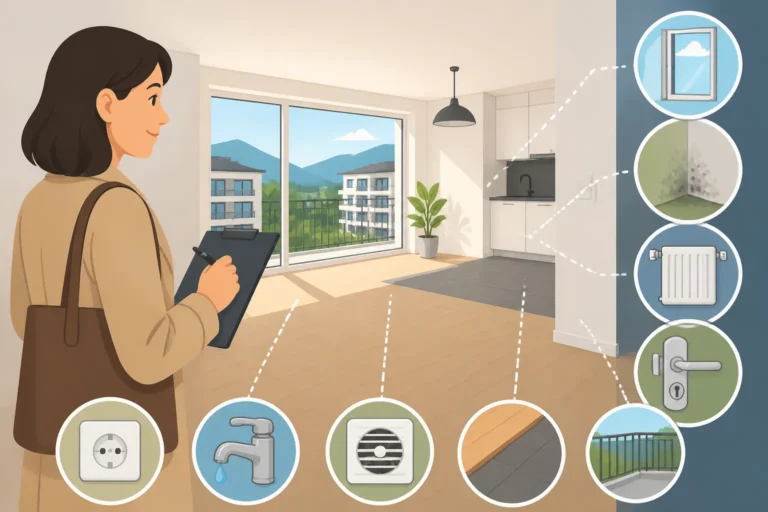
When you go to an apartment viewing, you are being watched. This isn't just about the walls and the kitchen; the current tenant or the agent is assessing your "Swiss-compatibility." Are you wearing clean shoes? Are you punctual? Are you asking intelligent questions about the laundry schedule?
Because you lack the debt extract, you need to over-index on professionalism. I always recommend bringing a physical copy of your dossier to the viewing, even if you’ve already emailed it. If you hit it off with the agent, handing them a beautifully bound folder makes you stand out from the thirty people who just sent a generic "is this still available" message on Homegate.
Mention during the viewing that you are new to the country and have provided a comprehensive foreign credit history in your folder. Being upfront about it shows that you understand the Swiss system and aren't trying to hide anything. If you are applying for a shared space, knowing how to handle Decoding Swiss Apartment Ads: What 2.5, 3.5, and 4.5 Rooms Actually Mean will show you've done your homework and aren't just another confused tourist.
Essential Insurance to Boost Your Credibility
One way to make a landlord feel much safer about a newcomer without a financial history is to prove you are fully insured. In Switzerland, certain insurances are so common that not having them is seen as a red flag.
You should definitely mention that you have Private Liability Insurance (Privathaftpflicht): Why Expats Need It. This insurance covers damages you might accidentally cause to the apartment—like dropping a heavy pot on a parquet floor or cracking a ceramic cooktop. For a landlord, knowing that an insurance company will pay for your mistakes is often more comforting than a clean debt extract.
Additionally, ensure your dossier mentions you are aware of the Swiss Apartment Handovers (Wohnungsübergabe): Protocols and Deposits process. Showing that you understand the strictness of the Swiss move-in and move-out rituals signals that you will treat the property with the respect they expect. If you need to buy items for your new place, ordering through Amazon Germany can be a lifesaver for getting international brands delivered right to your door, though you'll need to learn the local customs rules eventually.
What to Do If You Are Repeatedly Rejected
If you’ve sent out twenty applications and received twenty "No" responses (or more likely, twenty silences), it’s time to pivot.
- Lower Your Sightlines: The most popular apartments in the city center will always go to the "perfect" candidate. Look 15 minutes further out by train.
- Join the Association: Join The ASLOCA / Mieterverband: Why Every Swiss Tenant Must Join. While they are primarily for legal disputes, they have excellent resources on how to present a valid application and can sometimes offer advice on local market quirks.
- Check Your References: Call your HR person or your previous landlord. Are they actually answering the phone? A Swiss agent will call them. If they don't pick up, your application is dead.
- Proof of Payment: If you can’t show a debt extract, show a "payment history." Print out your bank statements for the last six months showing your rent was paid on time, every time, in your previous country. Redact the private stuff, but leave the rent payments visible.
Finally, remember that the Cost of Living in Switzerland 2026: Budgeting for Singles and Families is high, and landlords are simply protecting their investment. Once you get that first "Yes," the rest of the system becomes much easier. You’ll be able to handle the basics, like Registering for Electricity with EWZ in Zurich, and before you know it, you’ll be the one complaining about the new neighbor who doesn't understand the laundry room rules.
Disclaimer
This guide is intended for informational purposes only and does not constitute legal or professional real estate advice. The Swiss housing market and cantonal regulations regarding debt register extracts can change. Always verify requirements with your local Cantonal Migration Office or a qualified legal professional.
Staying compliant with local laws is your responsibility as an expat. While this guide highlights common workarounds, individual landlords and management companies (Verwaltungen) have the final say on which documents they accept for a rental application.