Registering a Change in Marital Status With the Migration Office
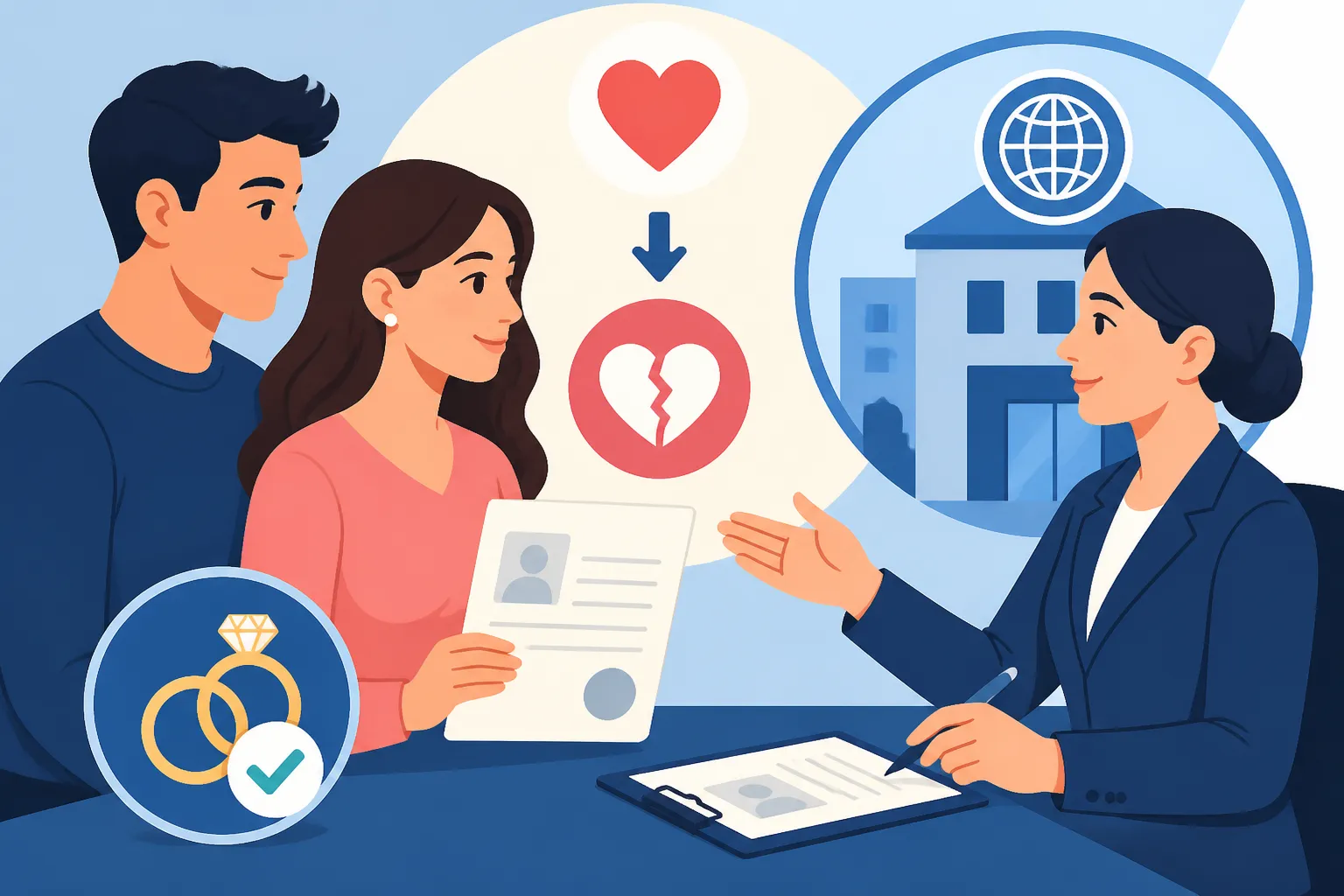
Just when you think you’ve finally got a handle on Swiss bureaucracy – from registering your apartment to deciphering your health insurance – life throws a curveball. Whether it's the joyous occasion of marriage or the difficult process of divorce, a change in your marital status here in Switzerland isn't just a personal event; it’s a bureaucratic one. This guide is here to walk you through the often-complex steps of registering these crucial life changes with the Swiss Migration Office, helping you navigate the paperwork and understand the very real implications for your residence permit and daily life.
Why Your Marital Status Matters to Swiss Authorities
It might seem overly intrusive, but in Switzerland, your marital status isn't just a detail on your personal ledger; it's a fundamental piece of information that heavily influences your legal residency, tax obligations, and even your ability to stay in the country. The Swiss authorities, known for their meticulous record-keeping, need to know these changes for a multitude of reasons, and failing to report them can lead to significant headaches down the road.
The Legal Obligation to Report Changes
Switzerland operates on a system of comprehensive registration. From the moment you arrive, every aspect of your life that impacts your legal status, from your address to your employment, must be reported. Your marital status falls squarely into this category. The local Gemeinde (municipality) or Commune is typically your first point of contact for any major life event. They are the gatekeepers, the first line of defense in ensuring all data is accurate. From there, this information flows up to the Cantonal Migration Office, which is the ultimate authority on your residence permit.
You see, for the Swiss, it’s not just about knowing if you're single or married; it’s about understanding your entire legal and financial situation. Are you a primary permit holder, or are you here on a dependent visa? Is your spouse a Swiss national, an EU/EFTA citizen, or a Third-Country National? All these factors play a significant role in how your case is treated. They need this data to maintain a clear picture of the resident population, to ensure social services are allocated correctly, and to enforce immigration laws. It's a system built on precision, and any deviation, even an unannounced marriage, can throw a wrench in the works. It's not personal; it's just very, very Swiss.
Impact on Your Permit Status and Renewal
This is where things can get truly impactful for expats. If you're a non-EU/EFTA national, your residence permit (whether an L, B, or C permit) is often tied to a specific purpose – employment, study, or family reunification. A change in marital status can directly affect the validity or conditions of your permit.
For instance, if you marry a Swiss citizen or an EU/EFTA permit holder, your pathway to a more stable permit, like a C permit, can be expedited under family reunification rules. Suddenly, your independent B permit might transition to a dependent one, which can sometimes offer greater security, especially if your initial permit was tied to a job that you might lose. Conversely, if you are here on a dependent B permit, and your marriage ends, your right to reside in Switzerland might be jeopardized. The Migration Office will assess if you meet independent criteria to stay, such as sufficient financial means, integration level (especially language skills), and employment status. This can be a terrifying prospect, leaving many expats feeling incredibly vulnerable during an already difficult time. Understanding The Swiss B Permit: Eligibility, Renewal, and Restrictions and The Swiss C Permit (Permanent Residency): Fast-Track and Standard Routes is crucial before and after such life changes.
Even for EU/EFTA citizens, while the permit risks are lower, your marital status can still impact how easily your non-EU/EFTA spouse can join you. The permit rules around Family Reunification: Bringing Your Spouse and Children to Switzerland are stringent, requiring proof of sufficient housing and financial resources. It’s a cascading effect; one change often triggers a domino effect across various administrative domains.
The Process of Registering a Marriage in Switzerland
So, you've tied the knot! Congratulations! Whether you got married in a picturesque Swiss village or exchanged vows back home, the Swiss authorities need to know. The process can differ slightly depending on where the marriage took place and who you married, but the core principle remains: diligent reporting.
Registering a Marriage Performed Abroad
This is perhaps the most common scenario for many expats. You meet someone, fall in love, and maybe decide to get married in your home country, or a third country, because it's easier, cheaper, or simply where your families are. The joy of the wedding often gives way to the dread of bureaucracy when you return to Switzerland.
To register a marriage performed abroad, you typically need to visit your local Zivilstandsamt (civil registry office) or the Gemeinde office in your municipality of residence. They will then forward the details to the relevant cantonal authorities and the federal civil status office. The key here is proper documentation. Your foreign marriage certificate isn't enough on its own. It will almost certainly need to be legalized (often with an apostille if your home country is part of the Hague Convention) and translated into one of Switzerland's official languages (German, French, or Italian) by a certified translator. Oh, the joy of apostilles and certified translations! You'll become intimately familiar with these terms if you haven't already.
Once registered, your marital status will be updated in the Swiss civil register. This is a critical step because it officially recognizes your marriage within the Swiss legal framework, which then impacts everything from your tax declarations to your ability to sponsor your spouse for a residence permit if they aren't already here. Remember that even a Registered Partnership vs Marriage for Swiss Immigration Purposes has different implications, so be clear on your legal status.
What to Do If You Marry a Swiss Citizen
Marrying a Swiss citizen can simplify certain aspects of your immigration journey, particularly if you're a Third-Country National. While it's not an instant passport to Swiss citizenship, it does provide a clearer, often faster, path to permanent residency and eventually naturalization through facilitated naturalization.
If you marry a Swiss citizen, and the marriage takes place in Switzerland, the Zivilstandsamt that performed the ceremony will handle the initial registration. They will then notify the relevant cantonal and federal authorities. If the marriage took place abroad, you'll follow a similar procedure as outlined above for foreign marriages, but the implications for your permit status can be more favorable. You’ll typically be eligible for a B permit tied to your Swiss spouse, and after five years of living together in Switzerland and demonstrating successful integration (including language skills), you can apply for facilitated naturalization. This is a significant advantage over the ordinary naturalization process, which typically requires ten years of residency.
However, even when marrying a Swiss citizen, you still need to actively inform your local Gemeinde and ensure all your documents are updated. Don’t assume they automatically know. Swiss bureaucracy rarely assumes anything.
Essential Documents for Marriage Registration
The exact documents can vary depending on your nationality, where you got married, and your canton of residence, but generally, you’ll need:
- Your valid passport(s) or ID card(s)
- Your current Swiss residence permit(s)
- Original marriage certificate: If issued abroad, it must be legalized (apostille) and officially translated.
- Birth certificate(s): Again, originals with legalization and translation if applicable.
- Certificate of residence (Wohnsitzbescheinigung): Obtainable from your local Gemeinde.
- Proof of marital status from your home country: This confirms you were free to marry (e.g., a "Certificate of No Impediment"). This is a common requirement for foreign nationals marrying in Switzerland, or registering a foreign marriage.
- Family book (Familienbüchlein) or family register extract: If you have one.
It’s always a good idea to contact your specific Gemeinde or the cantonal Migrationsamt well in advance to get a precise list of required documents tailored to your situation. They might even have a checklist online. Always bring originals and several copies of everything.
| Event | Primary Office to Notify | Key Documents (Initial) | Potential Permit Impact |
|---|---|---|---|
| Marriage (in CH) | Zivilstandsamt (Civil Registry) | ID/Passport, Birth Certificate, Residence Certificate, Marital Status Certificate | If marrying Swiss/EU citizen, may lead to easier B/C permit, potentially expedited naturalization path. If marrying non-EU/EFTA, joint tax assessment. |
| Marriage (abroad) | Gemeinde / Migration Office | Foreign Marriage Certificate (apostilled/legalized & translated), ID/Passport, Permit | Same as above, but requires formal recognition of foreign documents. Crucial for Family Reunification: Bringing Your Spouse and Children to Switzerland. |
| Divorce / Separation | Gemeinde / Migration Office | Divorce Decree (legalized/translated), Permit, ID/Passport | Dependent permits (e.g., spousal B permit for non-EU/EFTA) are at risk and often require a "hardship" case for retention. Changes tax status, potential for Financial Independence Checks: Why Betreibungen (Debt) Stops Permit Renewals. |
| Birth of Child | Zivilstandsamt | Birth Certificate, Parents' ID/Passport, Marriage Certificate (if applicable) | Child automatically granted Swiss permit based on parents' status. Enables Family Reunification: Bringing Your Spouse and Children to Switzerland for the child. |
| Registered Partnership | Zivilstandsamt (Civil Registry) | Similar to marriage documents | Provides similar legal recognition to marriage in many areas, but distinct immigration implications. See Registered Partnership vs Marriage for Swiss Immigration Purposes. |
Navigating Divorce or Separation with the Migration Office
Dealing with the end of a relationship is tough enough, but adding Swiss bureaucracy to the mix? That's a whole new level of "fun" and stress. The Swiss authorities need to know about divorces and legal separations just as meticulously as they track marriages, and the implications, particularly for non-EU/EFTA citizens, can be severe.
Reporting a Divorce and Permit Implications
The moment your divorce or legal separation is finalized, you have a legal obligation to inform your local Gemeinde within a short timeframe (usually 14 days, but check your canton's specifics). They will then update your civil status and inform the Cantonal Migration Office.
For dependent permit holders, this is a particularly precarious moment. If your B permit was granted solely on the basis of your marriage to a Swiss or EU/EFTA citizen, or another permit holder, your right to stay in Switzerland is immediately re-evaluated. The Migration Office will typically inform you that your permit may not be renewed. They want to know if you can stand on your own two feet, financially and socially. This means they will look at factors like:
- Duration of the marriage: Was it a short marriage or a long-term one? This matters for assessing the "integration period."
- Integration: Do you speak a national language (German, French, Italian) at a sufficient level (often A2/B1)? Have you been active in the community?
- Financial independence: Do you have a stable job and enough income to support yourself without relying on social welfare? Financial Independence Checks: Why Betreibungen (Debt) Stops Permit Renewals are very real and can impact your chances.
- Children: Do you have shared custody of children who are Swiss citizens or have a right to residency in Switzerland? This often strengthens your case for permit retention.
- Hardship Clause (Härtefall): In exceptional circumstances, if you can prove severe personal hardship (e.g., domestic violence, serious illness preventing work, inability to return to your home country due to safety concerns), your permit might be extended. However, these cases are notoriously difficult to win and require extensive proof.
The reality is stark: if you're on a dependent permit and your marriage ends, you might be asked to leave Switzerland unless you can successfully argue a strong case for independent residency. It's why understanding What Happens to Your Spousal Visa if You Divorce a Swiss Citizen? is so crucial.
Custody and Child Support Considerations
When children are involved, the process becomes even more complex and emotionally charged. The Swiss legal system prioritizes the well-being of the child. If you have children from the marriage who are Swiss citizens or hold a secure residency permit, and you have joint custody or primary care, this significantly strengthens your case for retaining your own permit. The Migration Office generally aims to ensure that children can maintain a stable environment and relationship with both parents.
However, even with children, you’ll need to demonstrate how you intend to provide for them financially and practically. Divorce decrees outlining custody arrangements, visitation rights, and child support payments are vital documents. These details will be scrutinized by the authorities. They want assurances that children will not become a burden on the state and that their access to education, healthcare, and parental care is secure. This is also why Tax Implications of Divorce and Alimony in Switzerland are so important, as your financial obligations will directly impact your ability to show sufficient funds.
Beyond the Paperwork: Real-World Implications and Advice
The administrative tasks around changing marital status are just the tip of the iceberg. These life events bring a cascade of other practical and emotional challenges, especially for expats who might lack a strong support network or familiarity with the local system.
Tax and Social Security Adjustments
One of the most immediate and tangible impacts of a change in marital status is on your taxes. Switzerland's tax system is progressive and varies by canton and municipality. When you're married, you typically file jointly, and this can lead to what's often referred to as a "marriage penalty" – where combined incomes push you into a higher tax bracket than if you filed separately as two single individuals. However, there are also deductions for married couples. You can learn more about this in Filing Taxes Jointly as a Married Couple in Switzerland.
Upon divorce or separation, you revert to individual taxation. This will affect your tax rate, deductions, and potentially your eligibility for cantonal premium reductions for health insurance if your income significantly changes. You'll need to inform your local tax office (Steueramt) of the change, usually when preparing your next annual tax declaration.
Furthermore, social security contributions and benefits can be affected. For instance, if one spouse was contributing to the other's AHV (old-age and survivors' insurance) record, this ceases. Pension fund (Pillar 2 / BVG) assets accumulated during the marriage are subject to division in a divorce, which can be a complex financial undertaking.
Managing the Emotional Toll of Administrative Hurdles
Let’s be honest: dealing with marriage, divorce, or any significant life change is already a deeply personal and often emotional experience. Layering complex, rigid Swiss bureaucracy on top of that can feel overwhelming and incredibly frustrating. The language barrier, the need for precise documentation, and the sheer volume of forms can exacerbate feelings of isolation or stress.
My advice, from one expat to another, is to be patient with yourself, but proactive with the paperwork. Don’t delay. The Swiss authorities do not look kindly on those who drag their feet in reporting changes. Keep impeccable records: scan every document, keep physical copies, and note down every phone call, email, or visit, including who you spoke to and when.
Consider seeking professional help. For complex divorce situations, especially those involving permit risks or children, an immigration lawyer or a specialist family lawyer is invaluable. They can guide you through the intricacies and advocate on your behalf. For general administrative questions, your local Gemeinde office is often a good starting point, though their English might be limited in smaller towns.
If a change in marital status means a change in address, perhaps a move to a new apartment or even a new canton, the logistics can be daunting. You might find yourself researching international moving services like Sirelo to help navigate the logistics of moving your belongings, especially if you or your former spouse are repatriating. And don't forget your health insurance! A change in family status might mean re-evaluating your coverage, especially if you're exploring options like Cigna Global for more comprehensive international plans or if a dependent is no longer covered under a family policy. You'll also need to update your address with them, along with updating your current Renewing Your Swiss Residence Permit: The Verfallanzeige Form Explained and making sure you follow the rules for Reporting a Change of Address Within the Same Commune. The Document Checklist for Renewing a Swiss Family Reunification Permit can also be a helpful reference for what documents are generally expected when dealing with the Migration Office.
Navigating these transitions in Switzerland requires resilience, organization, and a good dose of patience. But by understanding the system and preparing meticulously, you can minimize the stress and ensure your legal status remains secure.
Disclaimer
The information provided in this guide is for general informational purposes only and does not constitute legal, financial, or immigration advice. While we strive to keep the information up-to-date and correct, laws and regulations in Switzerland, particularly concerning immigration and civil status, can change rapidly and vary significantly by canton. It is essential to consult with the appropriate Swiss authorities (e.g., your local Gemeinde, Cantonal Migration Office, or a qualified legal professional) for advice tailored to your specific situation. We are not liable for any actions taken or not taken based on the information provided herein.