Grundreinigung Requirements: Cleaning Shutters, Ovens, and Vents
The Swiss move-out inspection is a legendary source of anxiety, where a single speck of dust can jeopardize thousands of francs. I still remember the sinking feeling when my first landlord used a white glove to check the inside of my range hood. This guide solves the "Grundreinigung" mystery, detailing exactly how to clean shutters, vents, and ovens to pass your inspection.
The Cultural Weight of Grundreinigung in Switzerland
When you first sign a lease in Switzerland, you are likely focused on the beautiful views or the proximity to the train station. However, the true test of your Swiss integration happens on the day you return the keys. In many countries, "broom-clean" is the standard for moving out. In Switzerland, the expectation is usually Apartment Handovers (Abgabegarantie): Swept Clean vs Thorough Cleaning, which translates to a deep, surgical-level scrub of every square millimeter of the property. This is not just a cleaning task; it is a formal administrative hurdle that dictates the release of your rental deposit.
The landlord or the management company (Verwaltung) will arrive with a multi-page document known as the Swiss Apartment Handovers (Wohnungsübergabe): Protocols and Deposits. They will spend two to four hours checking everything from the lime deposits in the toilet rim to the functionality of the light switches. If you have ever lived through this, you know the atmosphere is often tense. The inspector is not looking for general cleanliness; they are looking for "as-new" condition, minus Normal Wear and Tear (Lebensdauer): What Swiss Landlords Cannot Charge For. If the cleaning is deemed insufficient, they will hire a professional company at your expense, often charging double the market rate, and deduct it directly from your deposit.
Understanding the intensity of this process is the first step toward surviving it. If you found your current home through a platform like HousingAnywhere, you likely want to leave it in perfect condition to maintain a good reputation for future rentals. The Swiss system is interconnected, and failing a handover can sometimes ripple into your ability to get a clean Applying for an Apartment Without a Debt Register Extract in the future if a dispute over cleaning costs turns into a legal battle.
The Kitchen Minefield: Ovens, Hoods, and Vents
The kitchen is where most expats fail their first handover. It is the most used room in the house and the one that accumulates the most stubborn grime. A "clean" oven in an expat’s eyes is usually one where you can see the back of the tray. In a Swiss inspector's eyes, an oven is only clean if it looks like it has never been switched on. This means every single carbon deposit must be removed. You cannot leave those tiny black spots on the glass or the floor of the oven.
To tackle the oven, you need high-grade degreasers. While you can find basic supplies at local supermarkets, many veteran expats order professional-strength cleaners from Amazon Germany to get the job done more efficiently. You must also clean the baking trays and the wire racks until they shine. A common trick is to soak them in a bathtub with dishwashing tabs overnight. Don't forget the gaskets—the rubber seals around the oven door often hide crumbs and grease that inspectors love to point out with a judgmental sigh.
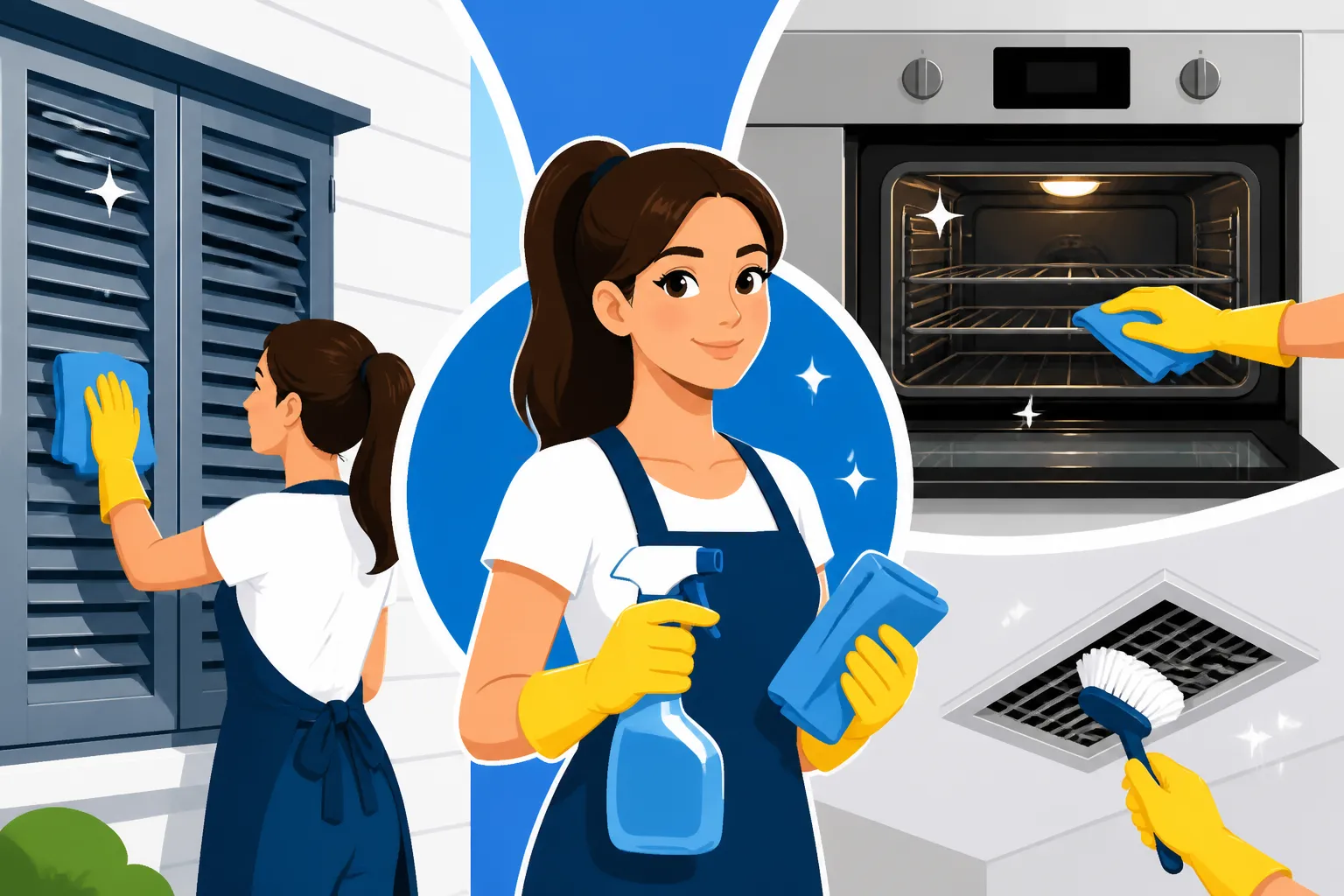
The extractor hood (Dunstabzugshaube) is another critical area. You must remove the metal filters and degrease them entirely. If the filters are disposable, buy brand-new ones. If they are metal, they need to go through the dishwasher multiple times or be soaked in a powerful solvent. The inspector will reach their hand inside the hood, behind where the filters sit. If their fingers come back sticky with old cooking oil, you have failed the kitchen section of the Renting in Switzerland: The Complete 2027 Guide for Expats requirements. This is a non-negotiable point of the "Grundreinigung" that catches people off guard every single time.
Windows and the Infamous Swiss Shutters
If there is one thing that defines Swiss housing, it is the "Lamellenstoren"—those external slatted metal shutters. They are fantastic for privacy and light control, but they are a nightmare to clean. During a "Grundreinigung," you are expected to clean every single slat on both sides. This means lowering the shutters and wiping down each individual piece of metal. If you live on a higher floor, this can be physically exhausting and potentially dangerous if you don't have the right tools.
The shutters accumulate a thick layer of grey dust, pollen, and spider webs over the course of a year. If you skip this, the inspector will notice the moment they look out the window. The goal is to ensure that when the shutters are raised or lowered, no dust falls onto the freshly cleaned window sills. This is part of the Swiss Everyday Rules: Recycling, Quiet Hours, and Neighborhood Etiquette that extend even into how we maintain our building’s exterior appearance. I once spent six hours on a balcony in Zurich wiping down 40 individual slats with a microfiber cloth, only to be told the pull-cords (the fabric ribbons that move the shutters) were still too grey.
Windows themselves must be streak-free. This includes the frames, the handles, and most importantly, the tracks. When you slide a window open, the metal track at the bottom often collects dead insects and dirt. You need a vacuum attachment or a toothbrush to get into these crevices. It is these hyper-local details that determine whether you get your deposit back in full. While you are working on this, you might want to use Airalo to keep your data running if your home internet has already been disconnected, as looking up "how to clean window tracks" becomes a frequent search in the final hours of a move.
Bathrooms and the Battle Against Limescale
Swiss water is famously "hard," meaning it is packed with calcium and magnesium. This leads to rapid limescale (Kalk) buildup. In a standard cleaning, you might just wipe the shower glass. In a move-out clean, you must chemically descale every surface. This includes the showerhead, the taps, the tiles, and even the drains. If the inspector sees a white crusty ring around the base of a faucet, they will mark it as a deficiency.
The "white glove" test is very real here. Inspectors will often check the aerators—the small screw-on mesh at the tip of the faucet. You are expected to unscrew these and soak them in vinegar or a descaling agent until the mesh is perfectly clear. If you haven't been doing this regularly, the buildup might be so thick that you need to buy replacement parts. This is a common part of Utilities in Switzerland: Electricity, Water, Heating, and Internet Setup maintenance that many newcomers overlook until it is too late.
Beyond the fixtures, the grout between the tiles must be scrubbed. If there is any hint of mold or orange soap scum, it must be eradicated. The toilet is another area of intense scrutiny; they will check under the rim and deep into the U-bend. Using a pumice stone can help remove the "Urinstein" (uric scale) that builds up over time. It is a grueling, unpleasant task, but it is much cheaper than paying a professional cleaning crew 900 CHF to do it for you. This level of detail is why End-of-Tenancy Cleaning Companies: Getting a Passed Inspection Guarantee are so popular; they know these specific pain points and offer a guarantee to return and reclean if the landlord isn't satisfied.
| Item | Standard Cleaning | Grundreinigung Requirement | Time Estimate |
|---|---|---|---|
| Oven | Wipe visible surfaces | Zero carbon spots; cleaned racks, trays, and seals | 2-3 Hours |
| Shutters | Dusting | Each slat wiped on both sides; cords cleaned | 1 Hour per Window |
| Faucets | Polish chrome | Descale aerators; zero limescale at base | 30 Mins per Sink |
| Vents | Wipe exterior | Degrease interior housing and replace filters | 1 Hour |
| Dishwasher | Run a cycle | Clean salt reservoir, filters, and rubber door seals | 45 Mins |
The Forgotten Vents and Radiators
While most people focus on the big items, it is the small vents and radiators that often cause a failed inspection. Most Swiss apartments have ventilation slots in the bathrooms and kitchens to prevent mold. Over years of living, these vents suck in dust which sticks to the grease in the air, creating a fuzzy, grey felt-like substance. You must pop the covers off these vents, wash them in soapy water, and vacuum out as much of the ducting as you can reach. If the inspector shines a flashlight into the vent and sees dust, you’ll be hearing about it.
Radiators are equally problematic. The old-fashioned ribbed radiators have deep gaps that are impossible to reach with a standard duster. You need a specialized long-handled radiator brush (available at Coop Bau+Hobby or ordered via Amazon Germany) to push the dust through to the floor. This is part of the deep-tier maintenance that reflects the Cost of Living Realities: Groceries, Telecoms, and Household Expenses in Switzerland; the tools and time required are significant.
Finally, don't forget the "hidden" areas. This includes the top of the kitchen cabinets, the space behind the fridge (you must pull it out and vacuum the coils), and the basement storage unit (Keller). Your basement must be swept clean of all cobwebs and dust. Many expats forget their storage cage until the very last minute, only to realize it takes another two hours of work. If you find yourself overwhelmed by these demands, it may be worth Contesting Withheld Deposits: How the Tenants' Association Can Help if you feel the landlord's demands exceed the legal definition of cleanliness, though joining The ASLOCA / Mieterverband: Why Every Swiss Tenant Must Join early in your tenancy is the best way to prepare for such disputes.
Strategies for a Successful Handover
You have two main paths when it comes to a Swiss move-out: the DIY route or hiring a professional. If you choose DIY, give yourself at least four full days for a 3.5-room apartment. You will need a kit of specialized chemicals, including "Potz" (a local favorite for limescale) and heavy-duty degreasers. Follow a checklist meticulously and don't assume anything is "clean enough." If you can see it, it needs to be scrubbed.
If you choose a professional company, ensure they offer an "Abgabegarantie" (handover guarantee). This means a representative from the cleaning company will be present during the inspection. If the landlord finds a dusty vent or a greasy oven, the cleaner will fix it on the spot at no extra cost. This is often the best way to protect your mental health during an already stressful move. Regardless of which path you take, keep all your receipts. If you replaced a filter or a lightbulb, showing the receipt proves you took your maintenance responsibilities seriously.
Ultimately, the "Grundreinigung" is a rite of passage for any expat in Switzerland. It is a reflection of the national values of precision and respect for property. While it feels like an impossible task when you are standing in the middle of a half-packed living room, finishing a successful handover with a signed protocol and a full deposit refund is one of the most satisfying feelings you can have as a resident. It marks the official, clean end of one chapter before you start the next.
Disclaimer
This guide is for informational purposes only. Cleaning requirements can vary significantly between cantons and individual rental contracts. Always refer to your specific lease agreement and the move-out instructions provided by your landlord or Verwaltung. We recommend joining a local tenants' association for specific legal advice regarding your rental deposit and handover rights.